(2r,3r,4s,5r)-2-[6-(cyclopentylamino)purin-9-yl]-5-(hydroxymethyl)oxolane-3,4-diol (CED0053046)

Record Information
Version1.0
Creation Date2026-08-19 11:54:31 UTC
Update Date2026-08-19 11:54:31 UTC
SynCED IDCED0053046
Secondary Accession Numbers
  • CHEM185454
Identification
Common Name(2r,3r,4s,5r)-2-[6-(cyclopentylamino)purin-9-yl]-5-(hydroxymethyl)oxolane-3,4-diol
ClassSmall Molecule
Description
(2r,3r,4s,5r)-2-[6-(cyclopentylamino)purin-9-yl]-5-(hydroxymethyl)oxolane-3,4-diol belongs to the purine nucleosides, a class of nucleosides, nucleotides, and analogues within the organic compounds. This compound has the chemical formula C15H21N5O4 and an average molecular weight of 335.36 g/mol. It has been found in or released from two recorded sources: amplifiers in electrical and electronic equipment and floors in building and construction.
Contaminant TypeNot Available
Chemical Structure
SynonymsNot Available
Chemical FormulaC15H21N5O4
Average Molecular Mass335.360 g/mol
Monoisotopic Mass335.159 g/mol
CAS Registry Number41552-82-3
IUPAC NameNot Available
Traditional NameNot Available
SMILESNot Available
InChI IdentifierInChI=1S/C15H21N5O4/c21-5-9-11(22)12(23)15(24-9)20-7-18-10-13(16-6-17-14(10)20)19-8-3-1-2-4-8/h6-9,11-12,15,21-23H,1-5H2,(H,16,17,19)/t9-,11-,12-,15-/m1/s1
InChI KeySQMWSBKSHWARHU-SDBHATRESA-N
Chemical Taxonomy
ClassificationNot classified
Biological Properties
StatusDetected and Not Quantified
OriginNot Available
Cellular LocationsNot Available
Biofluid LocationsNot Available
Tissue LocationsNot Available
ApplicationsNot Available
Biological RolesNot Available
Chemical RolesNot Available
Organoleptic EffectsNot Available
Physical Properties
StateNot Available
AppearanceNot Available
Experimental Properties
PropertyValue
Melting PointNot Available
Boiling PointNot Available
SolubilityNot Available
Predicted PropertiesNot Available
Spectra
SpectraNot Available
Toxicity Profile
Toxicity Values
Toxicity ValueOrganismDose DescriptorRoute of ExposurePredicted or ExperimentalToxicity RatingReference
1243.0 Log mg/kg [700:2200]RatLD50oralpredictedNot AvailableNot Available
Toxicity / Toxin ClassNot Available
Mechanism of ToxicityNot Available
Carcinogenicity (IARC Classification)Not Available
Minimum Risk LevelNot Available
SymptomsNot Available
TreatmentNot Available
Health Effects
Health EffectRelationshipDirectionDescriptionReference
Exposure Sources
Source IDSourceSectorReference
CEDs000233Brushes?Brushes used in personal care and cosmetics can be a source of synthetic chemical contamination due to the materials and coatings used in their manufacturing.Personal care & cosmeticsPubChem
CEDs000497Floors?Floors in built environments can be a significant source of synthetic chemical contamination due to the materials and finishes used in their construction.Building & ConstructionPubChem
CEDs000505Amplifiers?Amplifiers, commonly used in various electronic devices to enhance signal strength, can be a source of synthetic chemical contamination due to the materials and processes involved in their production and disposal.Electrical & Electronic EquipmentPubChem
CEDs000519Electrodes?Electrodes, used in various electrical and electronic applications, can be a source of synthetic chemical contamination due to the materials from which they are constructed and the processes involved in their manufacturing.Electrical & Electronic EquipmentPubChem
CEDs000524Hybrid Capacitors?Hybrid capacitors are energy storage devices that combine the properties of electrolytic and supercapacitors, utilizing a combination of electrochemical principles to achieve higher energy density and power density.Electrical & Electronic EquipmentPubChem
CEDs000537Television Systems?Television systems can be a source of synthetic chemical contamination due to the various materials and components used in their manufacture and operation.Electrical & Electronic EquipmentPubChem
CEDs000555Bleaching Agents?Bleaching agents are chemical substances used to whiten or lighten materials, often employed in various cleaning products for their stain removal and disinfecting properties.Household cleaning & consumer productsPubChem
CEDs000561Perfumes Within Detergents And Soaps?Perfumes within detergents and soaps are synthetic fragrance compounds added to enhance the sensory experience of cleaning products.Household cleaning & consumer productsPubChem
CEDs000563Soap Detergents?Soap detergents are synthetic surfactants designed to enhance the cleaning efficacy of water by reducing surface tension, allowing for better interaction with dirt and grease.Household cleaning & consumer productsPubChem
CEDs000581Paper Making Machines?Paper making machines utilize various synthetic chemicals throughout the production process, including additives, coatings, and bleaching agents.Industrial manufacturing & chemical processingPubChem
CEDs000606Plant Growth Regulators?Plant Growth Regulators (PGRs) are synthetic chemicals designed to influence the growth and development of plants.Agriculture & land managementPubChem
CEDs000610Aftersun Products?Aftersun products are designed to soothe and hydrate the skin after sun exposure, often containing various synthetic chemicals such as emollients, preservatives, and fragrances.Personal care & cosmeticsPubChem
CEDs000612Body Washing Or Cleaning Implements?Body washing or cleaning implements, such as synthetic sponges, loofahs, and washcloths, can be sources of synthetic chemical contamination due to the materials used in their production.Personal care & cosmeticsPubChem
CEDs000619Manicure Pedicure?Manicure and pedicure procedures often involve the use of various synthetic chemicals, including solvents, nail polishes, and nail adhesives.Personal care & cosmeticsPubChem
CEDs000632Apparel?Apparel production often involves the use of various synthetic chemicals, including dyes, finishing agents, and preservatives.Textiles, leather & furnishingsPubChem
CEDs000642Footwear?Footwear production often involves the use of various synthetic chemicals, such as adhesives, dyes, and treatments, which can contribute to environmental contamination.Textiles, leather & furnishingsPubChem
CEDs000643Headwear?Headwear made from synthetic materials often incorporates chemicals used in the manufacturing and finishing processes, such as dyes, flame retardants, and water repellents.Textiles, leather & furnishingsPubChem
CEDs000650Purses Luggage Hand Bags?Purses, luggage, and handbags are often manufactured using synthetic materials such as polyvinyl chloride (PVC), polyurethane, and various types of nylon.Textiles, leather & furnishingsPubChem
CEDs000662Yarns Or Threads?Yarns or threads used in textiles can be a source of synthetic chemical contamination due to the production processes and treatments they undergo.Textiles, leather & furnishingsPubChem
CEDs000684Cements?Cements are a composite material primarily used as a binding agent in construction applications, formed by the calcination of limestone and clay minerals at high temperatures.Building & ConstructionPubChem
CEDs000685Ceramics?Ceramics can be a source of synthetic chemical contamination through various additives and processing agents used in their production.Building & ConstructionPubChem
CEDs000686Clay Wares?Clay wares are ceramic products made from natural clay, often utilized in various construction applications such as tiles, bricks, and sanitary ware.Building & ConstructionPubChem
CEDs000696Nanotechnology?Nanotechnology involves the manipulation of materials at the molecular or atomic level, typically within the range of 1 to 100 nanometers.Industrial manufacturing & chemical processingPubChem
CEDs000727Printing Machines Or Presses?Printing machines or presses commonly utilize synthetic chemicals such as inks, solvents, and cleaning agents.Paper, pulp & fiber productsPubChem
CEDs000740Paper?Paper production involves the processing of wood fibers and the use of various chemicals, which can lead to synthetic chemical contamination.Paper, pulp & fiber productsPubChem
CEDs000744Water, Wastewater, & Sewage Treatment?Water, wastewater, and sewage treatment processes are critical for managing and mitigating pollutants in water systems.Wastewater, sanitation & biosolidsPubChem
Pathways
0 pathwaysPathway Source: PathBank

No pathways found

No metabolic pathways have been associated with this synthetic chemical

Targets
StructureProteinUniProt IDOrganismRelationshipDetails
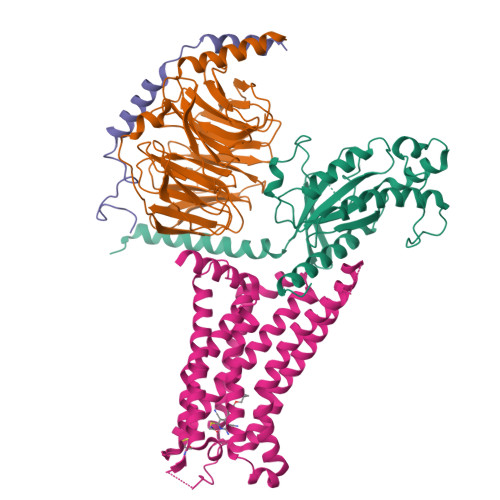
Adenosine receptor A2a structureClick to view 3D structureAdenosine receptor A2aP29274HumansPredicted (SEA)
Prediction Confidence Score
0.845
Applicability Domain
1.0
Statistical Significance
2.00e-05
Supporting Reference Compounds
303
E-value
0.155698
Click to view 3D structureAdenosine receptor A1P28190Bos taurusPredicted (SEA)
Prediction Confidence Score
0.831
Applicability Domain
1.0
Statistical Significance
1.00e-05
Supporting Reference Compounds
72
E-value
0.0778492
Click to view 3D structureAdenosine receptor A3P28647Rattus norvegicusPredicted (SEA)
Prediction Confidence Score
0.824
Applicability Domain
1.0
Statistical Significance
1.00e-05
Supporting Reference Compounds
71
E-value
0.0778492
Click to view 3D structureAdenosine receptor A2aP30543Rattus norvegicusPredicted (SEA)
Prediction Confidence Score
0.824
Applicability Domain
1.0
Statistical Significance
1.00e-05
Supporting Reference Compounds
174
E-value
0.0778492
Click to view 3D structureAdenosine receptor A1P25099Rattus norvegicusPredicted (SEA)
Prediction Confidence Score
0.821
Applicability Domain
1.0
Statistical Significance
1.00e-05
Supporting Reference Compounds
221
E-value
0.0778492
Adenosine receptor A1 structureClick to view 3D structureAdenosine receptor A1P30542HumansPredicted (SEA)
Prediction Confidence Score
0.792
Applicability Domain
1.0
Statistical Significance
3.00e-05
Supporting Reference Compounds
302
E-value
0.233548
Adenosine receptor A2b structureClick to view 3D structureAdenosine receptor A2bP29275HumansPredicted (SEA)
Prediction Confidence Score
0.774
Applicability Domain
1.0
Statistical Significance
2.00e-05
Supporting Reference Compounds
187
E-value
0.155698
Adenosine receptor A3 structureClick to view 3D structureAdenosine receptor A3P0DMS8HumansPredicted (SEA)
Prediction Confidence Score
0.767
Applicability Domain
1.0
Statistical Significance
1.30e-04
Supporting Reference Compounds
391
E-value
1.01204
Click to view 3D structureAdenosine receptor A1P47745Cavia porcellusPredicted (SEA)
Prediction Confidence Score
0.766
Applicability Domain
1.0
Statistical Significance
1.00e-05
Supporting Reference Compounds
38
E-value
0.0778492
Click to view 3D structureAdenosine receptor A3Q61618Mus musculusPredicted (SEA)
Prediction Confidence Score
0.753
Applicability Domain
1.0
Statistical Significance
1.00e-04
Supporting Reference Compounds
72
E-value
0.778492
Click to view 3D structureAdenosine receptor A1Q60612Mus musculusPredicted (SEA)
Prediction Confidence Score
0.753
Applicability Domain
1.0
Statistical Significance
3.00e-05
Supporting Reference Compounds
51
E-value
0.233548
Click to view 3D structureA1 adenosine receptorQ4VQ11Sus scrofaPredicted (SEA)
Prediction Confidence Score
0.732
Applicability Domain
1.0
Statistical Significance
1.00e-05
Supporting Reference Compounds
9
E-value
0.0778492
Click to view 3D structureAdenosine receptor A1P49892Gallus gallusPredicted (SEA)
Prediction Confidence Score
0.688
Applicability Domain
0.979
Statistical Significance
2.00e-05
Supporting Reference Compounds
6
E-value
0.155698
Sigma non-opioid intracellular receptor 1 structureClick to view 3D structureSigma non-opioid intracellular receptor 1Q99720HumansPredicted (SEA)
Prediction Confidence Score
0.632
Applicability Domain
1.0
Statistical Significance
4.20e-04
Supporting Reference Compounds
562
E-value
3.26967
Click to view 3D structureAdenosine receptor A2aP46616Cavia porcellusPredicted (SEA)
Prediction Confidence Score
0.613
Applicability Domain
0.979
Statistical Significance
3.00e-05
Supporting Reference Compounds
27
E-value
0.233548
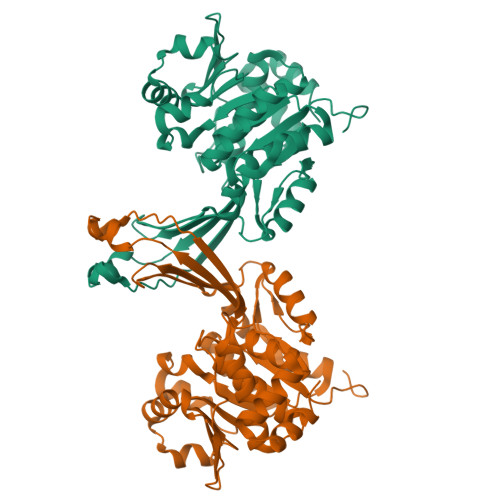
Heat shock protein HSP 90-alpha structureClick to view 3D structureHeat shock protein HSP 90-alphaP07900HumansPredicted (SEA)
Prediction Confidence Score
0.608
Applicability Domain
0.712
Statistical Significance
1.80e-04
Supporting Reference Compounds
109
E-value
1.40129
Endoplasmin structureClick to view 3D structureEndoplasminP14625HumansPredicted (SEA)
Prediction Confidence Score
0.608
Applicability Domain
0.712
Statistical Significance
1.20e-04
Supporting Reference Compounds
31
E-value
0.934191
Click to view 3D structureAdenosine receptor A3O02667Oryctolagus cuniculusPredicted (SEA)
Prediction Confidence Score
0.605
Applicability Domain
0.627
Statistical Significance
8.00e-05
Supporting Reference Compounds
2
E-value
0.622794
Click to view 3D structureAdenosine receptor A2aQ60613Mus musculusPredicted (SEA)
Prediction Confidence Score
0.599
Applicability Domain
1.0
Statistical Significance
2.00e-05
Supporting Reference Compounds
18
E-value
0.155698
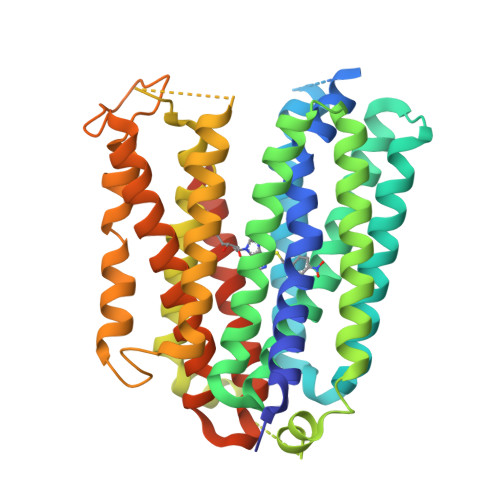
Equilibrative nucleoside transporter 1 structureClick to view 3D structureEquilibrative nucleoside transporter 1Q99808HumansPredicted (SEA)
Prediction Confidence Score
0.596
Applicability Domain
1.0
Statistical Significance
1.00e-05
Supporting Reference Compounds
10
E-value
0.0778492
Click to view 3D structureAdenosine receptor A1P34970Oryctolagus cuniculusPredicted (SEA)
Prediction Confidence Score
0.595
Applicability Domain
0.627
Statistical Significance
8.00e-05
Supporting Reference Compounds
3
E-value
0.622794
High affinity choline transporter 1 structureClick to view 3D structureHigh affinity choline transporter 1Q9GZV3HumansPredicted (SEA)
Prediction Confidence Score
0.545
Applicability Domain
0.649
Statistical Significance
3.00e-05
Supporting Reference Compounds
75
E-value
0.233548
Click to view 3D structureSigma intracellular receptor 2Q5BJF2HumansPredicted (SEA)
Prediction Confidence Score
0.521
Applicability Domain
0.607
Statistical Significance
6.00e-04
Supporting Reference Compounds
308
E-value
4.67095
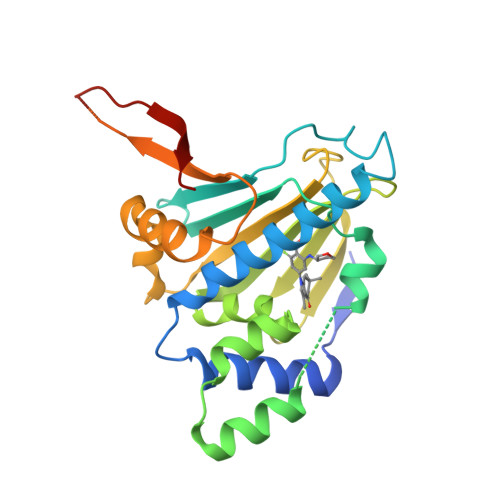
Adenosine kinase structureClick to view 3D structureAdenosine kinaseP9WID5Mycobacterium tuberculosis (strain ATCC 25618 / H37Rv)Predicted (SEA)
Prediction Confidence Score
0.502
Applicability Domain
0.548
Statistical Significance
5.00e-05
Supporting Reference Compounds
4
E-value
0.389246
Adenosine kinase structureClick to view 3D structureAdenosine kinaseQ9TVW2Toxoplasma gondiiPredicted (SEA)
Prediction Confidence Score
0.501
Applicability Domain
0.623
Statistical Significance
1.30e-04
Supporting Reference Compounds
5
E-value
1.01204
Concentrations
Not Available
External Links
IdentifiersNot Available
References
Synthesis ReferenceNot Available
MSDSNot Available
General ReferencesNot Available