Ethyl (2s)-2-benzamido-5-(diaminomethylideneamino)pentanoate (CED0164951)

Record Information
Version1.0
Creation Date2026-08-19 12:11:41 UTC
Update Date2026-08-19 12:11:41 UTC
SynCED IDCED0164951
Secondary Accession Numbers
  • CHEM185786
Identification
Common NameEthyl (2s)-2-benzamido-5-(diaminomethylideneamino)pentanoate
ClassSmall Molecule
Description
Ethyl (2s)-2-benzamido-5-(diaminomethylideneamino)pentanoate is an organic compound with the formula C15H22N4O3 and an average molecular weight of 306.36 g/mol. Ethyl (2s)-2-benzamido-5-(diaminomethylideneamino)pentanoate belongs to the benzoic acids and derivatives, a subclass of benzene and substituted derivatives within the organic compounds. This substance is found in or released from one recorded source: Electrical & Electronic Equipment (Thin Magnetic Films).
Contaminant TypeNot Available
Chemical Structure
SynonymsNot Available
Chemical FormulaC15H22N4O3
Average Molecular Mass306.360 g/mol
Monoisotopic Mass306.169 g/mol
CAS Registry Number971-21-1
IUPAC NameNot Available
Traditional NameNot Available
SMILESNot Available
InChI IdentifierInChI=1S/C15H22N4O3/c1-2-22-14(21)12(9-6-10-18-15(16)17)19-13(20)11-7-4-3-5-8-11/h3-5,7-8,12H,2,6,9-10H2,1H3,(H,19,20)(H4,16,17,18)/t12-/m0/s1
InChI KeyYQDHCCVUYCIGSW-LBPRGKRZSA-N
Chemical Taxonomy
ClassificationNot classified
Biological Properties
StatusDetected and Not Quantified
OriginNot Available
Cellular LocationsNot Available
Biofluid LocationsNot Available
Tissue LocationsNot Available
ApplicationsNot Available
Biological RolesNot Available
Chemical RolesNot Available
Organoleptic EffectsNot Available
Physical Properties
StateNot Available
AppearanceNot Available
Experimental Properties
PropertyValue
Melting PointNot Available
Boiling PointNot Available
SolubilityNot Available
Predicted PropertiesNot Available
Spectra
SpectraNot Available
Toxicity Profile
Toxicity Values
Toxicity ValueOrganismDose DescriptorRoute of ExposurePredicted or ExperimentalToxicity RatingReference
1545.0 Log mg/kg [870:2700]RatLD50oralpredictedNot AvailableNot Available
Toxicity / Toxin ClassNot Available
Mechanism of ToxicityNot Available
Carcinogenicity (IARC Classification)Not Available
Minimum Risk LevelNot Available
SymptomsNot Available
TreatmentNot Available
Health Effects
Health EffectRelationshipDirectionDescriptionReference
Exposure Sources
Source IDSourceSectorReference
CEDs000538Thin Magnetic Films?Thin magnetic films are layers of magnetic material ranging from a few nanometers to several micrometers in thickness, commonly used in applications such as magnetic sensors, data storage devices, and electronic components.Electrical & Electronic EquipmentPubChem
CEDs000545Food Preservation?Food preservation often involves the use of synthetic chemicals, such as preservatives, flavor enhancers, and color additives, to extend shelf life and enhance the sensory qualities of food products.Food, food processing & cookwarePubChem
CEDs000580Manufacture Preparation Of Tobacco Products?The manufacture and preparation of tobacco products involve various processes that can result in the introduction of synthetic chemicals into the environment.Industrial manufacturing & chemical processingPubChem
CEDs000596Acaricides?Acaricides are synthetic chemicals specifically designed to target and control mite populations that can damage crops and plants.Agriculture & land managementPubChem
CEDs000610Aftersun Products?Aftersun products are designed to soothe and hydrate the skin after sun exposure, often containing various synthetic chemicals such as emollients, preservatives, and fragrances.Personal care & cosmeticsPubChem
CEDs000611Anti Perspirants Or Body Deoderants?Antiperspirants and body deodorants commonly contain synthetic chemicals such as aluminum compounds, parabens, and synthetic fragrances.Personal care & cosmeticsPubChem
CEDs000613Depilatories?Depilatories are products designed to remove unwanted hair through the application of synthetic chemicals that break down the protein structure of hair, facilitating its removal.Personal care & cosmeticsPubChem
CEDs000615Eye Makeup Products?Eye makeup products, including mascaras, eyeliners, and eyeshadows, often contain a variety of synthetic chemicals such as pigments, preservatives, and film-forming agents.Personal care & cosmeticsPubChem
CEDs000618Lip Makeup Products?Lip makeup products, such as lipsticks, lip glosses, and lip liners, often contain a variety of synthetic chemicals, including pigments, preservatives, and emollients.Personal care & cosmeticsPubChem
CEDs000630Toys?Toys, particularly those made from synthetic materials such as plastics, can be a source of chemical contamination due to the presence of various additives and compounds used in their production.Recreation & sports surfacesPubChem
CEDs000657Surface Finishing Of Leather?Surface finishing of leather often involves the use of various synthetic chemicals, including dyes, resins, and finishing agents.Textiles, leather & furnishingsPubChem
CEDs000684Cements?Cements are a composite material primarily used as a binding agent in construction applications, formed by the calcination of limestone and clay minerals at high temperatures.Building & ConstructionPubChem
CEDs000685Ceramics?Ceramics can be a source of synthetic chemical contamination through various additives and processing agents used in their production.Building & ConstructionPubChem
CEDs000686Clay Wares?Clay wares are ceramic products made from natural clay, often utilized in various construction applications such as tiles, bricks, and sanitary ware.Building & ConstructionPubChem
CEDs000696Nanotechnology?Nanotechnology involves the manipulation of materials at the molecular or atomic level, typically within the range of 1 to 100 nanometers.Industrial manufacturing & chemical processingPubChem
CEDs000739Inks?Inks are complex mixtures composed of pigments or dyes, solvents, resins, and additives used primarily for printing and writing applications.Paper, pulp & fiber productsPubChem
CEDs000740Paper?Paper production involves the processing of wood fibers and the use of various chemicals, which can lead to synthetic chemical contamination.Paper, pulp & fiber productsPubChem
CEDs000743Sludge Treatment?Sludge treatment involves the processing of waste materials generated from wastewater treatment plants, which often contain a variety of organic and inorganic substances.Wastewater, sanitation & biosolidsPubChem
CEDs000744Water, Wastewater, & Sewage Treatment?Water, wastewater, and sewage treatment processes are critical for managing and mitigating pollutants in water systems.Wastewater, sanitation & biosolidsPubChem
Pathways
0 pathwaysPathway Source: PathBank

No pathways found

No metabolic pathways have been associated with this synthetic chemical

Targets
StructureProteinUniProt IDOrganismRelationshipDetails
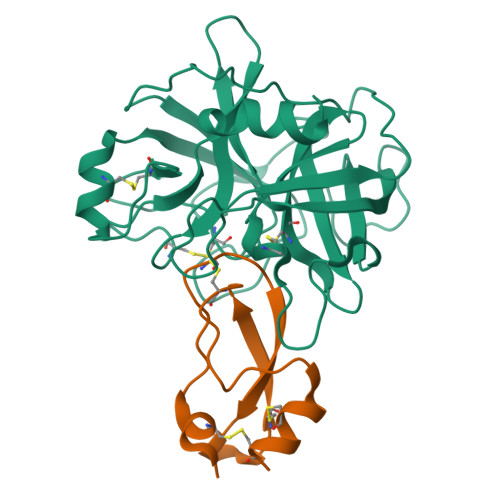
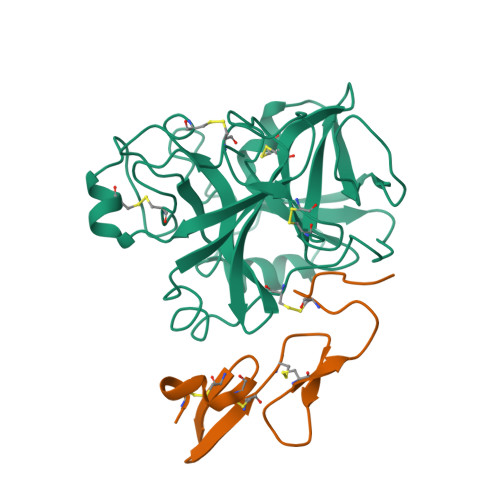
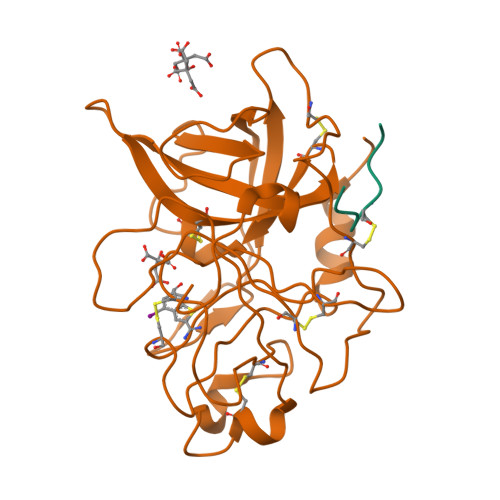
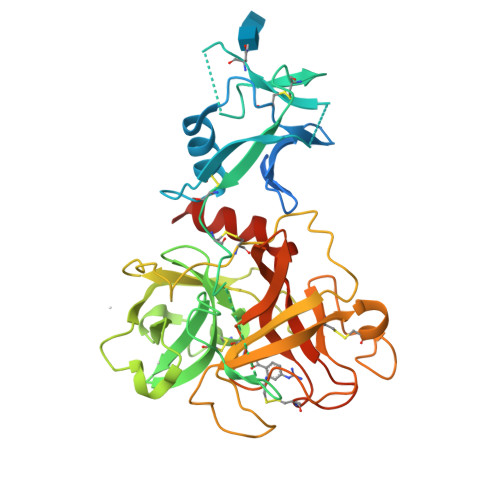
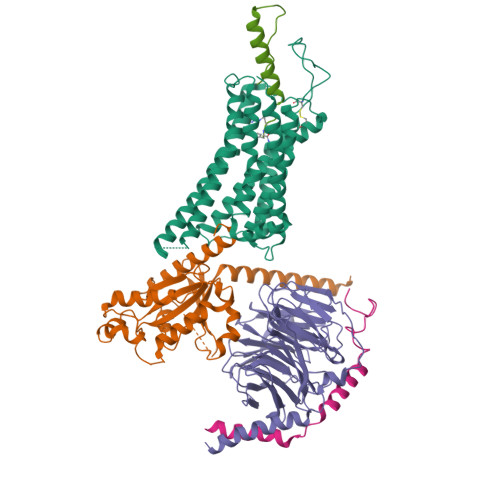
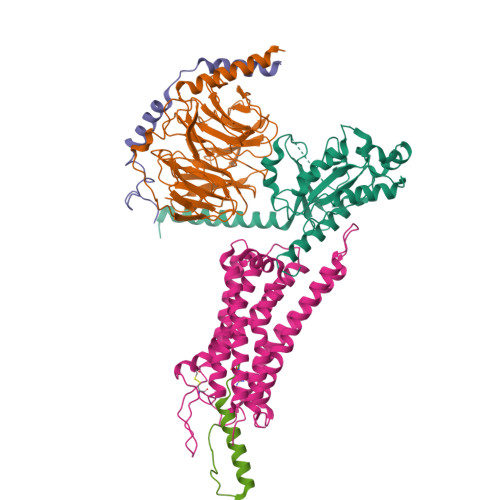
Neuropeptide Y receptor type 2 structureClick to view 3D structureNeuropeptide Y receptor type 2P49146HumansPredicted (SEA)
Prediction Confidence Score
0.327
Applicability Domain
0.379
Statistical Significance
0.0165
Supporting Reference Compounds
57
E-value
128.14
Click to view 3D structureTransmembrane protease serine 11DO60235HumansPredicted (SEA)
Prediction Confidence Score
0.326
Applicability Domain
0.384
Statistical Significance
0.0035
Supporting Reference Compounds
10
E-value
27.3251
Click to view 3D structureMas-related G protein-coupled receptor X1Q1L4E8Macaca mulattaPredicted (SEA)
Prediction Confidence Score
0.326
Applicability Domain
0.326
Statistical Significance
9.00e-05
Supporting Reference Compounds
1
E-value
0.700643
Click to view 3D structureMu-type opioid receptorP97266Cavia porcellusPredicted (SEA)
Prediction Confidence Score
0.324
Applicability Domain
0.346
Statistical Significance
0.0336
Supporting Reference Compounds
186
E-value
261.885
Delta-type opioid receptor structureClick to view 3D structureDelta-type opioid receptorP32300Mus musculusPredicted (SEA)
Prediction Confidence Score
0.324
Applicability Domain
0.346
Statistical Significance
0.0324
Supporting Reference Compounds
166
E-value
251.998
Click to view 3D structureMelanocyte-stimulating hormone receptorQ01727Mus musculusPredicted (SEA)
Prediction Confidence Score
0.32
Applicability Domain
0.342
Statistical Significance
0.0211
Supporting Reference Compounds
31
E-value
163.95
Suppressor of tumorigenicity 14 protein structureClick to view 3D structureSuppressor of tumorigenicity 14 proteinQ9Y5Y6HumansPredicted (SEA)
Prediction Confidence Score
0.317
Applicability Domain
0.342
Statistical Significance
0.0136
Supporting Reference Compounds
74
E-value
106.186
Neuropilin-2 structureClick to view 3D structureNeuropilin-2O60462HumansPredicted (SEA)
Prediction Confidence Score
0.316
Applicability Domain
0.316
Statistical Significance
5.70e-04
Supporting Reference Compounds
1
E-value
4.43741
Click to view 3D structureMelanocortin receptor 3P33033Mus musculusPredicted (SEA)
Prediction Confidence Score
0.315
Applicability Domain
0.347
Statistical Significance
0.0195
Supporting Reference Compounds
23
E-value
152.195
Furin structureClick to view 3D structureFurinP09958HumansPredicted (SEA)
Prediction Confidence Score
0.315
Applicability Domain
0.355
Statistical Significance
0.0085
Supporting Reference Compounds
16
E-value
65.8604
Click to view 3D structureNeuropeptide FF receptor 2Q9Y5X5HumansPredicted (SEA)
Prediction Confidence Score
0.415
Applicability Domain
0.429
Statistical Significance
0.0092
Supporting Reference Compounds
25
E-value
71.8548
Click to view 3D structureNeuropeptide FF receptor 1Q9GZQ6HumansPredicted (SEA)
Prediction Confidence Score
0.415
Applicability Domain
0.429
Statistical Significance
0.0079
Supporting Reference Compounds
21
E-value
61.6566
Coagulation factor X structureClick to view 3D structureCoagulation factor XP00742HumansPredicted (SEA)
Prediction Confidence Score
0.378
Applicability Domain
0.426
Statistical Significance
0.0105
Supporting Reference Compounds
284
E-value
81.5081
Prothrombin structureClick to view 3D structureProthrombinP00734HumansPredicted (SEA)
Prediction Confidence Score
0.375
Applicability Domain
0.426
Statistical Significance
0.0125
Supporting Reference Compounds
331
E-value
97.0001
Click to view 3D structureNeuropeptide FF receptor 2Q924H0Mus musculusPredicted (SEA)
Prediction Confidence Score
0.365
Applicability Domain
0.429
Statistical Significance
0.0015
Supporting Reference Compounds
5
E-value
11.6774
Plasminogen structureClick to view 3D structurePlasminogenP00747HumansPredicted (SEA)
Prediction Confidence Score
0.362
Applicability Domain
0.426
Statistical Significance
0.0119
Supporting Reference Compounds
195
E-value
92.8741
Urokinase-type plasminogen activator structureClick to view 3D structureUrokinase-type plasminogen activatorP00749HumansPredicted (SEA)
Prediction Confidence Score
0.351
Applicability Domain
0.426
Statistical Significance
0.0042
Supporting Reference Compounds
151
E-value
32.7745
Neuropeptide Y receptor type 1 structureClick to view 3D structureNeuropeptide Y receptor type 1P25929HumansPredicted (SEA)
Prediction Confidence Score
0.351
Applicability Domain
0.379
Statistical Significance
0.0139
Supporting Reference Compounds
65
E-value
108.21
Transmembrane protease serine 2 structureClick to view 3D structureTransmembrane protease serine 2O15393HumansPredicted (SEA)
Prediction Confidence Score
0.349
Applicability Domain
0.426
Statistical Significance
0.0034
Supporting Reference Compounds
23
E-value
26.3909
Neuropeptide Y receptor type 4 structureClick to view 3D structureNeuropeptide Y receptor type 4P50391HumansPredicted (SEA)
Prediction Confidence Score
0.336
Applicability Domain
0.379
Statistical Significance
0.0127
Supporting Reference Compounds
23
E-value
98.7907
Click to view 3D structureNeuroendocrine convertase 1P29120HumansPredicted (SEA)
Prediction Confidence Score
0.336
Applicability Domain
0.355
Statistical Significance
0.0041
Supporting Reference Compounds
2
E-value
31.996
Coagulation factor XII structureClick to view 3D structureCoagulation factor XIIP00748HumansPredicted (SEA)
Prediction Confidence Score
0.335
Applicability Domain
0.426
Statistical Significance
0.0097
Supporting Reference Compounds
73
E-value
75.4359
Plasma kallikrein structureClick to view 3D structurePlasma kallikreinP03952HumansPredicted (SEA)
Prediction Confidence Score
0.334
Applicability Domain
0.426
Statistical Significance
0.0141
Supporting Reference Compounds
158
E-value
109.923
Nociceptin receptor structureClick to view 3D structureNociceptin receptorP41146HumansPredicted (SEA)
Prediction Confidence Score
0.332
Applicability Domain
0.418
Statistical Significance
0.0164
Supporting Reference Compounds
73
E-value
127.751
Serine protease hepsin structureClick to view 3D structureSerine protease hepsinP05981HumansPredicted (SEA)
Prediction Confidence Score
0.327
Applicability Domain
0.426
Statistical Significance
0.0051
Supporting Reference Compounds
37
E-value
39.3917
Concentrations
Not Available
External Links
IdentifiersNot Available
References
Synthesis ReferenceNot Available
MSDSNot Available
General ReferencesNot Available