 Click to view 3D structure | Equilibrative nucleoside transporter 1 | Q9JIM1 | Mus musculus | Predicted (SEA) | - Prediction Confidence Score
- 0.318
- Applicability Domain
- 0.318
- Statistical Significance
- 8.00e-05
- Supporting Reference Compounds
- 1
- E-value
- 0.622794
|
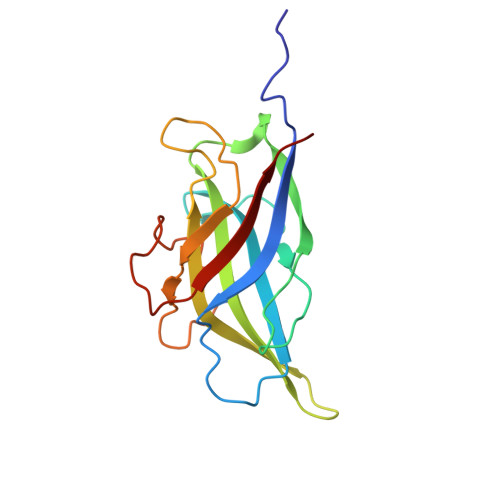 Click to view 3D structure | Phosphatidylinositol 4,5-bisphosphate 3-kinase catalytic subunit alpha isoform | P42336 | Humans | Predicted (SEA) | - Prediction Confidence Score
- 0.287
- Applicability Domain
- 0.315
- Statistical Significance
- 0.0755
- Supporting Reference Compounds
- 536
- E-value
- 587.917
|
 Click to view 3D structure | Cytochrome P450 3A4 | P08684 | Humans | Predicted (SEA) | - Prediction Confidence Score
- 0.278
- Applicability Domain
- 0.297 Low confidence
- Statistical Significance
- 0.2935
- Supporting Reference Compounds
- 1538
- E-value
- 2284.64
|
 Click to view 3D structure | Serine/threonine-protein kinase mTOR | P42345 | Humans | Predicted (SEA) | - Prediction Confidence Score
- 0.273
- Applicability Domain
- 0.279 Low confidence
- Statistical Significance
- 0.0792
- Supporting Reference Compounds
- 403
- E-value
- 616.722
|
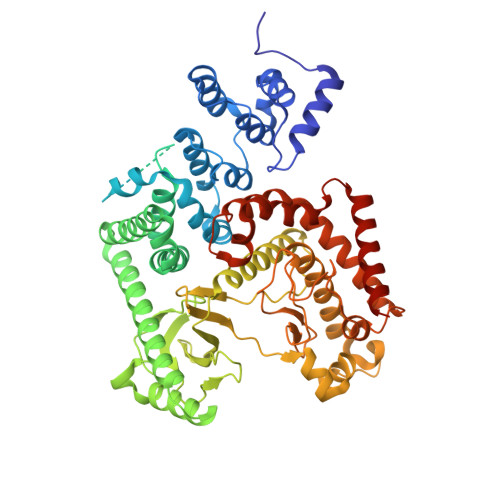 Click to view 3D structure | Phosphatidylinositol 3-kinase catalytic subunit type 3 | Q8NEB9 | Humans | Predicted (SEA) | - Prediction Confidence Score
- 0.265
- Applicability Domain
- 0.292 Low confidence
- Statistical Significance
- 0.0149
- Supporting Reference Compounds
- 95
- E-value
- 115.84
|
| Click to view 3D structure | Phosphatidylinositol 4,5-bisphosphate 3-kinase catalytic subunit beta isoform | P42338 | Humans | Predicted (SEA) | - Prediction Confidence Score
- 0.262
- Applicability Domain
- 0.274 Low confidence
- Statistical Significance
- 0.1027
- Supporting Reference Compounds
- 372
- E-value
- 799.667
|
 Click to view 3D structure | Voltage-gated inwardly rectifying potassium channel KCNH2 | Q12809 | Humans | Predicted (SEA) | - Prediction Confidence Score
- 0.261
- Applicability Domain
- 0.333
- Statistical Significance
- 0.4258
- Supporting Reference Compounds
- 1498
- E-value
- 3314.66
|
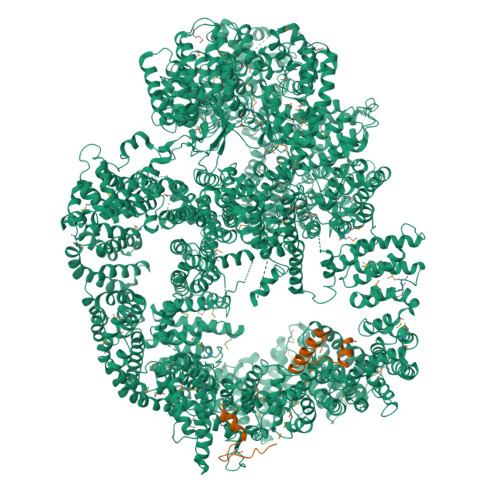 Click to view 3D structure | DNA-dependent protein kinase catalytic subunit | P78527 | Humans | Predicted (SEA) | - Prediction Confidence Score
- 0.26
- Applicability Domain
- 0.274 Low confidence
- Statistical Significance
- 0.0436
- Supporting Reference Compounds
- 219
- E-value
- 339.423
|
| Click to view 3D structure | Phosphatidylinositol 4,5-bisphosphate 3-kinase catalytic subunit alpha isoform | A0A0G2K344 | Rattus norvegicus | Predicted (SEA) | - Prediction Confidence Score
- 0.259
- Applicability Domain
- 0.279 Low confidence
- Statistical Significance
- 0.0021
- Supporting Reference Compounds
- 10
- E-value
- 16.6597
|
| Click to view 3D structure | Phosphatidylinositol 4,5-bisphosphate 3-kinase catalytic subunit beta isoform | Q9Z1L0 | Rattus norvegicus | Predicted (SEA) | - Prediction Confidence Score
- 0.256
- Applicability Domain
- 0.279 Low confidence
- Statistical Significance
- 0.0035
- Supporting Reference Compounds
- 15
- E-value
- 27.0915
|
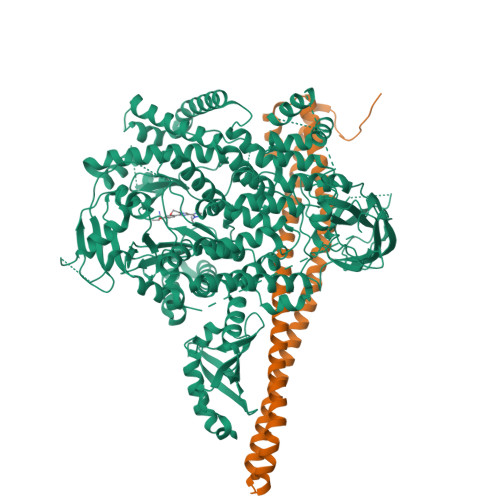 Click to view 3D structure | Phosphatidylinositol 4,5-bisphosphate 3-kinase catalytic subunit delta isoform | O00329 | Humans | Predicted (SEA) | - Prediction Confidence Score
- 0.256
- Applicability Domain
- 0.274 Low confidence
- Statistical Significance
- 0.1426
- Supporting Reference Compounds
- 459
- E-value
- 1110.36
|
| Click to view 3D structure | Phosphatidylinositol 4-phosphate 3-kinase C2 domain-containing subunit beta | O00750 | Humans | Predicted (SEA) | - Prediction Confidence Score
- 0.255
- Applicability Domain
- 0.274 Low confidence
- Statistical Significance
- 0.0643
- Supporting Reference Compounds
- 138
- E-value
- 500.493
|
 Click to view 3D structure | Apoptotic protease-activating factor 1 | O14727 | Humans | Predicted (SEA) | - Prediction Confidence Score
- 0.254
- Applicability Domain
- 0.314
- Statistical Significance
- 0.0152
- Supporting Reference Compounds
- 112
- E-value
- 118.487
|
 Click to view 3D structure | Phosphatidylinositol 4,5-bisphosphate 3-kinase catalytic subunit gamma isoform | P48736 | Humans | Predicted (SEA) | - Prediction Confidence Score
- 0.253
- Applicability Domain
- 0.274 Low confidence
- Statistical Significance
- 0.1559
- Supporting Reference Compounds
- 450
- E-value
- 1213.44
|
 Click to view 3D structure | Mast/stem cell growth factor receptor Kit | P10721 | Humans | Predicted (SEA) | - Prediction Confidence Score
- 0.252
- Applicability Domain
- 0.273 Low confidence
- Statistical Significance
- 0.3291
- Supporting Reference Compounds
- 905
- E-value
- 2561.71
|
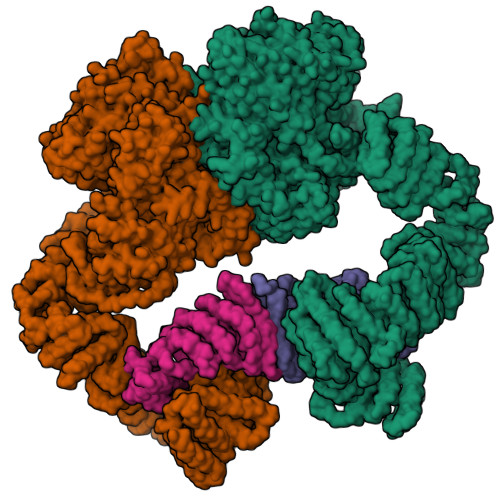 Click to view 3D structure | Serine/threonine-protein kinase ATR | Q13535 | Humans | Predicted (SEA) | - Prediction Confidence Score
- 0.252
- Applicability Domain
- 0.265 Low confidence
- Statistical Significance
- 0.0258
- Supporting Reference Compounds
- 65
- E-value
- 200.773
|
 Click to view 3D structure | Cyclin-dependent kinase 2 | P24941 | Humans | Predicted (SEA) | - Prediction Confidence Score
- 0.251
- Applicability Domain
- 0.277 Low confidence
- Statistical Significance
- 0.3524
- Supporting Reference Compounds
- 1029
- E-value
- 2743.1
|
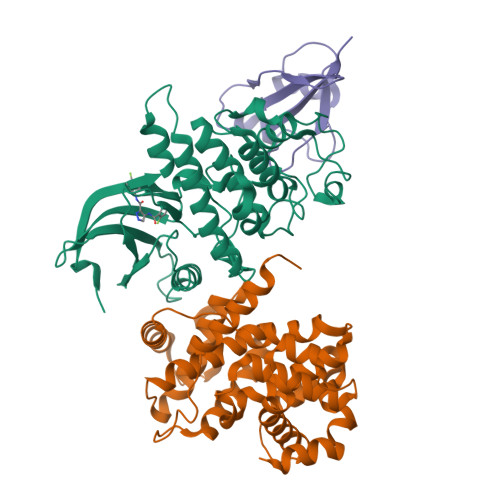 Click to view 3D structure | Cyclin-dependent kinase 1 | P06493 | Humans | Predicted (SEA) | - Prediction Confidence Score
- 0.251
- Applicability Domain
- 0.277 Low confidence
- Statistical Significance
- 0.2888
- Supporting Reference Compounds
- 715
- E-value
- 2248.36
|
 Click to view 3D structure | Tyrosine-protein kinase JAK3 | P52333 | Humans | Predicted (SEA) | - Prediction Confidence Score
- 0.247
- Applicability Domain
- 0.266 Low confidence
- Statistical Significance
- 0.3878
- Supporting Reference Compounds
- 961
- E-value
- 3019.3
|
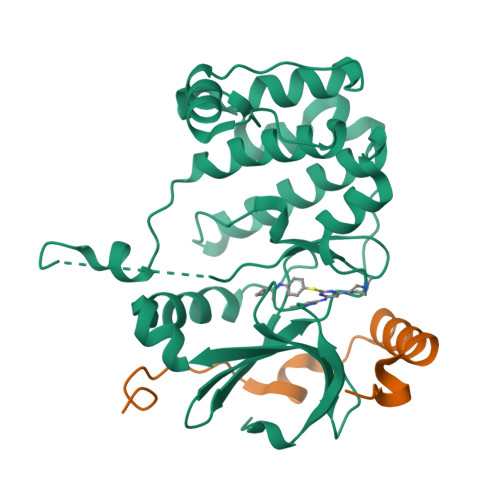 Click to view 3D structure | Aurora kinase B | Q96GD4 | Humans | Predicted (SEA) | - Prediction Confidence Score
- 0.246
- Applicability Domain
- 0.266 Low confidence
- Statistical Significance
- 0.4117
- Supporting Reference Compounds
- 1017
- E-value
- 3205.21
|
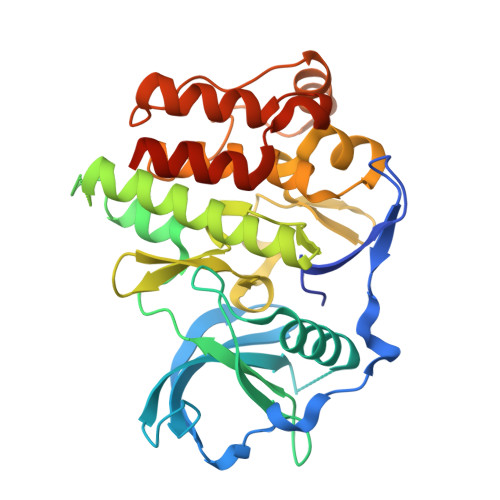 Click to view 3D structure | Receptor-type tyrosine-protein kinase FLT3 | P36888 | Humans | Predicted (SEA) | - Prediction Confidence Score
- 0.245
- Applicability Domain
- 0.266 Low confidence
- Statistical Significance
- 0.4525
- Supporting Reference Compounds
- 1274
- E-value
- 3522.91
|
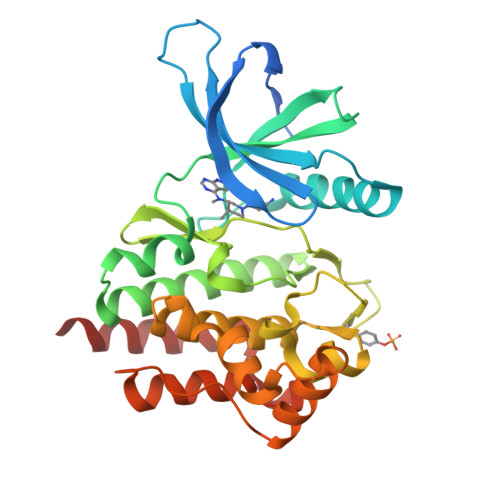 Click to view 3D structure | Non-receptor tyrosine-protein kinase TYK2 | P29597 | Humans | Predicted (SEA) | - Prediction Confidence Score
- 0.245
- Applicability Domain
- 0.266 Low confidence
- Statistical Significance
- 0.3389
- Supporting Reference Compounds
- 657
- E-value
- 2638.54
|
 Click to view 3D structure | Tyrosine-protein kinase JAK2 | O60674 | Humans | Predicted (SEA) | - Prediction Confidence Score
- 0.242
- Applicability Domain
- 0.266 Low confidence
- Statistical Significance
- 0.4588
- Supporting Reference Compounds
- 1022
- E-value
- 3571.57
|
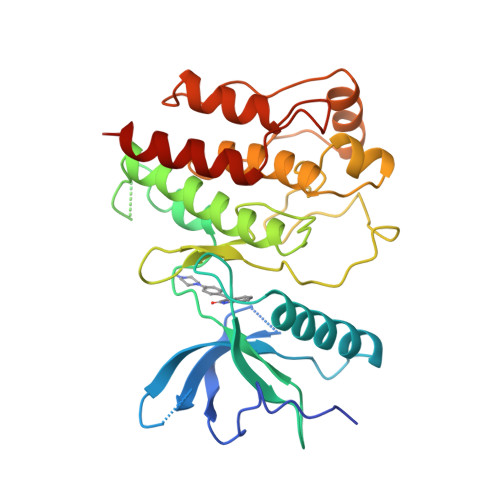 Click to view 3D structure | Fibroblast growth factor receptor 1 | P11362 | Humans | Predicted (SEA) | - Prediction Confidence Score
- 0.241
- Applicability Domain
- 0.262 Low confidence
- Statistical Significance
- 0.4481
- Supporting Reference Compounds
- 1010
- E-value
- 3488.5
|
 Click to view 3D structure | Tyrosine-protein kinase Lck | P06239 | Humans | Predicted (SEA) | - Prediction Confidence Score
- 0.24
- Applicability Domain
- 0.262 Low confidence
- Statistical Significance
- 0.5001
- Supporting Reference Compounds
- 1130
- E-value
- 3892.93
|

