 Click to view 3D structure | All-trans-retinol dehydrogenase [NAD(+)] ADH7 | P40394 | Humans | Predicted (SEA) | - Prediction Confidence Score
- 0.321
- Applicability Domain
- 0.321
- Statistical Significance
- 2.30e-04
- Supporting Reference Compounds
- 1
- E-value
- 1.79053
|
 Click to view 3D structure | Phospholipase B | Q9P8P2 | Cryptococcus neoformans | Predicted (SEA) | - Prediction Confidence Score
- 0.32
- Applicability Domain
- 0.32
- Statistical Significance
- 5.00e-05
- Supporting Reference Compounds
- 1
- E-value
- 0.389246
|
 Click to view 3D structure | Peroxisome proliferator-activated receptor alpha | Q07869 | Humans | Predicted (SEA) | - Prediction Confidence Score
- 0.313
- Applicability Domain
- 0.333
- Statistical Significance
- 0.0101
- Supporting Reference Compounds
- 127
- E-value
- 78.9391
|
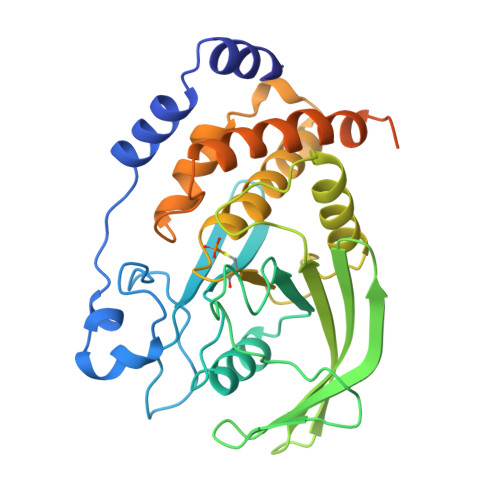 Click to view 3D structure | Tyrosine-protein phosphatase non-receptor type 1 | P18031 | Humans | Predicted (SEA) | - Prediction Confidence Score
- 0.309
- Applicability Domain
- 0.333
- Statistical Significance
- 0.0081
- Supporting Reference Compounds
- 197
- E-value
- 62.8243
|
 Click to view 3D structure | Cannabinoid receptor 1 | P21554 | Humans | Predicted (SEA) | - Prediction Confidence Score
- 0.3
- Applicability Domain
- 0.583
- Statistical Significance
- 0.0176
- Supporting Reference Compounds
- 200
- E-value
- 136.703
|
 Click to view 3D structure | Peroxisome proliferator-activated receptor delta | Q03181 | Humans | Predicted (SEA) | - Prediction Confidence Score
- 0.299
- Applicability Domain
- 0.333
- Statistical Significance
- 0.0099
- Supporting Reference Compounds
- 89
- E-value
- 77.1486
|
 Click to view 3D structure | Transient receptor potential cation channel subfamily V member 2 | Q9WUD2 | Rattus norvegicus | Predicted (SEA) | - Prediction Confidence Score
- 0.295
- Applicability Domain
- 0.333
- Statistical Significance
- 0.0025
- Supporting Reference Compounds
- 21
- E-value
- 19.1509
|
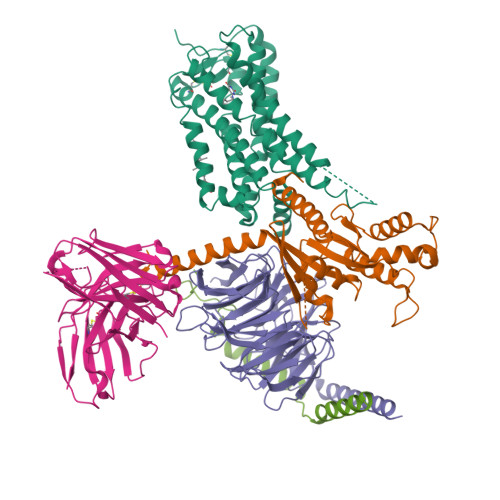 Click to view 3D structure | G-protein coupled receptor 84 | Q9NQS5 | Humans | Predicted (SEA) | - Prediction Confidence Score
- 0.292
- Applicability Domain
- 0.333
- Statistical Significance
- 0.0012
- Supporting Reference Compounds
- 15
- E-value
- 9.03051
|
| Click to view 3D structure | Fatty-acid amide hydrolase 1 | O00519 | Humans | Predicted (SEA) | - Prediction Confidence Score
- 0.285
- Applicability Domain
- 0.321
- Statistical Significance
- 0.0232
- Supporting Reference Compounds
- 106
- E-value
- 180.688
|
| Click to view 3D structure | Cannabinoid receptor 1 | P20272 | Rattus norvegicus | Predicted (SEA) | - Prediction Confidence Score
- 0.281
- Applicability Domain
- 0.321
- Statistical Significance
- 0.0091
- Supporting Reference Compounds
- 83
- E-value
- 70.7649
|
| Click to view 3D structure | CAI-1 autoinducer sensor kinase/phosphatase CqsS | Q9KM66 | Vibrio cholerae serotype O1 (strain ATCC 39315 / El Tor Inaba N16961) | Predicted (SEA) | - Prediction Confidence Score
- 0.281
- Applicability Domain
- 0.281 Low confidence
- Statistical Significance
- 7.50e-04
- Supporting Reference Compounds
- 1
- E-value
- 5.83869
|
 Click to view 3D structure | Monoglyceride lipase | Q99685 | Humans | Predicted (SEA) | - Prediction Confidence Score
- 0.28
- Applicability Domain
- 0.583
- Statistical Significance
- 0.0085
- Supporting Reference Compounds
- 76
- E-value
- 66.4832
|
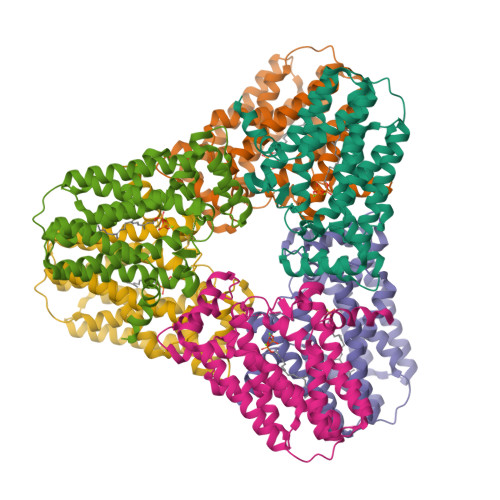 Click to view 3D structure | Geranylgeranyl pyrophosphate synthase | O95749 | Humans | Predicted (SEA) | - Prediction Confidence Score
- 0.28
- Applicability Domain
- 0.281 Low confidence
- Statistical Significance
- 6.60e-04
- Supporting Reference Compounds
- 15
- E-value
- 5.13805
|
| Click to view 3D structure | Farnesyl pyrophosphate synthase | Q0GKD7 | Leishmania donovani | Predicted (SEA) | - Prediction Confidence Score
- 0.28
- Applicability Domain
- 0.281 Low confidence
- Statistical Significance
- 6.20e-04
- Supporting Reference Compounds
- 14
- E-value
- 4.82665
|
 Click to view 3D structure | Peroxisome proliferator-activated receptor gamma | P37231 | Humans | Predicted (SEA) | - Prediction Confidence Score
- 0.276
- Applicability Domain
- 0.333
- Statistical Significance
- 0.0382
- Supporting Reference Compounds
- 192
- E-value
- 297.54
|
 Click to view 3D structure | Farnesyl pyrophosphate synthase | P14324 | Humans | Predicted (SEA) | - Prediction Confidence Score
- 0.273
- Applicability Domain
- 0.281 Low confidence
- Statistical Significance
- 8.90e-04
- Supporting Reference Compounds
- 22
- E-value
- 6.92858
|
| Click to view 3D structure | Cocaine esterase | O00748 | Humans | Predicted (SEA) | - Prediction Confidence Score
- 0.272
- Applicability Domain
- 0.29 Low confidence
- Statistical Significance
- 0.002
- Supporting Reference Compounds
- 40
- E-value
- 15.8812
|
| Click to view 3D structure | CG8425-PA [Drosophila melanogaster] | A1ZA98 | Drosophila melanogaster | Predicted (SEA) | - Prediction Confidence Score
- 0.271
- Applicability Domain
- 0.29 Low confidence
- Statistical Significance
- 4.80e-04
- Supporting Reference Compounds
- 4
- E-value
- 3.73676
|
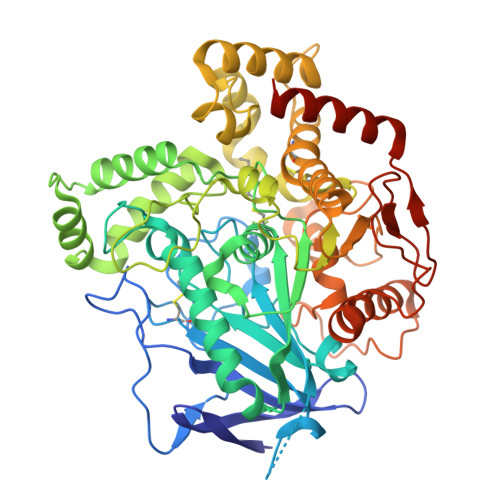 Click to view 3D structure | Juvenile hormone esterase | Q9GPG0 | Manduca sexta | Predicted (SEA) | - Prediction Confidence Score
- 0.27
- Applicability Domain
- 0.29 Low confidence
- Statistical Significance
- 5.80e-04
- Supporting Reference Compounds
- 2
- E-value
- 4.51525
|
| Click to view 3D structure | Histone deacetylase 11 | Q96DB2 | Humans | Predicted (SEA) | - Prediction Confidence Score
- 0.269
- Applicability Domain
- 0.333
- Statistical Significance
- 0.0446
- Supporting Reference Compounds
- 149
- E-value
- 346.974
|
| Click to view 3D structure | Fatty-acid amide hydrolase 1 | O08914 | Mus musculus | Predicted (SEA) | - Prediction Confidence Score
- 0.269
- Applicability Domain
- 0.321
- Statistical Significance
- 0.0121
- Supporting Reference Compounds
- 46
- E-value
- 94.2754
|
 Click to view 3D structure | Liver carboxylesterase 1 | P23141 | Humans | Predicted (SEA) | - Prediction Confidence Score
- 0.266
- Applicability Domain
- 0.29 Low confidence
- Statistical Significance
- 0.0074
- Supporting Reference Compounds
- 55
- E-value
- 57.6863
|
 Click to view 3D structure | Liver carboxylesterase | Q29550 | Sus scrofa | Predicted (SEA) | - Prediction Confidence Score
- 0.264
- Applicability Domain
- 0.29 Low confidence
- Statistical Significance
- 0.0011
- Supporting Reference Compounds
- 20
- E-value
- 8.56341
|
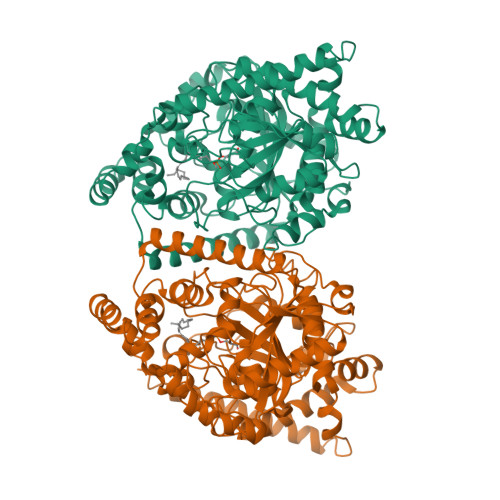 Click to view 3D structure | Fatty-acid amide hydrolase 1 | P97612 | Rattus norvegicus | Predicted (SEA) | - Prediction Confidence Score
- 0.262
- Applicability Domain
- 0.321
- Statistical Significance
- 0.0326
- Supporting Reference Compounds
- 102
- E-value
- 254.1
|
| Click to view 3D structure | Sodium- and chloride-dependent creatine transporter 1 | P28570 | Rattus norvegicus | Predicted (SEA) | - Prediction Confidence Score
- 0.258
- Applicability Domain
- 0.258 Low confidence
- Statistical Significance
- 3.40e-04
- Supporting Reference Compounds
- 1
- E-value
- 2.64687
|

