 Click to view 3D structure | ACCase | H9BT73 | Alopecurus japonicus | Predicted (SEA) | - Prediction Confidence Score
- 0.407
- Applicability Domain
- 0.407
- Statistical Significance
- 6.00e-05
- Supporting Reference Compounds
- 1
- E-value
- 0.467095
|
 Click to view 3D structure | Interleukin-18 | Q14116 | Humans | Predicted (SEA) | - Prediction Confidence Score
- 0.36
- Applicability Domain
- 0.36
- Statistical Significance
- 4.30e-04
- Supporting Reference Compounds
- 1
- E-value
- 3.34752
|
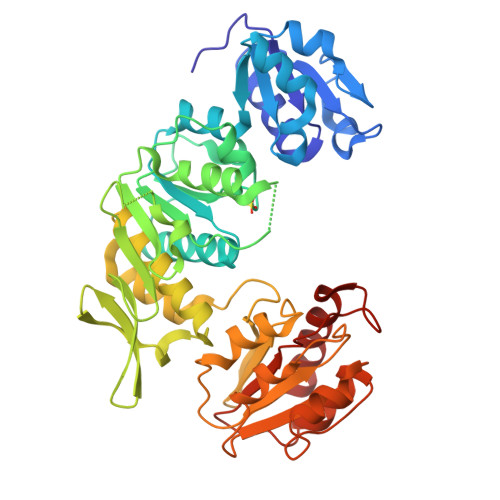 Click to view 3D structure | UDP-N-acetylmuramoylalanine--D-glutamate ligase | P14900 | Escherichia coli (strain K12) | Predicted (SEA) | - Prediction Confidence Score
- 0.342
- Applicability Domain
- 0.342
- Statistical Significance
- 7.00e-05
- Supporting Reference Compounds
- 1
- E-value
- 0.544945
|
 Click to view 3D structure | Voltage-gated inwardly rectifying potassium channel KCNH2 | Q12809 | Humans | Predicted (SEA) | - Prediction Confidence Score
- 0.287
- Applicability Domain
- 0.351
- Statistical Significance
- 0.2233
- Supporting Reference Compounds
- 1498
- E-value
- 1738.06
|
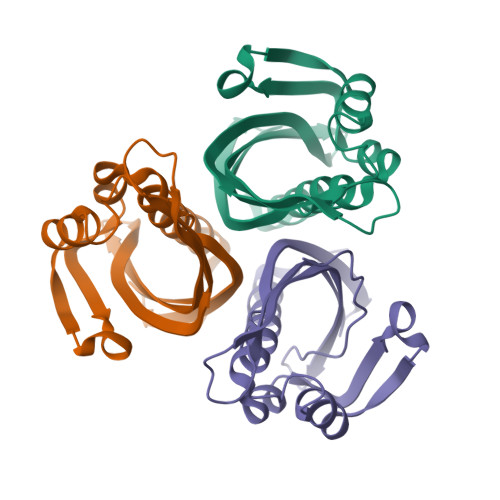 Click to view 3D structure | Scytalone dehydratase | P56221 | Magnaporthe oryzae (strain 70-15 / FGSC 8958) (Rice blast fungus)(Pyricularia oryzae) | Predicted (SEA) | - Prediction Confidence Score
- 0.269
- Applicability Domain
- 0.269 Low confidence
- Statistical Significance
- 7.20e-04
- Supporting Reference Compounds
- 1
- E-value
- 5.60514
|
 Click to view 3D structure | Cytochrome P450 2D6 | P10635 | Humans | Predicted (SEA) | - Prediction Confidence Score
- 0.268
- Applicability Domain
- 0.284 Low confidence
- Statistical Significance
- 0.2776
- Supporting Reference Compounds
- 1130
- E-value
- 2161.02
|
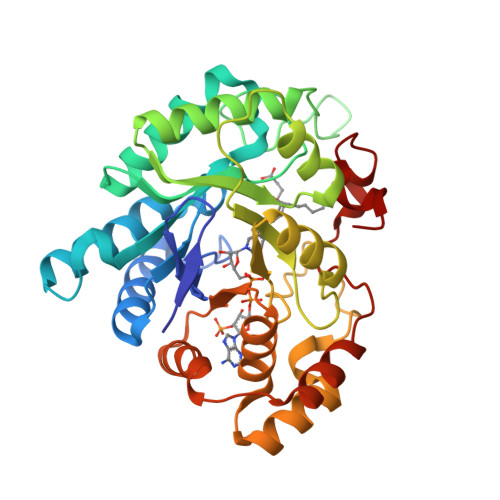 Click to view 3D structure | Aldo-keto reductase family 1 member C3 | P42330 | Humans | Predicted (SEA) | - Prediction Confidence Score
- 0.268
- Applicability Domain
- 0.278 Low confidence
- Statistical Significance
- 0.019
- Supporting Reference Compounds
- 57
- E-value
- 147.758
|
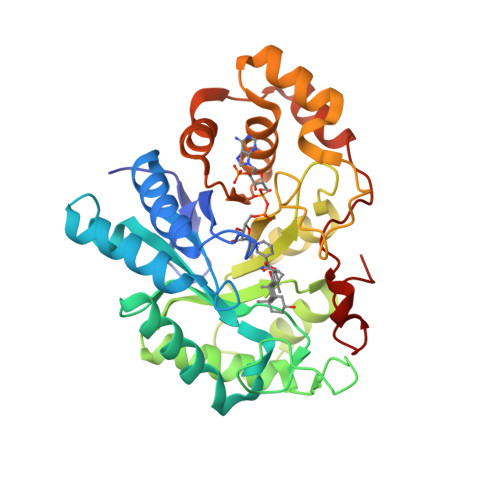 Click to view 3D structure | Aldo-keto reductase family 1 member C2 | P52895 | Humans | Predicted (SEA) | - Prediction Confidence Score
- 0.268
- Applicability Domain
- 0.278 Low confidence
- Statistical Significance
- 0.0153
- Supporting Reference Compounds
- 40
- E-value
- 119.421
|
 Click to view 3D structure | Sodium-dependent serotonin transporter | P31645 | Humans | Predicted (SEA) | - Prediction Confidence Score
- 0.268
- Applicability Domain
- 0.286 Low confidence
- Statistical Significance
- 0.1145
- Supporting Reference Compounds
- 593
- E-value
- 891.607
|
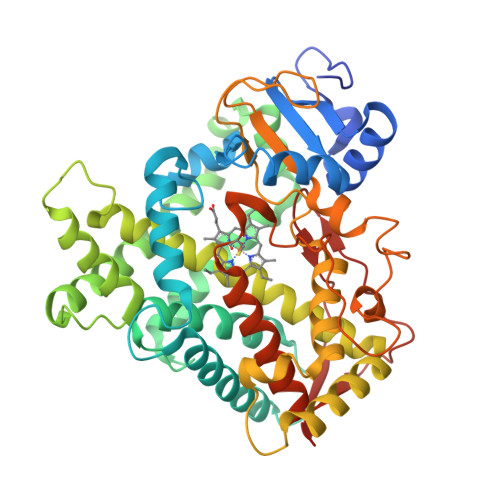 Click to view 3D structure | Cytochrome P450 2C9 | P11712 | Humans | Predicted (SEA) | - Prediction Confidence Score
- 0.267
- Applicability Domain
- 0.27 Low confidence
- Statistical Significance
- 0.3325
- Supporting Reference Compounds
- 1245
- E-value
- 2588.33
|
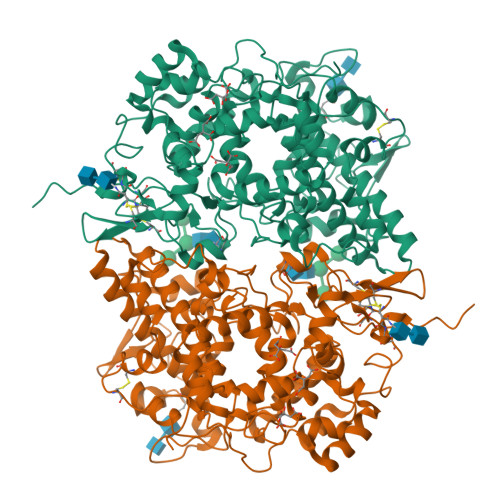 Click to view 3D structure | Prostaglandin G/H synthase 1 | P23219 | Humans | Predicted (SEA) | - Prediction Confidence Score
- 0.267
- Applicability Domain
- 0.278 Low confidence
- Statistical Significance
- 0.029
- Supporting Reference Compounds
- 136
- E-value
- 225.451
|
 Click to view 3D structure | Prostaglandin G/H synthase 2 | P35354 | Humans | Predicted (SEA) | - Prediction Confidence Score
- 0.264
- Applicability Domain
- 0.278 Low confidence
- Statistical Significance
- 0.0521
- Supporting Reference Compounds
- 201
- E-value
- 405.906
|
 Click to view 3D structure | Peroxisome proliferator-activated receptor gamma | P37231 | Humans | Predicted (SEA) | - Prediction Confidence Score
- 0.262
- Applicability Domain
- 0.274 Low confidence
- Statistical Significance
- 0.0635
- Supporting Reference Compounds
- 192
- E-value
- 494.576
|
| Click to view 3D structure | STE20/SPS1-related proline-alanine-rich protein kinase | O88506 | Rattus norvegicus | Predicted (SEA) | - Prediction Confidence Score
- 0.253
- Applicability Domain
- 0.253 Low confidence
- Statistical Significance
- 0.0092
- Supporting Reference Compounds
- 1
- E-value
- 71.3877
|
 Click to view 3D structure | D(3) dopamine receptor | P35462 | Humans | Predicted (SEA) | - Prediction Confidence Score
- 0.251
- Applicability Domain
- 0.277 Low confidence
- Statistical Significance
- 0.2524
- Supporting Reference Compounds
- 861
- E-value
- 1964.76
|
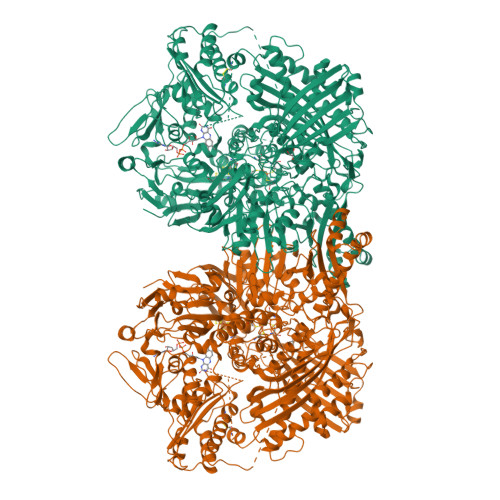 Click to view 3D structure | Xanthine dehydrogenase/oxidase | P47989 | Humans | Predicted (SEA) | - Prediction Confidence Score
- 0.249
- Applicability Domain
- 0.281 Low confidence
- Statistical Significance
- 0.0062
- Supporting Reference Compounds
- 37
- E-value
- 48.3444
|
 Click to view 3D structure | Prostaglandin G/H synthase 1 | P05979 | Ovis aries | Predicted (SEA) | - Prediction Confidence Score
- 0.249
- Applicability Domain
- 0.278 Low confidence
- Statistical Significance
- 0.0444
- Supporting Reference Compounds
- 106
- E-value
- 345.728
|
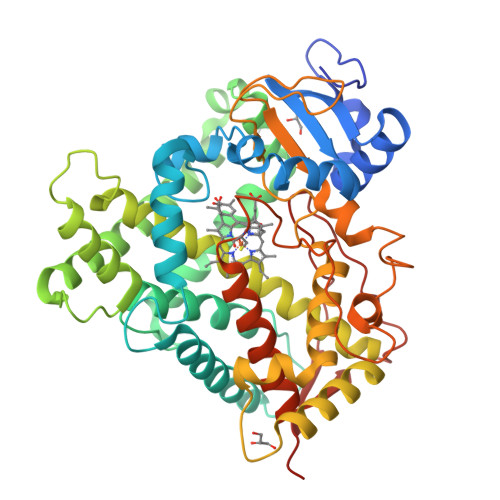 Click to view 3D structure | Cytochrome P450 2C19 | P33261 | Humans | Predicted (SEA) | - Prediction Confidence Score
- 0.249
- Applicability Domain
- 0.269 Low confidence
- Statistical Significance
- 0.3775
- Supporting Reference Compounds
- 825
- E-value
- 2938.65
|
 Click to view 3D structure | Serine protease 1 | P07477 | Humans | Predicted (SEA) | - Prediction Confidence Score
- 0.249
- Applicability Domain
- 0.298 Low confidence
- Statistical Significance
- 0.0614
- Supporting Reference Compounds
- 112
- E-value
- 478.072
|
 Click to view 3D structure | Peroxisome proliferator-activated receptor alpha | Q07869 | Humans | Predicted (SEA) | - Prediction Confidence Score
- 0.248
- Applicability Domain
- 0.269 Low confidence
- Statistical Significance
- 0.0804
- Supporting Reference Compounds
- 127
- E-value
- 626.063
|
 Click to view 3D structure | Cytochrome P450 1A2 | P05177 | Humans | Predicted (SEA) | - Prediction Confidence Score
- 0.247
- Applicability Domain
- 0.269 Low confidence
- Statistical Significance
- 0.381
- Supporting Reference Compounds
- 793
- E-value
- 2965.98
|
 Click to view 3D structure | Cytochrome P450 3A4 | P08684 | Humans | Predicted (SEA) | - Prediction Confidence Score
- 0.246
- Applicability Domain
- 0.26 Low confidence
- Statistical Significance
- 0.5998
- Supporting Reference Compounds
- 1538
- E-value
- 4669.79
|
 Click to view 3D structure | 6-phosphofructo-2-kinase/fructose-2,6-bisphosphatase 3 | Q16875 | Humans | Predicted (SEA) | - Prediction Confidence Score
- 0.245
- Applicability Domain
- 0.257 Low confidence
- Statistical Significance
- 0.0025
- Supporting Reference Compounds
- 13
- E-value
- 19.8516
|
 Click to view 3D structure | Cytochrome P450 2C8 | P10632 | Humans | Predicted (SEA) | - Prediction Confidence Score
- 0.244
- Applicability Domain
- 0.269 Low confidence
- Statistical Significance
- 0.1595
- Supporting Reference Compounds
- 305
- E-value
- 1241.77
|
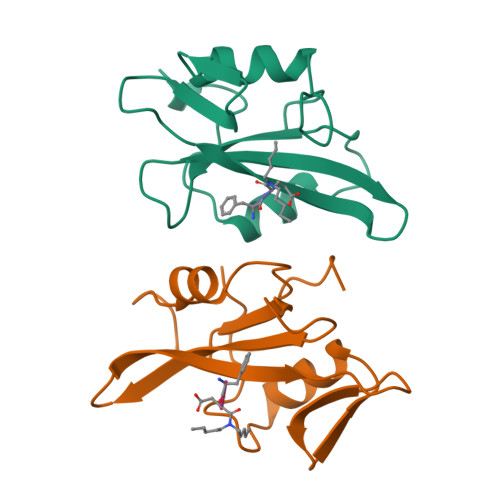 Click to view 3D structure | Proto-oncogene tyrosine-protein kinase Src | P12931 | Humans | Predicted (SEA) | - Prediction Confidence Score
- 0.243
- Applicability Domain
- 0.288 Low confidence
- Statistical Significance
- 0.4392
- Supporting Reference Compounds
- 1158
- E-value
- 3419.22
|

