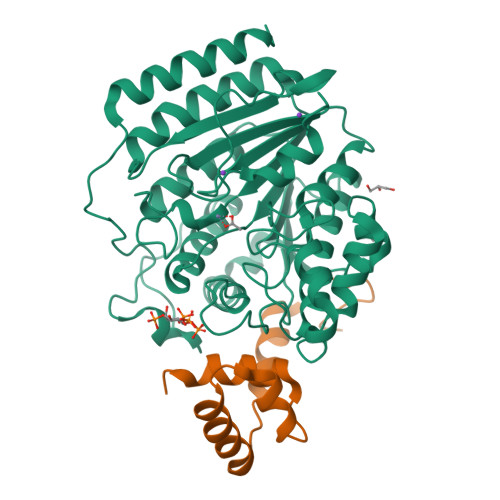
Bis(2,5-dioxopyrrolidin-1-yl) octanedioate (CED0044098)

Record Information
Version1.0
Creation Date2026-08-19 16:39:30 UTC
Update Date2026-08-19 16:39:30 UTC
SynCED IDCED0044098
Secondary Accession Numbers
  • CHEM189509
Identification
Common NameBis(2,5-dioxopyrrolidin-1-yl) octanedioate
ClassSmall Molecule
Description
Bis(2,5-dioxopyrrolidin-1-yl) octanedioate is an organic compound with the formula C16H20N2O8 and an average molecular weight of 368.34 g/mol. Bis(2,5-dioxopyrrolidin-1-yl) octanedioate belongs to the dicarboxylic acids and derivatives, a subclass of carboxylic acids and derivatives within the organic compounds. The compound is identified as being found in or released from seven recorded sources. Within the category of electrical and electronic equipment, it is associated with antennas, colour television systems, magnets, radio transmission systems, and superconducting magnets and superconducting coils, among one other source. Additionally, it is found in sources related to food, food processing, and cookware, specifically in the processing of meats.
Contaminant TypeNot Available
Chemical Structure
SynonymsNot Available
Chemical FormulaC16H20N2O8
Average Molecular Mass368.340 g/mol
Monoisotopic Mass368.122 g/mol
CAS Registry Number68528-80-3
IUPAC NameNot Available
Traditional NameNot Available
SMILESNot Available
InChI IdentifierInChI=1S/C16H20N2O8/c19-11-7-8-12(20)17(11)25-15(23)5-3-1-2-4-6-16(24)26-18-13(21)9-10-14(18)22/h1-10H2
InChI KeyZWIBGKZDAWNIFC-UHFFFAOYSA-N
Chemical Taxonomy
ClassificationNot classified
Biological Properties
StatusDetected and Not Quantified
OriginNot Available
Cellular LocationsNot Available
Biofluid LocationsNot Available
Tissue LocationsNot Available
ApplicationsNot Available
Biological RolesNot Available
Chemical RolesNot Available
Organoleptic EffectsNot Available
Physical Properties
StateNot Available
AppearanceNot Available
Experimental Properties
PropertyValue
Melting PointNot Available
Boiling PointNot Available
SolubilityNot Available
Predicted PropertiesNot Available
Spectra
Spectra
Spectrum TypeDescriptionSplash KeyDeposition DateView
Predicted GC-MSPredicted GC-MS Spectrumsplash10-004l-9850000000-2f174968bb32d20373c5Not AvailableView Spectrum
Predicted GC-MSPredicted GC-MS SpectrumNot AvailableNot AvailableView Spectrum
Predicted LC-MS/MSPredicted LC-MS/MS Spectrumsplash10-0gb9-0059000000-29891bddf5f44d84630cNot AvailableView Spectrum
Predicted LC-MS/MSPredicted LC-MS/MS Spectrumsplash10-05fr-0951000000-a70c245d13fb2b4b1b87Not AvailableView Spectrum
Predicted LC-MS/MSPredicted LC-MS/MS Spectrumsplash10-0gx0-8980000000-d8c9254402b8fa8e0e2bNot AvailableView Spectrum
Predicted LC-MS/MSPredicted LC-MS/MS Spectrumsplash10-00kb-1229000000-43625b6e19f7500cf41bNot AvailableView Spectrum
Predicted LC-MS/MSPredicted LC-MS/MS Spectrumsplash10-000t-9622000000-f88b7c5b5b8933ac6763Not AvailableView Spectrum
Predicted LC-MS/MSPredicted LC-MS/MS Spectrumsplash10-0002-9701000000-3140fbb5fd17e3afef6aNot AvailableView Spectrum
Toxicity Profile
Toxicity ValuesNot Available
Toxicity / Toxin ClassNot Available
Mechanism of ToxicityNot Available
Carcinogenicity (IARC Classification)Not Available
Minimum Risk LevelNot Available
SymptomsNot Available
TreatmentNot Available
Health Effects
Health EffectRelationshipDirectionReference
Exposure Sources
Source IDSourceSectorReference
CEDs000506Antennas?Antennas, commonly used in communication technologies, can be a source of synthetic chemical contamination through the materials and coatings used in their construction.Electrical & Electronic EquipmentNot Available
CEDs000509Colour Television Systems?Colour television systems contain various synthetic chemicals that can lead to environmental contamination.Electrical & Electronic EquipmentNot Available
CEDs000511Conductors Or Conductive Bodies Characterised By The Conductive Materials?Conductors, or conductive bodies, are materials that allow the flow of electrical current, typically made from metals such as copper, aluminum, or silver.Electrical & Electronic EquipmentNot Available
CEDs000519Electrodes?Electrodes, used in various electrical and electronic applications, can be a source of synthetic chemical contamination due to the materials from which they are constructed and the processes involved in their manufacturing.Electrical & Electronic EquipmentNot Available
CEDs000524Hybrid Capacitors?Hybrid capacitors are energy storage devices that combine the properties of electrolytic and supercapacitors, utilizing a combination of electrochemical principles to achieve higher energy density and power density.Electrical & Electronic EquipmentNot Available
CEDs000527Magnets?Magnets, commonly used in various electrical and electronic applications, can be a source of synthetic chemical contamination due to the materials used in their production.Electrical & Electronic EquipmentNot Available
CEDs000530Radio Transmission Systems?Radio transmission systems utilize a variety of synthetic chemicals in their manufacturing and maintenance processes.Electrical & Electronic EquipmentNot Available
CEDs000535Superconducting Magnets And Superconducting Coils?Superconducting magnets and coils are utilized in various applications that require strong magnetic fields, such as magnetic resonance imaging (MRI) and particle accelerators.Electrical & Electronic EquipmentNot Available
CEDs000537Television Systems?Television systems can be a source of synthetic chemical contamination due to the various materials and components used in their manufacture and operation.Electrical & Electronic EquipmentNot Available
CEDs000545Food Preservation?Food preservation often involves the use of synthetic chemicals, such as preservatives, flavor enhancers, and color additives, to extend shelf life and enhance the sensory qualities of food products.Food, food processing & cookwareNot Available
CEDs000552Processing Meats?Processing meats can lead to synthetic chemical contamination primarily through the use of additives and preservatives.Food, food processing & cookwareNot Available
CEDs000556Cigar Cigarettes?Cigar cigarettes are a source of synthetic chemical contamination due to the combustion of various tobacco blends and additives.Household cleaning & consumer productsNot Available
CEDs000569Tobacco Smoke Filters?Tobacco smoke filters are designed to reduce the inhalation of harmful substances in cigarette smoke, including tar and other particulate matter.Household cleaning & consumer productsNot Available
CEDs000592Marine Propulsion Or Steering?Marine propulsion and steering systems often rely on various synthetic chemicals, including lubricants, fuels, and hydraulic fluids.Marine, shipping & aquacultureNot Available
CEDs000600Herbicides And Algicides?Herbicides and algicides are synthetic chemicals primarily used to control unwanted plants and algae in various environments.Agriculture & land managementNot Available
CEDs000603Nematocides?Nematocides are synthetic chemicals specifically designed to control nematodes, which are microscopic roundworms that can cause significant damage to crops and plants.Agriculture & land managementNot Available
CEDs000606Plant Growth Regulators?Plant Growth Regulators (PGRs) are synthetic chemicals designed to influence the growth and development of plants.Agriculture & land managementNot Available
CEDs000615Eye Makeup Products?Eye makeup products, including mascaras, eyeliners, and eyeshadows, often contain a variety of synthetic chemicals such as pigments, preservatives, and film-forming agents.Personal care & cosmeticsNot Available
CEDs000632Apparel?Apparel production often involves the use of various synthetic chemicals, including dyes, finishing agents, and preservatives.Textiles, leather & furnishingsNot Available
CEDs000643Headwear?Headwear made from synthetic materials often incorporates chemicals used in the manufacturing and finishing processes, such as dyes, flame retardants, and water repellents.Textiles, leather & furnishingsNot Available
CEDs000678Nitrogenous Fertilisers?Nitrogenous fertilizers are synthetic chemical compounds primarily used to enhance plant growth by supplying essential nitrogen, a crucial nutrient for photosynthesis and protein synthesis.Agriculture & land managementNot Available
CEDs000684Cements?Cements are a composite material primarily used as a binding agent in construction applications, formed by the calcination of limestone and clay minerals at high temperatures.Building & ConstructionNot Available
CEDs000685Ceramics?Ceramics can be a source of synthetic chemical contamination through various additives and processing agents used in their production.Building & ConstructionNot Available
CEDs000693Silica Glass?Silica glass, primarily composed of silicon dioxide (SiO2), is widely used in various applications, including windows, glass facades, and insulation materials.Building & ConstructionNot Available
CEDs000696Nanotechnology?Nanotechnology involves the manipulation of materials at the molecular or atomic level, typically within the range of 1 to 100 nanometers.Industrial manufacturing & chemical processingNot Available
CEDs000699Mining Or Quarrying?Mining and quarrying operations can lead to synthetic chemical contamination through the release of various pollutants associated with the extraction and processing of minerals.Mining & metal processingNot Available
CEDs000739Inks?Inks are complex mixtures composed of pigments or dyes, solvents, resins, and additives used primarily for printing and writing applications.Paper, pulp & fiber productsNot Available
CEDs000740Paper?Paper production involves the processing of wood fibers and the use of various chemicals, which can lead to synthetic chemical contamination.Paper, pulp & fiber productsNot Available
CEDs000743Sludge Treatment?Sludge treatment involves the processing of waste materials generated from wastewater treatment plants, which often contain a variety of organic and inorganic substances.Wastewater, sanitation & biosolidsNot Available
CEDs000744Water, Wastewater, & Sewage Treatment?Water, wastewater, and sewage treatment processes are critical for managing and mitigating pollutants in water systems.Wastewater, sanitation & biosolidsNot Available
Pathways
0 pathwaysPathway Source: PathBank

No pathways found

No metabolic pathways have been associated with this synthetic chemical

Targets
StructureProteinUniProt IDOrganismRelationshipDetails
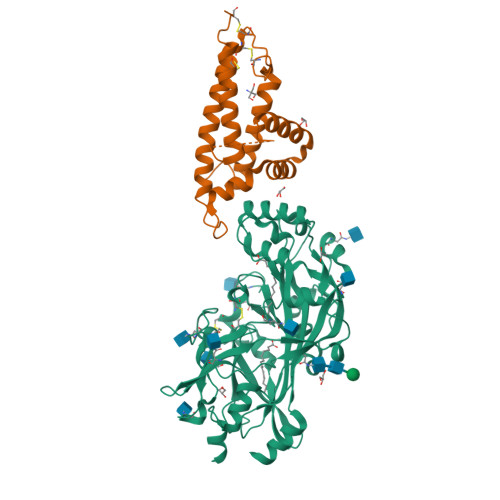
Platelet glycoprotein 4 structureClick to view 3D structurePlatelet glycoprotein 4P16671HumansPredicted (SEA)
Prediction Confidence Score
0.408
Applicability Domain
0.408
Statistical Significance
1.00e-05
Supporting Reference Compounds
1
E-value
0.0778492
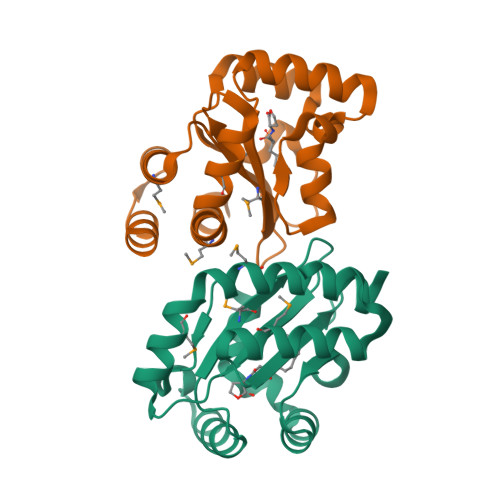
Click to view 3D structureCytochrome P450 2C23P24470Rattus norvegicusPredicted (SEA)
Prediction Confidence Score
0.282
Applicability Domain
0.282 Low confidence
Statistical Significance
2.40e-04
Supporting Reference Compounds
1
E-value
1.86838
DNA-directed DNA/RNA polymerase mu structureClick to view 3D structureDNA-directed DNA/RNA polymerase muQ9NP87HumansPredicted (SEA)
Prediction Confidence Score
0.265
Applicability Domain
0.265 Low confidence
Statistical Significance
0.0017
Supporting Reference Compounds
1
E-value
13.5458
Click to view 3D structureDNA nucleotidylexotransferaseP06526Bos taurusPredicted (SEA)
Prediction Confidence Score
0.265
Applicability Domain
0.265 Low confidence
Statistical Significance
0.0017
Supporting Reference Compounds
1
E-value
13.5458
DNA polymerase iota structureClick to view 3D structureDNA polymerase iotaQ6R3M4Mus musculusPredicted (SEA)
Prediction Confidence Score
0.251
Applicability Domain
0.265 Low confidence
Statistical Significance
0.0024
Supporting Reference Compounds
2
E-value
19.0731
Protein kinase C alpha type structureClick to view 3D structureProtein kinase C alpha typeP17252HumansPredicted (SEA)
Prediction Confidence Score
0.247
Applicability Domain
0.319
Statistical Significance
0.1067
Supporting Reference Compounds
258
E-value
830.729
Transcriptional activator protein LasR structureClick to view 3D structureTranscriptional activator protein LasRP25084Pseudomonas aeruginosa (strain ATCC 15692 / PAO1 / 1C / PRS 101 / LMG 12228)Predicted (SEA)
Prediction Confidence Score
0.243
Applicability Domain
0.261 Low confidence
Statistical Significance
0.0019
Supporting Reference Compounds
12
E-value
15.1027
Click to view 3D structureHistone deacetylase 11Q96DB2HumansPredicted (SEA)
Prediction Confidence Score
0.242
Applicability Domain
0.261 Low confidence
Statistical Significance
0.1137
Supporting Reference Compounds
149
E-value
885.535
Click to view 3D structureAcidic phospholipase A2 CM-IP00602Naja mossambicaPredicted (SEA)
Prediction Confidence Score
0.24
Applicability Domain
0.24 Low confidence
Statistical Significance
0.0086
Supporting Reference Compounds
1
E-value
66.7946
Click to view 3D structureMitochondrial carnitine/acylcarnitine carrier proteinO43772HumansPredicted (SEA)
Prediction Confidence Score
0.234
Applicability Domain
0.234 Low confidence
Statistical Significance
0.0013
Supporting Reference Compounds
1
E-value
10.1982
Tyrosine-protein phosphatase non-receptor type 1 structureClick to view 3D structureTyrosine-protein phosphatase non-receptor type 1P18031HumansPredicted (SEA)
Prediction Confidence Score
0.231
Applicability Domain
0.242 Low confidence
Statistical Significance
0.1075
Supporting Reference Compounds
197
E-value
836.957
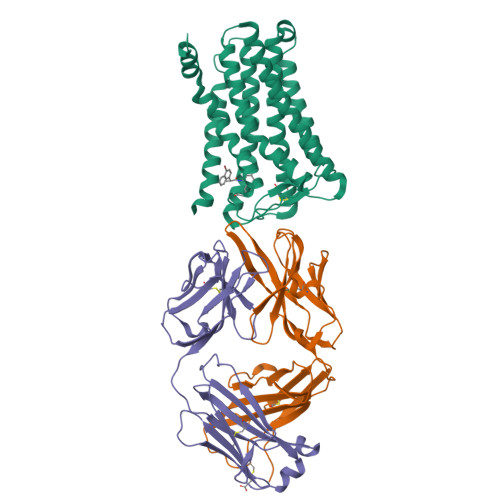
Prostaglandin E2 receptor EP4 subtype structureClick to view 3D structureProstaglandin E2 receptor EP4 subtypeP35408HumansPredicted (SEA)
Prediction Confidence Score
0.231
Applicability Domain
0.264 Low confidence
Statistical Significance
0.0851
Supporting Reference Compounds
92
E-value
662.808
Histone deacetylase 1 structureClick to view 3D structureHistone deacetylase 1Q13547HumansPredicted (SEA)
Prediction Confidence Score
0.231
Applicability Domain
0.261 Low confidence
Statistical Significance
0.407
Supporting Reference Compounds
497
E-value
3168.54
Click to view 3D structureAcid ceramidaseQ6P7S1Rattus norvegicusPredicted (SEA)
Prediction Confidence Score
0.228
Applicability Domain
0.277 Low confidence
Statistical Significance
0.0053
Supporting Reference Compounds
10
E-value
41.1822
Peroxisome proliferator-activated receptor alpha structureClick to view 3D structurePeroxisome proliferator-activated receptor alphaQ07869HumansPredicted (SEA)
Prediction Confidence Score
0.228
Applicability Domain
0.242 Low confidence
Statistical Significance
0.1699
Supporting Reference Compounds
127
E-value
1322.42
G-protein coupled receptor 84 structureClick to view 3D structureG-protein coupled receptor 84Q9NQS5HumansPredicted (SEA)
Prediction Confidence Score
0.227
Applicability Domain
0.242 Low confidence
Statistical Significance
0.0055
Supporting Reference Compounds
15
E-value
42.5057
Prostaglandin E2 receptor EP2 subtype structureClick to view 3D structureProstaglandin E2 receptor EP2 subtypeP43116HumansPredicted (SEA)
Prediction Confidence Score
0.224
Applicability Domain
0.264 Low confidence
Statistical Significance
0.1115
Supporting Reference Compounds
95
E-value
868.252
N-acylethanolamine-hydrolyzing acid amidase structureClick to view 3D structureN-acylethanolamine-hydrolyzing acid amidaseQ02083HumansPredicted (SEA)
Prediction Confidence Score
0.223
Applicability Domain
0.277 Low confidence
Statistical Significance
0.0058
Supporting Reference Compounds
15
E-value
45.3861
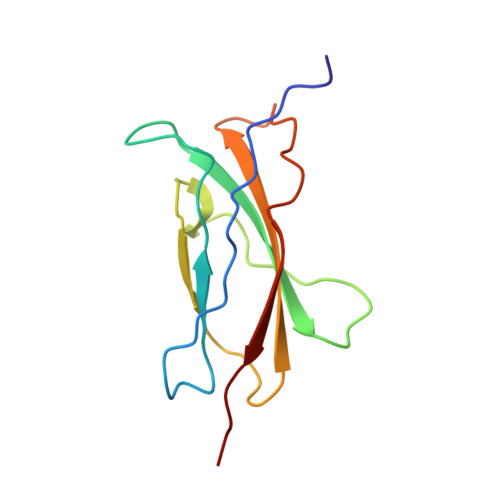
Interleukin-6 receptor subunit beta structureClick to view 3D structureInterleukin-6 receptor subunit betaP40189HumansPredicted (SEA)
Prediction Confidence Score
0.223
Applicability Domain
0.232 Low confidence
Statistical Significance
0.0013
Supporting Reference Compounds
2
E-value
10.4318
Fatty-acid amide hydrolase 1 structureClick to view 3D structureFatty-acid amide hydrolase 1P97612Rattus norvegicusPredicted (SEA)
Prediction Confidence Score
0.223
Applicability Domain
0.262 Low confidence
Statistical Significance
0.1477
Supporting Reference Compounds
102
E-value
1149.68
Autotaxin structureClick to view 3D structureAutotaxinQ13822HumansPredicted (SEA)
Prediction Confidence Score
0.223
Applicability Domain
0.229 Low confidence
Statistical Significance
0.0203
Supporting Reference Compounds
40
E-value
158.267
Click to view 3D structureLysophosphatidic acid receptor 3Q9UBY5HumansPredicted (SEA)
Prediction Confidence Score
0.223
Applicability Domain
0.229 Low confidence
Statistical Significance
0.0136
Supporting Reference Compounds
21
E-value
105.641
Histone deacetylase 2 structureClick to view 3D structureHistone deacetylase 2Q92769HumansPredicted (SEA)
Prediction Confidence Score
0.221
Applicability Domain
0.258 Low confidence
Statistical Significance
0.384
Supporting Reference Compounds
307
E-value
2989.18
Histone deacetylase 3 structureClick to view 3D structureHistone deacetylase 3O15379HumansPredicted (SEA)
Prediction Confidence Score
0.221
Applicability Domain
0.258 Low confidence
Statistical Significance
0.3401
Supporting Reference Compounds
257
E-value
2647.65
Lysophosphatidic acid receptor 1 structureClick to view 3D structureLysophosphatidic acid receptor 1Q92633HumansPredicted (SEA)
Prediction Confidence Score
0.22
Applicability Domain
0.229 Low confidence
Statistical Significance
0.0195
Supporting Reference Compounds
31
E-value
151.65
Concentrations
Not Available
External Links
IdentifiersNot Available
References
Synthesis ReferenceNot Available
MSDSNot Available
General ReferencesNot Available