Dioctoxy(oxo)phosphanium (CED0165935)

Record Information
Version1.0
Creation Date2026-08-19 17:55:50 UTC
Update Date2026-08-19 17:55:50 UTC
SynCED IDCED0165935
Secondary Accession Numbers
  • CHEM190908
Identification
Common NameDioctoxy(oxo)phosphanium
ClassSmall Molecule
Description
Dioctoxy(oxo)phosphanium is an organic compound with the formula C16H34O3P+ and an average molecular weight of 305.41 g/mol. Dioctoxy(oxo)phosphanium belongs to the organooxygen compounds, a class of organic oxygen compounds within the organic compounds. This substance has been identified in or released from two recorded sources, specifically antennas and thin magnetic films associated with electrical and electronic equipment.
Contaminant TypeNot Available
Chemical Structure
SynonymsNot Available
Chemical FormulaC16H34O3P+
Average Molecular Mass305.410 g/mol
Monoisotopic Mass305.225 g/mol
CAS Registry Number1809-14-9
IUPAC NameNot Available
Traditional NameNot Available
SMILESNot Available
InChI IdentifierInChI=1S/C16H34O3P/c1-3-5-7-9-11-13-15-18-20(17)19-16-14-12-10-8-6-4-2/h3-16H2,1-2H3/q+1
InChI KeyPLSFNSJUKGEOSL-UHFFFAOYSA-N
Chemical Taxonomy
ClassificationNot classified
Biological Properties
StatusDetected and Not Quantified
OriginNot Available
Cellular LocationsNot Available
Biofluid LocationsNot Available
Tissue LocationsNot Available
ApplicationsNot Available
Biological RolesNot Available
Chemical RolesNot Available
Organoleptic EffectsNot Available
Physical Properties
StateNot Available
AppearanceNot Available
Experimental Properties
PropertyValue
Melting PointNot Available
Boiling PointNot Available
SolubilityNot Available
Predicted PropertiesNot Available
Spectra
SpectraNot Available
Toxicity Profile
Toxicity Values
Toxicity ValueOrganismDose DescriptorRoute of ExposurePredicted or ExperimentalToxicity RatingReference
5307.0 Log mg/kg [3000:9400]RatLD50oralpredictedNot AvailableNot Available
Toxicity / Toxin ClassNot Available
Mechanism of ToxicityNot Available
Carcinogenicity (IARC Classification)Not Available
Minimum Risk LevelNot Available
SymptomsNot Available
TreatmentNot Available
Health Effects
Health EffectRelationshipDirectionDescriptionReference
Exposure Sources
Source IDSourceSectorReference
CEDs000506Antennas?Antennas, commonly used in communication technologies, can be a source of synthetic chemical contamination through the materials and coatings used in their construction.Electrical & Electronic EquipmentPubChem
CEDs000511Conductors Or Conductive Bodies Characterised By The Conductive Materials?Conductors, or conductive bodies, are materials that allow the flow of electrical current, typically made from metals such as copper, aluminum, or silver.Electrical & Electronic EquipmentPubChem
CEDs000519Electrodes?Electrodes, used in various electrical and electronic applications, can be a source of synthetic chemical contamination due to the materials from which they are constructed and the processes involved in their manufacturing.Electrical & Electronic EquipmentPubChem
CEDs000521Fixed Capacitors And Their Manufacture?Fixed capacitors are passive electronic components used to store and release electrical energy, playing a critical role in various circuits.Electrical & Electronic EquipmentPubChem
CEDs000524Hybrid Capacitors?Hybrid capacitors are energy storage devices that combine the properties of electrolytic and supercapacitors, utilizing a combination of electrochemical principles to achieve higher energy density and power density.Electrical & Electronic EquipmentPubChem
CEDs000538Thin Magnetic Films?Thin magnetic films are layers of magnetic material ranging from a few nanometers to several micrometers in thickness, commonly used in applications such as magnetic sensors, data storage devices, and electronic components.Electrical & Electronic EquipmentPubChem
CEDs000555Bleaching Agents?Bleaching agents are chemical substances used to whiten or lighten materials, often employed in various cleaning products for their stain removal and disinfecting properties.Household cleaning & consumer productsPubChem
CEDs000563Soap Detergents?Soap detergents are synthetic surfactants designed to enhance the cleaning efficacy of water by reducing surface tension, allowing for better interaction with dirt and grease.Household cleaning & consumer productsPubChem
CEDs000615Eye Makeup Products?Eye makeup products, including mascaras, eyeliners, and eyeshadows, often contain a variety of synthetic chemicals such as pigments, preservatives, and film-forming agents.Personal care & cosmeticsPubChem
CEDs000630Toys?Toys, particularly those made from synthetic materials such as plastics, can be a source of chemical contamination due to the presence of various additives and compounds used in their production.Recreation & sports surfacesPubChem
CEDs000679Phosphatic Fertilisers?Phosphatic fertilizers are synthetic chemical products primarily composed of phosphorus, which is essential for plant growth.Agriculture & land managementPubChem
CEDs000684Cements?Cements are a composite material primarily used as a binding agent in construction applications, formed by the calcination of limestone and clay minerals at high temperatures.Building & ConstructionPubChem
CEDs000685Ceramics?Ceramics can be a source of synthetic chemical contamination through various additives and processing agents used in their production.Building & ConstructionPubChem
CEDs000688Glass Coatings?Glass coatings are synthetic chemical formulations applied to glass surfaces to enhance properties such as durability, UV resistance, and aesthetic appeal.Building & ConstructionPubChem
CEDs000696Nanotechnology?Nanotechnology involves the manipulation of materials at the molecular or atomic level, typically within the range of 1 to 100 nanometers.Industrial manufacturing & chemical processingPubChem
CEDs000727Printing Machines Or Presses?Printing machines or presses commonly utilize synthetic chemicals such as inks, solvents, and cleaning agents.Paper, pulp & fiber productsPubChem
CEDs000734Coating Compositions?Coating compositions, which include paints, sealants, and varnishes, are formulated with a variety of synthetic chemicals such as solvents, resins, pigments, and additives.Building & ConstructionPubChem
CEDs000735Explosives?Explosives are chemical compounds or mixtures designed to undergo rapid decomposition, releasing energy in the form of gas and heat.Defense & military infrastructurePubChem
CEDs000738Cooling Circuit Water?Cooling circuit water is utilized in various industrial processes to absorb and dissipate heat generated during operations.Industrial manufacturing & chemical processingPubChem
CEDs000739Inks?Inks are complex mixtures composed of pigments or dyes, solvents, resins, and additives used primarily for printing and writing applications.Paper, pulp & fiber productsPubChem
CEDs000740Paper?Paper production involves the processing of wood fibers and the use of various chemicals, which can lead to synthetic chemical contamination.Paper, pulp & fiber productsPubChem
CEDs000741Pigment Pastes?Pigment pastes are concentrated dispersions of pigments used to impart color and properties to materials.Paper, pulp & fiber productsPubChem
CEDs000742Leather Tanning?Leather tanning is a process that transforms raw animal hides into durable leather through the application of various chemicals, including chromium salts, aldehydes, and vegetable tannins.Textiles, leather & furnishingsPubChem
CEDs000743Sludge Treatment?Sludge treatment involves the processing of waste materials generated from wastewater treatment plants, which often contain a variety of organic and inorganic substances.Wastewater, sanitation & biosolidsPubChem
CEDs000744Water, Wastewater, & Sewage Treatment?Water, wastewater, and sewage treatment processes are critical for managing and mitigating pollutants in water systems.Wastewater, sanitation & biosolidsPubChem
Pathways
0 pathwaysPathway Source: PathBank

No pathways found

No metabolic pathways have been associated with this synthetic chemical

Targets
StructureProteinUniProt IDOrganismRelationshipDetails
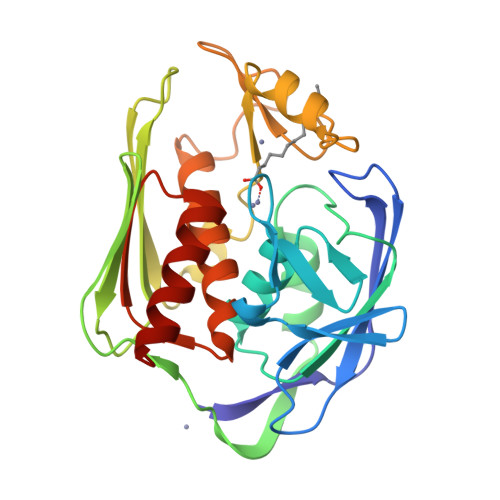
UDP-3-O-acyl-N-acetylglucosamine deacetylase structureClick to view 3D structureUDP-3-O-acyl-N-acetylglucosamine deacetylaseO67648Aquifex aeolicus (strain VF5)Predicted (SEA)
Prediction Confidence Score
0.343
Applicability Domain
0.343
Statistical Significance
0.0019
Supporting Reference Compounds
1
E-value
14.48
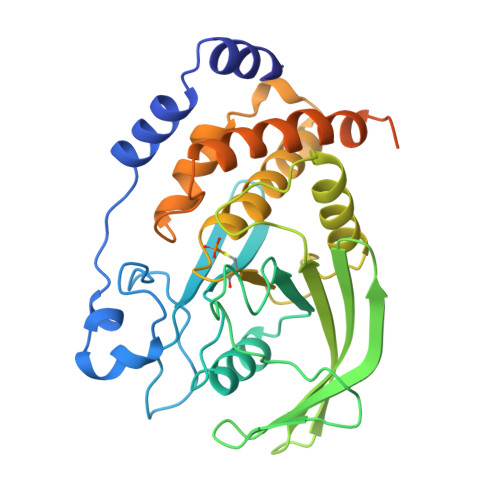
All-trans-retinol dehydrogenase [NAD(+)] ADH7 structureClick to view 3D structureAll-trans-retinol dehydrogenase [NAD(+)] ADH7P40394HumansPredicted (SEA)
Prediction Confidence Score
0.321
Applicability Domain
0.321
Statistical Significance
2.30e-04
Supporting Reference Compounds
1
E-value
1.79053
Click to view 3D structurePhospholipase BQ9P8P2Cryptococcus neoformansPredicted (SEA)
Prediction Confidence Score
0.32
Applicability Domain
0.32
Statistical Significance
5.00e-05
Supporting Reference Compounds
1
E-value
0.389246
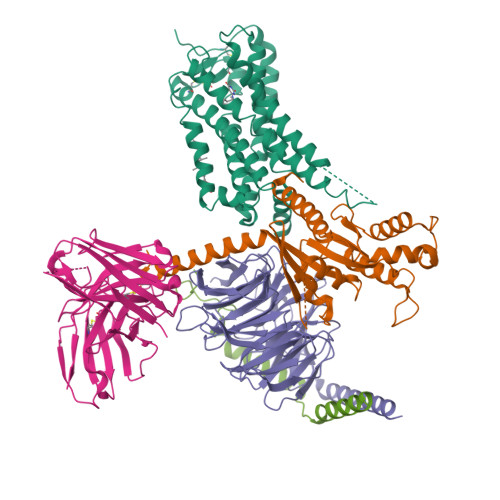
Peroxisome proliferator-activated receptor alpha structureClick to view 3D structurePeroxisome proliferator-activated receptor alphaQ07869HumansPredicted (SEA)
Prediction Confidence Score
0.313
Applicability Domain
0.333
Statistical Significance
0.0101
Supporting Reference Compounds
127
E-value
78.9391
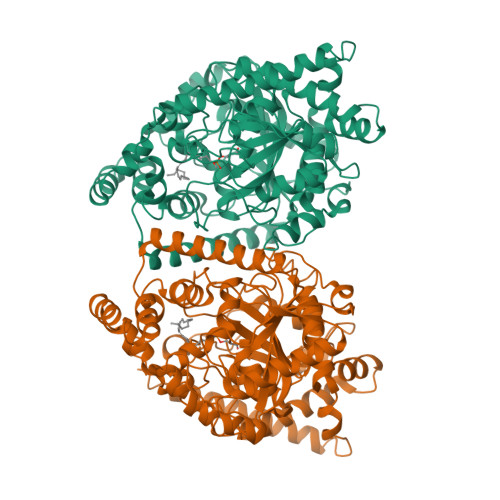
Acylcarnitine hydrolase structureClick to view 3D structureAcylcarnitine hydrolaseQ91WG0Mus musculusPredicted (SEA)
Prediction Confidence Score
0.313
Applicability Domain
0.375
Statistical Significance
1.50e-04
Supporting Reference Compounds
2
E-value
1.16774
Tyrosine-protein phosphatase non-receptor type 1 structureClick to view 3D structureTyrosine-protein phosphatase non-receptor type 1P18031HumansPredicted (SEA)
Prediction Confidence Score
0.309
Applicability Domain
0.333
Statistical Significance
0.0081
Supporting Reference Compounds
197
E-value
62.8243
Click to view 3D structureCocaine esteraseO00748HumansPredicted (SEA)
Prediction Confidence Score
0.3
Applicability Domain
0.375
Statistical Significance
8.30e-04
Supporting Reference Compounds
40
E-value
6.46149
Peroxisome proliferator-activated receptor delta structureClick to view 3D structurePeroxisome proliferator-activated receptor deltaQ03181HumansPredicted (SEA)
Prediction Confidence Score
0.299
Applicability Domain
0.333
Statistical Significance
0.0099
Supporting Reference Compounds
89
E-value
77.1486
Transient receptor potential cation channel subfamily V member 2 structureClick to view 3D structureTransient receptor potential cation channel subfamily V member 2Q9WUD2Rattus norvegicusPredicted (SEA)
Prediction Confidence Score
0.295
Applicability Domain
0.333
Statistical Significance
0.0025
Supporting Reference Compounds
21
E-value
19.1509
G-protein coupled receptor 84 structureClick to view 3D structureG-protein coupled receptor 84Q9NQS5HumansPredicted (SEA)
Prediction Confidence Score
0.292
Applicability Domain
0.333
Statistical Significance
0.0012
Supporting Reference Compounds
15
E-value
9.03051
Liver carboxylesterase structureClick to view 3D structureLiver carboxylesteraseQ29550Sus scrofaPredicted (SEA)
Prediction Confidence Score
0.292
Applicability Domain
0.375
Statistical Significance
4.70e-04
Supporting Reference Compounds
20
E-value
3.65891
Click to view 3D structureCG8425-PA [Drosophila melanogaster]A1ZA98Drosophila melanogasterPredicted (SEA)
Prediction Confidence Score
0.291
Applicability Domain
0.375
Statistical Significance
3.30e-04
Supporting Reference Compounds
4
E-value
2.56902
Click to view 3D structureFatty-acid amide hydrolase 1O00519HumansPredicted (SEA)
Prediction Confidence Score
0.289
Applicability Domain
0.321
Statistical Significance
0.0204
Supporting Reference Compounds
106
E-value
158.501
Click to view 3D structureCannabinoid receptor 1P20272Rattus norvegicusPredicted (SEA)
Prediction Confidence Score
0.289
Applicability Domain
0.321
Statistical Significance
0.0078
Supporting Reference Compounds
83
E-value
61.0338
Lysophosphatidic acid receptor 2 structureClick to view 3D structureLysophosphatidic acid receptor 2Q9HBW0HumansPredicted (SEA)
Prediction Confidence Score
0.287
Applicability Domain
0.379
Statistical Significance
0.0015
Supporting Reference Compounds
30
E-value
11.5217
Click to view 3D structureLysophosphatidic acid receptor 3Q9UBY5HumansPredicted (SEA)
Prediction Confidence Score
0.287
Applicability Domain
0.379
Statistical Significance
0.0018
Supporting Reference Compounds
21
E-value
13.7793
Click to view 3D structurePutative inactive group IIC secretory phospholipase A2Q5R387HumansPredicted (SEA)
Prediction Confidence Score
0.286
Applicability Domain
0.286 Low confidence
Statistical Significance
6.20e-04
Supporting Reference Compounds
1
E-value
4.82665
Click to view 3D structureFatty-acid amide hydrolase 1O08914Mus musculusPredicted (SEA)
Prediction Confidence Score
0.285
Applicability Domain
0.321
Statistical Significance
0.0076
Supporting Reference Compounds
46
E-value
58.854
Fatty-acid amide hydrolase 1 structureClick to view 3D structureFatty-acid amide hydrolase 1P97612Rattus norvegicusPredicted (SEA)
Prediction Confidence Score
0.282
Applicability Domain
0.321
Statistical Significance
0.0155
Supporting Reference Compounds
102
E-value
120.744
Click to view 3D structureCAI-1 autoinducer sensor kinase/phosphatase CqsSQ9KM66Vibrio cholerae serotype O1 (strain ATCC 39315 / El Tor Inaba N16961)Predicted (SEA)
Prediction Confidence Score
0.281
Applicability Domain
0.281 Low confidence
Statistical Significance
7.50e-04
Supporting Reference Compounds
1
E-value
5.83869
Geranylgeranyl pyrophosphate synthase structureClick to view 3D structureGeranylgeranyl pyrophosphate synthaseO95749HumansPredicted (SEA)
Prediction Confidence Score
0.28
Applicability Domain
0.281 Low confidence
Statistical Significance
6.60e-04
Supporting Reference Compounds
15
E-value
5.13805
Click to view 3D structureFarnesyl pyrophosphate synthaseQ0GKD7Leishmania donovaniPredicted (SEA)
Prediction Confidence Score
0.28
Applicability Domain
0.281 Low confidence
Statistical Significance
6.20e-04
Supporting Reference Compounds
14
E-value
4.82665
Peroxisome proliferator-activated receptor gamma structureClick to view 3D structurePeroxisome proliferator-activated receptor gammaP37231HumansPredicted (SEA)
Prediction Confidence Score
0.276
Applicability Domain
0.333
Statistical Significance
0.0382
Supporting Reference Compounds
192
E-value
297.54
Farnesyl pyrophosphate synthase structureClick to view 3D structureFarnesyl pyrophosphate synthaseP14324HumansPredicted (SEA)
Prediction Confidence Score
0.273
Applicability Domain
0.281 Low confidence
Statistical Significance
8.90e-04
Supporting Reference Compounds
22
E-value
6.92858
Liver carboxylesterase 1 structureClick to view 3D structureLiver carboxylesterase 1P23141HumansPredicted (SEA)
Prediction Confidence Score
0.27
Applicability Domain
0.29 Low confidence
Statistical Significance
0.0065
Supporting Reference Compounds
55
E-value
50.3684
Concentrations
Not Available
External Links
IdentifiersNot Available
References
Synthesis ReferenceNot Available
MSDSNot Available
General ReferencesNot Available