 Click to view 3D structure | Acidic phospholipase A2 CM-I | P00602 | Naja mossambica | Predicted (SEA) | - Prediction Confidence Score
- 0.281
- Applicability Domain
- 0.281 Low confidence
- Statistical Significance
- 0.0029
- Supporting Reference Compounds
- 1
- E-value
- 22.5763
|
| Click to view 3D structure | Cholinesterase | P81908 | Equus caballus | Predicted (SEA) | - Prediction Confidence Score
- 0.257
- Applicability Domain
- 0.291 Low confidence
- Statistical Significance
- 0.0774
- Supporting Reference Compounds
- 201
- E-value
- 602.242
|
 Click to view 3D structure | Acetylcholinesterase | P22303 | Humans | Predicted (SEA) | - Prediction Confidence Score
- 0.251
- Applicability Domain
- 0.291 Low confidence
- Statistical Significance
- 0.163
- Supporting Reference Compounds
- 406
- E-value
- 1269.25
|
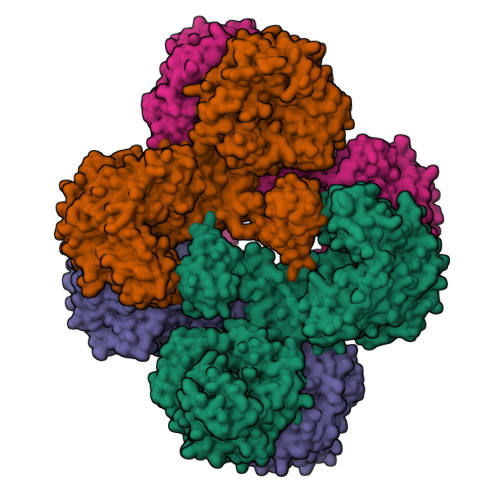 Click to view 3D structure | Pyruvate carboxylase | A0A0H3JRU9 | Staphylococcus aureus (strain Mu50 / ATCC 700699) | Predicted (SEA) | - Prediction Confidence Score
- 0.25
- Applicability Domain
- 0.25 Low confidence
- Statistical Significance
- 0.0026
- Supporting Reference Compounds
- 1
- E-value
- 20.0072
|
| Click to view 3D structure | Butyrylcholinesterase | Q9N1N9 | Equus caballus | Predicted (SEA) | - Prediction Confidence Score
- 0.249
- Applicability Domain
- 0.291 Low confidence
- Statistical Significance
- 0.0178
- Supporting Reference Compounds
- 44
- E-value
- 138.961
|
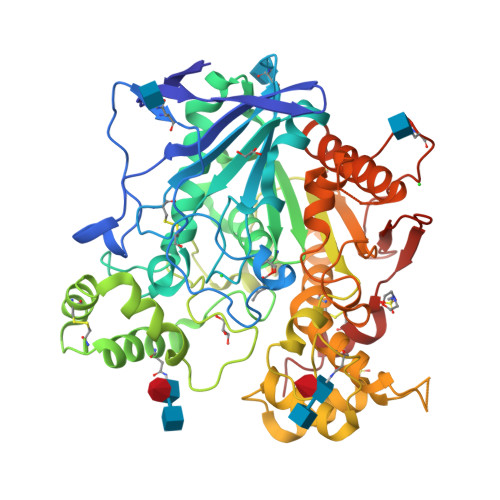 Click to view 3D structure | Cholinesterase | P06276 | Humans | Predicted (SEA) | - Prediction Confidence Score
- 0.247
- Applicability Domain
- 0.291 Low confidence
- Statistical Significance
- 0.1146
- Supporting Reference Compounds
- 234
- E-value
- 891.841
|
 Click to view 3D structure | Voltage-gated inwardly rectifying potassium channel KCNH2 | Q12809 | Humans | Predicted (SEA) | - Prediction Confidence Score
- 0.24
- Applicability Domain
- 0.275 Low confidence
- Statistical Significance
- 0.658
- Supporting Reference Compounds
- 1498
- E-value
- 5122.56
|
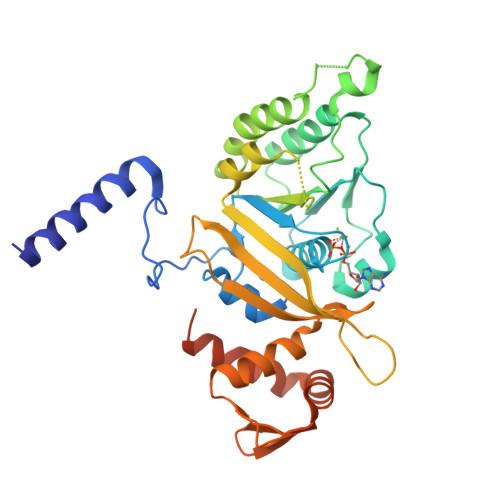 Click to view 3D structure | Protein RecA | P9WHJ3 | Mycobacterium tuberculosis | Predicted (SEA) | - Prediction Confidence Score
- 0.237
- Applicability Domain
- 0.273 Low confidence
- Statistical Significance
- 0.1684
- Supporting Reference Compounds
- 296
- E-value
- 1311.29
|
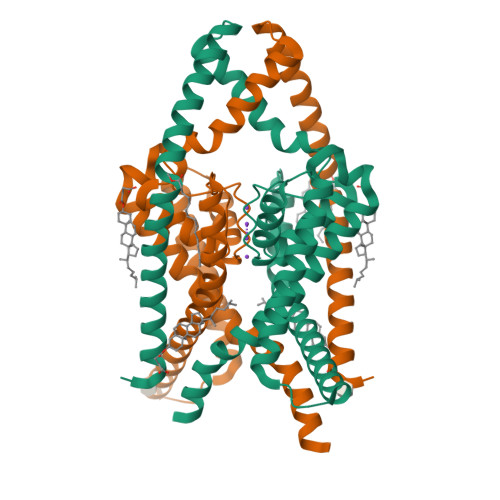 Click to view 3D structure | Potassium channel subfamily K member 3 | O14649 | Humans | Predicted (SEA) | - Prediction Confidence Score
- 0.236
- Applicability Domain
- 0.283 Low confidence
- Statistical Significance
- 0.0356
- Supporting Reference Compounds
- 15
- E-value
- 277.065
|
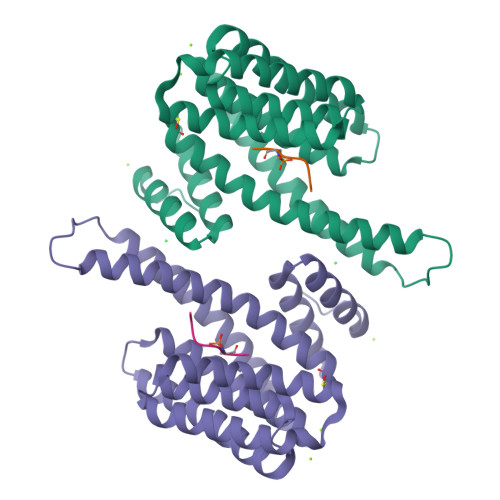 Click to view 3D structure | Potassium channel subfamily K member 9 | Q9NPC2 | Humans | Predicted (SEA) | - Prediction Confidence Score
- 0.236
- Applicability Domain
- 0.283 Low confidence
- Statistical Significance
- 0.0273
- Supporting Reference Compounds
- 10
- E-value
- 212.606
|
| Click to view 3D structure | Long-chain-fatty-acid--CoA ligase 1 | P41216 | Mus musculus | Predicted (SEA) | - Prediction Confidence Score
- 0.236
- Applicability Domain
- 0.236 Low confidence
- Statistical Significance
- 0.0112
- Supporting Reference Compounds
- 2
- E-value
- 87.4247
|
| Click to view 3D structure | Heat shock factor protein 1 | P38532 | Mus musculus | Predicted (SEA) | - Prediction Confidence Score
- 0.236
- Applicability Domain
- 0.273 Low confidence
- Statistical Significance
- 0.1256
- Supporting Reference Compounds
- 166
- E-value
- 977.63
|
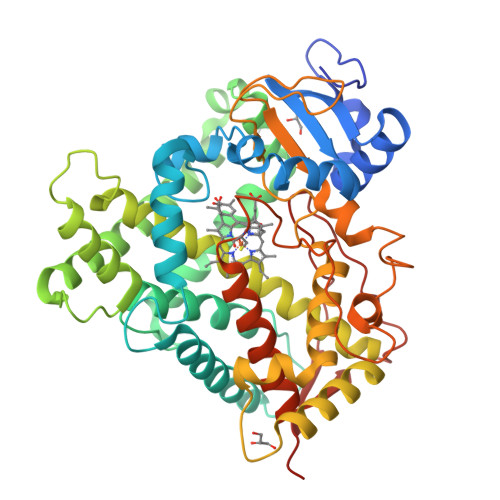 Click to view 3D structure | Cytochrome P450 2C19 | P33261 | Humans | Predicted (SEA) | - Prediction Confidence Score
- 0.235
- Applicability Domain
- 0.291 Low confidence
- Statistical Significance
- 0.5526
- Supporting Reference Compounds
- 825
- E-value
- 4302.1
|
| Click to view 3D structure | Amine oxidase [flavin-containing] B | P19643 | Rattus norvegicus | Predicted (SEA) | - Prediction Confidence Score
- 0.233
- Applicability Domain
- 0.258 Low confidence
- Statistical Significance
- 0.0631
- Supporting Reference Compounds
- 77
- E-value
- 491.306
|
 Click to view 3D structure | Amine oxidase [flavin-containing] A | P21396 | Rattus norvegicus | Predicted (SEA) | - Prediction Confidence Score
- 0.232
- Applicability Domain
- 0.258 Low confidence
- Statistical Significance
- 0.0493
- Supporting Reference Compounds
- 66
- E-value
- 384.03
|
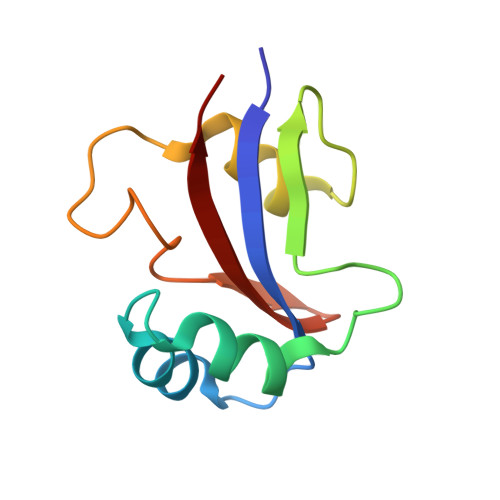 Click to view 3D structure | Peptidyl-prolyl cis-trans isomerase NIMA-interacting 4 | Q9Y237 | Humans | Predicted (SEA) | - Prediction Confidence Score
- 0.231
- Applicability Domain
- 0.231 Low confidence
- Statistical Significance
- 0.0034
- Supporting Reference Compounds
- 1
- E-value
- 26.7023
|
| Click to view 3D structure | Sodium-dependent serotonin transporter | P31652 | Rattus norvegicus | Predicted (SEA) | - Prediction Confidence Score
- 0.23
- Applicability Domain
- 0.291 Low confidence
- Statistical Significance
- 0.1835
- Supporting Reference Compounds
- 297
- E-value
- 1428.84
|
 Click to view 3D structure | Sodium-dependent serotonin transporter | P31645 | Humans | Predicted (SEA) | - Prediction Confidence Score
- 0.229
- Applicability Domain
- 0.291 Low confidence
- Statistical Significance
- 0.3816
- Supporting Reference Compounds
- 593
- E-value
- 2970.41
|
 Click to view 3D structure | 5-hydroxytryptamine receptor 2B | P41595 | Humans | Predicted (SEA) | - Prediction Confidence Score
- 0.228
- Applicability Domain
- 0.291 Low confidence
- Statistical Significance
- 0.4612
- Supporting Reference Compounds
- 686
- E-value
- 3590.17
|
 Click to view 3D structure | Prostaglandin G/H synthase 1 | P05979 | Ovis aries | Predicted (SEA) | - Prediction Confidence Score
- 0.228
- Applicability Domain
- 0.243 Low confidence
- Statistical Significance
- 0.1039
- Supporting Reference Compounds
- 106
- E-value
- 808.776
|
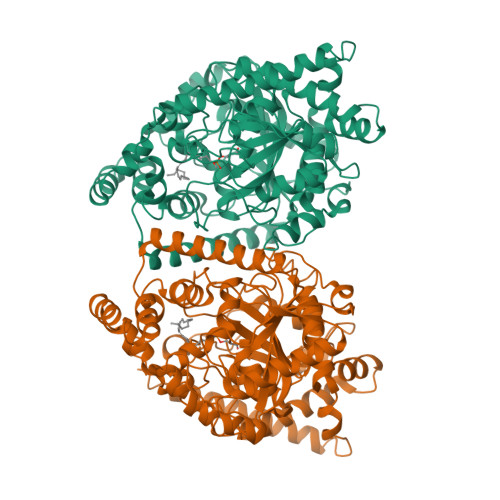 Click to view 3D structure | Fatty-acid amide hydrolase 1 | P97612 | Rattus norvegicus | Predicted (SEA) | - Prediction Confidence Score
- 0.227
- Applicability Domain
- 0.243 Low confidence
- Statistical Significance
- 0.1276
- Supporting Reference Compounds
- 102
- E-value
- 993.59
|
| Click to view 3D structure | Beta-1 adrenergic receptor | B0FL73 | Cavia porcellus | Predicted (SEA) | - Prediction Confidence Score
- 0.226
- Applicability Domain
- 0.302
- Statistical Significance
- 0.0162
- Supporting Reference Compounds
- 37
- E-value
- 126.427
|
| Click to view 3D structure | Beta-2 adrenergic receptor | Q8K4Z4 | Cavia porcellus | Predicted (SEA) | - Prediction Confidence Score
- 0.226
- Applicability Domain
- 0.302
- Statistical Significance
- 0.0192
- Supporting Reference Compounds
- 48
- E-value
- 149.626
|
 Click to view 3D structure | Tyrosine-protein kinase JAK2 | O60674 | Humans | Predicted (SEA) | - Prediction Confidence Score
- 0.226
- Applicability Domain
- 0.273 Low confidence
- Statistical Significance
- 0.6286
- Supporting Reference Compounds
- 1022
- E-value
- 4893.6
|
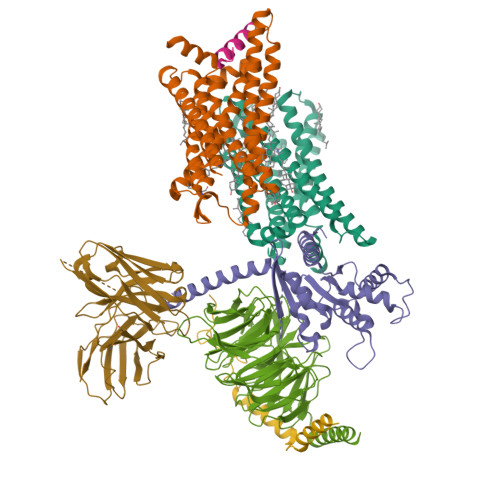 Click to view 3D structure | Mu-type opioid receptor | P35372 | Humans | Predicted (SEA) | - Prediction Confidence Score
- 0.225
- Applicability Domain
- 0.234 Low confidence
- Statistical Significance
- 0.4092
- Supporting Reference Compounds
- 527
- E-value
- 3185.36
|

