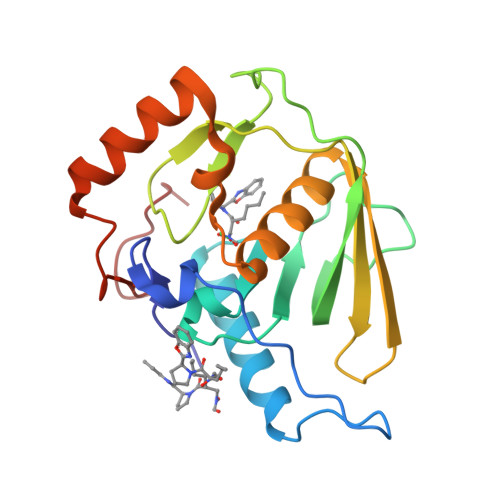
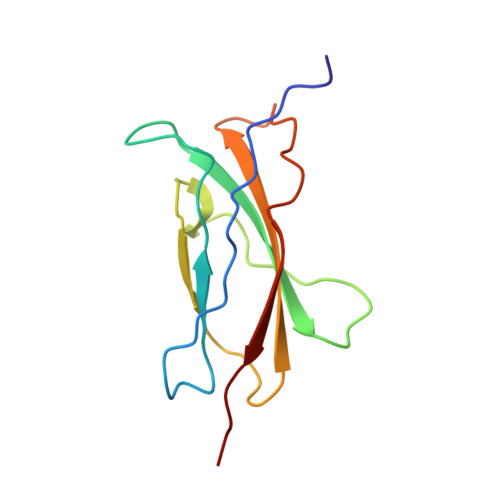
1-[(2e,4e,6e,8r)-8-hydroxy-6-methyldodeca-2,4,6-trienoyl]pyrrolidin-2-one (CED0090583)

Record Information
Version1.0
Creation Date2026-08-19 21:39:42 UTC
Update Date2026-08-19 21:39:42 UTC
SynCED IDCED0090583
Secondary Accession Numbers
  • CHEM193822
Identification
Common Name1-[(2e,4e,6e,8r)-8-hydroxy-6-methyldodeca-2,4,6-trienoyl]pyrrolidin-2-one
ClassSmall Molecule
Description
1-[(2e,4e,6e,8r)-8-hydroxy-6-methyldodeca-2,4,6-trienoyl]pyrrolidin-2-one is an organoheterocyclic compound with the chemical formula C17H25NO3 and an average molecular weight of 291.40 g/mol. 1-[(2e,4e,6e,8r)-8-hydroxy-6-methyldodeca-2,4,6-trienoyl]pyrrolidin-2-one belongs to the n-acylpyrrolidines, a subclass of pyrrolidines within the organic compounds. This compound has been found in or released from eight recorded sources related to electrical and electronic equipment. These sources include amplifiers, antennas, auxiliary devices, coils, and communication cables or conductors, among three additional sources.
Contaminant TypeNot Available
Chemical Structure
SynonymsNot Available
Chemical FormulaC17H25NO3
Average Molecular Mass291.400 g/mol
Monoisotopic Mass291.183 g/mol
CAS Registry Number19504-77-9
IUPAC NameNot Available
Traditional NameNot Available
SMILESNot Available
InChI IdentifierInChI=1S/C17H25NO3/c1-3-4-9-15(19)13-14(2)8-5-6-10-16(20)18-12-7-11-17(18)21/h5-6,8,10,13,15,19H,3-4,7,9,11-12H2,1-2H3/b8-5+,10-6+,14-13+/t15-/m1/s1
InChI KeyZYPGADGCNXOUJP-CXVPHVKISA-N
Chemical Taxonomy
ClassificationNot classified
Biological Properties
StatusDetected and Not Quantified
OriginNot Available
Cellular LocationsNot Available
Biofluid LocationsNot Available
Tissue LocationsNot Available
ApplicationsNot Available
Biological RolesNot Available
Chemical RolesNot Available
Organoleptic EffectsNot Available
Physical Properties
StateNot Available
AppearanceNot Available
Experimental Properties
PropertyValue
Melting PointNot Available
Boiling PointNot Available
SolubilityNot Available
Predicted PropertiesNot Available
Spectra
Spectra
Spectrum TypeDescriptionSplash KeyDeposition DateView
Predicted GC-MSPredicted GC-MS Spectrumsplash10-00dl-8590000000-69c4c99e17629ac3aab4Not AvailableView Spectrum
Predicted LC-MS/MSPredicted LC-MS/MS Spectrumsplash10-006x-2390000000-b6851b2e721a546abd41Not AvailableView Spectrum
Predicted LC-MS/MSPredicted LC-MS/MS Spectrumsplash10-000l-9640000000-128d047e8be2da6411b0Not AvailableView Spectrum
Predicted LC-MS/MSPredicted LC-MS/MS Spectrumsplash10-052o-9200000000-6e500a431345645de643Not AvailableView Spectrum
Predicted LC-MS/MSPredicted LC-MS/MS Spectrumsplash10-0006-1090000000-f028f36f7d7bd45e38b7Not AvailableView Spectrum
Predicted LC-MS/MSPredicted LC-MS/MS Spectrumsplash10-008c-7390000000-6506fbbf8830e2e958eaNot AvailableView Spectrum
Predicted LC-MS/MSPredicted LC-MS/MS Spectrumsplash10-001l-9000000000-36315ad62c4b11263f68Not AvailableView Spectrum
Toxicity Profile
Toxicity Values
Toxicity ValueOrganismDose DescriptorRoute of ExposurePredicted or ExperimentalToxicity RatingReference
2374.0 Log mg/kg [1300:4200]RatLD50oralpredictedNot AvailableNot Available
Toxicity / Toxin ClassNot Available
Mechanism of ToxicityNot Available
Carcinogenicity (IARC Classification)Not Available
Minimum Risk LevelNot Available
SymptomsNot Available
TreatmentNot Available
Health Effects
Health EffectRelationshipDirectionDescriptionReference
Exposure Sources
Source IDSourceSectorReference
CEDs000010Insecticides?Insecticides are synthetic chemicals designed to control or eliminate insect pests that threaten crops and other agricultural products.Agriculture & land managementPubChem
CEDs000505Amplifiers?Amplifiers, commonly used in various electronic devices to enhance signal strength, can be a source of synthetic chemical contamination due to the materials and processes involved in their production and disposal.Electrical & Electronic EquipmentPubChem
CEDs000506Antennas?Antennas, commonly used in communication technologies, can be a source of synthetic chemical contamination through the materials and coatings used in their construction.Electrical & Electronic EquipmentPubChem
CEDs000507Auxiliary Devices?Auxiliary devices, such as capacitors, transformers, and circuit breakers, are integral components in various electronic systems.Electrical & Electronic EquipmentPubChem
CEDs000508Coils?Coils are components used in various electrical and electronic applications, such as transformers, inductors, and motors.Electrical & Electronic EquipmentPubChem
CEDs000510Communication Cables Or Conductors?Communication cables or conductors are essential components in the transmission of data and signals in various applications, including telecommunications and networking.Electrical & Electronic EquipmentPubChem
CEDs000511Conductors Or Conductive Bodies Characterised By The Conductive Materials?Conductors, or conductive bodies, are materials that allow the flow of electrical current, typically made from metals such as copper, aluminum, or silver.Electrical & Electronic EquipmentPubChem
CEDs000517Electric Switches?Electric switches, integral components in numerous devices, can be a source of synthetic chemical contamination due to the materials and manufacturing processes involved in their production.Electrical & Electronic EquipmentPubChem
CEDs000519Electrodes?Electrodes, used in various electrical and electronic applications, can be a source of synthetic chemical contamination due to the materials from which they are constructed and the processes involved in their manufacturing.Electrical & Electronic EquipmentPubChem
CEDs000527Magnets?Magnets, commonly used in various electrical and electronic applications, can be a source of synthetic chemical contamination due to the materials used in their production.Electrical & Electronic EquipmentPubChem
CEDs000535Superconducting Magnets And Superconducting Coils?Superconducting magnets and coils are utilized in various applications that require strong magnetic fields, such as magnetic resonance imaging (MRI) and particle accelerators.Electrical & Electronic EquipmentPubChem
CEDs000536Superconductive Or Hyperconductive Conductors Cables Or Transmission Lines?Superconductive or hyperconductive conductors, including cables and transmission lines, are materials that exhibit zero electrical resistance under specific conditions, typically at low temperatures.Electrical & Electronic EquipmentPubChem
CEDs000545Food Preservation?Food preservation often involves the use of synthetic chemicals, such as preservatives, flavor enhancers, and color additives, to extend shelf life and enhance the sensory qualities of food products.Food, food processing & cookwarePubChem
CEDs000583Anchoring Equipment?Anchoring equipment, commonly used in marine applications, can be a source of synthetic chemical contamination due to the materials and coatings utilized in their manufacturing.Marine, shipping & aquaculturePubChem
CEDs000610Aftersun Products?Aftersun products are designed to soothe and hydrate the skin after sun exposure, often containing various synthetic chemicals such as emollients, preservatives, and fragrances.Personal care & cosmeticsPubChem
CEDs000611Anti Perspirants Or Body Deoderants?Antiperspirants and body deodorants commonly contain synthetic chemicals such as aluminum compounds, parabens, and synthetic fragrances.Personal care & cosmeticsPubChem
CEDs000614Essential Oils Or Perfumes?Essential oils and perfumes are complex mixtures of volatile compounds derived from natural or synthetic sources, commonly used for their aromatic properties.Personal care & cosmeticsPubChem
CEDs000615Eye Makeup Products?Eye makeup products, including mascaras, eyeliners, and eyeshadows, often contain a variety of synthetic chemicals such as pigments, preservatives, and film-forming agents.Personal care & cosmeticsPubChem
CEDs000632Apparel?Apparel production often involves the use of various synthetic chemicals, including dyes, finishing agents, and preservatives.Textiles, leather & furnishingsPubChem
CEDs000642Footwear?Footwear production often involves the use of various synthetic chemicals, such as adhesives, dyes, and treatments, which can contribute to environmental contamination.Textiles, leather & furnishingsPubChem
CEDs000679Phosphatic Fertilisers?Phosphatic fertilizers are synthetic chemical products primarily composed of phosphorus, which is essential for plant growth.Agriculture & land managementPubChem
CEDs000685Ceramics?Ceramics can be a source of synthetic chemical contamination through various additives and processing agents used in their production.Building & ConstructionPubChem
CEDs000696Nanotechnology?Nanotechnology involves the manipulation of materials at the molecular or atomic level, typically within the range of 1 to 100 nanometers.Industrial manufacturing & chemical processingPubChem
CEDs000698Jewellery?Jewellery production often involves the use of various synthetic chemicals during the extraction and processing of metals.Mining & metal processingPubChem
CEDs000744Water, Wastewater, & Sewage Treatment?Water, wastewater, and sewage treatment processes are critical for managing and mitigating pollutants in water systems.Wastewater, sanitation & biosolidsPubChem
Pathways
0 pathwaysPathway Source: PathBank

No pathways found

No metabolic pathways have been associated with this synthetic chemical

Targets
StructureProteinUniProt IDOrganismRelationshipDetails
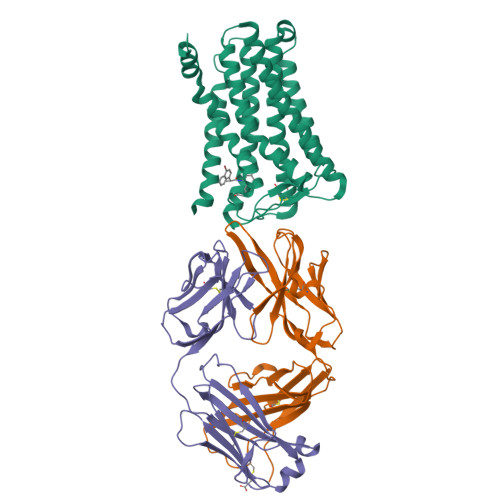
Click to view 3D structureProstaglandin E2 receptor EP1 subtypeP35375Mus musculusPredicted (SEA)
Prediction Confidence Score
0.27
Applicability Domain
0.309
Statistical Significance
0.0029
Supporting Reference Compounds
24
E-value
22.9655
Click to view 3D structureProstaglandin E2 receptor EP3 subtypeP30557Mus musculusPredicted (SEA)
Prediction Confidence Score
0.27
Applicability Domain
0.309
Statistical Significance
0.0039
Supporting Reference Compounds
32
E-value
30.2055
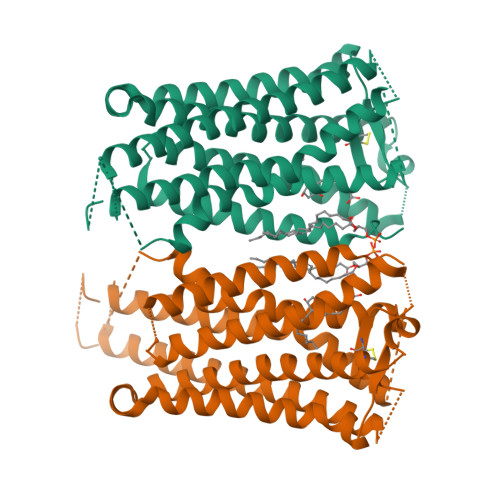
Click to view 3D structureProstaglandin E2 receptor EP4 subtypeP32240Mus musculusPredicted (SEA)
Prediction Confidence Score
0.27
Applicability Domain
0.309
Statistical Significance
0.004
Supporting Reference Compounds
29
E-value
31.1397
Click to view 3D structureProstaglandin E2 receptor EP2 subtypeQ62053Mus musculusPredicted (SEA)
Prediction Confidence Score
0.27
Applicability Domain
0.309
Statistical Significance
0.0025
Supporting Reference Compounds
25
E-value
19.3066
Prostaglandin E2 receptor EP2 subtype structureClick to view 3D structureProstaglandin E2 receptor EP2 subtypeP43116HumansPredicted (SEA)
Prediction Confidence Score
0.269
Applicability Domain
0.309
Statistical Significance
0.0108
Supporting Reference Compounds
95
E-value
84.3107
Prostaglandin E2 receptor EP4 subtype structureClick to view 3D structureProstaglandin E2 receptor EP4 subtypeP35408HumansPredicted (SEA)
Prediction Confidence Score
0.269
Applicability Domain
0.309
Statistical Significance
0.0131
Supporting Reference Compounds
92
E-value
102.138
Click to view 3D structureProstaglandin E2 receptor EP2 subtypeQ62928Rattus norvegicusPredicted (SEA)
Prediction Confidence Score
0.254
Applicability Domain
0.309
Statistical Significance
8.70e-04
Supporting Reference Compounds
12
E-value
6.77288
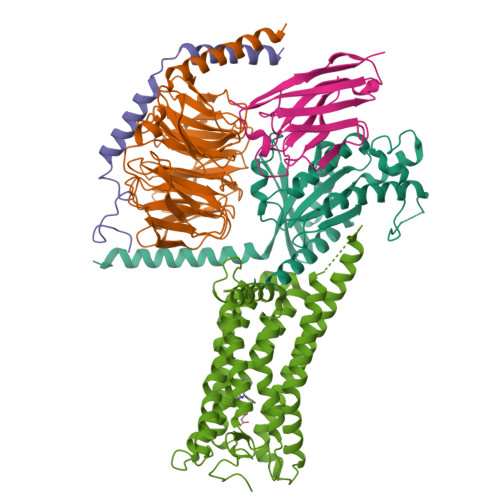
Prostaglandin E2 receptor EP3 subtype structureClick to view 3D structureProstaglandin E2 receptor EP3 subtypeP43115HumansPredicted (SEA)
Prediction Confidence Score
0.253
Applicability Domain
0.309
Statistical Significance
0.031
Supporting Reference Compounds
102
E-value
241.255
Click to view 3D structureProstaglandin E2 receptor EP4 subtypeP43114Rattus norvegicusPredicted (SEA)
Prediction Confidence Score
0.247
Applicability Domain
0.309
Statistical Significance
0.0022
Supporting Reference Compounds
16
E-value
17.1268
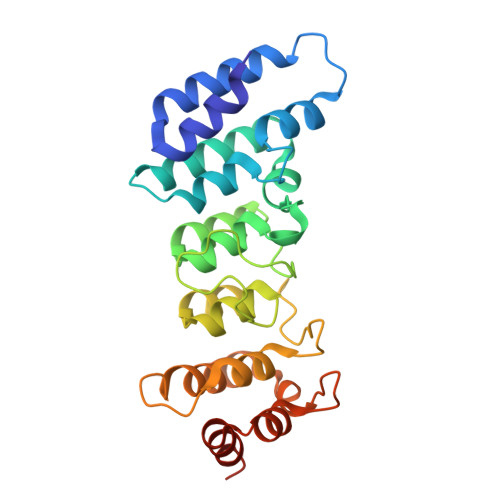
Click to view 3D structureNuclear receptor subfamily 4 group A member 2Q07917Rattus norvegicusPredicted (SEA)
Prediction Confidence Score
0.244
Applicability Domain
0.254 Low confidence
Statistical Significance
0.0012
Supporting Reference Compounds
3
E-value
9.26406
Prostacyclin receptor structureClick to view 3D structureProstacyclin receptorP43119HumansPredicted (SEA)
Prediction Confidence Score
0.239
Applicability Domain
0.254 Low confidence
Statistical Significance
0.0313
Supporting Reference Compounds
63
E-value
244.057
Click to view 3D structureCannabinoid receptor 1P47746Mus musculusPredicted (SEA)
Prediction Confidence Score
0.237
Applicability Domain
0.333
Statistical Significance
0.0144
Supporting Reference Compounds
42
E-value
112.103
Click to view 3D structureSolute carrier organic anion transporter family member 2B1Q9JHI3Rattus norvegicusPredicted (SEA)
Prediction Confidence Score
0.236
Applicability Domain
0.254 Low confidence
Statistical Significance
0.001
Supporting Reference Compounds
2
E-value
8.01847
Retinoic acid receptor RXR-alpha structureClick to view 3D structureRetinoic acid receptor RXR-alphaP28700Mus musculusPredicted (SEA)
Prediction Confidence Score
0.236
Applicability Domain
0.271 Low confidence
Statistical Significance
0.0014
Supporting Reference Compounds
17
E-value
11.1324
Click to view 3D structureRetinoic acid receptor alphaP11416Mus musculusPredicted (SEA)
Prediction Confidence Score
0.236
Applicability Domain
0.271 Low confidence
Statistical Significance
0.0016
Supporting Reference Compounds
16
E-value
12.1445
Retinoic acid receptor RXR-alpha structureClick to view 3D structureRetinoic acid receptor RXR-alphaP19793HumansPredicted (SEA)
Prediction Confidence Score
0.234
Applicability Domain
0.271 Low confidence
Statistical Significance
0.0306
Supporting Reference Compounds
82
E-value
238.53
Cellular retinoic acid-binding protein 1 structureClick to view 3D structureCellular retinoic acid-binding protein 1P62965Mus musculusPredicted (SEA)
Prediction Confidence Score
0.231
Applicability Domain
0.271 Low confidence
Statistical Significance
1.60e-04
Supporting Reference Compounds
7
E-value
1.24559
Click to view 3D structureCellular retinoic acid-binding protein 2P22935Mus musculusPredicted (SEA)
Prediction Confidence Score
0.231
Applicability Domain
0.271 Low confidence
Statistical Significance
1.60e-04
Supporting Reference Compounds
7
E-value
1.24559
Click to view 3D structureSolute carrier organic anion transporter family member 2A1Q9EPT5Mus musculusPredicted (SEA)
Prediction Confidence Score
0.231
Applicability Domain
0.243 Low confidence
Statistical Significance
0.0012
Supporting Reference Compounds
2
E-value
9.34191
Transient receptor potential cation channel subfamily V member 3 structureClick to view 3D structureTransient receptor potential cation channel subfamily V member 3Q8K424Mus musculusPredicted (SEA)
Prediction Confidence Score
0.231
Applicability Domain
0.231 Low confidence
Statistical Significance
0.0234
Supporting Reference Compounds
1
E-value
182.167
Peptide deformylase structureClick to view 3D structurePeptide deformylaseP9WIJ3Mycobacterium tuberculosis (strain ATCC 25618 / H37Rv)Predicted (SEA)
Prediction Confidence Score
0.229
Applicability Domain
0.229 Low confidence
Statistical Significance
0.005
Supporting Reference Compounds
1
E-value
39.0803
Click to view 3D structureCAI-1 autoinducer sensor kinase/phosphatase CqsSQ9KM66Vibrio cholerae serotype O1 (strain ATCC 39315 / El Tor Inaba N16961)Predicted (SEA)
Prediction Confidence Score
0.226
Applicability Domain
0.226 Low confidence
Statistical Significance
0.0029
Supporting Reference Compounds
1
E-value
22.8098
Click to view 3D structureCellular retinoic acid-binding protein 1P40220Gallus gallusPredicted (SEA)
Prediction Confidence Score
0.226
Applicability Domain
0.271 Low confidence
Statistical Significance
1.60e-04
Supporting Reference Compounds
5
E-value
1.24559
Mu-type opioid receptor structureClick to view 3D structureMu-type opioid receptorP42866Mus musculusPredicted (SEA)
Prediction Confidence Score
0.224
Applicability Domain
0.333
Statistical Significance
0.0844
Supporting Reference Compounds
107
E-value
656.736
Interleukin-6 receptor subunit beta structureClick to view 3D structureInterleukin-6 receptor subunit betaP40189HumansPredicted (SEA)
Prediction Confidence Score
0.224
Applicability Domain
0.225 Low confidence
Statistical Significance
0.0013
Supporting Reference Compounds
2
E-value
10.1982
Concentrations
Not Available
External Links
IdentifiersNot Available
References
Synthesis ReferenceNot Available
MSDSNot Available
General ReferencesNot Available