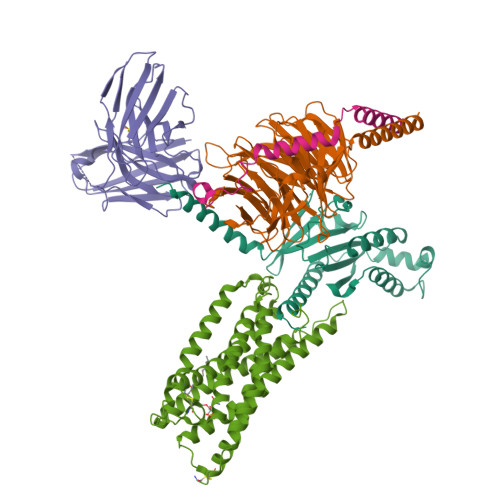
 Click to view 3D structure | Putative P2Y purinoceptor 10 | O00398 | Humans | Predicted (SEA) | - Prediction Confidence Score
- 0.192
- Applicability Domain
- 0.215 Low confidence
- Statistical Significance
- 0.0108
- Supporting Reference Compounds
- 10
- E-value
- 84.155
|
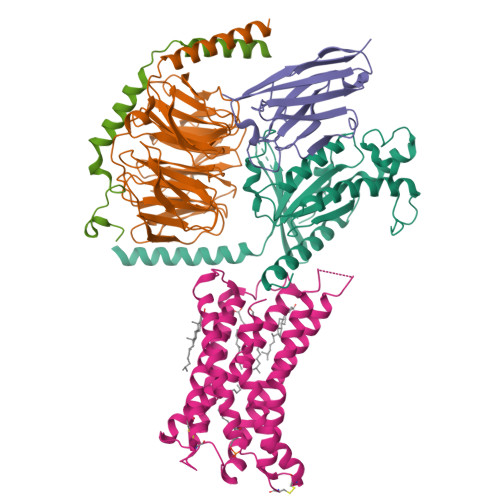 Click to view 3D structure | Lysophosphatidic acid receptor 6 | P43657 | Humans | Predicted (SEA) | - Prediction Confidence Score
- 0.19
- Applicability Domain
- 0.222 Low confidence
- Statistical Significance
- 0.0035
- Supporting Reference Compounds
- 3
- E-value
- 27.0915
|
 Click to view 3D structure | Autotaxin | Q13822 | Humans | Predicted (SEA) | - Prediction Confidence Score
- 0.183
- Applicability Domain
- 0.222 Low confidence
- Statistical Significance
- 0.1704
- Supporting Reference Compounds
- 40
- E-value
- 1326.78
|
 Click to view 3D structure | Lysophosphatidic acid receptor 5 | Q9H1C0 | Humans | Predicted (SEA) | - Prediction Confidence Score
- 0.182
- Applicability Domain
- 0.222 Low confidence
- Statistical Significance
- 0.0463
- Supporting Reference Compounds
- 12
- E-value
- 360.364
|
 Click to view 3D structure | Cell division protein FtsZ | P9WN95 | Mycobacterium tuberculosis (strain ATCC 25618 / H37Rv) | Predicted (SEA) | - Prediction Confidence Score
- 0.179
- Applicability Domain
- 0.179 Low confidence
- Statistical Significance
- 0.0435
- Supporting Reference Compounds
- 1
- E-value
- 338.644
|
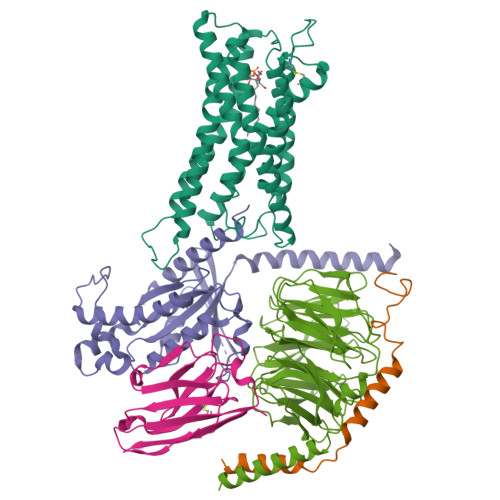 Click to view 3D structure | Probable G-protein coupled receptor 174 | Q9BXC1 | Humans | Predicted (SEA) | - Prediction Confidence Score
- 0.178
- Applicability Domain
- 0.215 Low confidence
- Statistical Significance
- 0.0129
- Supporting Reference Compounds
- 8
- E-value
- 100.659
|
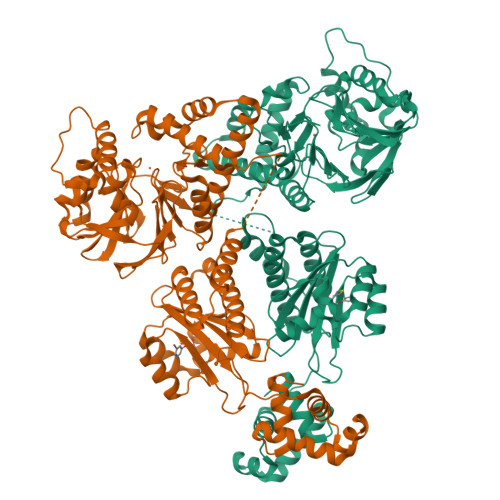 Click to view 3D structure | HTH-type quorum-sensing regulator RhlR | P54292 | Pseudomonas aeruginosa (strain ATCC 15692 / PAO1 / 1C / PRS 101 / LMG12228) | Predicted (SEA) | - Prediction Confidence Score
- 0.177
- Applicability Domain
- 0.177 Low confidence
- Statistical Significance
- 0.0151
- Supporting Reference Compounds
- 1
- E-value
- 117.474
|
 Click to view 3D structure | Isoleucine--tRNA ligase | P56690 | Thermus thermophilus (strain HB8 / ATCC 27634 / DSM 579) | Predicted (SEA) | - Prediction Confidence Score
- 0.171
- Applicability Domain
- 0.171 Low confidence
- Statistical Significance
- 0.0019
- Supporting Reference Compounds
- 1
- E-value
- 14.9471
|
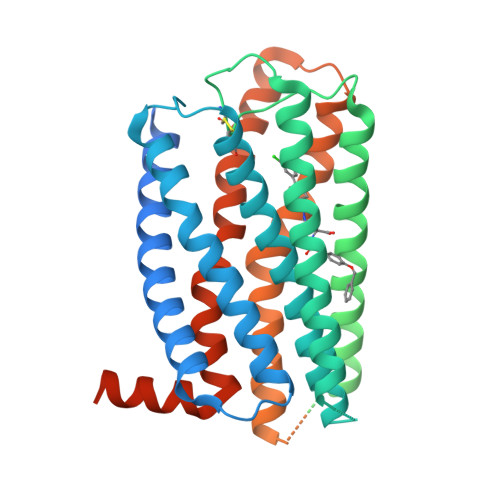 Click to view 3D structure | Probable G-protein coupled receptor 34 | Q9UPC5 | Humans | Predicted (SEA) | - Prediction Confidence Score
- 0.17
- Applicability Domain
- 0.215 Low confidence
- Statistical Significance
- 0.0986
- Supporting Reference Compounds
- 11
- E-value
- 767.983
|
| Click to view 3D structure | G protein-coupled receptor 34a | Q6XCC7 | Danio rerio | Predicted (SEA) | - Prediction Confidence Score
- 0.168
- Applicability Domain
- 0.197 Low confidence
- Statistical Significance
- 0.0105
- Supporting Reference Compounds
- 2
- E-value
- 81.7417
|
| Click to view 3D structure | G protein-coupled receptor 34b | B0S6P9 | Danio rerio | Predicted (SEA) | - Prediction Confidence Score
- 0.168
- Applicability Domain
- 0.197 Low confidence
- Statistical Significance
- 0.0105
- Supporting Reference Compounds
- 2
- E-value
- 81.7417
|
 Click to view 3D structure | Muscarinic acetylcholine receptor M1 | P11229 | Humans | Predicted (SEA) | - Prediction Confidence Score
- 0.168
- Applicability Domain
- 0.188 Low confidence
- Statistical Significance
- 0.9481
- Supporting Reference Compounds
- 385
- E-value
- 7380.73
|
 Click to view 3D structure | Muscarinic acetylcholine receptor M3 | P20309 | Humans | Predicted (SEA) | - Prediction Confidence Score
- 0.167
- Applicability Domain
- 0.188 Low confidence
- Statistical Significance
- 0.9314
- Supporting Reference Compounds
- 310
- E-value
- 7251.27
|
 Click to view 3D structure | RAC-alpha serine/threonine-protein kinase | P31749 | Humans | Predicted (SEA) | - Prediction Confidence Score
- 0.167
- Applicability Domain
- 0.202 Low confidence
- Statistical Significance
- 0.9747
- Supporting Reference Compounds
- 797
- E-value
- 7588.12
|
| Click to view 3D structure | Probable G-protein coupled receptor 174 | Q3U507 | Mus musculus | Predicted (SEA) | - Prediction Confidence Score
- 0.167
- Applicability Domain
- 0.197 Low confidence
- Statistical Significance
- 0.0306
- Supporting Reference Compounds
- 3
- E-value
- 237.985
|
 Click to view 3D structure | Ribose-5-phosphate isomerase B | P9WKD7 | Mycobacterium tuberculosis (strain ATCC 25618 / H37Rv) | Predicted (SEA) | - Prediction Confidence Score
- 0.167
- Applicability Domain
- 0.167 Low confidence
- Statistical Significance
- 0.0015
- Supporting Reference Compounds
- 1
- E-value
- 11.4438
|
| Click to view 3D structure | Beta-2 adrenergic receptor | Q8K4Z4 | Cavia porcellus | Predicted (SEA) | - Prediction Confidence Score
- 0.166
- Applicability Domain
- 0.175 Low confidence
- Statistical Significance
- 0.3421
- Supporting Reference Compounds
- 48
- E-value
- 2663.22
|
| Click to view 3D structure | Beta-1 adrenergic receptor | B0FL73 | Cavia porcellus | Predicted (SEA) | - Prediction Confidence Score
- 0.165
- Applicability Domain
- 0.175 Low confidence
- Statistical Significance
- 0.2591
- Supporting Reference Compounds
- 37
- E-value
- 2017.0
|
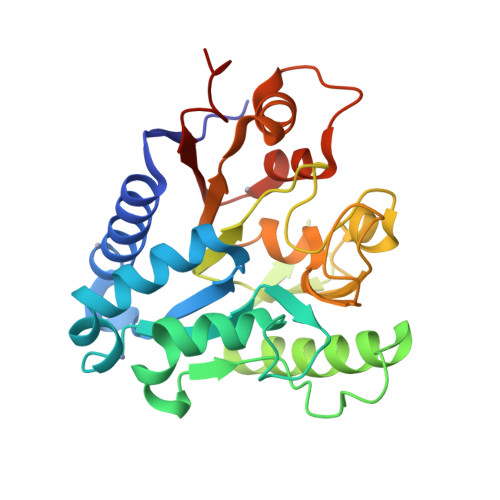 Click to view 3D structure | 6-phosphogluconolactonase | Q9GRG6 | Trypanosoma brucei | Predicted (SEA) | - Prediction Confidence Score
- 0.164
- Applicability Domain
- 0.164 Low confidence
- Statistical Significance
- 0.0017
- Supporting Reference Compounds
- 1
- E-value
- 12.923
|
| Click to view 3D structure | Putative inactive group IIC secretory phospholipase A2 | Q5R387 | Humans | Predicted (SEA) | - Prediction Confidence Score
- 0.237
- Applicability Domain
- 0.237 Low confidence
- Statistical Significance
- 0.0026
- Supporting Reference Compounds
- 1
- E-value
- 20.5522
|
| Click to view 3D structure | Lysophosphatidic acid receptor 4 | Q8BLG2 | Mus musculus | Predicted (SEA) | - Prediction Confidence Score
- 0.222
- Applicability Domain
- 0.222 Low confidence
- Statistical Significance
- 0.0023
- Supporting Reference Compounds
- 1
- E-value
- 17.8275
|
| Click to view 3D structure | Lysophosphatidic acid receptor 3 | Q9UBY5 | Humans | Predicted (SEA) | - Prediction Confidence Score
- 0.197
- Applicability Domain
- 0.222 Low confidence
- Statistical Significance
- 0.0397
- Supporting Reference Compounds
- 21
- E-value
- 309.373
|
 Click to view 3D structure | Lysophosphatidic acid receptor 1 | Q92633 | Humans | Predicted (SEA) | - Prediction Confidence Score
- 0.196
- Applicability Domain
- 0.222 Low confidence
- Statistical Significance
- 0.0901
- Supporting Reference Compounds
- 31
- E-value
- 701.266
|
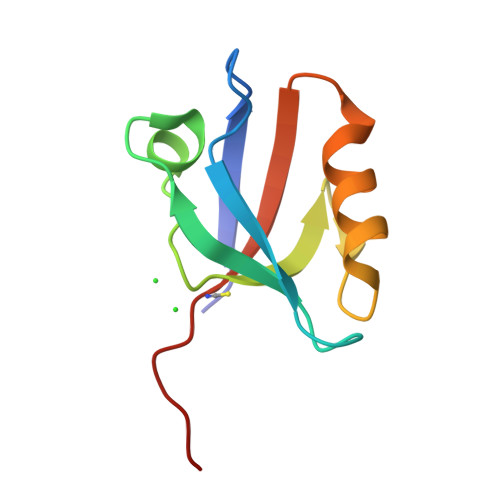 Click to view 3D structure | Lysophosphatidic acid receptor 2 | Q9HBW0 | Humans | Predicted (SEA) | - Prediction Confidence Score
- 0.196
- Applicability Domain
- 0.222 Low confidence
- Statistical Significance
- 0.0516
- Supporting Reference Compounds
- 30
- E-value
- 401.78
|
| Click to view 3D structure | Lysophosphatidic acid receptor 4 | Q99677 | Humans | Predicted (SEA) | - Prediction Confidence Score
- 0.196
- Applicability Domain
- 0.222 Low confidence
- Statistical Significance
- 0.0052
- Supporting Reference Compounds
- 9
- E-value
- 40.6373
|

