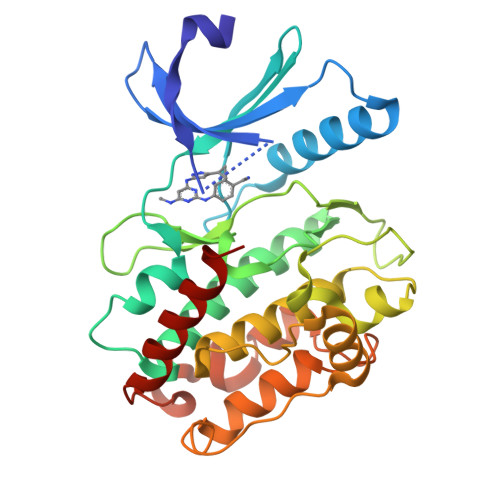
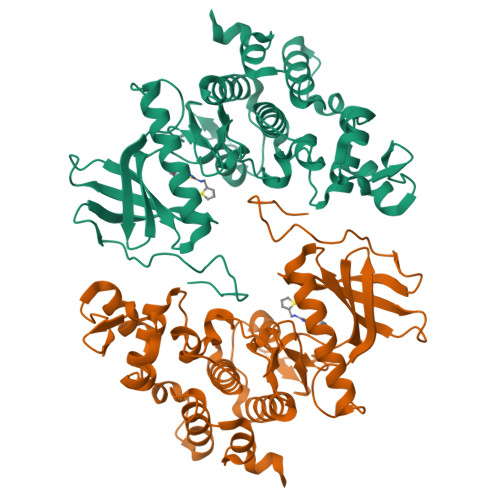
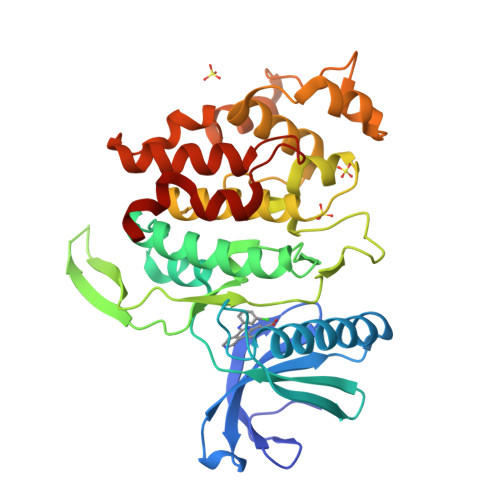
1-(4-chlorophenyl)-5-(2-methoxyethoxy)-4-oxocinnoline-3-carboxylic acid (CED0051115)

Record Information
Version1.0
Creation Date2026-08-19 23:10:08 UTC
Update Date2026-08-19 23:10:08 UTC
SynCED IDCED0051115
Secondary Accession Numbers
  • CHEM194850
Identification
Common Name1-(4-chlorophenyl)-5-(2-methoxyethoxy)-4-oxocinnoline-3-carboxylic acid
ClassSmall Molecule
Description
1-(4-chlorophenyl)-5-(2-methoxyethoxy)-4-oxocinnoline-3-carboxylic acid is an organic compound with the formula C18H15ClN2O5 and an average molecular weight of 374.80 g/mol. 1-(4-chlorophenyl)-5-(2-methoxyethoxy)-4-oxocinnoline-3-carboxylic acid belongs to the benzodiazines, a subclass of diazanaphthalenes within the organic compounds. This organoheterocyclic compound has been identified in or released from three recorded sources, specifically including electrical and electronic equipment such as relays, electric hearing aids, and antennas.
Contaminant TypeNot Available
Chemical Structure
SynonymsNot Available
Chemical FormulaC18H15ClN2O5
Average Molecular Mass374.800 g/mol
Monoisotopic Mass374.067 g/mol
CAS Registry Number130561-48-7
IUPAC NameNot Available
Traditional NameNot Available
SMILESNot Available
InChI IdentifierInChI=1S/C18H15ClN2O5/c1-25-9-10-26-14-4-2-3-13-15(14)17(22)16(18(23)24)20-21(13)12-7-5-11(19)6-8-12/h2-8H,9-10H2,1H3,(H,23,24)
InChI KeyQLMNCUHSDAGQGT-UHFFFAOYSA-N
Chemical Taxonomy
ClassificationNot classified
Biological Properties
StatusDetected and Not Quantified
OriginNot Available
Cellular LocationsNot Available
Biofluid LocationsNot Available
Tissue LocationsNot Available
ApplicationsNot Available
Biological RolesNot Available
Chemical RolesNot Available
Organoleptic EffectsNot Available
Physical Properties
StateNot Available
AppearanceNot Available
Experimental Properties
PropertyValue
Melting PointNot Available
Boiling PointNot Available
SolubilityNot Available
Predicted PropertiesNot Available
Spectra
SpectraNot Available
Toxicity Profile
Toxicity Values
Toxicity ValueOrganismDose DescriptorRoute of ExposurePredicted or ExperimentalToxicity RatingReference
45.0 Log mg/kg [30:80]RatLD50oralpredictedNot AvailableNot Available
Toxicity / Toxin ClassNot Available
Mechanism of ToxicityNot Available
Carcinogenicity (IARC Classification)Not Available
Minimum Risk LevelNot Available
SymptomsNot Available
TreatmentNot Available
Health Effects
Health EffectRelationshipDirectionDescriptionReference
Exposure Sources
Source IDSourceSectorReference
CEDs000010Insecticides?Insecticides are synthetic chemicals designed to control or eliminate insect pests that threaten crops and other agricultural products.Agriculture & land managementPubChem
CEDs000233Brushes?Brushes used in personal care and cosmetics can be a source of synthetic chemical contamination due to the materials and coatings used in their manufacturing.Personal care & cosmeticsPubChem
CEDs000506Antennas?Antennas, commonly used in communication technologies, can be a source of synthetic chemical contamination through the materials and coatings used in their construction.Electrical & Electronic EquipmentPubChem
CEDs000511Conductors Or Conductive Bodies Characterised By The Conductive Materials?Conductors, or conductive bodies, are materials that allow the flow of electrical current, typically made from metals such as copper, aluminum, or silver.Electrical & Electronic EquipmentPubChem
CEDs000516Electric Hearing Aids?Electric hearing aids are small electronic devices designed to amplify sound for individuals with hearing loss.Electrical & Electronic EquipmentPubChem
CEDs000530Radio Transmission Systems?Radio transmission systems utilize a variety of synthetic chemicals in their manufacturing and maintenance processes.Electrical & Electronic EquipmentPubChem
CEDs000531Relays?Relays are electromechanical switches used to control circuits and manage electrical loads.Electrical & Electronic EquipmentPubChem
CEDs000545Food Preservation?Food preservation often involves the use of synthetic chemicals, such as preservatives, flavor enhancers, and color additives, to extend shelf life and enhance the sensory qualities of food products.Food, food processing & cookwarePubChem
CEDs000583Anchoring Equipment?Anchoring equipment, commonly used in marine applications, can be a source of synthetic chemical contamination due to the materials and coatings utilized in their manufacturing.Marine, shipping & aquaculturePubChem
CEDs000584Buoys?Buoys, often used for navigation and marine monitoring, can be sources of synthetic chemical contamination due to the materials and coatings employed in their construction.Marine, shipping & aquaculturePubChem
CEDs000591Lifeboats?Lifeboats, used for emergency evacuation at sea, can be a source of synthetic chemical contamination due to the materials and substances used in their construction and maintenance.Marine, shipping & aquaculturePubChem
CEDs000592Marine Propulsion Or Steering?Marine propulsion and steering systems often rely on various synthetic chemicals, including lubricants, fuels, and hydraulic fluids.Marine, shipping & aquaculturePubChem
CEDs000595Ships?Ships, as vehicles for international trade and transportation, can be significant sources of synthetic chemical contamination in marine environments.Marine, shipping & aquaculturePubChem
CEDs000596Acaricides?Acaricides are synthetic chemicals specifically designed to target and control mite populations that can damage crops and plants.Agriculture & land managementPubChem
CEDs000600Herbicides And Algicides?Herbicides and algicides are synthetic chemicals primarily used to control unwanted plants and algae in various environments.Agriculture & land managementPubChem
CEDs000602Molluscicides?Molluscicides are synthetic chemicals specifically designed to control and eliminate mollusks, such as snails and slugs, which can be detrimental to crops and agricultural productivity.Agriculture & land managementPubChem
CEDs000603Nematocides?Nematocides are synthetic chemicals specifically designed to control nematodes, which are microscopic roundworms that can cause significant damage to crops and plants.Agriculture & land managementPubChem
CEDs000605Pest Repellants?Pest repellents, often formulated from synthetic chemicals, are widely used to protect crops from insect infestations and other pests.Agriculture & land managementPubChem
CEDs000606Plant Growth Regulators?Plant Growth Regulators (PGRs) are synthetic chemicals designed to influence the growth and development of plants.Agriculture & land managementPubChem
CEDs000612Body Washing Or Cleaning Implements?Body washing or cleaning implements, such as synthetic sponges, loofahs, and washcloths, can be sources of synthetic chemical contamination due to the materials used in their production.Personal care & cosmeticsPubChem
CEDs000630Toys?Toys, particularly those made from synthetic materials such as plastics, can be a source of chemical contamination due to the presence of various additives and compounds used in their production.Recreation & sports surfacesPubChem
CEDs000643Headwear?Headwear made from synthetic materials often incorporates chemicals used in the manufacturing and finishing processes, such as dyes, flame retardants, and water repellents.Textiles, leather & furnishingsPubChem
CEDs000652Ropes?Ropes manufactured from synthetic fibers, such as polypropylene, nylon, and polyester, are widely used in various applications, including marine, construction, and outdoor activities.Textiles, leather & furnishingsPubChem
CEDs000671Airplanes And Helicopters?Airplanes and helicopters are significant sources of synthetic chemical contamination primarily through the use of aviation fuels, lubricants, and de-icing agents.Aviation & AerospacePubChem
CEDs000673Unmanned Aerial Vehicles?Unmanned Aerial Vehicles (UAVs), commonly known as drones, utilize various synthetic chemicals in their manufacturing, operation, and maintenance processes.Aviation & AerospacePubChem
CEDs000678Nitrogenous Fertilisers?Nitrogenous fertilizers are synthetic chemical compounds primarily used to enhance plant growth by supplying essential nitrogen, a crucial nutrient for photosynthesis and protein synthesis.Agriculture & land managementPubChem
CEDs000679Phosphatic Fertilisers?Phosphatic fertilizers are synthetic chemical products primarily composed of phosphorus, which is essential for plant growth.Agriculture & land managementPubChem
CEDs000696Nanotechnology?Nanotechnology involves the manipulation of materials at the molecular or atomic level, typically within the range of 1 to 100 nanometers.Industrial manufacturing & chemical processingPubChem
CEDs000699Mining Or Quarrying?Mining and quarrying operations can lead to synthetic chemical contamination through the release of various pollutants associated with the extraction and processing of minerals.Mining & metal processingPubChem
CEDs000744Water, Wastewater, & Sewage Treatment?Water, wastewater, and sewage treatment processes are critical for managing and mitigating pollutants in water systems.Wastewater, sanitation & biosolidsPubChem
Pathways
0 pathwaysPathway Source: PathBank

No pathways found

No metabolic pathways have been associated with this synthetic chemical

Targets
StructureProteinUniProt IDOrganismRelationshipDetails
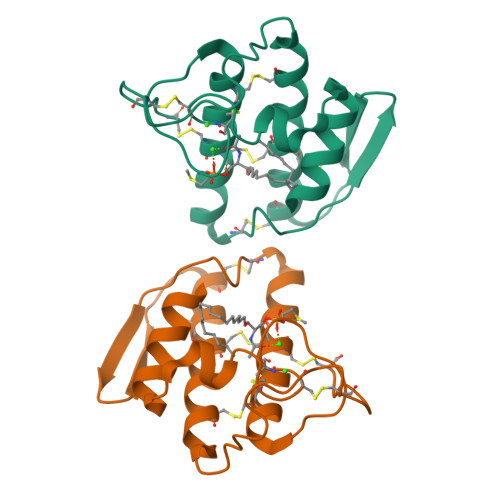
Phospholipase A2 structureClick to view 3D structurePhospholipase A2P04054HumansPredicted (SEA)
Prediction Confidence Score
0.3
Applicability Domain
0.321
Statistical Significance
0.0011
Supporting Reference Compounds
70
E-value
8.71911
Phospholipase A2, membrane associated structureClick to view 3D structurePhospholipase A2, membrane associatedP14555HumansPredicted (SEA)
Prediction Confidence Score
0.298
Applicability Domain
0.321
Statistical Significance
0.0015
Supporting Reference Compounds
49
E-value
11.4438
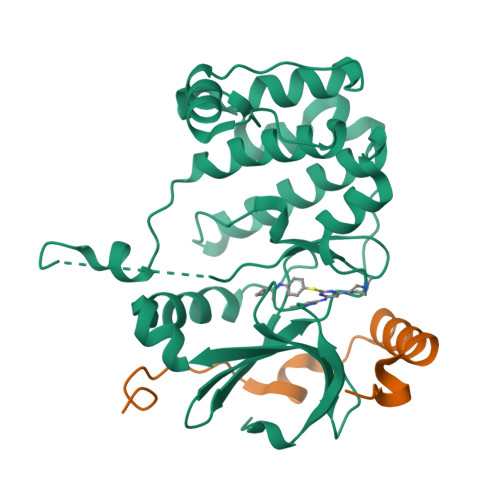
Aurora kinase B structureClick to view 3D structureAurora kinase BQ96GD4HumansPredicted (SEA)
Prediction Confidence Score
0.292
Applicability Domain
0.314
Statistical Significance
0.1376
Supporting Reference Compounds
1017
E-value
1071.52
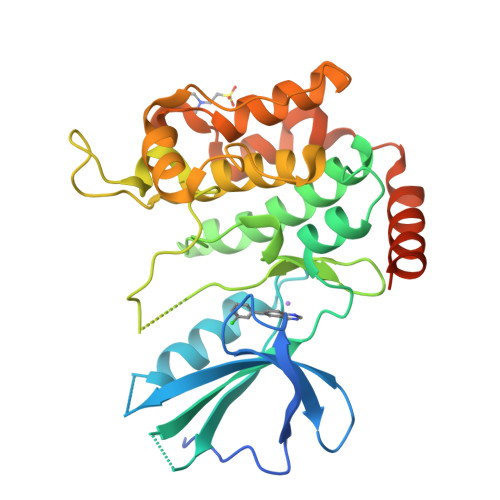
SRSF protein kinase 1 structureClick to view 3D structureSRSF protein kinase 1Q96SB4HumansPredicted (SEA)
Prediction Confidence Score
0.292
Applicability Domain
0.314
Statistical Significance
0.0789
Supporting Reference Compounds
486
E-value
614.542
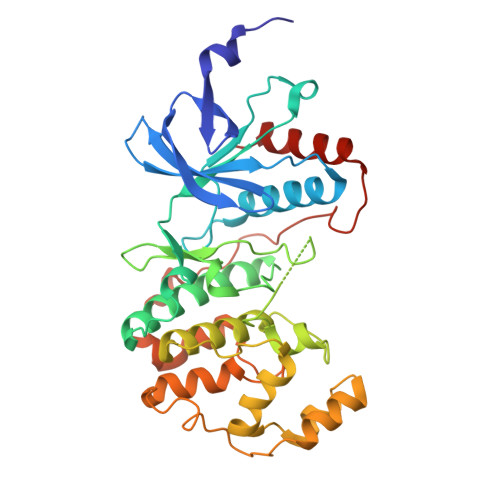
Mitogen-activated protein kinase kinase kinase kinase 4 structureClick to view 3D structureMitogen-activated protein kinase kinase kinase kinase 4O95819HumansPredicted (SEA)
Prediction Confidence Score
0.29
Applicability Domain
0.314
Statistical Significance
0.1132
Supporting Reference Compounds
714
E-value
881.097
Mitogen-activated protein kinase 8 structureClick to view 3D structureMitogen-activated protein kinase 8P45983HumansPredicted (SEA)
Prediction Confidence Score
0.289
Applicability Domain
0.314
Statistical Significance
0.1284
Supporting Reference Compounds
782
E-value
999.35
Vascular endothelial growth factor receptor 2 structureClick to view 3D structureVascular endothelial growth factor receptor 2P35968HumansPredicted (SEA)
Prediction Confidence Score
0.287
Applicability Domain
0.314
Statistical Significance
0.197
Supporting Reference Compounds
1660
E-value
1533.79
Interleukin-1 receptor-associated kinase 1 structureClick to view 3D structureInterleukin-1 receptor-associated kinase 1P51617HumansPredicted (SEA)
Prediction Confidence Score
0.287
Applicability Domain
0.314
Statistical Significance
0.0941
Supporting Reference Compounds
514
E-value
732.328
Mitogen-activated protein kinase 12 structureClick to view 3D structureMitogen-activated protein kinase 12P53778HumansPredicted (SEA)
Prediction Confidence Score
0.286
Applicability Domain
0.314
Statistical Significance
0.1021
Supporting Reference Compounds
571
E-value
795.152
Mitogen-activated protein kinase 13 structureClick to view 3D structureMitogen-activated protein kinase 13O15264HumansPredicted (SEA)
Prediction Confidence Score
0.284
Applicability Domain
0.314
Statistical Significance
0.1039
Supporting Reference Compounds
558
E-value
809.243
Ribosomal protein S6 kinase beta-1 structureClick to view 3D structureRibosomal protein S6 kinase beta-1P23443HumansPredicted (SEA)
Prediction Confidence Score
0.284
Applicability Domain
0.314
Statistical Significance
0.1127
Supporting Reference Compounds
590
E-value
877.594
MAP/microtubule affinity-regulating kinase 3 structureClick to view 3D structureMAP/microtubule affinity-regulating kinase 3P27448HumansPredicted (SEA)
Prediction Confidence Score
0.281
Applicability Domain
0.314
Statistical Significance
0.1253
Supporting Reference Compounds
627
E-value
975.373
Click to view 3D structureSerine/threonine-protein kinase TAO1Q7L7X3HumansPredicted (SEA)
Prediction Confidence Score
0.281
Applicability Domain
0.314
Statistical Significance
0.1277
Supporting Reference Compounds
620
E-value
994.368
Glycogen synthase kinase-3 beta structureClick to view 3D structureGlycogen synthase kinase-3 betaP49841HumansPredicted (SEA)
Prediction Confidence Score
0.281
Applicability Domain
0.314
Statistical Significance
0.1987
Supporting Reference Compounds
1157
E-value
1547.02
Calcium/calmodulin-dependent protein kinase type II subunit beta structureClick to view 3D structureCalcium/calmodulin-dependent protein kinase type II subunit betaQ13554HumansPredicted (SEA)
Prediction Confidence Score
0.281
Applicability Domain
0.314
Statistical Significance
0.1036
Supporting Reference Compounds
471
E-value
806.751
Click to view 3D structureMisshapen-like kinase 1Q8N4C8HumansPredicted (SEA)
Prediction Confidence Score
0.281
Applicability Domain
0.314
Statistical Significance
0.1105
Supporting Reference Compounds
524
E-value
860.39
Serine/threonine-protein kinase MARK2 structureClick to view 3D structureSerine/threonine-protein kinase MARK2Q7KZI7HumansPredicted (SEA)
Prediction Confidence Score
0.281
Applicability Domain
0.314
Statistical Significance
0.1099
Supporting Reference Compounds
512
E-value
855.329
Dual specificity tyrosine-phosphorylation-regulated kinase 1A structureClick to view 3D structureDual specificity tyrosine-phosphorylation-regulated kinase 1AQ13627HumansPredicted (SEA)
Prediction Confidence Score
0.281
Applicability Domain
0.314
Statistical Significance
0.1616
Supporting Reference Compounds
906
E-value
1257.73
Click to view 3D structureMitogen-activated protein kinase kinase kinase kinase 2Q12851HumansPredicted (SEA)
Prediction Confidence Score
0.28
Applicability Domain
0.314
Statistical Significance
0.1368
Supporting Reference Compounds
657
E-value
1065.37
Click to view 3D structureSerine/threonine-protein kinase Nek4P51957HumansPredicted (SEA)
Prediction Confidence Score
0.28
Applicability Domain
0.314
Statistical Significance
0.1013
Supporting Reference Compounds
448
E-value
789.002
Click to view 3D structureSerine/threonine-protein kinase MRCK alphaQ5VT25HumansPredicted (SEA)
Prediction Confidence Score
0.28
Applicability Domain
0.314
Statistical Significance
0.1177
Supporting Reference Compounds
572
E-value
916.519
Click to view 3D structureHomeodomain-interacting protein kinase 4Q8NE63HumansPredicted (SEA)
Prediction Confidence Score
0.28
Applicability Domain
0.314
Statistical Significance
0.1047
Supporting Reference Compounds
478
E-value
815.315
Mitogen-activated protein kinase kinase kinase 20 structureClick to view 3D structureMitogen-activated protein kinase kinase kinase 20Q9NYL2HumansPredicted (SEA)
Prediction Confidence Score
0.28
Applicability Domain
0.314
Statistical Significance
0.1126
Supporting Reference Compounds
521
E-value
876.894
Dual specificity protein kinase CLK2 structureClick to view 3D structureDual specificity protein kinase CLK2P49760HumansPredicted (SEA)
Prediction Confidence Score
0.28
Applicability Domain
0.314
Statistical Significance
0.1465
Supporting Reference Compounds
727
E-value
1140.49
Dual specificity protein kinase CLK4 structureClick to view 3D structureDual specificity protein kinase CLK4Q9HAZ1HumansPredicted (SEA)
Prediction Confidence Score
0.28
Applicability Domain
0.314
Statistical Significance
0.1461
Supporting Reference Compounds
742
E-value
1137.22
Concentrations
Not Available
External Links
IdentifiersNot Available
References
Synthesis ReferenceNot Available
MSDSNot Available
General ReferencesNot Available