 Click to view 3D structure | Carbonic anhydrase 2 | P00918 | Humans | Predicted (SEA) | - Prediction Confidence Score
- 0.303
- Applicability Domain
- 0.417
- Statistical Significance
- 0.0436
- Supporting Reference Compounds
- 472
- E-value
- 339.345
|
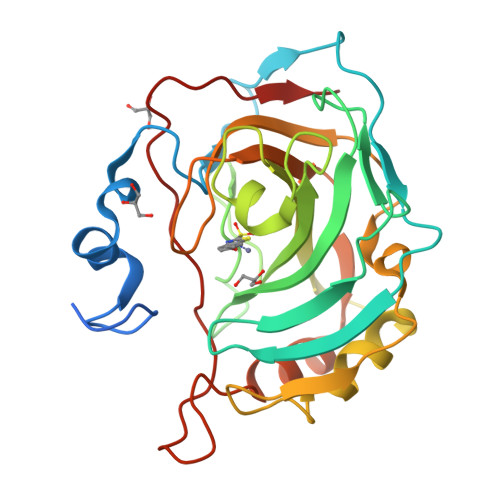 Click to view 3D structure | Carbonic anhydrase 7 | P43166 | Humans | Predicted (SEA) | - Prediction Confidence Score
- 0.303
- Applicability Domain
- 0.417
- Statistical Significance
- 0.0196
- Supporting Reference Compounds
- 242
- E-value
- 152.273
|
 Click to view 3D structure | Carbonic anhydrase 1 | P00915 | Humans | Predicted (SEA) | - Prediction Confidence Score
- 0.303
- Applicability Domain
- 0.417
- Statistical Significance
- 0.0362
- Supporting Reference Compounds
- 407
- E-value
- 281.97
|
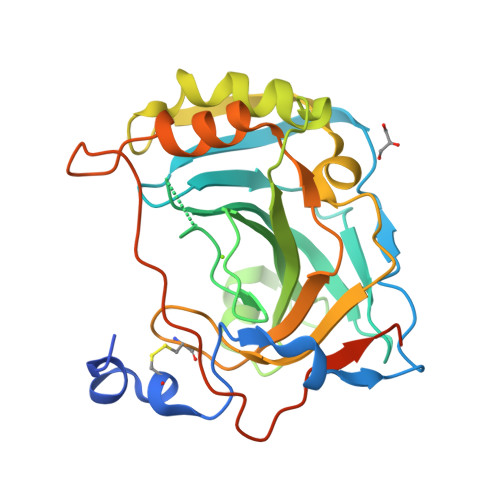 Click to view 3D structure | Carbonic anhydrase 6 | P23280 | Humans | Predicted (SEA) | - Prediction Confidence Score
- 0.285
- Applicability Domain
- 0.417
- Statistical Significance
- 0.0166
- Supporting Reference Compounds
- 151
- E-value
- 129.074
|
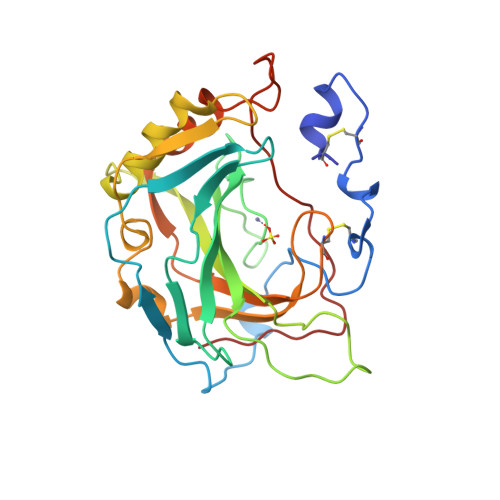 Click to view 3D structure | Carbonic anhydrase 4 | P22748 | Humans | Predicted (SEA) | - Prediction Confidence Score
- 0.284
- Applicability Domain
- 0.417
- Statistical Significance
- 0.0204
- Supporting Reference Compounds
- 193
- E-value
- 158.89
|
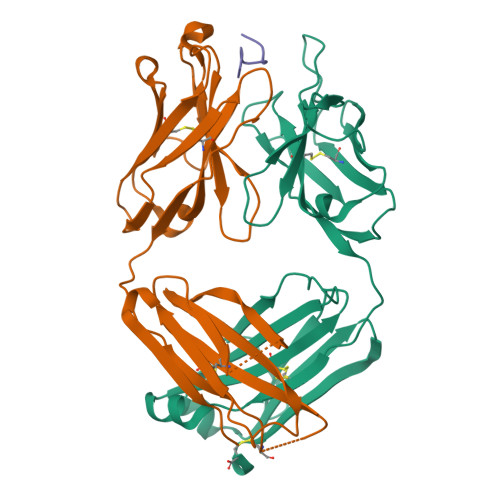 Click to view 3D structure | Carbonic anhydrase 9 | Q16790 | Humans | Predicted (SEA) | - Prediction Confidence Score
- 0.282
- Applicability Domain
- 0.417
- Statistical Significance
- 0.0557
- Supporting Reference Compounds
- 372
- E-value
- 433.309
|
 Click to view 3D structure | Alpha carbonic anhydrase | B5SU02 | Stylophora pistillata | Predicted (SEA) | - Prediction Confidence Score
- 0.28
- Applicability Domain
- 0.417
- Statistical Significance
- 0.0059
- Supporting Reference Compounds
- 43
- E-value
- 45.6975
|
| Click to view 3D structure | Carbonic anhydrase | C0IX24 | Stylophora pistillata | Predicted (SEA) | - Prediction Confidence Score
- 0.28
- Applicability Domain
- 0.417
- Statistical Significance
- 0.0059
- Supporting Reference Compounds
- 41
- E-value
- 45.6975
|
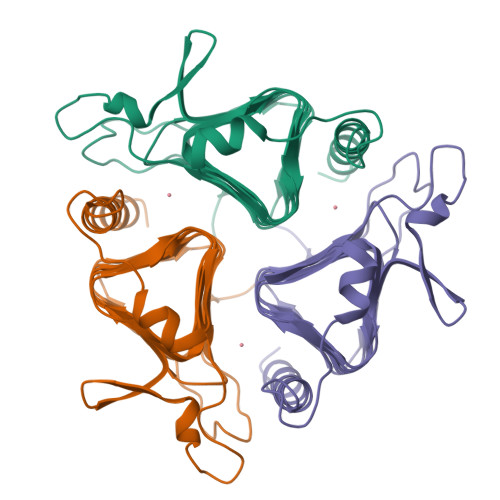 Click to view 3D structure | Carbonic anhydrase | P40881 | Methanosarcina thermophila | Predicted (SEA) | - Prediction Confidence Score
- 0.277
- Applicability Domain
- 0.417
- Statistical Significance
- 0.0042
- Supporting Reference Compounds
- 22
- E-value
- 32.8524
|
| Click to view 3D structure | Astrosclerin-3 | A6YCJ1 | Astrosclera willeyana | Predicted (SEA) | - Prediction Confidence Score
- 0.248
- Applicability Domain
- 0.417
- Statistical Significance
- 0.0099
- Supporting Reference Compounds
- 44
- E-value
- 77.1486
|
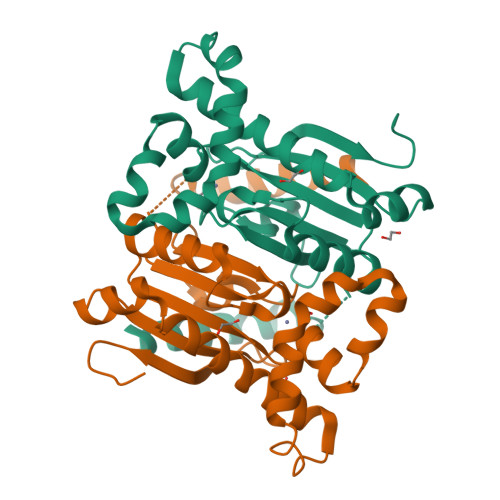 Click to view 3D structure | Carbonic anhydrase | P53615 | Saccharomyces cerevisiae S288c | Predicted (SEA) | - Prediction Confidence Score
- 0.24
- Applicability Domain
- 0.417
- Statistical Significance
- 0.0099
- Supporting Reference Compounds
- 34
- E-value
- 76.9929
|
 Click to view 3D structure | Carbonic anhydrase 2 | P00921 | Bos taurus | Predicted (SEA) | - Prediction Confidence Score
- 0.231
- Applicability Domain
- 0.294 Low confidence
- Statistical Significance
- 0.0149
- Supporting Reference Compounds
- 22
- E-value
- 116.385
|
 Click to view 3D structure | Carbonic anhydrase 13 | Q8N1Q1 | Humans | Predicted (SEA) | - Prediction Confidence Score
- 0.222
- Applicability Domain
- 0.294 Low confidence
- Statistical Significance
- 0.0838
- Supporting Reference Compounds
- 92
- E-value
- 652.065
|
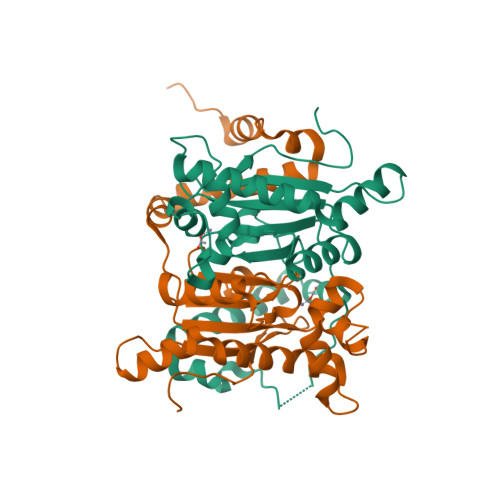 Click to view 3D structure | Carbonic anhydrase 2 | Q3I4V7 | Cryptococcus neoformans | Predicted (SEA) | - Prediction Confidence Score
- 0.212
- Applicability Domain
- 0.227 Low confidence
- Statistical Significance
- 0.0729
- Supporting Reference Compounds
- 60
- E-value
- 567.287
|
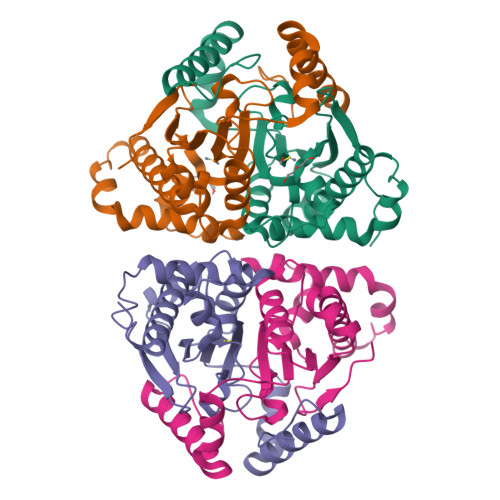 Click to view 3D structure | Carbonic anhydrase | Q5AJ71 | Candida albicans (strain SC5314 / ATCC MYA-2876) (Yeast) | Predicted (SEA) | - Prediction Confidence Score
- 0.212
- Applicability Domain
- 0.227 Low confidence
- Statistical Significance
- 0.0836
- Supporting Reference Compounds
- 68
- E-value
- 650.586
|
| Click to view 3D structure | Delta carbonic anhydrase | Q5U9J1 | Conticribra weissflogii | Predicted (SEA) | - Prediction Confidence Score
- 0.21
- Applicability Domain
- 0.217 Low confidence
- Statistical Significance
- 0.0212
- Supporting Reference Compounds
- 35
- E-value
- 164.885
|
 Click to view 3D structure | Carbonic anhydrase 12 | O43570 | Humans | Predicted (SEA) | - Prediction Confidence Score
- 0.207
- Applicability Domain
- 0.217 Low confidence
- Statistical Significance
- 0.416
- Supporting Reference Compounds
- 332
- E-value
- 3238.22
|
| Click to view 3D structure | Carbonate dehydratase | B2V8E3 | Sulfurihydrogenibium sp. (strain YO3AOP1) | Predicted (SEA) | - Prediction Confidence Score
- 0.204
- Applicability Domain
- 0.217 Low confidence
- Statistical Significance
- 0.0263
- Supporting Reference Compounds
- 40
- E-value
- 205.133
|
| Click to view 3D structure | Carbonic anhydrase | O24855 | Helicobacter pylori (strain ATCC 700392 / 26695) (Campylobacterpylori) | Predicted (SEA) | - Prediction Confidence Score
- 0.204
- Applicability Domain
- 0.217 Low confidence
- Statistical Significance
- 0.033
- Supporting Reference Compounds
- 38
- E-value
- 257.292
|
| Click to view 3D structure | Carbonic anhydrase | Q6FTL6 | Candida glabrata CBS 138 | Predicted (SEA) | - Prediction Confidence Score
- 0.204
- Applicability Domain
- 0.217 Low confidence
- Statistical Significance
- 0.0615
- Supporting Reference Compounds
- 46
- E-value
- 479.006
|
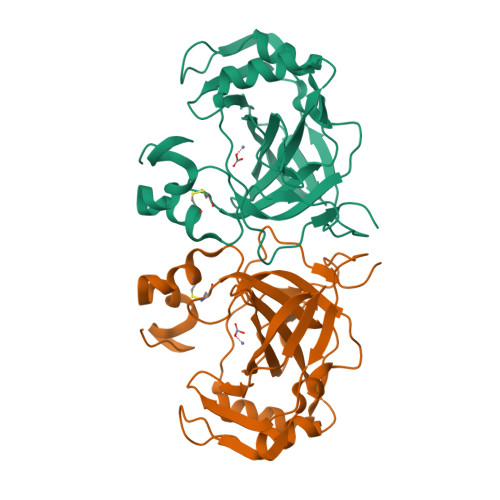 Click to view 3D structure | Carbonic anhydrase, alpha family | Q31FD6 | Thiomicrospira crunogena | Predicted (SEA) | - Prediction Confidence Score
- 0.204
- Applicability Domain
- 0.217 Low confidence
- Statistical Significance
- 0.0263
- Supporting Reference Compounds
- 41
- E-value
- 205.133
|
| Click to view 3D structure | Carbonic anhydrase 15 | Q99N23 | Mus musculus | Predicted (SEA) | - Prediction Confidence Score
- 0.204
- Applicability Domain
- 0.217 Low confidence
- Statistical Significance
- 0.1463
- Supporting Reference Compounds
- 78
- E-value
- 1139.17
|
 Click to view 3D structure | Beta-carbonic anhydrase 1 | P9WPJ7 | Mycobacterium tuberculosis | Predicted (SEA) | - Prediction Confidence Score
- 0.204
- Applicability Domain
- 0.217 Low confidence
- Statistical Significance
- 0.081
- Supporting Reference Compounds
- 55
- E-value
- 630.812
|
| Click to view 3D structure | Carbonic anhydrase 5B, mitochondrial | Q9Y2D0 | Humans | Predicted (SEA) | - Prediction Confidence Score
- 0.204
- Applicability Domain
- 0.217 Low confidence
- Statistical Significance
- 0.2257
- Supporting Reference Compounds
- 157
- E-value
- 1757.21
|
| Click to view 3D structure | AGAP002992-PA | Q5TU56 | Anopheles gambiae | Predicted (SEA) | - Prediction Confidence Score
- 0.202
- Applicability Domain
- 0.217 Low confidence
- Statistical Significance
- 0.0232
- Supporting Reference Compounds
- 30
- E-value
- 180.299
|

