3-[(2z,5z)-2-[[3-(2-carboxyethyl)-5-[(z)-(3-ethenyl-4-methyl-5-oxopyrrol-2-ylidene)methyl]-4-methyl-1h-pyrrol-2-yl]methylidene]-5-[(4-ethenyl-3-methyl-5-oxopyrrol-2-yl)methylidene]-4-methylpyrrol-3-yl]propanoic acid (CED0177914)

Record Information
Version1.0
Creation Date2026-08-22 11:08:12 UTC
Update Date2026-08-22 11:08:12 UTC
SynCED IDCED0177914
Secondary Accession Numbers
  • CHEM213974
Identification
Common Name3-[(2z,5z)-2-[[3-(2-carboxyethyl)-5-[(z)-(3-ethenyl-4-methyl-5-oxopyrrol-2-ylidene)methyl]-4-methyl-1h-pyrrol-2-yl]methylidene]-5-[(4-ethenyl-3-methyl-5-oxopyrrol-2-yl)methylidene]-4-methylpyrrol-3-yl]propanoic acid
ClassSmall Molecule
Description
3-[(2z,5z)-2-[[3-(2-carboxyethyl)-5-[(z)-(3-ethenyl-4-methyl-5-oxopyrrol-2-ylidene)methyl]-4-methyl-1h-pyrrol-2-yl]methylidene]-5-[(4-ethenyl-3-methyl-5-oxopyrrol-2-yl)methylidene]-4-methylpyrrol-3-yl]propanoic acid belongs to the bilirubins, a subclass of tetrapyrroles and derivatives within the organic compounds. With an average molecular weight of 582.60 g/mol, 3-[(2z,5z)-2-[[3-(2-carboxyethyl)-5-[(z)-(3-ethenyl-4-methyl-5-oxopyrrol-2-ylidene)methyl]-4-methyl-1h-pyrrol-2-yl]methylidene]-5-[(4-ethenyl-3-methyl-5-oxopyrrol-2-yl)methylidene]-4-methylpyrrol-3-yl]propanoic acid is a heavy molecule. This compound, which has the formula C33H34N4O6, is recorded as being found in or released from the preparation of vinegar. Biologically, the compound acts as an antioxidant (PMC13104097 ). Additionally, it is noted for having a therapeutic effect on inflammation (PMC3604738 ).
Contaminant TypeNot Available
Chemical Structure
SynonymsNot Available
Chemical FormulaC33H34N4O6
Average Molecular Mass582.600 g/mol
Monoisotopic Mass582.248 g/mol
CAS Registry Number114-25-0
IUPAC NameNot Available
Traditional NameNot Available
SMILESNot Available
InChI IdentifierInChI=1S/C33H34N4O6/c1-7-20-19(6)32(42)37-27(20)14-25-18(5)23(10-12-31(40)41)29(35-25)15-28-22(9-11-30(38)39)17(4)24(34-28)13-26-16(3)21(8-2)33(43)36-26/h7-8,13-15,34-35H,1-2,9-12H2,3-6H3,(H,37,42)(H,38,39)(H,40,41)/b24-13-,27-14-,28-15-
InChI KeyRCNSAJSGRJSBKK-NSQVQWHSSA-N
Chemical Taxonomy
ClassificationNot classified
Biological Properties
StatusDetected and Not Quantified
OriginNot Available
Cellular LocationsNot Available
Biofluid LocationsNot Available
Tissue LocationsNot Available
ApplicationsNot Available
Biological Roles
Chemical RolesNot Available
Organoleptic Effects
  • cloudy colour ?
Physical Properties
StateNot Available
AppearanceNot Available
Experimental Properties
PropertyValue
Melting PointNot Available
Boiling PointNot Available
SolubilityNot Available
Predicted PropertiesNot Available
Spectra
SpectraNot Available
Toxicity Profile
Toxicity Values
Toxicity ValueOrganismDose DescriptorRoute of ExposurePredicted or ExperimentalToxicity RatingReference
2152.0 Log mg/kg [1200:3800]RatLD50oralpredictedNot AvailableNot Available
Toxicity / Toxin ClassNot Available
Mechanism of ToxicityNot Available
Carcinogenicity (IARC Classification)Not Available
Minimum Risk LevelNot Available
SymptomsNot Available
TreatmentNot Available
Health Effects
Health EffectRelationshipDirectionDescriptionReference
inflammationHas Therapeutic Effect OnNot AvailableNot AvailablePMC3604738 , PMC11445656
AcneHas Therapeutic Effect OnNot AvailableA disorder of the skin in which oil glands and hair glands become inflamed.PMC11851452
dermatitisNot AvailableNot AvailableNot AvailablePMC11851452
Cell DeathHas Therapeutic Effect OnNot AvailableNot AvailablePMC6210295
Oxidative StressAssociated With?Not AvailableNot AvailablePMC5946256
Oxidative StressHas Therapeutic Effect OnNot AvailableNot AvailablePMC7570968 , PMC9656914
MortalityAssociated With?increaseNot AvailablePMC9618204
SepsisHas Therapeutic Effect OnNot AvailableNot AvailablePMC9618204
Premature birthAssociated With?Not AvailableNot AvailablePMC8555706
Premature birthElevated in Blood InincreaseNot AvailablePMC8555706
EndotoxemiaHas Therapeutic Effect OnNot AvailableNot AvailablePMC9618204
Mesenteric IschemiaHas Therapeutic Effect OnNot AvailableNot AvailablePMC9618204
Exposure Sources
Source IDSourceSectorReference
CEDs000010Insecticides?Insecticides are synthetic chemicals designed to control or eliminate insect pests that threaten crops and other agricultural products.Agriculture & land managementPubChem
CEDs000115Drinking water?Drinking water can be a medium for synthetic chemical contamination, often originating from various industrial processes and agricultural practices.Drinking water & water supplyPMC11851452
CEDs000511Conductors Or Conductive Bodies Characterised By The Conductive Materials?Conductors, or conductive bodies, are materials that allow the flow of electrical current, typically made from metals such as copper, aluminum, or silver.Electrical & Electronic EquipmentPubChem
CEDs000519Electrodes?Electrodes, used in various electrical and electronic applications, can be a source of synthetic chemical contamination due to the materials from which they are constructed and the processes involved in their manufacturing.Electrical & Electronic EquipmentPubChem
CEDs000545Food Preservation?Food preservation often involves the use of synthetic chemicals, such as preservatives, flavor enhancers, and color additives, to extend shelf life and enhance the sensory qualities of food products.Food, food processing & cookwarePubChem
CEDs000548Preparation Of Vinegar?Vinegar is produced through the fermentation of ethanol by acetic acid bacteria, resulting in a solution that typically contains 4-8% acetic acid.Food, food processing & cookwarePubChem
CEDs000556Cigar Cigarettes?Cigar cigarettes are a source of synthetic chemical contamination due to the combustion of various tobacco blends and additives.Household cleaning & consumer productsPubChem
CEDs000561Perfumes Within Detergents And Soaps?Perfumes within detergents and soaps are synthetic fragrance compounds added to enhance the sensory experience of cleaning products.Household cleaning & consumer productsPubChem
CEDs000563Soap Detergents?Soap detergents are synthetic surfactants designed to enhance the cleaning efficacy of water by reducing surface tension, allowing for better interaction with dirt and grease.Household cleaning & consumer productsPubChem
CEDs000580Manufacture Preparation Of Tobacco Products?The manufacture and preparation of tobacco products involve various processes that can result in the introduction of synthetic chemicals into the environment.Industrial manufacturing & chemical processingPubChem
CEDs000600Herbicides And Algicides?Herbicides and algicides are synthetic chemicals primarily used to control unwanted plants and algae in various environments.Agriculture & land managementPubChem
CEDs000609Aftershave?Aftershave is a grooming product typically used to soothe and protect the skin following shaving.Personal care & cosmeticsPubChem
CEDs000610Aftersun Products?Aftersun products are designed to soothe and hydrate the skin after sun exposure, often containing various synthetic chemicals such as emollients, preservatives, and fragrances.Personal care & cosmeticsPubChem
CEDs000611Anti Perspirants Or Body Deoderants?Antiperspirants and body deodorants commonly contain synthetic chemicals such as aluminum compounds, parabens, and synthetic fragrances.Personal care & cosmeticsPubChem
CEDs000612Body Washing Or Cleaning Implements?Body washing or cleaning implements, such as synthetic sponges, loofahs, and washcloths, can be sources of synthetic chemical contamination due to the materials used in their production.Personal care & cosmeticsPubChem
CEDs000613Depilatories?Depilatories are products designed to remove unwanted hair through the application of synthetic chemicals that break down the protein structure of hair, facilitating its removal.Personal care & cosmeticsPubChem
CEDs000614Essential Oils Or Perfumes?Essential oils and perfumes are complex mixtures of volatile compounds derived from natural or synthetic sources, commonly used for their aromatic properties.Personal care & cosmeticsPubChem
CEDs000615Eye Makeup Products?Eye makeup products, including mascaras, eyeliners, and eyeshadows, often contain a variety of synthetic chemicals such as pigments, preservatives, and film-forming agents.Personal care & cosmeticsPubChem
CEDs000617Lip Care Products?Lip care products, including lipsticks, balms, and glosses, often contain a variety of synthetic chemicals such as parabens, phthalates, and synthetic fragrances.Personal care & cosmeticsPubChem
CEDs000618Lip Makeup Products?Lip makeup products, such as lipsticks, lip glosses, and lip liners, often contain a variety of synthetic chemicals, including pigments, preservatives, and emollients.Personal care & cosmeticsPubChem
CEDs000619Manicure Pedicure?Manicure and pedicure procedures often involve the use of various synthetic chemicals, including solvents, nail polishes, and nail adhesives.Personal care & cosmeticsPubChem
CEDs000678Nitrogenous Fertilisers?Nitrogenous fertilizers are synthetic chemical compounds primarily used to enhance plant growth by supplying essential nitrogen, a crucial nutrient for photosynthesis and protein synthesis.Agriculture & land managementPubChem
CEDs000685Ceramics?Ceramics can be a source of synthetic chemical contamination through various additives and processing agents used in their production.Building & ConstructionPubChem
CEDs000696Nanotechnology?Nanotechnology involves the manipulation of materials at the molecular or atomic level, typically within the range of 1 to 100 nanometers.Industrial manufacturing & chemical processingPubChem
CEDs000734Coating Compositions?Coating compositions, which include paints, sealants, and varnishes, are formulated with a variety of synthetic chemicals such as solvents, resins, pigments, and additives.Building & ConstructionPubChem
CEDs000739Inks?Inks are complex mixtures composed of pigments or dyes, solvents, resins, and additives used primarily for printing and writing applications.Paper, pulp & fiber productsPubChem
CEDs000740Paper?Paper production involves the processing of wood fibers and the use of various chemicals, which can lead to synthetic chemical contamination.Paper, pulp & fiber productsPubChem
CEDs000741Pigment Pastes?Pigment pastes are concentrated dispersions of pigments used to impart color and properties to materials.Paper, pulp & fiber productsPubChem
CEDs000742Leather Tanning?Leather tanning is a process that transforms raw animal hides into durable leather through the application of various chemicals, including chromium salts, aldehydes, and vegetable tannins.Textiles, leather & furnishingsPubChem
CEDs000743Sludge Treatment?Sludge treatment involves the processing of waste materials generated from wastewater treatment plants, which often contain a variety of organic and inorganic substances.Wastewater, sanitation & biosolidsPubChem
CEDs000744Water, Wastewater, & Sewage Treatment?Water, wastewater, and sewage treatment processes are critical for managing and mitigating pollutants in water systems.Wastewater, sanitation & biosolidsPubChem
CEDs02845CosmeticsPersonal care & cosmeticsPMC11851452
Pathways
0 pathwaysPathway Source: PathBank

No pathways found

No metabolic pathways have been associated with this synthetic chemical

Targets
StructureProteinUniProt IDOrganismRelationshipDetails
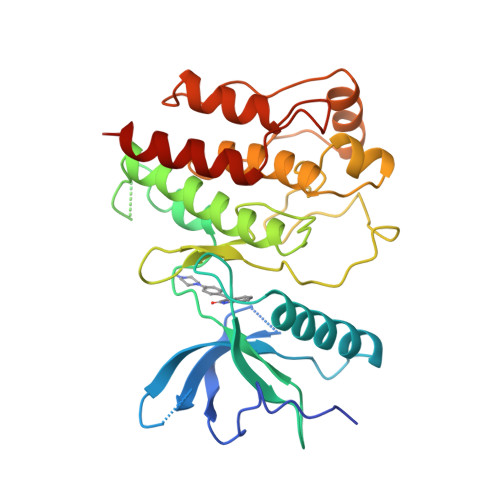
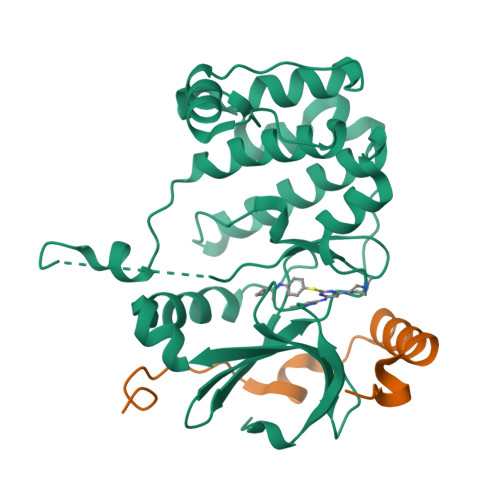
Fibroblast growth factor receptor 1 structureClick to view 3D structureFibroblast growth factor receptor 1P11362HumansPredicted (SEA)
Prediction Confidence Score
0.269
Applicability Domain
0.3
Statistical Significance
0.2276
Supporting Reference Compounds
1010
E-value
1771.61
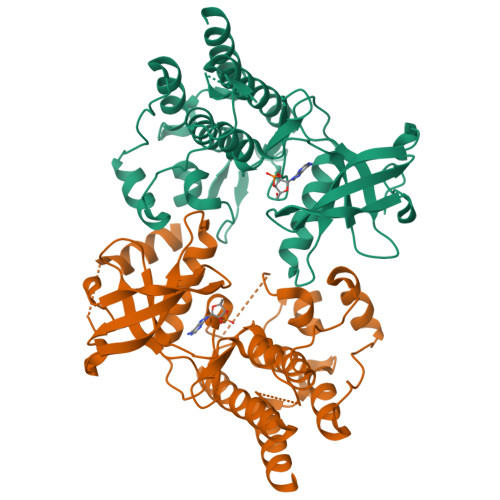
Vascular endothelial growth factor receptor 2 structureClick to view 3D structureVascular endothelial growth factor receptor 2P35968HumansPredicted (SEA)
Prediction Confidence Score
0.269
Applicability Domain
0.3
Statistical Significance
0.2933
Supporting Reference Compounds
1660
E-value
2283.71
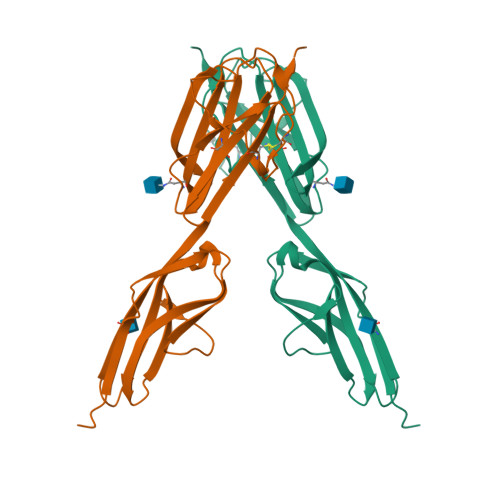
Platelet-derived growth factor receptor beta structureClick to view 3D structurePlatelet-derived growth factor receptor betaP09619HumansPredicted (SEA)
Prediction Confidence Score
0.253
Applicability Domain
0.3
Statistical Significance
0.2517
Supporting Reference Compounds
597
E-value
1959.85
Proto-oncogene tyrosine-protein kinase Src structureClick to view 3D structureProto-oncogene tyrosine-protein kinase SrcP12931HumansPredicted (SEA)
Prediction Confidence Score
0.241
Applicability Domain
0.3
Statistical Significance
0.4602
Supporting Reference Compounds
1158
E-value
3582.7
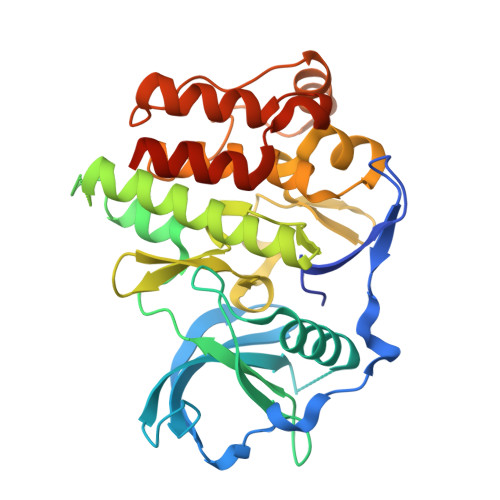
Aurora kinase A structureClick to view 3D structureAurora kinase AO14965HumansPredicted (SEA)
Prediction Confidence Score
0.231
Applicability Domain
0.3
Statistical Significance
0.5453
Supporting Reference Compounds
996
E-value
4244.88
Receptor-type tyrosine-protein kinase FLT3 structureClick to view 3D structureReceptor-type tyrosine-protein kinase FLT3P36888HumansPredicted (SEA)
Prediction Confidence Score
0.229
Applicability Domain
0.3
Statistical Significance
0.6118
Supporting Reference Compounds
1274
E-value
4763.2
Epidermal growth factor receptor structureClick to view 3D structureEpidermal growth factor receptorP00533HumansPredicted (SEA)
Prediction Confidence Score
0.222
Applicability Domain
0.3
Statistical Significance
0.709
Supporting Reference Compounds
1301
E-value
5519.28
Aurora kinase B structureClick to view 3D structureAurora kinase BQ96GD4HumansPredicted (SEA)
Prediction Confidence Score
0.22
Applicability Domain
0.3
Statistical Significance
0.6702
Supporting Reference Compounds
1017
E-value
5217.45
Proto-oncogene tyrosine-protein kinase receptor Ret structureClick to view 3D structureProto-oncogene tyrosine-protein kinase receptor RetP07949HumansPredicted (SEA)
Prediction Confidence Score
0.218
Applicability Domain
0.3
Statistical Significance
0.6444
Supporting Reference Compounds
764
E-value
5016.6
Vascular endothelial growth factor receptor 1 structureClick to view 3D structureVascular endothelial growth factor receptor 1P17948HumansPredicted (SEA)
Prediction Confidence Score
0.215
Applicability Domain
0.3
Statistical Significance
0.6496
Supporting Reference Compounds
711
E-value
5057.16
Click to view 3D structureInhibitor of nuclear factor kappa-B kinase subunit epsilonQ14164HumansPredicted (SEA)
Prediction Confidence Score
0.213
Applicability Domain
0.3
Statistical Significance
0.521
Supporting Reference Compounds
304
E-value
4055.71
Click to view 3D structureMitogen-activated protein kinase kinase kinase kinase 2Q12851HumansPredicted (SEA)
Prediction Confidence Score
0.213
Applicability Domain
0.3
Statistical Significance
0.6635
Supporting Reference Compounds
657
E-value
5165.06
Serine/threonine-protein kinase 3 structureClick to view 3D structureSerine/threonine-protein kinase 3Q13188HumansPredicted (SEA)
Prediction Confidence Score
0.213
Applicability Domain
0.3
Statistical Significance
0.6523
Supporting Reference Compounds
641
E-value
5078.26
Ribosomal protein S6 kinase alpha-5 structureClick to view 3D structureRibosomal protein S6 kinase alpha-5O75582HumansPredicted (SEA)
Prediction Confidence Score
0.213
Applicability Domain
0.3
Statistical Significance
0.5472
Supporting Reference Compounds
389
E-value
4259.6
Vascular endothelial growth factor receptor 3 structureClick to view 3D structureVascular endothelial growth factor receptor 3P35916HumansPredicted (SEA)
Prediction Confidence Score
0.197
Applicability Domain
0.3
Statistical Significance
0.8325
Supporting Reference Compounds
687
E-value
6481.1
Macrophage colony-stimulating factor 1 receptor structureClick to view 3D structureMacrophage colony-stimulating factor 1 receptorP07333HumansPredicted (SEA)
Prediction Confidence Score
0.195
Applicability Domain
0.3
Statistical Significance
0.8595
Supporting Reference Compounds
833
E-value
6690.91
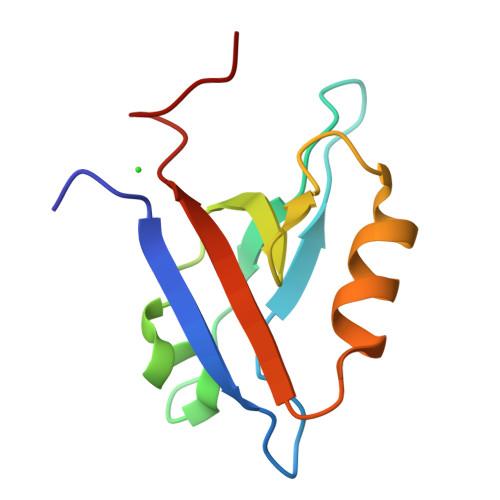
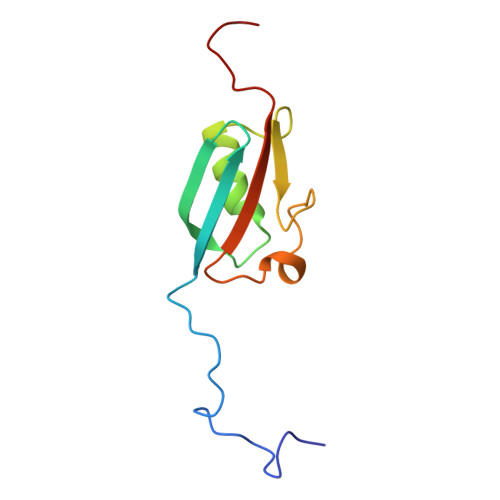
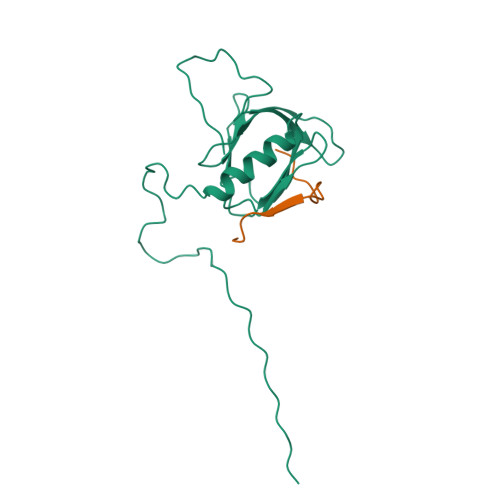
Small ubiquitin-related modifier 1 structureClick to view 3D structureSmall ubiquitin-related modifier 1P63165HumansPredicted (SEA)
Prediction Confidence Score
0.193
Applicability Domain
0.321
Statistical Significance
0.3321
Supporting Reference Compounds
95
E-value
2585.61
5'-AMP-activated protein kinase catalytic subunit alpha-1 structureClick to view 3D structure5'-AMP-activated protein kinase catalytic subunit alpha-1Q13131HumansPredicted (SEA)
Prediction Confidence Score
0.193
Applicability Domain
0.3
Statistical Significance
0.8463
Supporting Reference Compounds
596
E-value
6588.61
Tyrosine-protein kinase Fyn structureClick to view 3D structureTyrosine-protein kinase FynP06241HumansPredicted (SEA)
Prediction Confidence Score
0.192
Applicability Domain
0.3
Statistical Significance
0.8834
Supporting Reference Compounds
707
E-value
6877.51
Mast/stem cell growth factor receptor Kit structureClick to view 3D structureMast/stem cell growth factor receptor KitP10721HumansPredicted (SEA)
Prediction Confidence Score
0.19
Applicability Domain
0.3
Statistical Significance
0.8926
Supporting Reference Compounds
905
E-value
6949.06
ALK tyrosine kinase receptor structureClick to view 3D structureALK tyrosine kinase receptorQ9UM73HumansPredicted (SEA)
Prediction Confidence Score
0.189
Applicability Domain
0.3
Statistical Significance
0.897
Supporting Reference Compounds
708
E-value
6983.31
Hepatocyte growth factor receptor structureClick to view 3D structureHepatocyte growth factor receptorP08581HumansPredicted (SEA)
Prediction Confidence Score
0.189
Applicability Domain
0.3
Statistical Significance
0.9104
Supporting Reference Compounds
934
E-value
7087.63
Click to view 3D structureReplicative DNA helicaseA0A6L8Q2B7Bacillus anthracisPredicted (SEA)
Prediction Confidence Score
0.187
Applicability Domain
0.187 Low confidence
Statistical Significance
0.0571
Supporting Reference Compounds
1
E-value
444.753
Serine/threonine-protein kinase pim-1 structureClick to view 3D structureSerine/threonine-protein kinase pim-1P11309HumansPredicted (SEA)
Prediction Confidence Score
0.186
Applicability Domain
0.3
Statistical Significance
0.9272
Supporting Reference Compounds
967
E-value
7218.02
Maternal embryonic leucine zipper kinase structureClick to view 3D structureMaternal embryonic leucine zipper kinaseQ14680HumansPredicted (SEA)
Prediction Confidence Score
0.185
Applicability Domain
0.3
Statistical Significance
0.8713
Supporting Reference Compounds
478
E-value
6783.31
Aryl hydrocarbon receptor structureClick to view 3D structureAryl hydrocarbon receptorP35869HumansKnownNot Available
ATP-binding cassette sub-family B member 10, mitochondrial structureClick to view 3D structureATP-binding cassette sub-family B member 10, mitochondrialQ9NRK6HumansKnownNot Available
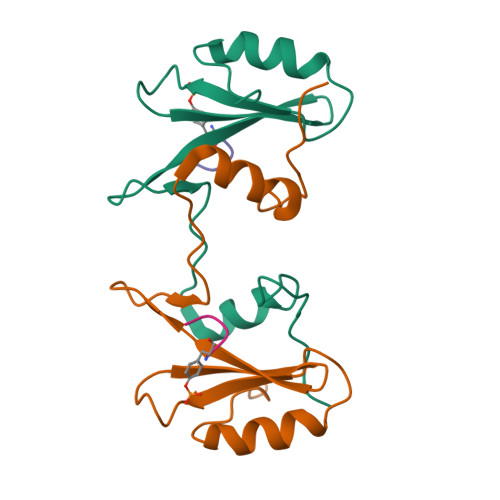
Biliverdin reductase A structureClick to view 3D structureBiliverdin reductase AP53004HumansKnownNot Available
Concentrations
Not Available
External Links
IdentifiersNot Available
References
Synthesis ReferenceNot Available
MSDSNot Available
General ReferencesNot Available