3h-1,3-thiazol-2-one (CED0165170)

Record Information
Version1.0
Creation Date2026-08-22 12:44:47 UTC
Update Date2026-08-22 12:44:47 UTC
SynCED IDCED0165170
Secondary Accession Numbers
  • CHEM215227
Identification
Common Name3h-1,3-thiazol-2-one
ClassSmall Molecule
Description
3h-1,3-thiazol-2-one is an organic compound with the formula C3H3NOS and an average molecular weight of 101.13 g/mol. 3h-1,3-thiazol-2-one belongs to the thiazoles, a subclass of azoles within the organic compounds. This organoheterocyclic compound is found in or released from one recorded source: electrical and electronic equipment, specifically thin magnetic films.
Contaminant TypeNot Available
Chemical Structure
SynonymsNot Available
Chemical FormulaC3H3NOS
Average Molecular Mass101.130 g/mol
Monoisotopic Mass100.994 g/mol
CAS Registry Number82358-07-4
IUPAC NameNot Available
Traditional NameNot Available
SMILESNot Available
InChI IdentifierInChI=1S/C3H3NOS/c5-3-4-1-2-6-3/h1-2H,(H,4,5)
InChI KeyCZWWCTHQXBMHDA-UHFFFAOYSA-N
Chemical Taxonomy
ClassificationNot classified
Biological Properties
StatusDetected and Not Quantified
OriginNot Available
Cellular LocationsNot Available
Biofluid LocationsNot Available
Tissue LocationsNot Available
ApplicationsNot Available
Biological RolesNot Available
Chemical RolesNot Available
Organoleptic EffectsNot Available
Physical Properties
StateNot Available
AppearanceNot Available
Experimental Properties
PropertyValue
Melting PointNot Available
Boiling PointNot Available
SolubilityNot Available
Predicted PropertiesNot Available
Spectra
SpectraNot Available
Toxicity Profile
Toxicity Values
Toxicity ValueOrganismDose DescriptorRoute of ExposurePredicted or ExperimentalToxicity RatingReference
387.0 Log mg/kg [220:690]RatLD50oralpredictedNot AvailableNot Available
Toxicity / Toxin ClassNot Available
Mechanism of ToxicityNot Available
Carcinogenicity (IARC Classification)Not Available
Minimum Risk LevelNot Available
SymptomsNot Available
TreatmentNot Available
Health Effects
Health EffectRelationshipDirectionDescriptionReference
Exposure Sources
Source IDSourceSectorReference
CEDs000010Insecticides?Insecticides are synthetic chemicals designed to control or eliminate insect pests that threaten crops and other agricultural products.Agriculture & land managementPubChem
CEDs000511Conductors Or Conductive Bodies Characterised By The Conductive Materials?Conductors, or conductive bodies, are materials that allow the flow of electrical current, typically made from metals such as copper, aluminum, or silver.Electrical & Electronic EquipmentPubChem
CEDs000519Electrodes?Electrodes, used in various electrical and electronic applications, can be a source of synthetic chemical contamination due to the materials from which they are constructed and the processes involved in their manufacturing.Electrical & Electronic EquipmentPubChem
CEDs000538Thin Magnetic Films?Thin magnetic films are layers of magnetic material ranging from a few nanometers to several micrometers in thickness, commonly used in applications such as magnetic sensors, data storage devices, and electronic components.Electrical & Electronic EquipmentPubChem
CEDs000545Food Preservation?Food preservation often involves the use of synthetic chemicals, such as preservatives, flavor enhancers, and color additives, to extend shelf life and enhance the sensory qualities of food products.Food, food processing & cookwarePubChem
CEDs000580Manufacture Preparation Of Tobacco Products?The manufacture and preparation of tobacco products involve various processes that can result in the introduction of synthetic chemicals into the environment.Industrial manufacturing & chemical processingPubChem
CEDs000581Paper Making Machines?Paper making machines utilize various synthetic chemicals throughout the production process, including additives, coatings, and bleaching agents.Industrial manufacturing & chemical processingPubChem
CEDs000596Acaricides?Acaricides are synthetic chemicals specifically designed to target and control mite populations that can damage crops and plants.Agriculture & land managementPubChem
CEDs000600Herbicides And Algicides?Herbicides and algicides are synthetic chemicals primarily used to control unwanted plants and algae in various environments.Agriculture & land managementPubChem
CEDs000603Nematocides?Nematocides are synthetic chemicals specifically designed to control nematodes, which are microscopic roundworms that can cause significant damage to crops and plants.Agriculture & land managementPubChem
CEDs000605Pest Repellants?Pest repellents, often formulated from synthetic chemicals, are widely used to protect crops from insect infestations and other pests.Agriculture & land managementPubChem
CEDs000614Essential Oils Or Perfumes?Essential oils and perfumes are complex mixtures of volatile compounds derived from natural or synthetic sources, commonly used for their aromatic properties.Personal care & cosmeticsPubChem
CEDs000615Eye Makeup Products?Eye makeup products, including mascaras, eyeliners, and eyeshadows, often contain a variety of synthetic chemicals such as pigments, preservatives, and film-forming agents.Personal care & cosmeticsPubChem
CEDs000632Apparel?Apparel production often involves the use of various synthetic chemicals, including dyes, finishing agents, and preservatives.Textiles, leather & furnishingsPubChem
CEDs000678Nitrogenous Fertilisers?Nitrogenous fertilizers are synthetic chemical compounds primarily used to enhance plant growth by supplying essential nitrogen, a crucial nutrient for photosynthesis and protein synthesis.Agriculture & land managementPubChem
CEDs000685Ceramics?Ceramics can be a source of synthetic chemical contamination through various additives and processing agents used in their production.Building & ConstructionPubChem
CEDs000688Glass Coatings?Glass coatings are synthetic chemical formulations applied to glass surfaces to enhance properties such as durability, UV resistance, and aesthetic appeal.Building & ConstructionPubChem
CEDs000696Nanotechnology?Nanotechnology involves the manipulation of materials at the molecular or atomic level, typically within the range of 1 to 100 nanometers.Industrial manufacturing & chemical processingPubChem
CEDs000705Bookbinding?Bookbinding involves the use of various synthetic chemicals, including adhesives, inks, and coatings, which can contribute to environmental contamination.Paper, pulp & fiber productsPubChem
CEDs000734Coating Compositions?Coating compositions, which include paints, sealants, and varnishes, are formulated with a variety of synthetic chemicals such as solvents, resins, pigments, and additives.Building & ConstructionPubChem
CEDs000735Explosives?Explosives are chemical compounds or mixtures designed to undergo rapid decomposition, releasing energy in the form of gas and heat.Defense & military infrastructurePubChem
CEDs000739Inks?Inks are complex mixtures composed of pigments or dyes, solvents, resins, and additives used primarily for printing and writing applications.Paper, pulp & fiber productsPubChem
CEDs000740Paper?Paper production involves the processing of wood fibers and the use of various chemicals, which can lead to synthetic chemical contamination.Paper, pulp & fiber productsPubChem
CEDs000741Pigment Pastes?Pigment pastes are concentrated dispersions of pigments used to impart color and properties to materials.Paper, pulp & fiber productsPubChem
CEDs000744Water, Wastewater, & Sewage Treatment?Water, wastewater, and sewage treatment processes are critical for managing and mitigating pollutants in water systems.Wastewater, sanitation & biosolidsPubChem
Pathways
0 pathwaysPathway Source: PathBank

No pathways found

No metabolic pathways have been associated with this synthetic chemical

Targets
StructureProteinUniProt IDOrganismRelationshipDetails
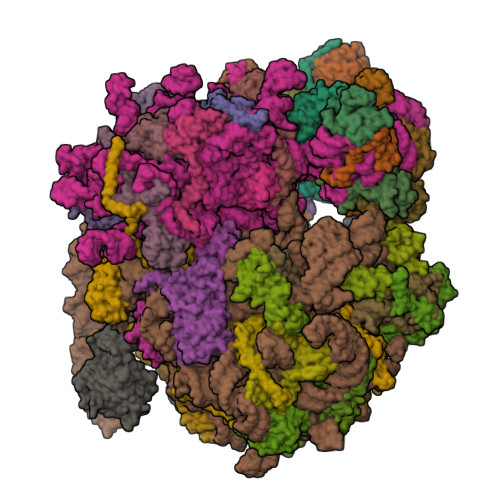
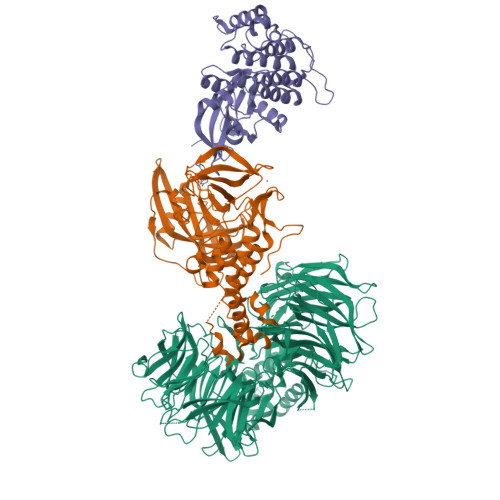
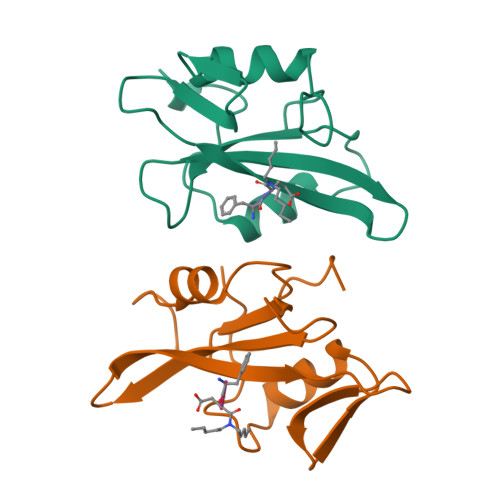
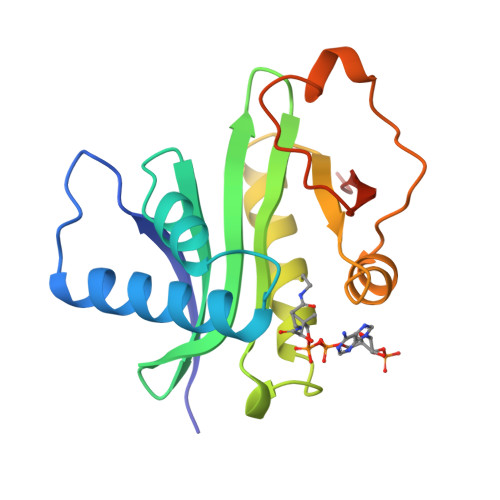
Methionine aminopeptidase 1 structureClick to view 3D structureMethionine aminopeptidase 1Q01662Saccharomyces cerevisiae S288cPredicted (SEA)
Prediction Confidence Score
0.252
Applicability Domain
0.275 Low confidence
Statistical Significance
9.30e-04
Supporting Reference Compounds
2
E-value
7.23998
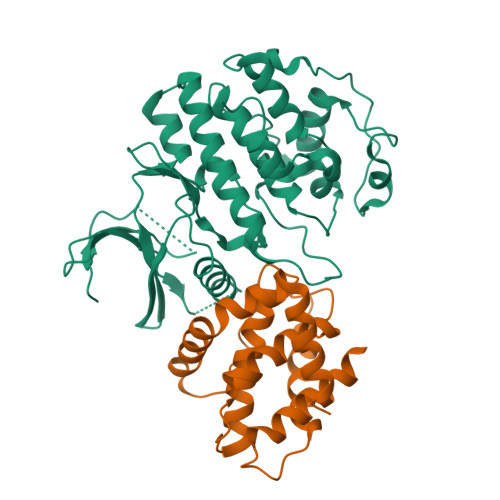
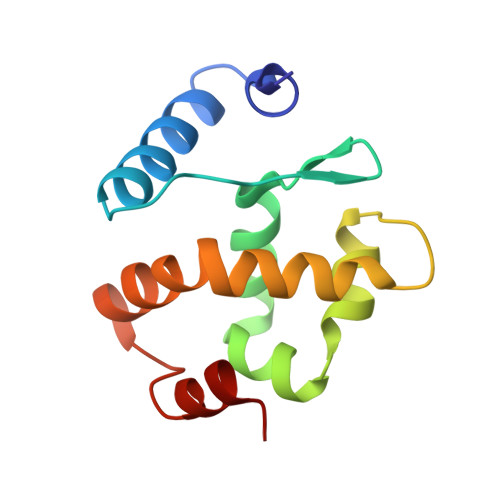
Click to view 3D structureCyclin-dependent kinase 20Q8IZL9HumansPredicted (SEA)
Prediction Confidence Score
0.229
Applicability Domain
0.229 Low confidence
Statistical Significance
0.0164
Supporting Reference Compounds
1
E-value
127.751
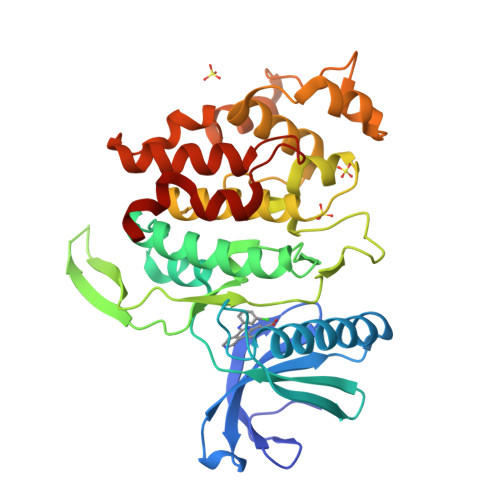
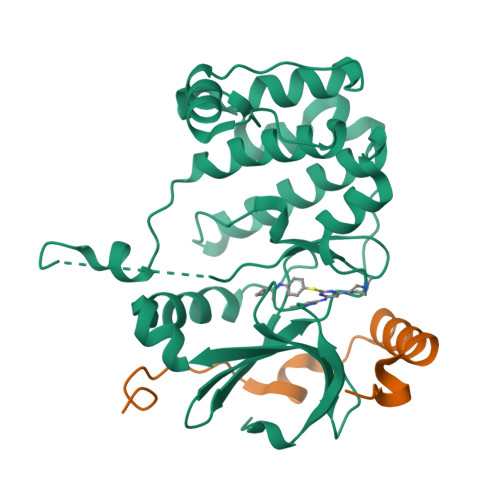
Cyclin-dependent kinase 5 structureClick to view 3D structureCyclin-dependent kinase 5Q00535HumansPredicted (SEA)
Prediction Confidence Score
0.219
Applicability Domain
0.258 Low confidence
Statistical Significance
0.6363
Supporting Reference Compounds
779
E-value
4953.55
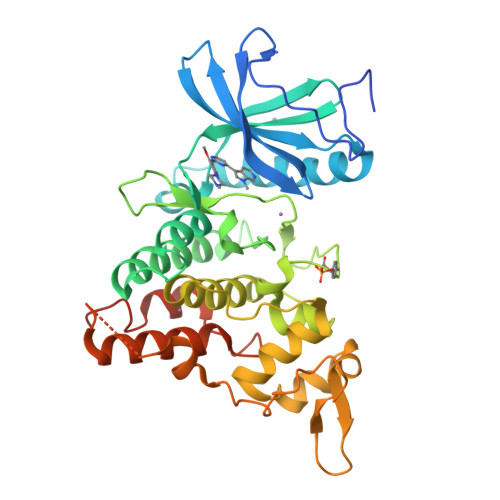
Cyclin-dependent kinase 8 structureClick to view 3D structureCyclin-dependent kinase 8P49336HumansPredicted (SEA)
Prediction Confidence Score
0.217
Applicability Domain
0.258 Low confidence
Statistical Significance
0.5293
Supporting Reference Compounds
367
E-value
4120.79
Cyclin-dependent kinase 9 structureClick to view 3D structureCyclin-dependent kinase 9P50750HumansPredicted (SEA)
Prediction Confidence Score
0.216
Applicability Domain
0.258 Low confidence
Statistical Significance
0.5494
Supporting Reference Compounds
426
E-value
4277.43
Cyclin-dependent kinase 2 structureClick to view 3D structureCyclin-dependent kinase 2P24941HumansPredicted (SEA)
Prediction Confidence Score
0.213
Applicability Domain
0.25 Low confidence
Statistical Significance
0.7427
Supporting Reference Compounds
1029
E-value
5781.71
Dual specificity tyrosine-phosphorylation-regulated kinase 1A structureClick to view 3D structureDual specificity tyrosine-phosphorylation-regulated kinase 1AQ13627HumansPredicted (SEA)
Prediction Confidence Score
0.21
Applicability Domain
0.258 Low confidence
Statistical Significance
0.7512
Supporting Reference Compounds
906
E-value
5847.96
Dual specificity protein kinase CLK4 structureClick to view 3D structureDual specificity protein kinase CLK4Q9HAZ1HumansPredicted (SEA)
Prediction Confidence Score
0.21
Applicability Domain
0.258 Low confidence
Statistical Significance
0.7203
Supporting Reference Compounds
742
E-value
5607.64
Dual specificity tyrosine-phosphorylation-regulated kinase 1B structureClick to view 3D structureDual specificity tyrosine-phosphorylation-regulated kinase 1BQ9Y463HumansPredicted (SEA)
Prediction Confidence Score
0.21
Applicability Domain
0.258 Low confidence
Statistical Significance
0.5832
Supporting Reference Compounds
377
E-value
4540.09
LIM domain kinase 1 structureClick to view 3D structureLIM domain kinase 1P53667HumansPredicted (SEA)
Prediction Confidence Score
0.206
Applicability Domain
0.258 Low confidence
Statistical Significance
0.7262
Supporting Reference Compounds
565
E-value
5653.18
Serine/threonine-protein kinase Chk1 structureClick to view 3D structureSerine/threonine-protein kinase Chk1O14757HumansPredicted (SEA)
Prediction Confidence Score
0.205
Applicability Domain
0.258 Low confidence
Statistical Significance
0.7925
Supporting Reference Compounds
807
E-value
6169.32
Casein kinase I isoform alpha structureClick to view 3D structureCasein kinase I isoform alphaP48729HumansPredicted (SEA)
Prediction Confidence Score
0.202
Applicability Domain
0.258 Low confidence
Statistical Significance
0.7844
Supporting Reference Compounds
674
E-value
6106.34
Prostaglandin G/H synthase 2 structureClick to view 3D structureProstaglandin G/H synthase 2Q05769Mus musculusPredicted (SEA)
Prediction Confidence Score
0.201
Applicability Domain
0.229 Low confidence
Statistical Significance
0.1129
Supporting Reference Compounds
43
E-value
879.307
Methionine aminopeptidase structureClick to view 3D structureMethionine aminopeptidaseP0AE18Escherichia coli (strain K12)Predicted (SEA)
Prediction Confidence Score
0.2
Applicability Domain
0.275 Low confidence
Statistical Significance
0.0187
Supporting Reference Compounds
13
E-value
145.344
Cytochrome P450 2A6 structureClick to view 3D structureCytochrome P450 2A6P11509HumansPredicted (SEA)
Prediction Confidence Score
0.198
Applicability Domain
0.229 Low confidence
Statistical Significance
0.0741
Supporting Reference Compounds
68
E-value
577.018
Click to view 3D structurePolyunsaturated fatty acid 5-lipoxygenaseP12527Rattus norvegicusPredicted (SEA)
Prediction Confidence Score
0.197
Applicability Domain
0.229 Low confidence
Statistical Significance
0.2145
Supporting Reference Compounds
78
E-value
1670.18
Aurora kinase B structureClick to view 3D structureAurora kinase BQ96GD4HumansPredicted (SEA)
Prediction Confidence Score
0.196
Applicability Domain
0.229 Low confidence
Statistical Significance
0.8756
Supporting Reference Compounds
1017
E-value
6816.24
Cytochrome P450 3A4 structureClick to view 3D structureCytochrome P450 3A4P08684HumansPredicted (SEA)
Prediction Confidence Score
0.196
Applicability Domain
0.229 Low confidence
Statistical Significance
0.9597
Supporting Reference Compounds
1538
E-value
7471.5
Lysine-specific demethylase 5C structureClick to view 3D structureLysine-specific demethylase 5CP41229HumansPredicted (SEA)
Prediction Confidence Score
0.194
Applicability Domain
0.2 Low confidence
Statistical Significance
0.1696
Supporting Reference Compounds
45
E-value
1320.63
Click to view 3D structureGlucose-6-phosphate dehydrogenase-6-phosphogluconolactonaseQ9BHT9Plasmodium bergheiPredicted (SEA)
Prediction Confidence Score
0.194
Applicability Domain
0.263 Low confidence
Statistical Significance
0.258
Supporting Reference Compounds
105
E-value
2008.74
Tyrosine-protein kinase SYK structureClick to view 3D structureTyrosine-protein kinase SYKP43405HumansPredicted (SEA)
Prediction Confidence Score
0.194
Applicability Domain
0.25 Low confidence
Statistical Significance
0.8339
Supporting Reference Compounds
625
E-value
6491.69
Click to view 3D structureBeta-lactamaseQ44079Aeromonas hydrophilaPredicted (SEA)
Prediction Confidence Score
0.194
Applicability Domain
0.2 Low confidence
Statistical Significance
0.0203
Supporting Reference Compounds
2
E-value
157.956
Proto-oncogene tyrosine-protein kinase Src structureClick to view 3D structureProto-oncogene tyrosine-protein kinase SrcP12931HumansPredicted (SEA)
Prediction Confidence Score
0.194
Applicability Domain
0.25 Low confidence
Statistical Significance
0.9054
Supporting Reference Compounds
1158
E-value
7048.55
Histone acetyltransferase KAT2B structureClick to view 3D structureHistone acetyltransferase KAT2BQ92831HumansPredicted (SEA)
Prediction Confidence Score
0.192
Applicability Domain
0.263 Low confidence
Statistical Significance
0.0666
Supporting Reference Compounds
43
E-value
518.242
Lysine-specific demethylase 4A structureClick to view 3D structureLysine-specific demethylase 4AO75164HumansPredicted (SEA)
Prediction Confidence Score
0.192
Applicability Domain
0.2 Low confidence
Statistical Significance
0.2252
Supporting Reference Compounds
54
E-value
1753.09
Concentrations
Not Available
External Links
IdentifiersNot Available
References
Synthesis ReferenceNot Available
MSDSNot Available
General ReferencesNot Available