2-nitrosopropane (CED0016767)

Record Information
Version1.0
Creation Date2026-08-22 13:41:01 UTC
Update Date2026-08-22 13:41:01 UTC
SynCED IDCED0016767
Secondary Accession Numbers
  • CHEM215882
Identification
Common Name2-nitrosopropane
ClassSmall Molecule
Description
2-nitrosopropane is an organic nitrogen compound with the chemical formula C3H7NO and an average molecular weight of 73.09 g/mol. 2-nitrosopropane belongs to the organic nitroso compounds, a subclass of organonitrogen compounds within the organic compounds. This compound is found in or released from four recorded sources. These sources include electrical and electronic equipment, specifically thin magnetic films, superconducting magnets and superconducting coils, still video cameras, and electric hearing aids.
Contaminant TypeNot Available
Chemical Structure
SynonymsNot Available
Chemical FormulaC3H7NO
Average Molecular Mass73.090 g/mol
Monoisotopic Mass73.053 g/mol
CAS Registry Number920-40-1
IUPAC NameNot Available
Traditional NameNot Available
SMILESNot Available
InChI IdentifierInChI=1S/C3H7NO/c1-3(2)4-5/h3H,1-2H3
InChI KeyNDEOFSCLJFPNSR-UHFFFAOYSA-N
Chemical Taxonomy
ClassificationNot classified
Biological Properties
StatusDetected and Not Quantified
OriginNot Available
Cellular LocationsNot Available
Biofluid LocationsNot Available
Tissue LocationsNot Available
ApplicationsNot Available
Biological RolesNot Available
Chemical RolesNot Available
Organoleptic EffectsNot Available
Physical Properties
StateNot Available
AppearanceNot Available
Experimental Properties
PropertyValue
Melting PointNot Available
Boiling PointNot Available
SolubilityNot Available
Predicted PropertiesNot Available
Spectra
SpectraNot Available
Toxicity Profile
Toxicity Values
Toxicity ValueOrganismDose DescriptorRoute of ExposurePredicted or ExperimentalToxicity RatingReference
3828.0 Log mg/kg [2200:6800]RatLD50oralpredictedNot AvailableNot Available
Toxicity / Toxin ClassNot Available
Mechanism of ToxicityNot Available
Carcinogenicity (IARC Classification)Not Available
Minimum Risk LevelNot Available
SymptomsNot Available
TreatmentNot Available
Health Effects
Health EffectRelationshipDirectionDescriptionReference
Exposure Sources
Source IDSourceSectorReference
CEDs000511Conductors Or Conductive Bodies Characterised By The Conductive Materials?Conductors, or conductive bodies, are materials that allow the flow of electrical current, typically made from metals such as copper, aluminum, or silver.Electrical & Electronic EquipmentPubChem
CEDs000516Electric Hearing Aids?Electric hearing aids are small electronic devices designed to amplify sound for individuals with hearing loss.Electrical & Electronic EquipmentPubChem
CEDs000519Electrodes?Electrodes, used in various electrical and electronic applications, can be a source of synthetic chemical contamination due to the materials from which they are constructed and the processes involved in their manufacturing.Electrical & Electronic EquipmentPubChem
CEDs000524Hybrid Capacitors?Hybrid capacitors are energy storage devices that combine the properties of electrolytic and supercapacitors, utilizing a combination of electrochemical principles to achieve higher energy density and power density.Electrical & Electronic EquipmentPubChem
CEDs000534Still Video Cameras?Still video cameras, which capture images in digital format, can be a source of synthetic chemical contamination due to the materials and components used in their production and operation.Electrical & Electronic EquipmentPubChem
CEDs000535Superconducting Magnets And Superconducting Coils?Superconducting magnets and coils are utilized in various applications that require strong magnetic fields, such as magnetic resonance imaging (MRI) and particle accelerators.Electrical & Electronic EquipmentPubChem
CEDs000538Thin Magnetic Films?Thin magnetic films are layers of magnetic material ranging from a few nanometers to several micrometers in thickness, commonly used in applications such as magnetic sensors, data storage devices, and electronic components.Electrical & Electronic EquipmentPubChem
CEDs000545Food Preservation?Food preservation often involves the use of synthetic chemicals, such as preservatives, flavor enhancers, and color additives, to extend shelf life and enhance the sensory qualities of food products.Food, food processing & cookwarePubChem
CEDs000555Bleaching Agents?Bleaching agents are chemical substances used to whiten or lighten materials, often employed in various cleaning products for their stain removal and disinfecting properties.Household cleaning & consumer productsPubChem
CEDs000561Perfumes Within Detergents And Soaps?Perfumes within detergents and soaps are synthetic fragrance compounds added to enhance the sensory experience of cleaning products.Household cleaning & consumer productsPubChem
CEDs000563Soap Detergents?Soap detergents are synthetic surfactants designed to enhance the cleaning efficacy of water by reducing surface tension, allowing for better interaction with dirt and grease.Household cleaning & consumer productsPubChem
CEDs000609Aftershave?Aftershave is a grooming product typically used to soothe and protect the skin following shaving.Personal care & cosmeticsPubChem
CEDs000610Aftersun Products?Aftersun products are designed to soothe and hydrate the skin after sun exposure, often containing various synthetic chemicals such as emollients, preservatives, and fragrances.Personal care & cosmeticsPubChem
CEDs000611Anti Perspirants Or Body Deoderants?Antiperspirants and body deodorants commonly contain synthetic chemicals such as aluminum compounds, parabens, and synthetic fragrances.Personal care & cosmeticsPubChem
CEDs000614Essential Oils Or Perfumes?Essential oils and perfumes are complex mixtures of volatile compounds derived from natural or synthetic sources, commonly used for their aromatic properties.Personal care & cosmeticsPubChem
CEDs000615Eye Makeup Products?Eye makeup products, including mascaras, eyeliners, and eyeshadows, often contain a variety of synthetic chemicals such as pigments, preservatives, and film-forming agents.Personal care & cosmeticsPubChem
CEDs000618Lip Makeup Products?Lip makeup products, such as lipsticks, lip glosses, and lip liners, often contain a variety of synthetic chemicals, including pigments, preservatives, and emollients.Personal care & cosmeticsPubChem
CEDs000685Ceramics?Ceramics can be a source of synthetic chemical contamination through various additives and processing agents used in their production.Building & ConstructionPubChem
CEDs000688Glass Coatings?Glass coatings are synthetic chemical formulations applied to glass surfaces to enhance properties such as durability, UV resistance, and aesthetic appeal.Building & ConstructionPubChem
CEDs000696Nanotechnology?Nanotechnology involves the manipulation of materials at the molecular or atomic level, typically within the range of 1 to 100 nanometers.Industrial manufacturing & chemical processingPubChem
CEDs000734Coating Compositions?Coating compositions, which include paints, sealants, and varnishes, are formulated with a variety of synthetic chemicals such as solvents, resins, pigments, and additives.Building & ConstructionPubChem
CEDs000738Cooling Circuit Water?Cooling circuit water is utilized in various industrial processes to absorb and dissipate heat generated during operations.Industrial manufacturing & chemical processingPubChem
CEDs000739Inks?Inks are complex mixtures composed of pigments or dyes, solvents, resins, and additives used primarily for printing and writing applications.Paper, pulp & fiber productsPubChem
CEDs000740Paper?Paper production involves the processing of wood fibers and the use of various chemicals, which can lead to synthetic chemical contamination.Paper, pulp & fiber productsPubChem
CEDs000741Pigment Pastes?Pigment pastes are concentrated dispersions of pigments used to impart color and properties to materials.Paper, pulp & fiber productsPubChem
CEDs000743Sludge Treatment?Sludge treatment involves the processing of waste materials generated from wastewater treatment plants, which often contain a variety of organic and inorganic substances.Wastewater, sanitation & biosolidsPubChem
CEDs000744Water, Wastewater, & Sewage Treatment?Water, wastewater, and sewage treatment processes are critical for managing and mitigating pollutants in water systems.Wastewater, sanitation & biosolidsPubChem
Pathways
0 pathwaysPathway Source: PathBank

No pathways found

No metabolic pathways have been associated with this synthetic chemical

Targets
StructureProteinUniProt IDOrganismRelationshipDetails
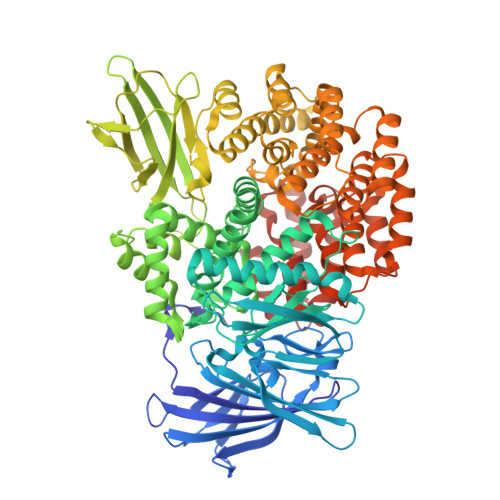
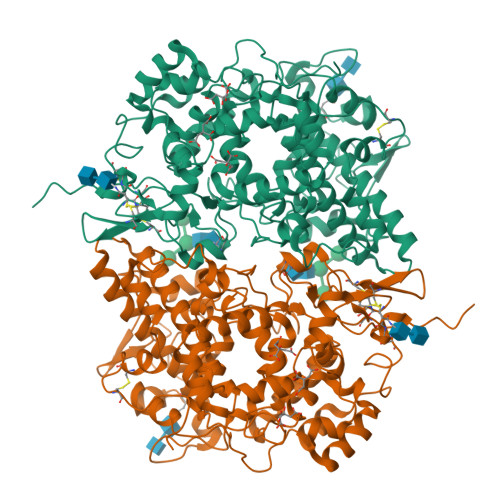
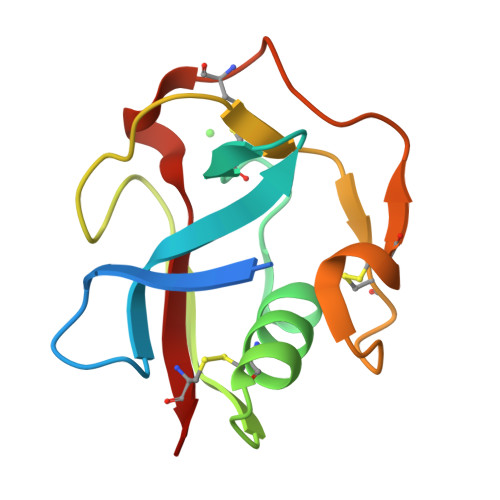
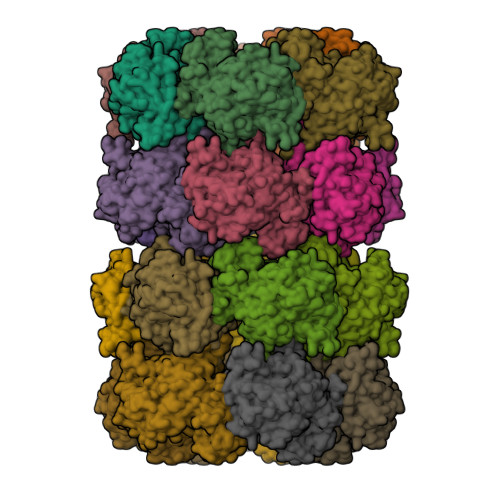
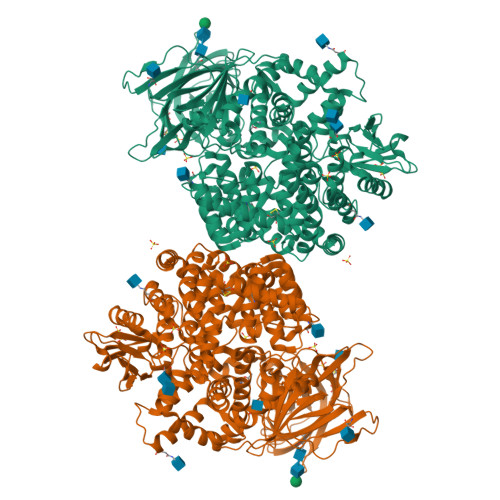
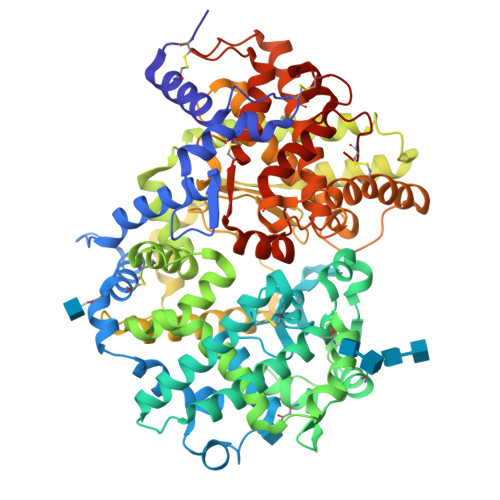
Click to view 3D structureAldehyde dehydrogenase 1A1P51647Rattus norvegicusPredicted (SEA)
Prediction Confidence Score
0.15
Applicability Domain
0.15 Low confidence
Statistical Significance
0.0241
Supporting Reference Compounds
1
E-value
187.928
Click to view 3D structureReverse transcriptaseQ06347Human immunodeficiency virus 2Predicted (SEA)
Prediction Confidence Score
0.143
Applicability Domain
0.143 Low confidence
Statistical Significance
0.06
Supporting Reference Compounds
1
E-value
466.862
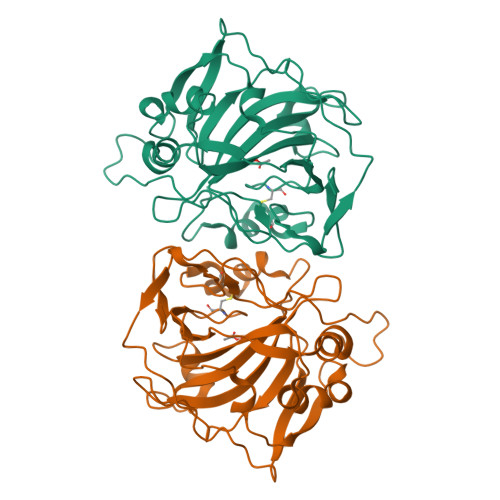
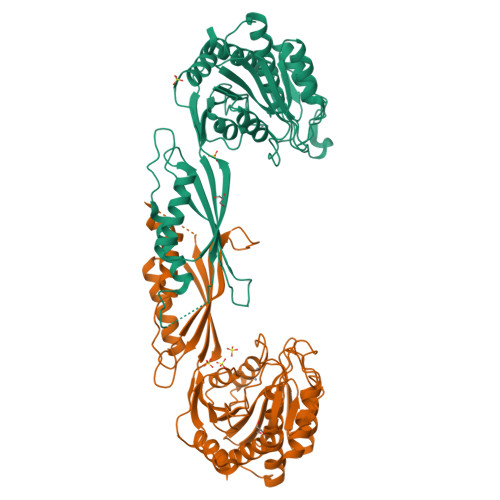
Aminopeptidase N structureClick to view 3D structureAminopeptidase NP04825Escherichia coli (strain K12)Predicted (SEA)
Prediction Confidence Score
0.143
Applicability Domain
0.143 Low confidence
Statistical Significance
0.0144
Supporting Reference Compounds
1
E-value
112.103
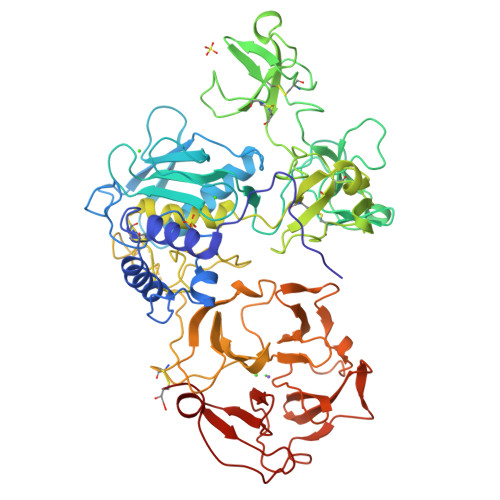
Aminopeptidase N structureClick to view 3D structureAminopeptidase NP15145Sus scrofaPredicted (SEA)
Prediction Confidence Score
0.14
Applicability Domain
0.167 Low confidence
Statistical Significance
0.5621
Supporting Reference Compounds
40
E-value
4376.22
Click to view 3D structureLeucine aminopeptidaseQ29571Sus scrofaPredicted (SEA)
Prediction Confidence Score
0.136
Applicability Domain
0.136 Low confidence
Statistical Significance
0.0028
Supporting Reference Compounds
1
E-value
21.4864
Carbonic anhydrase 1 structureClick to view 3D structureCarbonic anhydrase 1P00915HumansPredicted (SEA)
Prediction Confidence Score
0.135
Applicability Domain
0.174 Low confidence
Statistical Significance
0.9901
Supporting Reference Compounds
407
E-value
7707.85
Prostaglandin G/H synthase 1 structureClick to view 3D structureProstaglandin G/H synthase 1P23219HumansPredicted (SEA)
Prediction Confidence Score
0.134
Applicability Domain
0.154 Low confidence
Statistical Significance
0.9726
Supporting Reference Compounds
136
E-value
7571.85
Macrophage scavenger receptor types I and II structureClick to view 3D structureMacrophage scavenger receptor types I and IIP21757HumansPredicted (SEA)
Prediction Confidence Score
0.132
Applicability Domain
0.132 Low confidence
Statistical Significance
0.0213
Supporting Reference Compounds
1
E-value
165.741
Carbonic anhydrase 9 structureClick to view 3D structureCarbonic anhydrase 9Q16790HumansPredicted (SEA)
Prediction Confidence Score
0.13
Applicability Domain
0.174 Low confidence
Statistical Significance
0.9934
Supporting Reference Compounds
372
E-value
7733.93
Glyceraldehyde-3-phosphate dehydrogenase structureClick to view 3D structureGlyceraldehyde-3-phosphate dehydrogenaseP46406Oryctolagus cuniculusPredicted (SEA)
Prediction Confidence Score
0.129
Applicability Domain
0.129 Low confidence
Statistical Significance
0.0106
Supporting Reference Compounds
1
E-value
82.9094
Glutamine synthetase structureClick to view 3D structureGlutamine synthetaseP0A9C5Escherichia coli K-12Predicted (SEA)
Prediction Confidence Score
0.129
Applicability Domain
0.129 Low confidence
Statistical Significance
0.0306
Supporting Reference Compounds
1
E-value
238.296
Click to view 3D structureS-methylmethionine--homocysteine S-methyltransferase BHMT2Q9H2M3HumansPredicted (SEA)
Prediction Confidence Score
0.129
Applicability Domain
0.129 Low confidence
Statistical Significance
0.0228
Supporting Reference Compounds
1
E-value
177.652
Aminopeptidase N structureClick to view 3D structureAminopeptidase NP15144HumansPredicted (SEA)
Prediction Confidence Score
0.128
Applicability Domain
0.167 Low confidence
Statistical Significance
0.7833
Supporting Reference Compounds
42
E-value
6098.01
Carbonic anhydrase 12 structureClick to view 3D structureCarbonic anhydrase 12O43570HumansPredicted (SEA)
Prediction Confidence Score
0.126
Applicability Domain
0.174 Low confidence
Statistical Significance
0.9942
Supporting Reference Compounds
332
E-value
7739.85
Prostaglandin G/H synthase 2 structureClick to view 3D structureProstaglandin G/H synthase 2P35354HumansPredicted (SEA)
Prediction Confidence Score
0.125
Applicability Domain
0.133 Low confidence
Statistical Significance
0.9945
Supporting Reference Compounds
201
E-value
7741.87
72 kDa type IV collagenase structureClick to view 3D structure72 kDa type IV collagenaseP08253HumansPredicted (SEA)
Prediction Confidence Score
0.124
Applicability Domain
0.174 Low confidence
Statistical Significance
0.9977
Supporting Reference Compounds
400
E-value
7766.71
D-alanyl-D-alanine dipeptidase structureClick to view 3D structureD-alanyl-D-alanine dipeptidaseQ06241Enterococcus faeciumPredicted (SEA)
Prediction Confidence Score
0.124
Applicability Domain
0.143 Low confidence
Statistical Significance
0.1317
Supporting Reference Compounds
2
E-value
1025.66
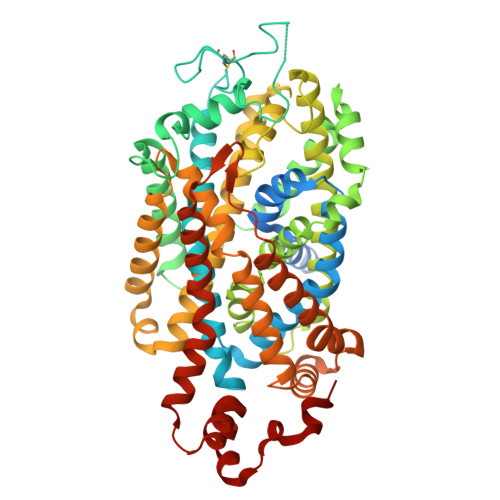
Sodium-dependent noradrenaline transporter structureClick to view 3D structureSodium-dependent noradrenaline transporterP23975HumansPredicted (SEA)
Prediction Confidence Score
0.124
Applicability Domain
0.148 Low confidence
Statistical Significance
0.9989
Supporting Reference Compounds
451
E-value
7776.67
Prostaglandin G/H synthase 1 structureClick to view 3D structureProstaglandin G/H synthase 1P05979Ovis ariesPredicted (SEA)
Prediction Confidence Score
0.123
Applicability Domain
0.133 Low confidence
Statistical Significance
0.9828
Supporting Reference Compounds
106
E-value
7650.87
Click to view 3D structureAngiotensin-converting enzymeP12822Oryctolagus cuniculusPredicted (SEA)
Prediction Confidence Score
0.121
Applicability Domain
0.135 Low confidence
Statistical Significance
0.7949
Supporting Reference Compounds
26
E-value
6188.23
Neprilysin structureClick to view 3D structureNeprilysinP08049Oryctolagus cuniculusPredicted (SEA)
Prediction Confidence Score
0.12
Applicability Domain
0.135 Low confidence
Statistical Significance
0.8115
Supporting Reference Compounds
34
E-value
6317.39
Click to view 3D structureCytosol aminopeptidaseP28838HumansPredicted (SEA)
Prediction Confidence Score
0.119
Applicability Domain
0.167 Low confidence
Statistical Significance
0.6677
Supporting Reference Compounds
18
E-value
5198.3
Click to view 3D structureProstaglandin G/H synthase 2P79208Ovis ariesPredicted (SEA)
Prediction Confidence Score
0.118
Applicability Domain
0.133 Low confidence
Statistical Significance
0.9598
Supporting Reference Compounds
50
E-value
7472.2
Succinyl-diaminopimelate desuccinylase structureClick to view 3D structureSuccinyl-diaminopimelate desuccinylaseP44514Haemophilus influenzae (strain ATCC 51907 / DSM 11121 / KW20 / Rd)Predicted (SEA)
Prediction Confidence Score
0.118
Applicability Domain
0.125 Low confidence
Statistical Significance
0.0538
Supporting Reference Compounds
2
E-value
418.517
Click to view 3D structureHistamine oxidaseQ59118Arthrobacter globiformisPredicted (SEA)
Prediction Confidence Score
0.118
Applicability Domain
0.118 Low confidence
Statistical Significance
0.055
Supporting Reference Compounds
1
E-value
428.404
Concentrations
Not Available
External Links
IdentifiersNot Available
References
Synthesis ReferenceNot Available
MSDSNot Available
General ReferencesNot Available