Some data may have been extracted from scientific literature using a pipeline that uses large language models (LLMs). Source articles are cited where applicable to help verify the extracted relationships.
[(1s,3r,6s,8r,11s,12s,15r,16r)-7,7,12,16-tetramethyl-15-[(2r)-6-methylhept-5-en-2-yl]-6-pentacyclo[9.7.0.01,3.03,8.012,16]octadecanyl] (e)-3-(4-hydroxy-3-methoxyphenyl)prop-2-enoate belongs to the cycloartanols and derivatives, a subclass of steroids and steroid derivatives within the organic compounds. With an average molecular weight of 602.90 g/mol, [(1s,3r,6s,8r,11s,12s,15r,16r)-7,7,12,16-tetramethyl-15-[(2r)-6-methylhept-5-en-2-yl]-6-pentacyclo[9.7.0.01,3.03,8.012,16]octadecanyl] (e)-3-(4-hydroxy-3-methoxyphenyl)prop-2-enoate is a heavy molecule. It has the chemical formula C40H58O4.
This compound has been found in or released from 10 recorded sources. These sources include food, food processing and cookware, specifically the preparation of vinegar. Additionally, it is associated with electrical and electronic equipment, including antennas, amplifiers, electric hearing aids, loudspeakers, line transmission systems, and four other types of equipment.
Structure for CHEM216236: [(1s,3r,6s,8r,11s,12s,15r,16r)-7,7,12,16-tetramethyl-15-[(2r)-6-methylhept-5-en-2-yl]-6-pentacyclo[9.7.0.01,3.03,8.012,16]octadecanyl] (e)-3-(4-hydroxy-3-methoxyphenyl)prop-2-enoate
Amplifiers?Amplifiers, commonly used in various electronic devices to enhance signal strength, can be a source of synthetic chemical contamination due to the materials and processes involved in their production and disposal.
Antennas?Antennas, commonly used in communication technologies, can be a source of synthetic chemical contamination through the materials and coatings used in their construction.
Electric Switches?Electric switches, integral components in numerous devices, can be a source of synthetic chemical contamination due to the materials and manufacturing processes involved in their production.
Fixed Capacitors And Their Manufacture?Fixed capacitors are passive electronic components used to store and release electrical energy, playing a critical role in various circuits.
Line Transmission Systems?Line Transmission Systems, commonly used for the distribution of electrical energy, can be a source of synthetic chemical contamination through the insulation materials and coatings utilized in their construction.
Loudspeakers?Loudspeakers, as components in audio systems, can be sources of synthetic chemical contamination primarily due to the materials used in their construction.
Magnets?Magnets, commonly used in various electrical and electronic applications, can be a source of synthetic chemical contamination due to the materials used in their production.
Microphones?Microphones, as components in various electronic devices, can be sources of synthetic chemical contamination due to the materials used in their construction.
Television Systems?Television systems can be a source of synthetic chemical contamination due to the various materials and components used in their manufacture and operation.
Food Preservation?Food preservation often involves the use of synthetic chemicals, such as preservatives, flavor enhancers, and color additives, to extend shelf life and enhance the sensory qualities of food products.
Preparation Of Vinegar?Vinegar is produced through the fermentation of ethanol by acetic acid bacteria, resulting in a solution that typically contains 4-8% acetic acid.
Perfumes Within Detergents And Soaps?Perfumes within detergents and soaps are synthetic fragrance compounds added to enhance the sensory experience of cleaning products.
Soap Detergents?Soap detergents are synthetic surfactants designed to enhance the cleaning efficacy of water by reducing surface tension, allowing for better interaction with dirt and grease.
Tobacco Smoke Filters?Tobacco smoke filters are designed to reduce the inhalation of harmful substances in cigarette smoke, including tar and other particulate matter.
Manufacture Preparation Of Tobacco Products?The manufacture and preparation of tobacco products involve various processes that can result in the introduction of synthetic chemicals into the environment.
Marine Propulsion Or Steering?Marine propulsion and steering systems often rely on various synthetic chemicals, including lubricants, fuels, and hydraulic fluids.
Aftersun Products?Aftersun products are designed to soothe and hydrate the skin after sun exposure, often containing various synthetic chemicals such as emollients, preservatives, and fragrances.
Anti Perspirants Or Body Deoderants?Antiperspirants and body deodorants commonly contain synthetic chemicals such as aluminum compounds, parabens, and synthetic fragrances.
Body Washing Or Cleaning Implements?Body washing or cleaning implements, such as synthetic sponges, loofahs, and washcloths, can be sources of synthetic chemical contamination due to the materials used in their production.
Depilatories?Depilatories are products designed to remove unwanted hair through the application of synthetic chemicals that break down the protein structure of hair, facilitating its removal.
Essential Oils Or Perfumes?Essential oils and perfumes are complex mixtures of volatile compounds derived from natural or synthetic sources, commonly used for their aromatic properties.
Eye Makeup Products?Eye makeup products, including mascaras, eyeliners, and eyeshadows, often contain a variety of synthetic chemicals such as pigments, preservatives, and film-forming agents.
Face Mask Cosmetics?Face mask cosmetics often contain a variety of synthetic chemicals, including preservatives, emulsifiers, and fragrances, which can contribute to chemical contamination.
Lip Care Products?Lip care products, including lipsticks, balms, and glosses, often contain a variety of synthetic chemicals such as parabens, phthalates, and synthetic fragrances.
Lip Makeup Products?Lip makeup products, such as lipsticks, lip glosses, and lip liners, often contain a variety of synthetic chemicals, including pigments, preservatives, and emollients.
Headwear?Headwear made from synthetic materials often incorporates chemicals used in the manufacturing and finishing processes, such as dyes, flame retardants, and water repellents.
Airplanes And Helicopters?Airplanes and helicopters are significant sources of synthetic chemical contamination primarily through the use of aviation fuels, lubricants, and de-icing agents.
Unmanned Aerial Vehicles?Unmanned Aerial Vehicles (UAVs), commonly known as drones, utilize various synthetic chemicals in their manufacturing, operation, and maintenance processes.
Nanotechnology?Nanotechnology involves the manipulation of materials at the molecular or atomic level, typically within the range of 1 to 100 nanometers.
Water, Wastewater, & Sewage Treatment?Water, wastewater, and sewage treatment processes are critical for managing and mitigating pollutants in water systems.


![Amine oxidase [flavin-containing] A structure](https://cdn.rcsb.org/images/structures/2bxr_assembly-1.jpeg)


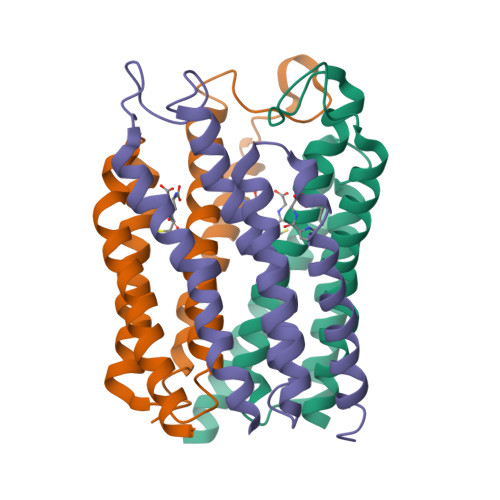









![Amine oxidase [flavin-containing] B structure](https://cdn.rcsb.org/images/structures/1gos_assembly-1.jpeg)


