 Click to view 3D structure | Acetylcholinesterase | P22303 | Humans | Predicted (SEA) | - Prediction Confidence Score
- 0.181
- Applicability Domain
- 0.222 Low confidence
- Statistical Significance
- 0.8428
- Supporting Reference Compounds
- 406
- E-value
- 6560.82
|
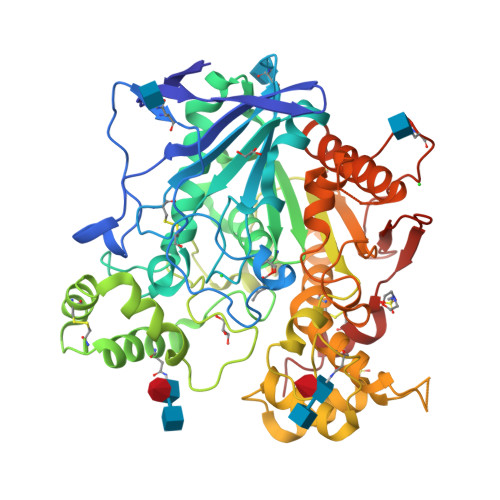 Click to view 3D structure | Cholinesterase | P06276 | Humans | Predicted (SEA) | - Prediction Confidence Score
- 0.171
- Applicability Domain
- 0.222 Low confidence
- Statistical Significance
- 0.8286
- Supporting Reference Compounds
- 234
- E-value
- 6450.98
|
 Click to view 3D structure | Liver carboxylesterase 1 | P23141 | Humans | Predicted (SEA) | - Prediction Confidence Score
- 0.168
- Applicability Domain
- 0.222 Low confidence
- Statistical Significance
- 0.317
- Supporting Reference Compounds
- 55
- E-value
- 2467.98
|
 Click to view 3D structure | Cathepsin G | P08311 | Humans | Predicted (SEA) | - Prediction Confidence Score
- 0.167
- Applicability Domain
- 0.238 Low confidence
- Statistical Significance
- 0.5596
- Supporting Reference Compounds
- 55
- E-value
- 4356.52
|
 Click to view 3D structure | Neutrophil elastase | P08246 | Humans | Predicted (SEA) | - Prediction Confidence Score
- 0.165
- Applicability Domain
- 0.238 Low confidence
- Statistical Significance
- 0.6791
- Supporting Reference Compounds
- 81
- E-value
- 5286.74
|
 Click to view 3D structure | Cocaine esterase | O00748 | Humans | Predicted (SEA) | - Prediction Confidence Score
- 0.159
- Applicability Domain
- 0.222 Low confidence
- Statistical Significance
- 0.4041
- Supporting Reference Compounds
- 40
- E-value
- 3146.12
|
| Click to view 3D structure | Synaptic vesicle glycoprotein 2A | Q02563 | Rattus norvegicus | Predicted (SEA) | - Prediction Confidence Score
- 0.158
- Applicability Domain
- 0.158 Low confidence
- Statistical Significance
- 0.0228
- Supporting Reference Compounds
- 1
- E-value
- 177.341
|
 Click to view 3D structure | Prothrombin | P00734 | Humans | Predicted (SEA) | - Prediction Confidence Score
- 0.154
- Applicability Domain
- 0.238 Low confidence
- Statistical Significance
- 0.9601
- Supporting Reference Compounds
- 331
- E-value
- 7474.07
|
| Click to view 3D structure | DNA damage-inducible transcript 3 protein | P35639 | Mus musculus | Predicted (SEA) | - Prediction Confidence Score
- 0.151
- Applicability Domain
- 0.171 Low confidence
- Statistical Significance
- 0.9442
- Supporting Reference Compounds
- 226
- E-value
- 7350.76
|
 Click to view 3D structure | X-box-binding protein 1 | P17861 | Humans | Predicted (SEA) | - Prediction Confidence Score
- 0.151
- Applicability Domain
- 0.171 Low confidence
- Statistical Significance
- 0.9445
- Supporting Reference Compounds
- 227
- E-value
- 7353.01
|
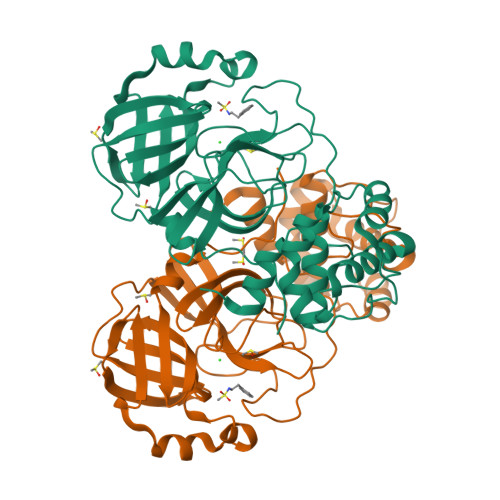 Click to view 3D structure | Replicase polyprotein 1ab | P0DTD1 | SARS-CoV-2 | Predicted (SEA) | - Prediction Confidence Score
- 0.15
- Applicability Domain
- 0.222 Low confidence
- Statistical Significance
- 0.9721
- Supporting Reference Compounds
- 215
- E-value
- 7567.8
|
| Click to view 3D structure | Beta-lactamase SHV-55 | Q4TVR4 | Klebsiella pneumoniae | Predicted (SEA) | - Prediction Confidence Score
- 0.15
- Applicability Domain
- 0.15 Low confidence
- Statistical Significance
- 0.0093
- Supporting Reference Compounds
- 1
- E-value
- 72.0884
|
 Click to view 3D structure | Carbonic anhydrase 9 | Q16790 | Humans | Predicted (SEA) | - Prediction Confidence Score
- 0.147
- Applicability Domain
- 0.176 Low confidence
- Statistical Significance
- 0.9657
- Supporting Reference Compounds
- 372
- E-value
- 7518.06
|
 Click to view 3D structure | Carbonic anhydrase 2 | P00918 | Humans | Predicted (SEA) | - Prediction Confidence Score
- 0.147
- Applicability Domain
- 0.176 Low confidence
- Statistical Significance
- 0.979
- Supporting Reference Compounds
- 472
- E-value
- 7621.67
|
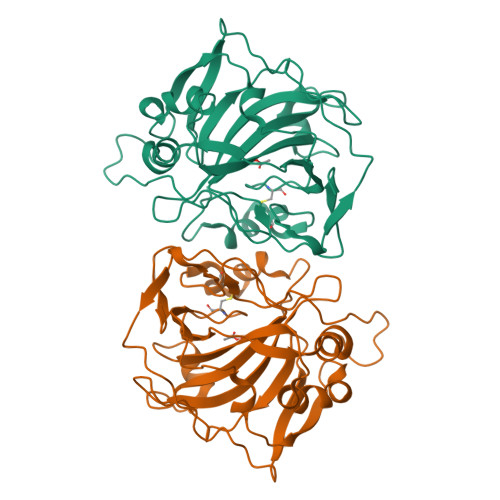 Click to view 3D structure | Carbonic anhydrase 12 | O43570 | Humans | Predicted (SEA) | - Prediction Confidence Score
- 0.147
- Applicability Domain
- 0.176 Low confidence
- Statistical Significance
- 0.9578
- Supporting Reference Compounds
- 332
- E-value
- 7456.63
|
 Click to view 3D structure | Carbonic anhydrase 1 | P00915 | Humans | Predicted (SEA) | - Prediction Confidence Score
- 0.147
- Applicability Domain
- 0.176 Low confidence
- Statistical Significance
- 0.9687
- Supporting Reference Compounds
- 407
- E-value
- 7541.49
|
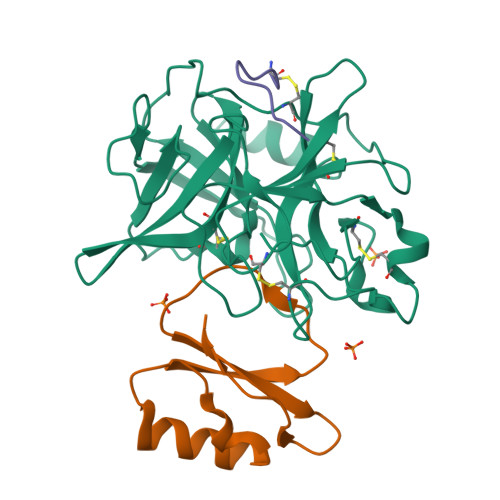 Click to view 3D structure | Chymotrypsin-C | Q99895 | Humans | Predicted (SEA) | - Prediction Confidence Score
- 0.146
- Applicability Domain
- 0.238 Low confidence
- Statistical Significance
- 0.6148
- Supporting Reference Compounds
- 20
- E-value
- 4786.48
|
 Click to view 3D structure | Beta-lactamase | P24735 | Pseudomonas aeruginosa (strain ATCC 15692 / PAO1 / 1C / PRS 101 / LMG12228) | Predicted (SEA) | - Prediction Confidence Score
- 0.145
- Applicability Domain
- 0.171 Low confidence
- Statistical Significance
- 0.1296
- Supporting Reference Compounds
- 12
- E-value
- 1009.08
|
| Click to view 3D structure | Beta-lactamase TEM-1 | Q4GY26 | Escherichia coli | Predicted (SEA) | - Prediction Confidence Score
- 0.144
- Applicability Domain
- 0.171 Low confidence
- Statistical Significance
- 0.0258
- Supporting Reference Compounds
- 2
- E-value
- 201.24
|
| Click to view 3D structure | Cholinesterase | P81908 | Equus caballus | Predicted (SEA) | - Prediction Confidence Score
- 0.144
- Applicability Domain
- 0.157 Low confidence
- Statistical Significance
- 0.9667
- Supporting Reference Compounds
- 201
- E-value
- 7525.37
|
| Click to view 3D structure | Peptidoglycan D,D-transpeptidase MrdA | P0AD65 | Escherichia coli (strain K12) | Predicted (SEA) | - Prediction Confidence Score
- 0.142
- Applicability Domain
- 0.167 Low confidence
- Statistical Significance
- 0.0106
- Supporting Reference Compounds
- 2
- E-value
- 82.598
|
 Click to view 3D structure | Beta-lactamase | P05364 | Enterobacter cloacae | Predicted (SEA) | - Prediction Confidence Score
- 0.142
- Applicability Domain
- 0.171 Low confidence
- Statistical Significance
- 0.1515
- Supporting Reference Compounds
- 22
- E-value
- 1179.81
|
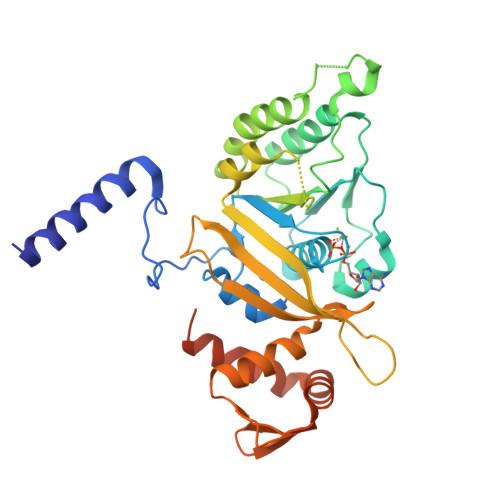 Click to view 3D structure | Protein RecA | P9WHJ3 | Mycobacterium tuberculosis | Predicted (SEA) | - Prediction Confidence Score
- 0.141
- Applicability Domain
- 0.171 Low confidence
- Statistical Significance
- 0.9765
- Supporting Reference Compounds
- 296
- E-value
- 7601.74
|
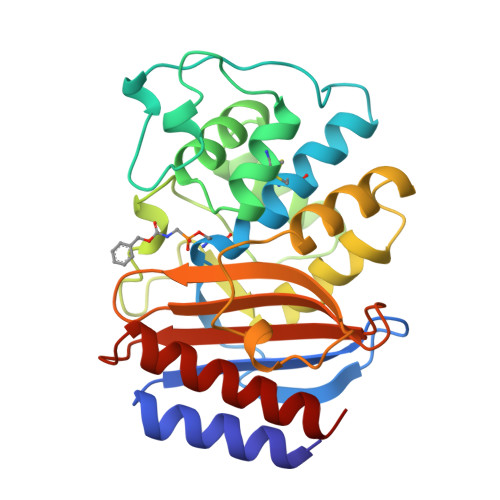 Click to view 3D structure | Beta-lactamase TEM | P62593 | Escherichia coli | Predicted (SEA) | - Prediction Confidence Score
- 0.14
- Applicability Domain
- 0.171 Low confidence
- Statistical Significance
- 0.2102
- Supporting Reference Compounds
- 10
- E-value
- 1636.31
|
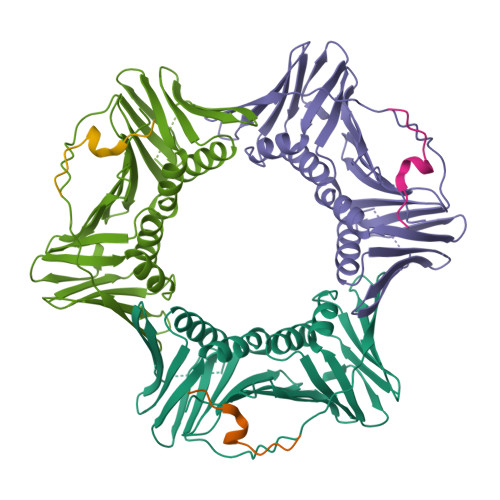 Click to view 3D structure | Flap endonuclease 1 | P39748 | Humans | Predicted (SEA) | - Prediction Confidence Score
- 0.139
- Applicability Domain
- 0.152 Low confidence
- Statistical Significance
- 0.6485
- Supporting Reference Compounds
- 17
- E-value
- 5048.44
|

