2-acetyloxypropanoic acid (CED0115952)

Record Information
Version1.0
Creation Date2026-08-23 02:05:27 UTC
Update Date2026-08-23 02:05:27 UTC
SynCED IDCED0115952
Secondary Accession Numbers
  • CHEM225619
Identification
Common Name2-acetyloxypropanoic acid
ClassSmall Molecule
Description
2-acetyloxypropanoic acid is an organic compound with the formula C5H8O4 and an average molecular weight of 132.11 g/mol. 2-acetyloxypropanoic acid belongs to the dicarboxylic acids and derivatives, a subclass of carboxylic acids and derivatives within the organic compounds. This compound is associated with nine recorded sources. Within the category of food, food processing, and cookware, it is found in or released from brew kettles, fermentation processes for beer, the preparation of malt, the preparation of vinegar, and the preparation of wine or sparkling wine, among three other sources. Additionally, it is identified in household cleaning and consumer products, specifically within non electric simulated smoking devices.
Contaminant TypeNot Available
Chemical Structure
SynonymsNot Available
Chemical FormulaC5H8O4
Average Molecular Mass132.110 g/mol
Monoisotopic Mass132.042 g/mol
CAS Registry Number535-17-1
IUPAC NameNot Available
Traditional NameNot Available
SMILESNot Available
InChI IdentifierInChI=1S/C5H8O4/c1-3(5(7)8)9-4(2)6/h3H,1-2H3,(H,7,8)
InChI KeyWTLNOANVTIKPEE-UHFFFAOYSA-N
Chemical Taxonomy
ClassificationNot classified
Biological Properties
StatusDetected and Not Quantified
OriginNot Available
Cellular LocationsNot Available
Biofluid LocationsNot Available
Tissue LocationsNot Available
ApplicationsNot Available
Biological RolesNot Available
Chemical RolesNot Available
Organoleptic EffectsNot Available
Physical Properties
StateNot Available
AppearanceNot Available
Experimental Properties
PropertyValue
Melting PointNot Available
Boiling PointNot Available
SolubilityNot Available
Predicted PropertiesNot Available
Spectra
SpectraNot Available
Toxicity Profile
Toxicity Values
Toxicity ValueOrganismDose DescriptorRoute of ExposurePredicted or ExperimentalToxicity RatingReference
2957.0 Log mg/kg [1700:5300]RatLD50oralpredictedNot AvailableNot Available
Toxicity / Toxin ClassNot Available
Mechanism of ToxicityNot Available
Carcinogenicity (IARC Classification)Not Available
Minimum Risk LevelNot Available
SymptomsNot Available
TreatmentNot Available
Health Effects
Health EffectRelationshipDirectionDescriptionReference
Exposure Sources
Source IDSourceSectorReference
CEDs000010Insecticides?Insecticides are synthetic chemicals designed to control or eliminate insect pests that threaten crops and other agricultural products.Agriculture & land managementPubChem
CEDs000511Conductors Or Conductive Bodies Characterised By The Conductive Materials?Conductors, or conductive bodies, are materials that allow the flow of electrical current, typically made from metals such as copper, aluminum, or silver.Electrical & Electronic EquipmentPubChem
CEDs000542Brew Kettles?Brew kettles are large vessels used in the brewing process for boiling ingredients such as malt, hops, and water.Food, food processing & cookwarePubChem
CEDs000544Fermentation Processes For Beer?Fermentation processes for beer involve the conversion of sugars into alcohol and carbon dioxide by yeast.Food, food processing & cookwarePubChem
CEDs000545Food Preservation?Food preservation often involves the use of synthetic chemicals, such as preservatives, flavor enhancers, and color additives, to extend shelf life and enhance the sensory qualities of food products.Food, food processing & cookwarePubChem
CEDs000547Preparation Of Malt?Malt preparation involves the germination and drying of cereal grains, primarily barley, to produce malt for brewing and food products.Food, food processing & cookwarePubChem
CEDs000548Preparation Of Vinegar?Vinegar is produced through the fermentation of ethanol by acetic acid bacteria, resulting in a solution that typically contains 4-8% acetic acid.Food, food processing & cookwarePubChem
CEDs000549Preparation Of Wine Or Sparkling Wine?The preparation of wine or sparkling wine involves various stages, including fermentation, aging, and bottling, which can introduce potential sources of synthetic chemical contamination.Food, food processing & cookwarePubChem
CEDs000550Preparation Of Wort?The preparation of wort involves the extraction of sugars from malted grains, a crucial step in the brewing process.Food, food processing & cookwarePubChem
CEDs000552Processing Meats?Processing meats can lead to synthetic chemical contamination primarily through the use of additives and preservatives.Food, food processing & cookwarePubChem
CEDs000553Treatment Of Hops?Hops, a key ingredient in brewing and food flavoring, can be a source of synthetic chemical contamination due to various agricultural practices.Food, food processing & cookwarePubChem
CEDs000556Cigar Cigarettes?Cigar cigarettes are a source of synthetic chemical contamination due to the combustion of various tobacco blends and additives.Household cleaning & consumer productsPubChem
CEDs000559Non Electric Simulated Smoking Devices?Non-electric simulated smoking devices, often designed to mimic the experience of smoking without combustion, can be sources of synthetic chemical contamination due to the materials and chemicals used in their construction and operation.Household cleaning & consumer productsPubChem
CEDs000561Perfumes Within Detergents And Soaps?Perfumes within detergents and soaps are synthetic fragrance compounds added to enhance the sensory experience of cleaning products.Household cleaning & consumer productsPubChem
CEDs000569Tobacco Smoke Filters?Tobacco smoke filters are designed to reduce the inhalation of harmful substances in cigarette smoke, including tar and other particulate matter.Household cleaning & consumer productsPubChem
CEDs000580Manufacture Preparation Of Tobacco Products?The manufacture and preparation of tobacco products involve various processes that can result in the introduction of synthetic chemicals into the environment.Industrial manufacturing & chemical processingPubChem
CEDs000597Chemosterilants?Chemosterilants are synthetic chemicals designed to induce sterility in target pest populations, thereby controlling their reproduction and mitigating damage to crops.Agriculture & land managementPubChem
CEDs000600Herbicides And Algicides?Herbicides and algicides are synthetic chemicals primarily used to control unwanted plants and algae in various environments.Agriculture & land managementPubChem
CEDs000605Pest Repellants?Pest repellents, often formulated from synthetic chemicals, are widely used to protect crops from insect infestations and other pests.Agriculture & land managementPubChem
CEDs000606Plant Growth Regulators?Plant Growth Regulators (PGRs) are synthetic chemicals designed to influence the growth and development of plants.Agriculture & land managementPubChem
CEDs000611Anti Perspirants Or Body Deoderants?Antiperspirants and body deodorants commonly contain synthetic chemicals such as aluminum compounds, parabens, and synthetic fragrances.Personal care & cosmeticsPubChem
CEDs000614Essential Oils Or Perfumes?Essential oils and perfumes are complex mixtures of volatile compounds derived from natural or synthetic sources, commonly used for their aromatic properties.Personal care & cosmeticsPubChem
CEDs000617Lip Care Products?Lip care products, including lipsticks, balms, and glosses, often contain a variety of synthetic chemicals such as parabens, phthalates, and synthetic fragrances.Personal care & cosmeticsPubChem
CEDs000632Apparel?Apparel production often involves the use of various synthetic chemicals, including dyes, finishing agents, and preservatives.Textiles, leather & furnishingsPubChem
CEDs000642Footwear?Footwear production often involves the use of various synthetic chemicals, such as adhesives, dyes, and treatments, which can contribute to environmental contamination.Textiles, leather & furnishingsPubChem
CEDs000678Nitrogenous Fertilisers?Nitrogenous fertilizers are synthetic chemical compounds primarily used to enhance plant growth by supplying essential nitrogen, a crucial nutrient for photosynthesis and protein synthesis.Agriculture & land managementPubChem
CEDs000679Phosphatic Fertilisers?Phosphatic fertilizers are synthetic chemical products primarily composed of phosphorus, which is essential for plant growth.Agriculture & land managementPubChem
CEDs000694Cheese Making?Cheese making involves the fermentation of milk, utilizing bacteria and enzymes to coagulate proteins and develop flavor.Food, food processing & cookwarePubChem
CEDs000696Nanotechnology?Nanotechnology involves the manipulation of materials at the molecular or atomic level, typically within the range of 1 to 100 nanometers.Industrial manufacturing & chemical processingPubChem
CEDs000739Inks?Inks are complex mixtures composed of pigments or dyes, solvents, resins, and additives used primarily for printing and writing applications.Paper, pulp & fiber productsPubChem
CEDs000740Paper?Paper production involves the processing of wood fibers and the use of various chemicals, which can lead to synthetic chemical contamination.Paper, pulp & fiber productsPubChem
CEDs000741Pigment Pastes?Pigment pastes are concentrated dispersions of pigments used to impart color and properties to materials.Paper, pulp & fiber productsPubChem
CEDs000742Leather Tanning?Leather tanning is a process that transforms raw animal hides into durable leather through the application of various chemicals, including chromium salts, aldehydes, and vegetable tannins.Textiles, leather & furnishingsPubChem
CEDs000743Sludge Treatment?Sludge treatment involves the processing of waste materials generated from wastewater treatment plants, which often contain a variety of organic and inorganic substances.Wastewater, sanitation & biosolidsPubChem
CEDs000744Water, Wastewater, & Sewage Treatment?Water, wastewater, and sewage treatment processes are critical for managing and mitigating pollutants in water systems.Wastewater, sanitation & biosolidsPubChem
Pathways
0 pathwaysPathway Source: PathBank

No pathways found

No metabolic pathways have been associated with this synthetic chemical

Targets
StructureProteinUniProt IDOrganismRelationshipDetails
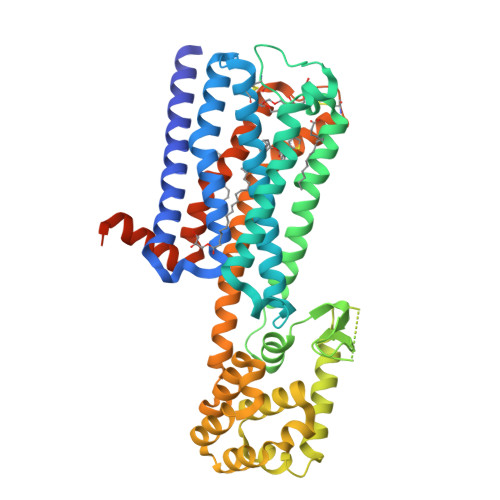
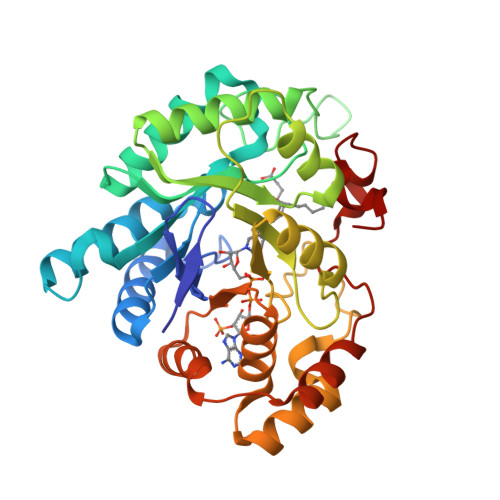
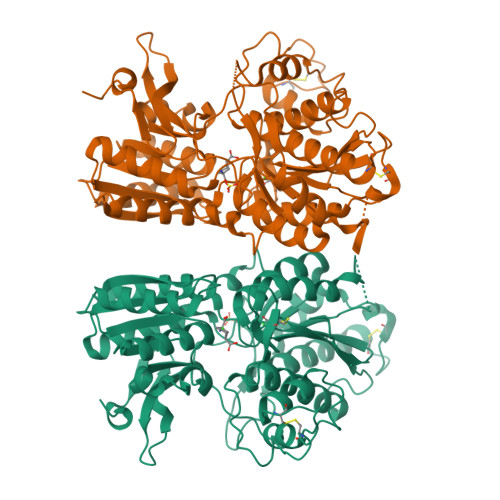
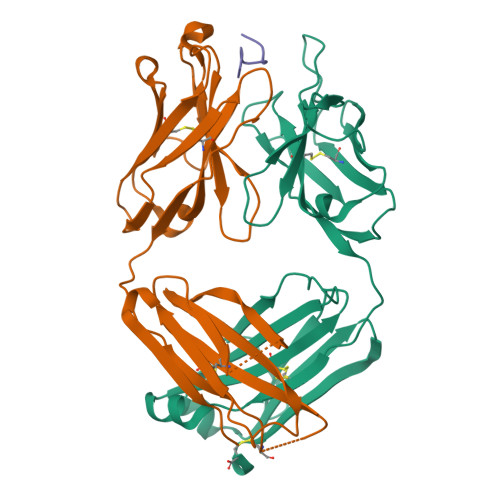
Muscarinic acetylcholine receptor M4 structureClick to view 3D structureMuscarinic acetylcholine receptor M4P08173HumansPredicted (SEA)
Prediction Confidence Score
0.259
Applicability Domain
0.407
Statistical Significance
0.0803
Supporting Reference Compounds
297
E-value
624.818
Muscarinic acetylcholine receptor M2 structureClick to view 3D structureMuscarinic acetylcholine receptor M2P08172HumansPredicted (SEA)
Prediction Confidence Score
0.257
Applicability Domain
0.407
Statistical Significance
0.1079
Supporting Reference Compounds
373
E-value
839.837
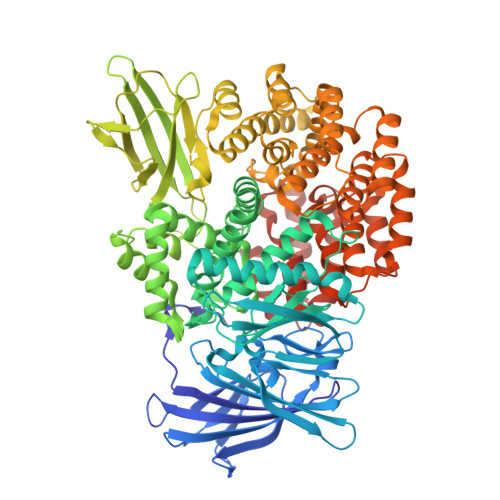
Aminopeptidase N structureClick to view 3D structureAminopeptidase NP04825Escherichia coli (strain K12)Predicted (SEA)
Prediction Confidence Score
0.25
Applicability Domain
0.25 Low confidence
Statistical Significance
3.40e-04
Supporting Reference Compounds
1
E-value
2.64687
Click to view 3D structureMuscarinic acetylcholine receptor M1P08482Rattus norvegicusPredicted (SEA)
Prediction Confidence Score
0.241
Applicability Domain
0.407
Statistical Significance
0.0558
Supporting Reference Compounds
109
E-value
434.321
Prostaglandin G/H synthase 1 structureClick to view 3D structureProstaglandin G/H synthase 1P23219HumansPredicted (SEA)
Prediction Confidence Score
0.24
Applicability Domain
0.243 Low confidence
Statistical Significance
0.0799
Supporting Reference Compounds
136
E-value
621.782
Prostaglandin G/H synthase 2 structureClick to view 3D structureProstaglandin G/H synthase 2P35354HumansPredicted (SEA)
Prediction Confidence Score
0.24
Applicability Domain
0.243 Low confidence
Statistical Significance
0.1247
Supporting Reference Compounds
201
E-value
970.624
Click to view 3D structureMuscarinic acetylcholine receptor M2P10980Rattus norvegicusPredicted (SEA)
Prediction Confidence Score
0.238
Applicability Domain
0.407
Statistical Significance
0.0374
Supporting Reference Compounds
98
E-value
291.0
Click to view 3D structureMuscarinic acetylcholine receptor M4P08485Rattus norvegicusPredicted (SEA)
Prediction Confidence Score
0.235
Applicability Domain
0.407
Statistical Significance
0.0143
Supporting Reference Compounds
38
E-value
111.558
Prostaglandin G/H synthase 1 structureClick to view 3D structureProstaglandin G/H synthase 1P05979Ovis ariesPredicted (SEA)
Prediction Confidence Score
0.234
Applicability Domain
0.243 Low confidence
Statistical Significance
0.0798
Supporting Reference Compounds
106
E-value
620.925
Click to view 3D structureProstaglandin G/H synthase 2P79208Ovis ariesPredicted (SEA)
Prediction Confidence Score
0.234
Applicability Domain
0.243 Low confidence
Statistical Significance
0.0251
Supporting Reference Compounds
50
E-value
195.713
Muscarinic acetylcholine receptor M1 structureClick to view 3D structureMuscarinic acetylcholine receptor M1P11229HumansPredicted (SEA)
Prediction Confidence Score
0.234
Applicability Domain
0.286 Low confidence
Statistical Significance
0.2633
Supporting Reference Compounds
385
E-value
2049.77
Muscarinic acetylcholine receptor M3 structureClick to view 3D structureMuscarinic acetylcholine receptor M3P08483Rattus norvegicusPredicted (SEA)
Prediction Confidence Score
0.233
Applicability Domain
0.407
Statistical Significance
0.0263
Supporting Reference Compounds
55
E-value
204.743
Click to view 3D structureAsc-type amino acid transporter 1P63116RatPredicted (SEA)
Prediction Confidence Score
0.231
Applicability Domain
0.231 Low confidence
Statistical Significance
0.0011
Supporting Reference Compounds
2
E-value
8.87481
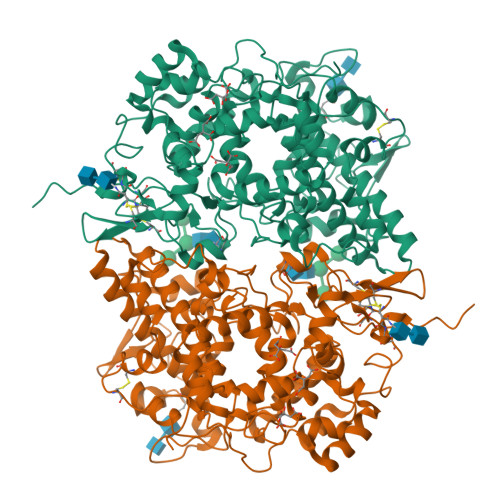
Glutamine synthetase structureClick to view 3D structureGlutamine synthetaseP0A9C5Escherichia coli K-12Predicted (SEA)
Prediction Confidence Score
0.229
Applicability Domain
0.229 Low confidence
Statistical Significance
1.00e-03
Supporting Reference Compounds
1
E-value
7.78492
Click to view 3D structureS-methylmethionine--homocysteine S-methyltransferase BHMT2Q9H2M3HumansPredicted (SEA)
Prediction Confidence Score
0.229
Applicability Domain
0.229 Low confidence
Statistical Significance
7.50e-04
Supporting Reference Compounds
1
E-value
5.83869
Click to view 3D structureComplement factor DP32038Rattus norvegicusPredicted (SEA)
Prediction Confidence Score
0.229
Applicability Domain
0.229 Low confidence
Statistical Significance
0.0052
Supporting Reference Compounds
1
E-value
40.793
Muscarinic acetylcholine receptor M3 structureClick to view 3D structureMuscarinic acetylcholine receptor M3P20309HumansPredicted (SEA)
Prediction Confidence Score
0.228
Applicability Domain
0.286 Low confidence
Statistical Significance
0.2628
Supporting Reference Compounds
310
E-value
2045.64
Muscarinic acetylcholine receptor M5 structureClick to view 3D structureMuscarinic acetylcholine receptor M5P08912HumansPredicted (SEA)
Prediction Confidence Score
0.226
Applicability Domain
0.286 Low confidence
Statistical Significance
0.2452
Supporting Reference Compounds
266
E-value
1908.94
Glutamate receptor ionotropic, kainate 1 structureClick to view 3D structureGlutamate receptor ionotropic, kainate 1P39086HumansPredicted (SEA)
Prediction Confidence Score
0.225
Applicability Domain
0.286 Low confidence
Statistical Significance
0.0031
Supporting Reference Compounds
31
E-value
23.9776
Click to view 3D structureACCaseH9BT73Alopecurus japonicusPredicted (SEA)
Prediction Confidence Score
0.224
Applicability Domain
0.224 Low confidence
Statistical Significance
0.0141
Supporting Reference Compounds
1
E-value
109.923
Aldo-keto reductase family 1 member C3 structureClick to view 3D structureAldo-keto reductase family 1 member C3P42330HumansPredicted (SEA)
Prediction Confidence Score
0.223
Applicability Domain
0.243 Low confidence
Statistical Significance
0.1008
Supporting Reference Compounds
57
E-value
784.487
D-alanyl-D-alanine dipeptidase structureClick to view 3D structureD-alanyl-D-alanine dipeptidaseQ06241Enterococcus faeciumPredicted (SEA)
Prediction Confidence Score
0.22
Applicability Domain
0.25 Low confidence
Statistical Significance
5.60e-04
Supporting Reference Compounds
2
E-value
4.35956
Metabotropic glutamate receptor 2 structureClick to view 3D structureMetabotropic glutamate receptor 2Q14416HumansPredicted (SEA)
Prediction Confidence Score
0.218
Applicability Domain
0.286 Low confidence
Statistical Significance
0.0942
Supporting Reference Compounds
85
E-value
733.262
Carbonic anhydrase 9 structureClick to view 3D structureCarbonic anhydrase 9Q16790HumansPredicted (SEA)
Prediction Confidence Score
0.215
Applicability Domain
0.222 Low confidence
Statistical Significance
0.3595
Supporting Reference Compounds
372
E-value
2798.84
Click to view 3D structureMetabotropic glutamate receptor 6P35349Rattus norvegicusPredicted (SEA)
Prediction Confidence Score
0.215
Applicability Domain
0.242 Low confidence
Statistical Significance
0.0119
Supporting Reference Compounds
24
E-value
92.7963
Concentrations
Not Available
External Links
IdentifiersNot Available
References
Synthesis ReferenceNot Available
MSDSNot Available
General ReferencesNot Available