 Click to view 3D structure | Sodium- and chloride-dependent GABA transporter 2 | P31646 | Rattus norvegicus | Predicted (SEA) | - Prediction Confidence Score
- 0.435
- Applicability Domain
- 0.435
- Statistical Significance
- 4.00e-05
- Supporting Reference Compounds
- 1
- E-value
- 0.311397
|
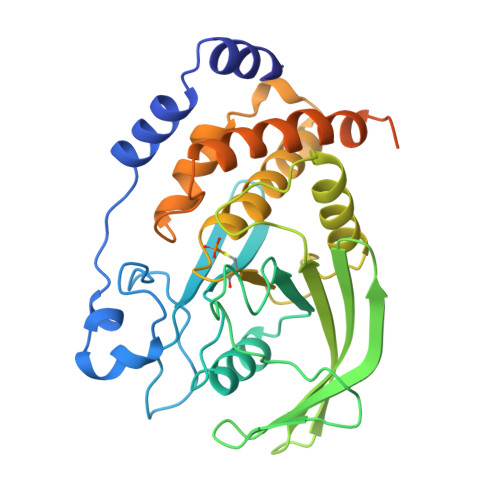 Click to view 3D structure | Tyrosine-protein phosphatase non-receptor type 1 | P18031 | Humans | Predicted (SEA) | - Prediction Confidence Score
- 0.369
- Applicability Domain
- 0.4
- Statistical Significance
- 0.0027
- Supporting Reference Compounds
- 197
- E-value
- 20.7857
|
 Click to view 3D structure | Peroxisome proliferator-activated receptor alpha | Q07869 | Humans | Predicted (SEA) | - Prediction Confidence Score
- 0.369
- Applicability Domain
- 0.4
- Statistical Significance
- 0.0038
- Supporting Reference Compounds
- 127
- E-value
- 29.8941
|
 Click to view 3D structure | Peroxisome proliferator-activated receptor delta | Q03181 | Humans | Predicted (SEA) | - Prediction Confidence Score
- 0.352
- Applicability Domain
- 0.4
- Statistical Significance
- 0.0036
- Supporting Reference Compounds
- 89
- E-value
- 28.3371
|
 Click to view 3D structure | Peroxisome proliferator-activated receptor gamma | P37231 | Humans | Predicted (SEA) | - Prediction Confidence Score
- 0.332
- Applicability Domain
- 0.4
- Statistical Significance
- 0.0091
- Supporting Reference Compounds
- 192
- E-value
- 70.6092
|
 Click to view 3D structure | Transient receptor potential cation channel subfamily V member 2 | Q9WUD2 | Rattus norvegicus | Predicted (SEA) | - Prediction Confidence Score
- 0.319
- Applicability Domain
- 0.4
- Statistical Significance
- 0.0018
- Supporting Reference Compounds
- 21
- E-value
- 13.7793
|
| Click to view 3D structure | Histone deacetylase 11 | Q96DB2 | Humans | Predicted (SEA) | - Prediction Confidence Score
- 0.308
- Applicability Domain
- 0.4
- Statistical Significance
- 0.0148
- Supporting Reference Compounds
- 149
- E-value
- 115.373
|
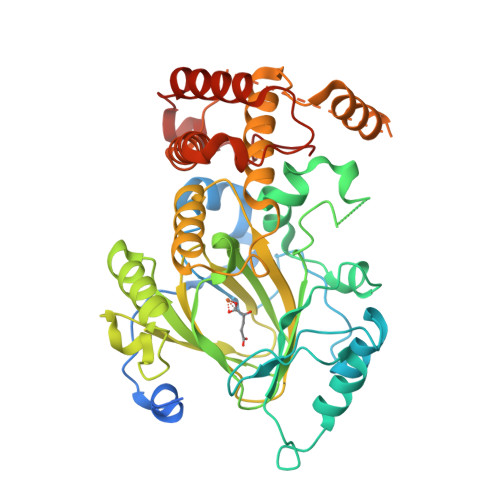 Click to view 3D structure | Lysine-specific demethylase 2A | Q9Y2K7 | Humans | Predicted (SEA) | - Prediction Confidence Score
- 0.299
- Applicability Domain
- 0.357
- Statistical Significance
- 0.0011
- Supporting Reference Compounds
- 35
- E-value
- 8.25202
|
 Click to view 3D structure | Histone lysine demethylase PHF8 | Q9UPP1 | Humans | Predicted (SEA) | - Prediction Confidence Score
- 0.299
- Applicability Domain
- 0.357
- Statistical Significance
- 1.80e-04
- Supporting Reference Compounds
- 14
- E-value
- 1.40129
|
 Click to view 3D structure | Free fatty acid receptor 1 | O14842 | Humans | Predicted (SEA) | - Prediction Confidence Score
- 0.293
- Applicability Domain
- 0.4
- Statistical Significance
- 0.0092
- Supporting Reference Compounds
- 56
- E-value
- 71.777
|
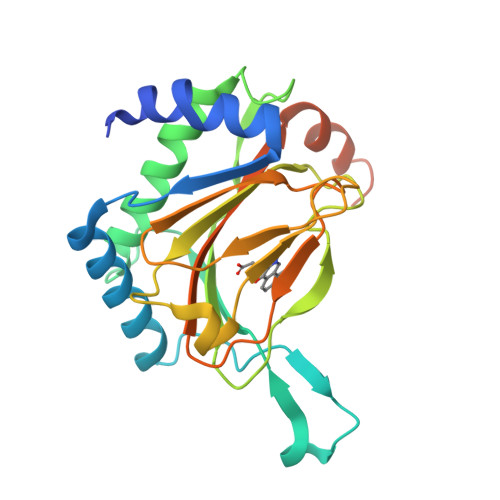 Click to view 3D structure | Egl nine homolog 1 | Q9GZT9 | Humans | Predicted (SEA) | - Prediction Confidence Score
- 0.292
- Applicability Domain
- 0.421
- Statistical Significance
- 0.0019
- Supporting Reference Compounds
- 41
- E-value
- 14.6357
|
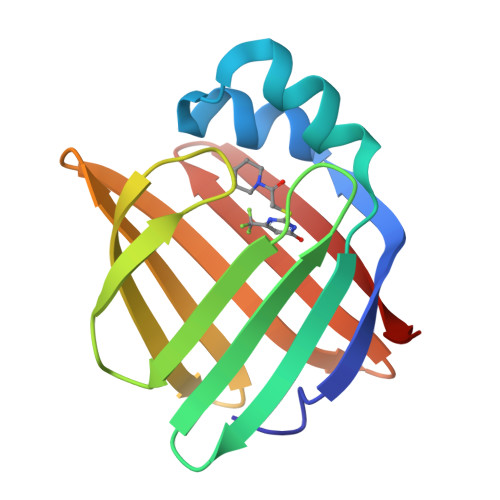 Click to view 3D structure | Fatty acid-binding protein, adipocyte | P15090 | Humans | Predicted (SEA) | - Prediction Confidence Score
- 0.288
- Applicability Domain
- 0.4
- Statistical Significance
- 0.0015
- Supporting Reference Compounds
- 19
- E-value
- 11.5995
|
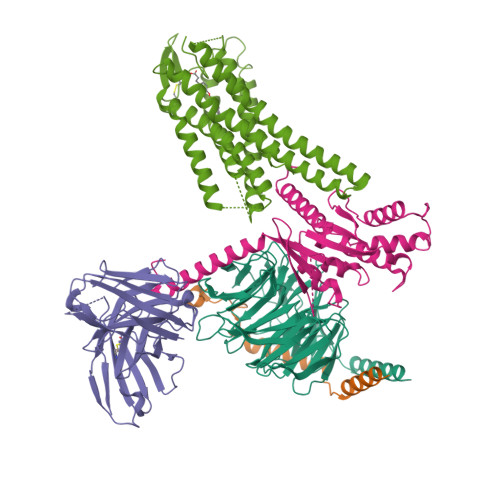 Click to view 3D structure | Free fatty acid receptor 4 | Q5NUL3 | Humans | Predicted (SEA) | - Prediction Confidence Score
- 0.287
- Applicability Domain
- 0.4
- Statistical Significance
- 0.0079
- Supporting Reference Compounds
- 63
- E-value
- 61.423
|
| Click to view 3D structure | Cytochrome P450 4A4 | P10611 | Oryctolagus cuniculus | Predicted (SEA) | - Prediction Confidence Score
- 0.286
- Applicability Domain
- 0.286 Low confidence
- Statistical Significance
- 1.60e-04
- Supporting Reference Compounds
- 1
- E-value
- 1.24559
|
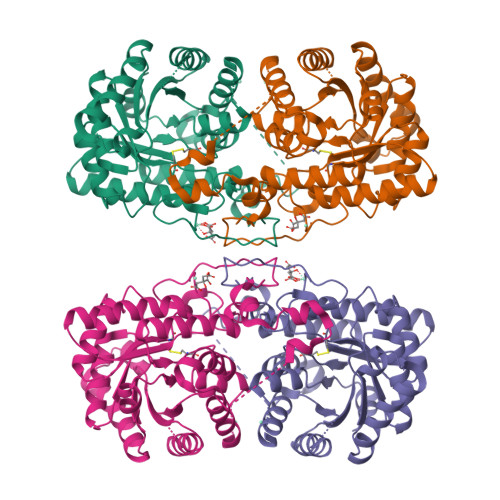 Click to view 3D structure | Betaine--homocysteine S-methyltransferase 1 | Q93088 | Humans | Predicted (SEA) | - Prediction Confidence Score
- 0.286
- Applicability Domain
- 0.286 Low confidence
- Statistical Significance
- 4.30e-04
- Supporting Reference Compounds
- 1
- E-value
- 3.34752
|
 Click to view 3D structure | Fatty acid-binding protein, heart | P05413 | Humans | Predicted (SEA) | - Prediction Confidence Score
- 0.283
- Applicability Domain
- 0.4
- Statistical Significance
- 5.80e-04
- Supporting Reference Compounds
- 13
- E-value
- 4.51525
|
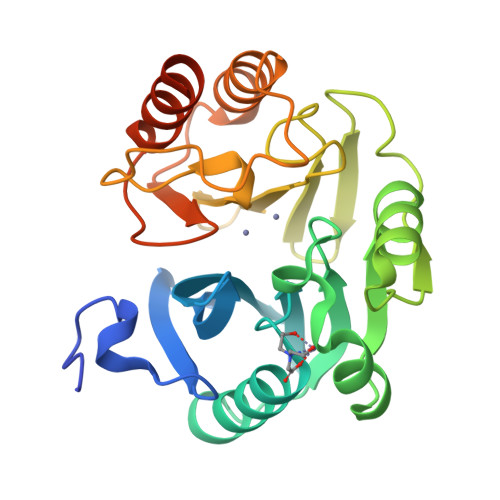 Click to view 3D structure | Beta-lactamase VIM-1 | Q9XAY4 | Pseudomonas aeruginosa | Predicted (SEA) | - Prediction Confidence Score
- 0.28
- Applicability Domain
- 0.28 Low confidence
- Statistical Significance
- 1.20e-04
- Supporting Reference Compounds
- 1
- E-value
- 0.934191
|
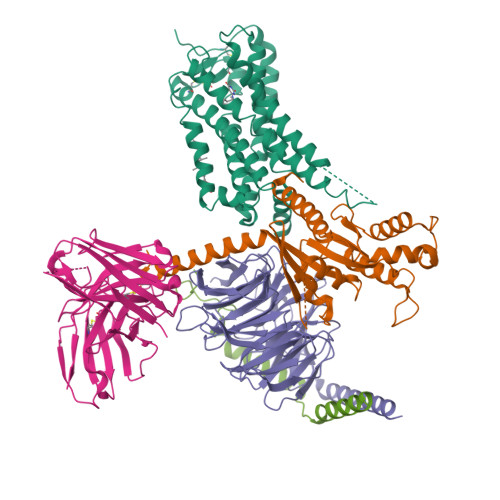 Click to view 3D structure | G-protein coupled receptor 84 | Q9NQS5 | Humans | Predicted (SEA) | - Prediction Confidence Score
- 0.277
- Applicability Domain
- 0.4
- Statistical Significance
- 0.0015
- Supporting Reference Compounds
- 15
- E-value
- 11.7552
|
| Click to view 3D structure | Succinate receptor 1 | Q99MT6 | Mus musculus | Predicted (SEA) | - Prediction Confidence Score
- 0.269
- Applicability Domain
- 0.421
- Statistical Significance
- 7.00e-05
- Supporting Reference Compounds
- 2
- E-value
- 0.544945
|
 Click to view 3D structure | Olfactory receptor 51E2 | Q9H255 | Humans | Predicted (SEA) | - Prediction Confidence Score
- 0.266
- Applicability Domain
- 0.4
- Statistical Significance
- 1.40e-04
- Supporting Reference Compounds
- 9
- E-value
- 1.08989
|
| Click to view 3D structure | Snake venom metalloproteinase neuwiedase | Q9I9R4 | Bothrops pauloensis | Predicted (SEA) | - Prediction Confidence Score
- 0.261
- Applicability Domain
- 0.261 Low confidence
- Statistical Significance
- 0.003
- Supporting Reference Compounds
- 1
- E-value
- 23.3548
|
| Click to view 3D structure | N-acetylaspartylglutamate synthase A | Q8IXN7 | Humans | Predicted (SEA) | - Prediction Confidence Score
- 0.258
- Applicability Domain
- 0.258 Low confidence
- Statistical Significance
- 0.0016
- Supporting Reference Compounds
- 1
- E-value
- 12.6116
|
| Click to view 3D structure | Cytochrome P450 2C23 | P24470 | Rattus norvegicus | Predicted (SEA) | - Prediction Confidence Score
- 0.257
- Applicability Domain
- 0.257 Low confidence
- Statistical Significance
- 5.60e-04
- Supporting Reference Compounds
- 1
- E-value
- 4.35956
|
 Click to view 3D structure | Toll-like receptor 2 | O60603 | Humans | Predicted (SEA) | - Prediction Confidence Score
- 0.246
- Applicability Domain
- 0.4
- Statistical Significance
- 0.001
- Supporting Reference Compounds
- 9
- E-value
- 8.17417
|
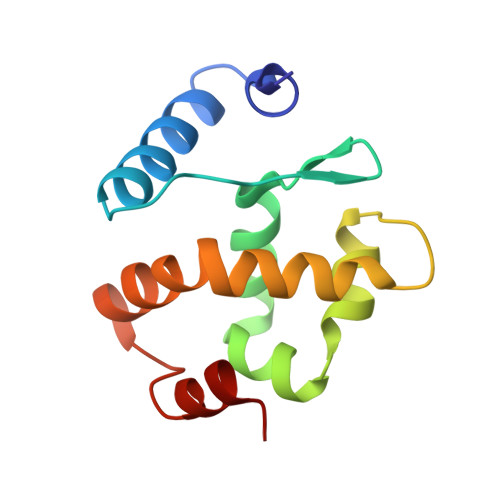 Click to view 3D structure | Lysine-specific demethylase 5C | P41229 | Humans | Predicted (SEA) | - Prediction Confidence Score
- 0.243
- Applicability Domain
- 0.308
- Statistical Significance
- 0.0134
- Supporting Reference Compounds
- 45
- E-value
- 104.162
|

