2,3,4,5-tetrahydropyridine (CED0011657)

Record Information
Version1.0
Creation Date2026-08-23 02:35:56 UTC
Update Date2026-08-23 02:35:56 UTC
SynCED IDCED0011657
Secondary Accession Numbers
  • CHEM225950
Identification
Common Name2,3,4,5-tetrahydropyridine
ClassSmall Molecule
Description
2,3,4,5-tetrahydropyridine is an organic compound with the formula C5H9N and an average molecular weight of 83.13 g/mol. 2,3,4,5-tetrahydropyridine belongs to the hydropyridines, a subclass of pyridines and derivatives within the organic compounds. This organoheterocyclic compound has been found in or released from three recorded sources. These sources include household cleaning and consumer products, specifically tobacco product cases, as well as electrical and electronic equipment, such as antennas and video games.
Contaminant TypeNot Available
Chemical Structure
SynonymsNot Available
Chemical FormulaC5H9N
Average Molecular Mass83.130 g/mol
Monoisotopic Mass83.073 g/mol
CAS Registry Number505-18-0
IUPAC NameNot Available
Traditional NameNot Available
SMILESNot Available
InChI IdentifierInChI=1S/C5H9N/c1-2-4-6-5-3-1/h4H,1-3,5H2
InChI KeyDWKUKQRKVCMOLP-UHFFFAOYSA-N
Chemical Taxonomy
ClassificationNot classified
Biological Properties
StatusDetected and Not Quantified
OriginNot Available
Cellular LocationsNot Available
Biofluid LocationsNot Available
Tissue LocationsNot Available
ApplicationsNot Available
Biological RolesNot Available
Chemical RolesNot Available
Organoleptic EffectsNot Available
Physical Properties
StateNot Available
AppearanceNot Available
Experimental Properties
PropertyValue
Melting PointNot Available
Boiling PointNot Available
SolubilityNot Available
Predicted PropertiesNot Available
Spectra
Spectra
Spectrum TypeDescriptionSplash KeyDeposition DateView
Predicted GC-MSPredicted GC-MS Spectrumsplash10-001l-9000000000-4f31805ce26192d9d623Not AvailableView Spectrum
Predicted GC-MSPredicted GC-MS SpectrumNot AvailableNot AvailableView Spectrum
Predicted LC-MS/MSPredicted LC-MS/MS Spectrumsplash10-001i-9000000000-72c8691eb15dce6e0abbNot AvailableView Spectrum
Predicted LC-MS/MSPredicted LC-MS/MS Spectrumsplash10-001l-9000000000-1356d182311c252982deNot AvailableView Spectrum
Predicted LC-MS/MSPredicted LC-MS/MS Spectrumsplash10-052f-9000000000-a58a0919c5cd868e826bNot AvailableView Spectrum
Predicted LC-MS/MSPredicted LC-MS/MS Spectrumsplash10-001i-9000000000-34725d39e59b81eb7824Not AvailableView Spectrum
Predicted LC-MS/MSPredicted LC-MS/MS Spectrumsplash10-001i-9000000000-788abf5a93ba6dffb4b7Not AvailableView Spectrum
1D NMR13C NMR Spectrum (1D, D2O, predicted)Not AvailableNot AvailableView Spectrum
1D NMR1H NMR Spectrum (1D, D2O, predicted)Not AvailableNot AvailableView Spectrum
Toxicity Profile
Toxicity Values
Toxicity ValueOrganismDose DescriptorRoute of ExposurePredicted or ExperimentalToxicity RatingReference
299.0 Log mg/kg [170:530]RatLD50oralpredictedNot AvailableNot Available
Toxicity / Toxin ClassNot Available
Mechanism of ToxicityNot Available
Carcinogenicity (IARC Classification)Not Available
Minimum Risk LevelNot Available
SymptomsNot Available
TreatmentNot Available
Health Effects
Health EffectRelationshipDirectionDescriptionReference
Exposure Sources
Source IDSourceSectorReference
CEDs000010Insecticides?Insecticides are synthetic chemicals designed to control or eliminate insect pests that threaten crops and other agricultural products.Agriculture & land managementPubChem
CEDs000506Antennas?Antennas, commonly used in communication technologies, can be a source of synthetic chemical contamination through the materials and coatings used in their construction.Electrical & Electronic EquipmentPubChem
CEDs000511Conductors Or Conductive Bodies Characterised By The Conductive Materials?Conductors, or conductive bodies, are materials that allow the flow of electrical current, typically made from metals such as copper, aluminum, or silver.Electrical & Electronic EquipmentPubChem
CEDs000519Electrodes?Electrodes, used in various electrical and electronic applications, can be a source of synthetic chemical contamination due to the materials from which they are constructed and the processes involved in their manufacturing.Electrical & Electronic EquipmentPubChem
CEDs000524Hybrid Capacitors?Hybrid capacitors are energy storage devices that combine the properties of electrolytic and supercapacitors, utilizing a combination of electrochemical principles to achieve higher energy density and power density.Electrical & Electronic EquipmentPubChem
CEDs000539Video Games?Video games, through their production and disposal processes, can be a source of synthetic chemical contamination.Electrical & Electronic EquipmentPubChem
CEDs000545Food Preservation?Food preservation often involves the use of synthetic chemicals, such as preservatives, flavor enhancers, and color additives, to extend shelf life and enhance the sensory qualities of food products.Food, food processing & cookwarePubChem
CEDs000555Bleaching Agents?Bleaching agents are chemical substances used to whiten or lighten materials, often employed in various cleaning products for their stain removal and disinfecting properties.Household cleaning & consumer productsPubChem
CEDs000561Perfumes Within Detergents And Soaps?Perfumes within detergents and soaps are synthetic fragrance compounds added to enhance the sensory experience of cleaning products.Household cleaning & consumer productsPubChem
CEDs000567Tobacco Product Cases?Tobacco product cases can serve as a source of synthetic chemical contamination due to the presence of various additives and chemicals used in tobacco processing and product manufacturing.Household cleaning & consumer productsPubChem
CEDs000580Manufacture Preparation Of Tobacco Products?The manufacture and preparation of tobacco products involve various processes that can result in the introduction of synthetic chemicals into the environment.Industrial manufacturing & chemical processingPubChem
CEDs000581Paper Making Machines?Paper making machines utilize various synthetic chemicals throughout the production process, including additives, coatings, and bleaching agents.Industrial manufacturing & chemical processingPubChem
CEDs000596Acaricides?Acaricides are synthetic chemicals specifically designed to target and control mite populations that can damage crops and plants.Agriculture & land managementPubChem
CEDs000600Herbicides And Algicides?Herbicides and algicides are synthetic chemicals primarily used to control unwanted plants and algae in various environments.Agriculture & land managementPubChem
CEDs000603Nematocides?Nematocides are synthetic chemicals specifically designed to control nematodes, which are microscopic roundworms that can cause significant damage to crops and plants.Agriculture & land managementPubChem
CEDs000604Pest Attractants?Pest attractants are synthetic chemicals designed to lure specific pests for monitoring or control purposes.Agriculture & land managementPubChem
CEDs000605Pest Repellants?Pest repellents, often formulated from synthetic chemicals, are widely used to protect crops from insect infestations and other pests.Agriculture & land managementPubChem
CEDs000606Plant Growth Regulators?Plant Growth Regulators (PGRs) are synthetic chemicals designed to influence the growth and development of plants.Agriculture & land managementPubChem
CEDs000607Rodenticides(1)?Rodenticides are synthetic chemicals specifically formulated to control rodent populations, serving as a crucial tool in managing pests that can damage crops and spread diseases.Agriculture & land managementPubChem
CEDs000608Rodenticides?Rodenticides are chemical substances specifically designed to control rodent populations by causing death through various mechanisms, including anticoagulation or neurotoxicity.Agriculture & land managementPubChem
CEDs000611Anti Perspirants Or Body Deoderants?Antiperspirants and body deodorants commonly contain synthetic chemicals such as aluminum compounds, parabens, and synthetic fragrances.Personal care & cosmeticsPubChem
CEDs000614Essential Oils Or Perfumes?Essential oils and perfumes are complex mixtures of volatile compounds derived from natural or synthetic sources, commonly used for their aromatic properties.Personal care & cosmeticsPubChem
CEDs000615Eye Makeup Products?Eye makeup products, including mascaras, eyeliners, and eyeshadows, often contain a variety of synthetic chemicals such as pigments, preservatives, and film-forming agents.Personal care & cosmeticsPubChem
CEDs000617Lip Care Products?Lip care products, including lipsticks, balms, and glosses, often contain a variety of synthetic chemicals such as parabens, phthalates, and synthetic fragrances.Personal care & cosmeticsPubChem
CEDs000632Apparel?Apparel production often involves the use of various synthetic chemicals, including dyes, finishing agents, and preservatives.Textiles, leather & furnishingsPubChem
CEDs000642Footwear?Footwear production often involves the use of various synthetic chemicals, such as adhesives, dyes, and treatments, which can contribute to environmental contamination.Textiles, leather & furnishingsPubChem
CEDs000650Purses Luggage Hand Bags?Purses, luggage, and handbags are often manufactured using synthetic materials such as polyvinyl chloride (PVC), polyurethane, and various types of nylon.Textiles, leather & furnishingsPubChem
CEDs000662Yarns Or Threads?Yarns or threads used in textiles can be a source of synthetic chemical contamination due to the production processes and treatments they undergo.Textiles, leather & furnishingsPubChem
CEDs000665Fire Extinguishers?Fire extinguishers contain various synthetic chemicals designed to suppress flames and prevent the spread of fire.Fire suppression systems & agentsPubChem
CEDs000685Ceramics?Ceramics can be a source of synthetic chemical contamination through various additives and processing agents used in their production.Building & ConstructionPubChem
CEDs000691Non Oxide Glass?Non-oxide glass refers to a category of glasses primarily composed of materials other than silicon dioxide, such as boron oxide or phosphorous oxide.Building & ConstructionPubChem
CEDs000696Nanotechnology?Nanotechnology involves the manipulation of materials at the molecular or atomic level, typically within the range of 1 to 100 nanometers.Industrial manufacturing & chemical processingPubChem
CEDs000729Stamps?Stamps, particularly those produced using synthetic inks and adhesives, can contribute to chemical contamination when disposed of improperly.Paper, pulp & fiber productsPubChem
CEDs000734Coating Compositions?Coating compositions, which include paints, sealants, and varnishes, are formulated with a variety of synthetic chemicals such as solvents, resins, pigments, and additives.Building & ConstructionPubChem
CEDs000735Explosives?Explosives are chemical compounds or mixtures designed to undergo rapid decomposition, releasing energy in the form of gas and heat.Defense & military infrastructurePubChem
CEDs000736Fuses?Fuses are safety devices designed to protect electrical circuits by breaking the circuit when excessive current flows through.Electrical & Electronic EquipmentPubChem
CEDs000738Cooling Circuit Water?Cooling circuit water is utilized in various industrial processes to absorb and dissipate heat generated during operations.Industrial manufacturing & chemical processingPubChem
CEDs000739Inks?Inks are complex mixtures composed of pigments or dyes, solvents, resins, and additives used primarily for printing and writing applications.Paper, pulp & fiber productsPubChem
CEDs000740Paper?Paper production involves the processing of wood fibers and the use of various chemicals, which can lead to synthetic chemical contamination.Paper, pulp & fiber productsPubChem
CEDs000741Pigment Pastes?Pigment pastes are concentrated dispersions of pigments used to impart color and properties to materials.Paper, pulp & fiber productsPubChem
CEDs000744Water, Wastewater, & Sewage Treatment?Water, wastewater, and sewage treatment processes are critical for managing and mitigating pollutants in water systems.Wastewater, sanitation & biosolidsPubChem
Pathways
0 pathwaysPathway Source: PathBank

No pathways found

No metabolic pathways have been associated with this synthetic chemical

Targets
StructureProteinUniProt IDOrganismRelationshipDetails
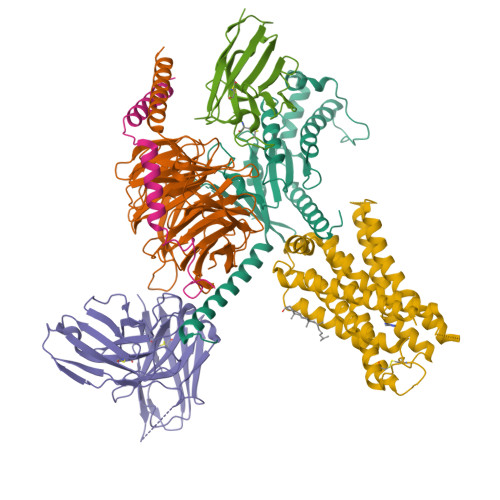
Nischarin structureClick to view 3D structureNischarinQ9Y2I1HumansPredicted (SEA)
Prediction Confidence Score
0.144
Applicability Domain
0.167 Low confidence
Statistical Significance
0.609
Supporting Reference Compounds
37
E-value
4741.41
Alpha-1A adrenergic receptor structureClick to view 3D structureAlpha-1A adrenergic receptorP35348HumansPredicted (SEA)
Prediction Confidence Score
0.135
Applicability Domain
0.143 Low confidence
Statistical Significance
0.9939
Supporting Reference Compounds
376
E-value
7737.67
Click to view 3D structureNischarinQ4G017Rattus norvegicusPredicted (SEA)
Prediction Confidence Score
0.134
Applicability Domain
0.139 Low confidence
Statistical Significance
0.3548
Supporting Reference Compounds
18
E-value
2761.78
Alpha-2A adrenergic receptor structureClick to view 3D structureAlpha-2A adrenergic receptorP08913HumansPredicted (SEA)
Prediction Confidence Score
0.13
Applicability Domain
0.139 Low confidence
Statistical Significance
0.9982
Supporting Reference Compounds
487
E-value
7770.68
Alpha-2C adrenergic receptor structureClick to view 3D structureAlpha-2C adrenergic receptorP18825HumansPredicted (SEA)
Prediction Confidence Score
0.13
Applicability Domain
0.139 Low confidence
Statistical Significance
0.9973
Supporting Reference Compounds
386
E-value
7764.29
Alpha-2B adrenergic receptor structureClick to view 3D structureAlpha-2B adrenergic receptorP18089HumansPredicted (SEA)
Prediction Confidence Score
0.13
Applicability Domain
0.139 Low confidence
Statistical Significance
0.9967
Supporting Reference Compounds
340
E-value
7759.31
Click to view 3D structureAlpha-1D adrenergic receptorP25100HumansPredicted (SEA)
Prediction Confidence Score
0.128
Applicability Domain
0.139 Low confidence
Statistical Significance
0.9958
Supporting Reference Compounds
258
E-value
7752.3
Click to view 3D structureAlpha-1B adrenergic receptorP35368HumansPredicted (SEA)
Prediction Confidence Score
0.128
Applicability Domain
0.139 Low confidence
Statistical Significance
0.9962
Supporting Reference Compounds
298
E-value
7755.03
5-hydroxytryptamine receptor 1D structureClick to view 3D structure5-hydroxytryptamine receptor 1DP28221HumansPredicted (SEA)
Prediction Confidence Score
0.126
Applicability Domain
0.143 Low confidence
Statistical Significance
0.9963
Supporting Reference Compounds
365
E-value
7756.43
Alpha-2A adrenergic receptor structureClick to view 3D structureAlpha-2A adrenergic receptorQ28838Bos taurusPredicted (SEA)
Prediction Confidence Score
0.126
Applicability Domain
0.139 Low confidence
Statistical Significance
0.8368
Supporting Reference Compounds
32
E-value
6514.5
Click to view 3D structureAlpha-1A adrenergic receptorP18130Bos taurusPredicted (SEA)
Prediction Confidence Score
0.122
Applicability Domain
0.139 Low confidence
Statistical Significance
0.9851
Supporting Reference Compounds
85
E-value
7669.32
5-hydroxytryptamine receptor 1A structureClick to view 3D structure5-hydroxytryptamine receptor 1AP08908HumansPredicted (SEA)
Prediction Confidence Score
0.12
Applicability Domain
0.139 Low confidence
Statistical Significance
0.9991
Supporting Reference Compounds
953
E-value
7777.84
Click to view 3D structureAlpha-2B adrenergic receptorP19328Rattus norvegicusPredicted (SEA)
Prediction Confidence Score
0.119
Applicability Domain
0.139 Low confidence
Statistical Significance
0.9468
Supporting Reference Compounds
30
E-value
7371.15
5-hydroxytryptamine receptor 1B structureClick to view 3D structure5-hydroxytryptamine receptor 1BP28222HumansPredicted (SEA)
Prediction Confidence Score
0.119
Applicability Domain
0.139 Low confidence
Statistical Significance
0.9975
Supporting Reference Compounds
337
E-value
7765.62
Click to view 3D structureAlpha-1A adrenergic receptorP43140Rattus norvegicusPredicted (SEA)
Prediction Confidence Score
0.118
Applicability Domain
0.139 Low confidence
Statistical Significance
0.9969
Supporting Reference Compounds
208
E-value
7760.63
Camphor 5-monooxygenase structureClick to view 3D structureCamphor 5-monooxygenaseP00183Pseudomonas putidaPredicted (SEA)
Prediction Confidence Score
0.118
Applicability Domain
0.118 Low confidence
Statistical Significance
0.0708
Supporting Reference Compounds
1
E-value
551.406
Click to view 3D structureAmine oxidase [flavin-containing] BP19643Rattus norvegicusPredicted (SEA)
Prediction Confidence Score
0.116
Applicability Domain
0.139 Low confidence
Statistical Significance
0.9816
Supporting Reference Compounds
77
E-value
7641.76
Click to view 3D structure5-hydroxytryptamine receptor 1AP19327Rattus norvegicusPredicted (SEA)
Prediction Confidence Score
0.115
Applicability Domain
0.139 Low confidence
Statistical Significance
0.999
Supporting Reference Compounds
541
E-value
7777.53
Click to view 3D structureAlpha-1B adrenergic receptorP15823Rattus norvegicusPredicted (SEA)
Prediction Confidence Score
0.115
Applicability Domain
0.139 Low confidence
Statistical Significance
0.996
Supporting Reference Compounds
130
E-value
7753.7
Histamine H3 receptor structureClick to view 3D structureHistamine H3 receptorQ9Y5N1HumansPredicted (SEA)
Prediction Confidence Score
0.114
Applicability Domain
0.15 Low confidence
Statistical Significance
0.9987
Supporting Reference Compounds
294
E-value
7775.19
5-hydroxytryptamine receptor 2C structureClick to view 3D structure5-hydroxytryptamine receptor 2CP28335HumansPredicted (SEA)
Prediction Confidence Score
0.113
Applicability Domain
0.135 Low confidence
Statistical Significance
0.9997
Supporting Reference Compounds
823
E-value
7782.35
5-hydroxytryptamine receptor 2A structureClick to view 3D structure5-hydroxytryptamine receptor 2AP28223HumansPredicted (SEA)
Prediction Confidence Score
0.113
Applicability Domain
0.135 Low confidence
Statistical Significance
0.9997
Supporting Reference Compounds
955
E-value
7782.9
5-hydroxytryptamine receptor 7 structureClick to view 3D structure5-hydroxytryptamine receptor 7P34969HumansPredicted (SEA)
Prediction Confidence Score
0.113
Applicability Domain
0.135 Low confidence
Statistical Significance
0.9992
Supporting Reference Compounds
565
E-value
7779.01
Histamine H4 receptor structureClick to view 3D structureHistamine H4 receptorQ9H3N8HumansPredicted (SEA)
Prediction Confidence Score
0.113
Applicability Domain
0.15 Low confidence
Statistical Significance
0.998
Supporting Reference Compounds
150
E-value
7769.66
Histone deacetylase 8 structureClick to view 3D structureHistone deacetylase 8Q9BY41HumansPredicted (SEA)
Prediction Confidence Score
0.112
Applicability Domain
0.122 Low confidence
Statistical Significance
0.9988
Supporting Reference Compounds
317
E-value
7775.5
Concentrations
Not Available
External Links
IdentifiersNot Available
References
Synthesis ReferenceNot Available
MSDSNot Available
General ReferencesNot Available