3-methyl-2-methylidenebutanoic acid (CED0192863)

Record Information
Version1.0
Creation Date2026-08-23 04:23:43 UTC
Update Date2026-08-23 04:23:43 UTC
SynCED IDCED0192863
Secondary Accession Numbers
  • CHEM227029
Identification
Common Name3-methyl-2-methylidenebutanoic acid
ClassSmall Molecule
Description
3-methyl-2-methylidenebutanoic acid belongs to the fatty acids and conjugates, a subclass of fatty acyls within the organic compounds. This compound has the formula C6H10O2 and an average molecular weight of 114.14 g/mol. It is further classified within the superclass of lipids and lipid-like molecules.
Contaminant TypeNot Available
Chemical Structure
SynonymsNot Available
Chemical FormulaC6H10O2
Average Molecular Mass114.140 g/mol
Monoisotopic Mass114.068 g/mol
CAS Registry Number4465-04-7
IUPAC NameNot Available
Traditional NameNot Available
SMILESNot Available
InChI IdentifierInChI=1S/C6H10O2/c1-4(2)5(3)6(7)8/h4H,3H2,1-2H3,(H,7,8)
InChI KeyMBRVKEJIEFZNST-UHFFFAOYSA-N
Chemical Taxonomy
ClassificationNot classified
Biological Properties
StatusDetected and Not Quantified
OriginNot Available
Cellular LocationsNot Available
Biofluid LocationsNot Available
Tissue LocationsNot Available
ApplicationsNot Available
Biological RolesNot Available
Chemical RolesNot Available
Organoleptic EffectsNot Available
Physical Properties
StateNot Available
AppearanceNot Available
Experimental Properties
PropertyValue
Melting PointNot Available
Boiling PointNot Available
SolubilityNot Available
Predicted PropertiesNot Available
Spectra
SpectraNot Available
Toxicity Profile
Toxicity Values
Toxicity ValueOrganismDose DescriptorRoute of ExposurePredicted or ExperimentalToxicity RatingReference
3367.0 Log mg/kg [1900:6000]RatLD50oralpredictedNot AvailableNot Available
Toxicity / Toxin ClassNot Available
Mechanism of ToxicityNot Available
Carcinogenicity (IARC Classification)Not Available
Minimum Risk LevelNot Available
SymptomsNot Available
TreatmentNot Available
Health Effects
Health EffectRelationshipDirectionDescriptionReference
Exposure Sources
Source IDSourceSectorReference
CEDs000010Insecticides?Insecticides are synthetic chemicals designed to control or eliminate insect pests that threaten crops and other agricultural products.Agriculture & land managementPubChem
CEDs000511Conductors Or Conductive Bodies Characterised By The Conductive Materials?Conductors, or conductive bodies, are materials that allow the flow of electrical current, typically made from metals such as copper, aluminum, or silver.Electrical & Electronic EquipmentPubChem
CEDs000514Discharge Lamps?Discharge lamps, including fluorescent and high-intensity discharge (HID) lamps, are commonly used for lighting applications due to their energy efficiency and brightness.Electrical & Electronic EquipmentPubChem
CEDs000519Electrodes?Electrodes, used in various electrical and electronic applications, can be a source of synthetic chemical contamination due to the materials from which they are constructed and the processes involved in their manufacturing.Electrical & Electronic EquipmentPubChem
CEDs000521Fixed Capacitors And Their Manufacture?Fixed capacitors are passive electronic components used to store and release electrical energy, playing a critical role in various circuits.Electrical & Electronic EquipmentPubChem
CEDs000524Hybrid Capacitors?Hybrid capacitors are energy storage devices that combine the properties of electrolytic and supercapacitors, utilizing a combination of electrochemical principles to achieve higher energy density and power density.Electrical & Electronic EquipmentPubChem
CEDs000545Food Preservation?Food preservation often involves the use of synthetic chemicals, such as preservatives, flavor enhancers, and color additives, to extend shelf life and enhance the sensory qualities of food products.Food, food processing & cookwarePubChem
CEDs000552Processing Meats?Processing meats can lead to synthetic chemical contamination primarily through the use of additives and preservatives.Food, food processing & cookwarePubChem
CEDs000561Perfumes Within Detergents And Soaps?Perfumes within detergents and soaps are synthetic fragrance compounds added to enhance the sensory experience of cleaning products.Household cleaning & consumer productsPubChem
CEDs000563Soap Detergents?Soap detergents are synthetic surfactants designed to enhance the cleaning efficacy of water by reducing surface tension, allowing for better interaction with dirt and grease.Household cleaning & consumer productsPubChem
CEDs000580Manufacture Preparation Of Tobacco Products?The manufacture and preparation of tobacco products involve various processes that can result in the introduction of synthetic chemicals into the environment.Industrial manufacturing & chemical processingPubChem
CEDs000581Paper Making Machines?Paper making machines utilize various synthetic chemicals throughout the production process, including additives, coatings, and bleaching agents.Industrial manufacturing & chemical processingPubChem
CEDs000596Acaricides?Acaricides are synthetic chemicals specifically designed to target and control mite populations that can damage crops and plants.Agriculture & land managementPubChem
CEDs000609Aftershave?Aftershave is a grooming product typically used to soothe and protect the skin following shaving.Personal care & cosmeticsPubChem
CEDs000610Aftersun Products?Aftersun products are designed to soothe and hydrate the skin after sun exposure, often containing various synthetic chemicals such as emollients, preservatives, and fragrances.Personal care & cosmeticsPubChem
CEDs000611Anti Perspirants Or Body Deoderants?Antiperspirants and body deodorants commonly contain synthetic chemicals such as aluminum compounds, parabens, and synthetic fragrances.Personal care & cosmeticsPubChem
CEDs000614Essential Oils Or Perfumes?Essential oils and perfumes are complex mixtures of volatile compounds derived from natural or synthetic sources, commonly used for their aromatic properties.Personal care & cosmeticsPubChem
CEDs000615Eye Makeup Products?Eye makeup products, including mascaras, eyeliners, and eyeshadows, often contain a variety of synthetic chemicals such as pigments, preservatives, and film-forming agents.Personal care & cosmeticsPubChem
CEDs000618Lip Makeup Products?Lip makeup products, such as lipsticks, lip glosses, and lip liners, often contain a variety of synthetic chemicals, including pigments, preservatives, and emollients.Personal care & cosmeticsPubChem
CEDs000630Toys?Toys, particularly those made from synthetic materials such as plastics, can be a source of chemical contamination due to the presence of various additives and compounds used in their production.Recreation & sports surfacesPubChem
CEDs000657Surface Finishing Of Leather?Surface finishing of leather often involves the use of various synthetic chemicals, including dyes, resins, and finishing agents.Textiles, leather & furnishingsPubChem
CEDs000684Cements?Cements are a composite material primarily used as a binding agent in construction applications, formed by the calcination of limestone and clay minerals at high temperatures.Building & ConstructionPubChem
CEDs000688Glass Coatings?Glass coatings are synthetic chemical formulations applied to glass surfaces to enhance properties such as durability, UV resistance, and aesthetic appeal.Building & ConstructionPubChem
CEDs000692Silica Free Oxide Glass?Silica Free Oxide Glass is a type of glass that is produced using alternative materials to traditional silica-based formulations.Building & ConstructionPubChem
CEDs000693Silica Glass?Silica glass, primarily composed of silicon dioxide (SiO2), is widely used in various applications, including windows, glass facades, and insulation materials.Building & ConstructionPubChem
CEDs000696Nanotechnology?Nanotechnology involves the manipulation of materials at the molecular or atomic level, typically within the range of 1 to 100 nanometers.Industrial manufacturing & chemical processingPubChem
CEDs000734Coating Compositions?Coating compositions, which include paints, sealants, and varnishes, are formulated with a variety of synthetic chemicals such as solvents, resins, pigments, and additives.Building & ConstructionPubChem
CEDs000739Inks?Inks are complex mixtures composed of pigments or dyes, solvents, resins, and additives used primarily for printing and writing applications.Paper, pulp & fiber productsPubChem
CEDs000740Paper?Paper production involves the processing of wood fibers and the use of various chemicals, which can lead to synthetic chemical contamination.Paper, pulp & fiber productsPubChem
CEDs000741Pigment Pastes?Pigment pastes are concentrated dispersions of pigments used to impart color and properties to materials.Paper, pulp & fiber productsPubChem
CEDs000742Leather Tanning?Leather tanning is a process that transforms raw animal hides into durable leather through the application of various chemicals, including chromium salts, aldehydes, and vegetable tannins.Textiles, leather & furnishingsPubChem
CEDs000743Sludge Treatment?Sludge treatment involves the processing of waste materials generated from wastewater treatment plants, which often contain a variety of organic and inorganic substances.Wastewater, sanitation & biosolidsPubChem
CEDs000744Water, Wastewater, & Sewage Treatment?Water, wastewater, and sewage treatment processes are critical for managing and mitigating pollutants in water systems.Wastewater, sanitation & biosolidsPubChem
Pathways
0 pathwaysPathway Source: PathBank

No pathways found

No metabolic pathways have been associated with this synthetic chemical

Targets
StructureProteinUniProt IDOrganismRelationshipDetails
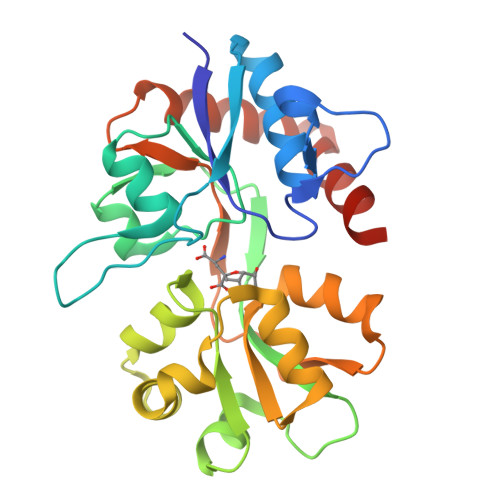
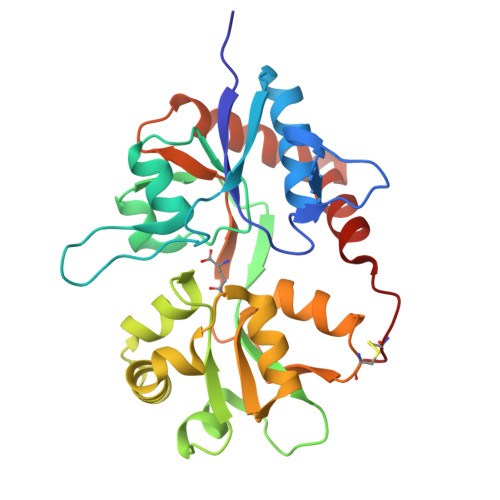
Glutamate receptor ionotropic, kainate 1 structureClick to view 3D structureGlutamate receptor ionotropic, kainate 1P39086HumansPredicted (SEA)
Prediction Confidence Score
0.242
Applicability Domain
0.296 Low confidence
Statistical Significance
0.0017
Supporting Reference Compounds
31
E-value
13.0787
Aminopeptidase N structureClick to view 3D structureAminopeptidase NP04825Escherichia coli (strain K12)Predicted (SEA)
Prediction Confidence Score
0.226
Applicability Domain
0.226 Low confidence
Statistical Significance
7.10e-04
Supporting Reference Compounds
1
E-value
5.52729
Metabotropic glutamate receptor 2 structureClick to view 3D structureMetabotropic glutamate receptor 2Q14416HumansPredicted (SEA)
Prediction Confidence Score
0.218
Applicability Domain
0.296 Low confidence
Statistical Significance
0.0977
Supporting Reference Compounds
85
E-value
760.743
Succinyl-diaminopimelate desuccinylase structureClick to view 3D structureSuccinyl-diaminopimelate desuccinylaseP44514Haemophilus influenzae (strain ATCC 51907 / DSM 11121 / KW20 / Rd)Predicted (SEA)
Prediction Confidence Score
0.216
Applicability Domain
0.222 Low confidence
Statistical Significance
6.40e-04
Supporting Reference Compounds
2
E-value
4.98235
Glutamate receptor ionotropic, kainate 2 structureClick to view 3D structureGlutamate receptor ionotropic, kainate 2Q13002HumansPredicted (SEA)
Prediction Confidence Score
0.212
Applicability Domain
0.296 Low confidence
Statistical Significance
0.0037
Supporting Reference Compounds
16
E-value
29.0378
Metabotropic glutamate receptor 1 structureClick to view 3D structureMetabotropic glutamate receptor 1Q13255HumansPredicted (SEA)
Prediction Confidence Score
0.21
Applicability Domain
0.296 Low confidence
Statistical Significance
0.1074
Supporting Reference Compounds
68
E-value
835.945
3-isopropylmalate dehydrogenase structureClick to view 3D structure3-isopropylmalate dehydrogenaseQ5SIY4Thermus thermophilusPredicted (SEA)
Prediction Confidence Score
0.207
Applicability Domain
0.207 Low confidence
Statistical Significance
5.00e-05
Supporting Reference Compounds
1
E-value
0.389246
Glutamine synthetase structureClick to view 3D structureGlutamine synthetaseP0A9C5Escherichia coli K-12Predicted (SEA)
Prediction Confidence Score
0.206
Applicability Domain
0.206 Low confidence
Statistical Significance
0.0016
Supporting Reference Compounds
1
E-value
12.3002
Click to view 3D structureS-methylmethionine--homocysteine S-methyltransferase BHMT2Q9H2M3HumansPredicted (SEA)
Prediction Confidence Score
0.206
Applicability Domain
0.206 Low confidence
Statistical Significance
0.0013
Supporting Reference Compounds
1
E-value
9.9647
Click to view 3D structureGlutamate receptor 4P48058HumansPredicted (SEA)
Prediction Confidence Score
0.201
Applicability Domain
0.25 Low confidence
Statistical Significance
0.007
Supporting Reference Compounds
25
E-value
54.4945
Click to view 3D structureAsc-type amino acid transporter 1P63116RatPredicted (SEA)
Prediction Confidence Score
0.2
Applicability Domain
0.2 Low confidence
Statistical Significance
0.0018
Supporting Reference Compounds
2
E-value
13.8572
Prostaglandin G/H synthase 1 structureClick to view 3D structureProstaglandin G/H synthase 1P23219HumansPredicted (SEA)
Prediction Confidence Score
0.199
Applicability Domain
0.212 Low confidence
Statistical Significance
0.3618
Supporting Reference Compounds
136
E-value
2816.66
Prostaglandin G/H synthase 2 structureClick to view 3D structureProstaglandin G/H synthase 2P35354HumansPredicted (SEA)
Prediction Confidence Score
0.199
Applicability Domain
0.212 Low confidence
Statistical Significance
0.4683
Supporting Reference Compounds
201
E-value
3645.52
D-alanyl-D-alanine dipeptidase structureClick to view 3D structureD-alanyl-D-alanine dipeptidaseQ06241Enterococcus faeciumPredicted (SEA)
Prediction Confidence Score
0.198
Applicability Domain
0.226 Low confidence
Statistical Significance
0.0018
Supporting Reference Compounds
2
E-value
13.935
Prostaglandin G/H synthase 1 structureClick to view 3D structureProstaglandin G/H synthase 1P05979Ovis ariesPredicted (SEA)
Prediction Confidence Score
0.197
Applicability Domain
0.212 Low confidence
Statistical Significance
0.3065
Supporting Reference Compounds
106
E-value
2385.85
Glutamate receptor ionotropic, kainate 1 structureClick to view 3D structureGlutamate receptor ionotropic, kainate 1P22756Rattus norvegicusPredicted (SEA)
Prediction Confidence Score
0.197
Applicability Domain
0.259 Low confidence
Statistical Significance
0.035
Supporting Reference Compounds
45
E-value
272.862
Glutamate receptor ionotropic, kainate 3 structureClick to view 3D structureGlutamate receptor ionotropic, kainate 3P42264Rattus norvegicusPredicted (SEA)
Prediction Confidence Score
0.195
Applicability Domain
0.259 Low confidence
Statistical Significance
0.0173
Supporting Reference Compounds
26
E-value
134.835
Glutamate receptor ionotropic, kainate 2 structureClick to view 3D structureGlutamate receptor ionotropic, kainate 2P42260Rattus norvegicusPredicted (SEA)
Prediction Confidence Score
0.195
Applicability Domain
0.259 Low confidence
Statistical Significance
0.004
Supporting Reference Compounds
18
E-value
31.5289
Click to view 3D structureAminodeoxyfutalosine synthaseQ5SK48Thermus thermophilus (strain HB8 / ATCC 27634 / DSM 579)Predicted (SEA)
Prediction Confidence Score
0.194
Applicability Domain
0.194 Low confidence
Statistical Significance
0.0285
Supporting Reference Compounds
1
E-value
221.948
Click to view 3D structureProstaglandin G/H synthase 2P79208Ovis ariesPredicted (SEA)
Prediction Confidence Score
0.193
Applicability Domain
0.212 Low confidence
Statistical Significance
0.1596
Supporting Reference Compounds
50
E-value
1242.32
Carbonic anhydrase 9 structureClick to view 3D structureCarbonic anhydrase 9Q16790HumansPredicted (SEA)
Prediction Confidence Score
0.192
Applicability Domain
0.25 Low confidence
Statistical Significance
0.6033
Supporting Reference Compounds
372
E-value
4696.64
Glutamate receptor 1 structureClick to view 3D structureGlutamate receptor 1P42261HumansPredicted (SEA)
Prediction Confidence Score
0.189
Applicability Domain
0.25 Low confidence
Statistical Significance
0.0386
Supporting Reference Compounds
37
E-value
300.809
Click to view 3D structureGlutamate receptor ionotropic, kainate 5Q16478HumansPredicted (SEA)
Prediction Confidence Score
0.188
Applicability Domain
0.25 Low confidence
Statistical Significance
0.0072
Supporting Reference Compounds
17
E-value
56.4407
Glutamate receptor 1 structureClick to view 3D structureGlutamate receptor 1P19490Rattus norvegicusPredicted (SEA)
Prediction Confidence Score
0.187
Applicability Domain
0.259 Low confidence
Statistical Significance
0.0688
Supporting Reference Compounds
37
E-value
535.836
Click to view 3D structureMetabotropic glutamate receptor 2P31421Rattus norvegicusPredicted (SEA)
Prediction Confidence Score
0.186
Applicability Domain
0.219 Low confidence
Statistical Significance
0.3057
Supporting Reference Compounds
53
E-value
2379.7
Concentrations
Not Available
External Links
IdentifiersNot Available
References
Synthesis ReferenceNot Available
MSDSNot Available
General ReferencesNot Available