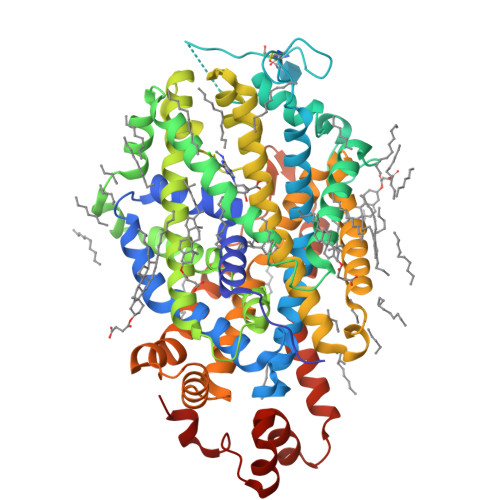
 Click to view 3D structure | Sodium-dependent dopamine transporter | Q01959 | Humans | Predicted (SEA) | - Prediction Confidence Score
- 0.289
- Applicability Domain
- 0.381
- Statistical Significance
- 0.0539
- Supporting Reference Compounds
- 506
- E-value
- 419.763
|
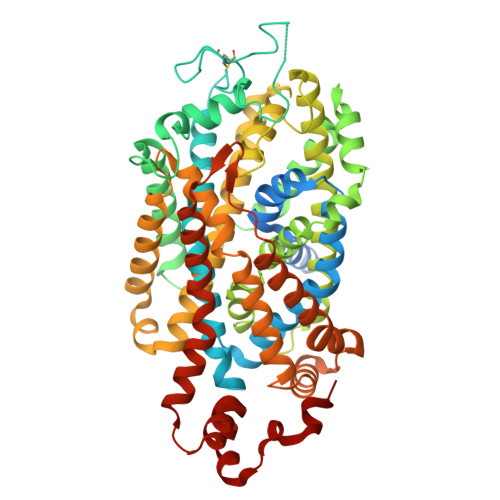 Click to view 3D structure | Sodium-dependent noradrenaline transporter | P23975 | Humans | Predicted (SEA) | - Prediction Confidence Score
- 0.288
- Applicability Domain
- 0.381
- Statistical Significance
- 0.049
- Supporting Reference Compounds
- 451
- E-value
- 381.15
|
 Click to view 3D structure | Sodium-dependent serotonin transporter | P31645 | Humans | Predicted (SEA) | - Prediction Confidence Score
- 0.258
- Applicability Domain
- 0.275 Low confidence
- Statistical Significance
- 0.1499
- Supporting Reference Compounds
- 593
- E-value
- 1167.27
|
 Click to view 3D structure | Cytochrome P450 2D6 | P10635 | Humans | Predicted (SEA) | - Prediction Confidence Score
- 0.254
- Applicability Domain
- 0.276 Low confidence
- Statistical Significance
- 0.412
- Supporting Reference Compounds
- 1130
- E-value
- 3207.15
|
 Click to view 3D structure | Voltage-gated inwardly rectifying potassium channel KCNH2 | Q12809 | Humans | Predicted (SEA) | - Prediction Confidence Score
- 0.249
- Applicability Domain
- 0.276 Low confidence
- Statistical Significance
- 0.5581
- Supporting Reference Compounds
- 1498
- E-value
- 4345.0
|
 Click to view 3D structure | Trace amine-associated receptor 7b | Q923X8 | Rattus norvegicus | Predicted (SEA) | - Prediction Confidence Score
- 0.245
- Applicability Domain
- 0.245 Low confidence
- Statistical Significance
- 0.002
- Supporting Reference Compounds
- 1
- E-value
- 15.5698
|
 Click to view 3D structure | Serine/threonine-protein kinase Chk1 | O14757 | Humans | Predicted (SEA) | - Prediction Confidence Score
- 0.243
- Applicability Domain
- 0.276 Low confidence
- Statistical Significance
- 0.3929
- Supporting Reference Compounds
- 807
- E-value
- 3058.46
|
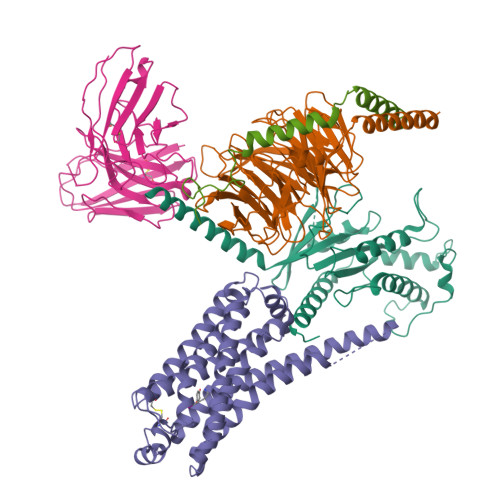 Click to view 3D structure | Trace amine-associated receptor 1 | Q96RJ0 | Humans | Predicted (SEA) | - Prediction Confidence Score
- 0.242
- Applicability Domain
- 0.267 Low confidence
- Statistical Significance
- 0.0353
- Supporting Reference Compounds
- 63
- E-value
- 275.197
|
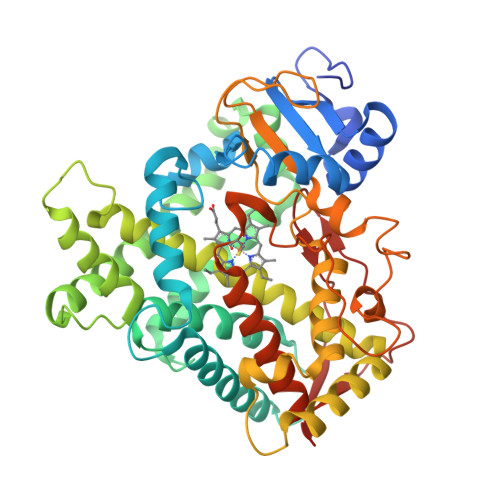 Click to view 3D structure | Cytochrome P450 2C9 | P11712 | Humans | Predicted (SEA) | - Prediction Confidence Score
- 0.238
- Applicability Domain
- 0.276 Low confidence
- Statistical Significance
- 0.6448
- Supporting Reference Compounds
- 1245
- E-value
- 5019.48
|
| Click to view 3D structure | Norepinephrine transporter | Q9WTR4 | Rattus norvegicus | Predicted (SEA) | - Prediction Confidence Score
- 0.238
- Applicability Domain
- 0.381
- Statistical Significance
- 0.0494
- Supporting Reference Compounds
- 112
- E-value
- 384.497
|
 Click to view 3D structure | Cytochrome P450 3A4 | P08684 | Humans | Predicted (SEA) | - Prediction Confidence Score
- 0.238
- Applicability Domain
- 0.276 Low confidence
- Statistical Significance
- 0.6948
- Supporting Reference Compounds
- 1538
- E-value
- 5408.65
|
 Click to view 3D structure | Cytochrome P450 1A2 | P05177 | Humans | Predicted (SEA) | - Prediction Confidence Score
- 0.238
- Applicability Domain
- 0.276 Low confidence
- Statistical Significance
- 0.4942
- Supporting Reference Compounds
- 793
- E-value
- 3847.31
|
| Click to view 3D structure | 5-hydroxytryptamine receptor 1A | P19327 | Rattus norvegicus | Predicted (SEA) | - Prediction Confidence Score
- 0.232
- Applicability Domain
- 0.275 Low confidence
- Statistical Significance
- 0.3101
- Supporting Reference Compounds
- 541
- E-value
- 2413.95
|
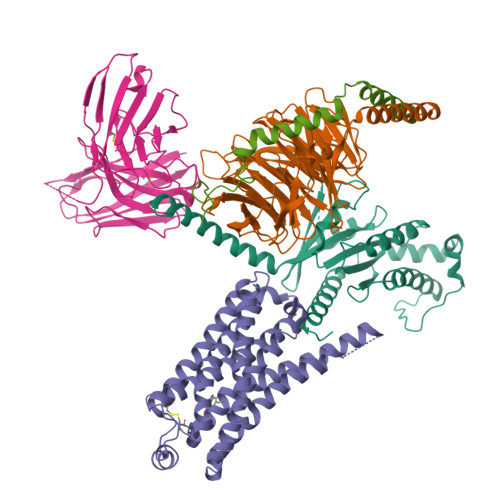 Click to view 3D structure | Trace amine-associated receptor 1 | Q923Y8 | Mus musculus | Predicted (SEA) | - Prediction Confidence Score
- 0.217
- Applicability Domain
- 0.245 Low confidence
- Statistical Significance
- 0.012
- Supporting Reference Compounds
- 18
- E-value
- 93.7305
|
| Click to view 3D structure | Sodium-dependent serotonin transporter | P31652 | Rattus norvegicus | Predicted (SEA) | - Prediction Confidence Score
- 0.217
- Applicability Domain
- 0.275 Low confidence
- Statistical Significance
- 0.2843
- Supporting Reference Compounds
- 297
- E-value
- 2213.56
|
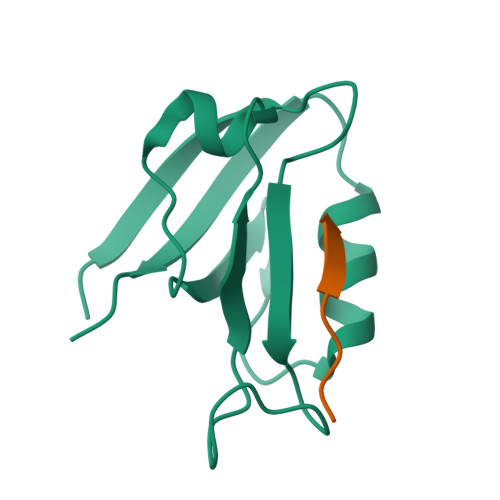 Click to view 3D structure | 5-hydroxytryptamine receptor 2A | P14842 | Rattus norvegicus | Predicted (SEA) | - Prediction Confidence Score
- 0.217
- Applicability Domain
- 0.275 Low confidence
- Statistical Significance
- 0.3751
- Supporting Reference Compounds
- 380
- E-value
- 2920.12
|
| Click to view 3D structure | Transporter | Q63380 | Rattus norvegicus | Predicted (SEA) | - Prediction Confidence Score
- 0.216
- Applicability Domain
- 0.275 Low confidence
- Statistical Significance
- 0.0574
- Supporting Reference Compounds
- 54
- E-value
- 447.01
|
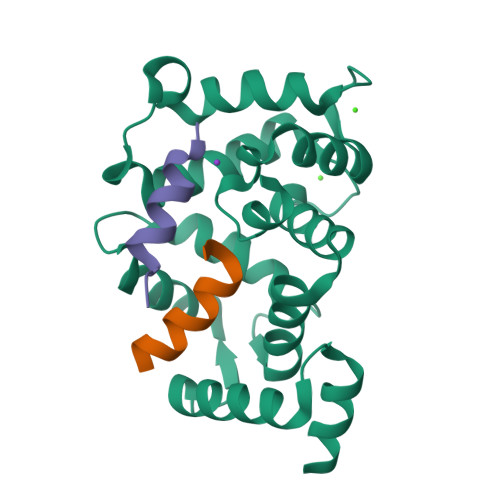 Click to view 3D structure | D(2) dopamine receptor | P14416 | Humans | Predicted (SEA) | - Prediction Confidence Score
- 0.214
- Applicability Domain
- 0.262 Low confidence
- Statistical Significance
- 0.6857
- Supporting Reference Compounds
- 1103
- E-value
- 5337.97
|
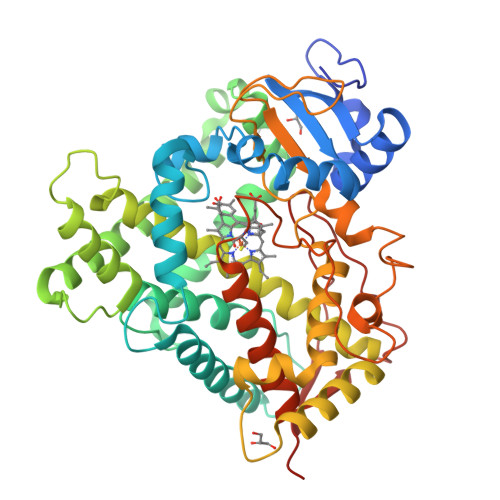 Click to view 3D structure | Cytochrome P450 2C19 | P33261 | Humans | Predicted (SEA) | - Prediction Confidence Score
- 0.213
- Applicability Domain
- 0.276 Low confidence
- Statistical Significance
- 0.8098
- Supporting Reference Compounds
- 825
- E-value
- 6304.0
|
| Click to view 3D structure | Sigma non-opioid intracellular receptor 1 | Q9R0C9 | Rattus norvegicus | Predicted (SEA) | - Prediction Confidence Score
- 0.211
- Applicability Domain
- 0.262 Low confidence
- Statistical Significance
- 0.2511
- Supporting Reference Compounds
- 207
- E-value
- 1955.18
|
| Click to view 3D structure | Sodium- and chloride-dependent betaine transporter | P48065 | Humans | Predicted (SEA) | - Prediction Confidence Score
- 0.21
- Applicability Domain
- 0.286 Low confidence
- Statistical Significance
- 4.10e-04
- Supporting Reference Compounds
- 8
- E-value
- 3.19182
|
| Click to view 3D structure | D(1A) dopamine receptor | P18901 | Rattus norvegicus | Predicted (SEA) | - Prediction Confidence Score
- 0.21
- Applicability Domain
- 0.262 Low confidence
- Statistical Significance
- 0.2734
- Supporting Reference Compounds
- 206
- E-value
- 2128.79
|
| Click to view 3D structure | Lactase/phlorizin hydrolase | Q02401 | Rattus norvegicus | Predicted (SEA) | - Prediction Confidence Score
- 0.206
- Applicability Domain
- 0.265 Low confidence
- Statistical Significance
- 5.10e-04
- Supporting Reference Compounds
- 7
- E-value
- 3.97031
|
| Click to view 3D structure | Trace amine-associated receptor 1 | Q923Y9 | Rattus norvegicus | Predicted (SEA) | - Prediction Confidence Score
- 0.205
- Applicability Domain
- 0.241 Low confidence
- Statistical Significance
- 0.0398
- Supporting Reference Compounds
- 18
- E-value
- 309.918
|
| Click to view 3D structure | Beta-galactosidase | Q58D55 | Bos taurus | Predicted (SEA) | - Prediction Confidence Score
- 0.201
- Applicability Domain
- 0.265 Low confidence
- Statistical Significance
- 0.0017
- Supporting Reference Compounds
- 18
- E-value
- 13.5458
|

