 Click to view 3D structure | Glutamine synthetase, chloroplastic | P25462 | Zea mays | Predicted (SEA) | - Prediction Confidence Score
- 0.233
- Applicability Domain
- 0.233 Low confidence
- Statistical Significance
- 6.60e-04
- Supporting Reference Compounds
- 1
- E-value
- 5.13805
|
| Click to view 3D structure | Proline--tRNA ligase, cytoplasmic | P78600 | Candida albicans | Predicted (SEA) | - Prediction Confidence Score
- 0.233
- Applicability Domain
- 0.233 Low confidence
- Statistical Significance
- 0.0044
- Supporting Reference Compounds
- 1
- E-value
- 34.4872
|
 Click to view 3D structure | Subtilisin BL | P29599 | Bacillus lentus | Predicted (SEA) | - Prediction Confidence Score
- 0.215
- Applicability Domain
- 0.222 Low confidence
- Statistical Significance
- 1.20e-04
- Supporting Reference Compounds
- 2
- E-value
- 0.934191
|
 Click to view 3D structure | Unconventional myosin-Va | Q02440 | Gallus gallus | Predicted (SEA) | - Prediction Confidence Score
- 0.212
- Applicability Domain
- 0.212 Low confidence
- Statistical Significance
- 2.00e-04
- Supporting Reference Compounds
- 1
- E-value
- 1.55698
|
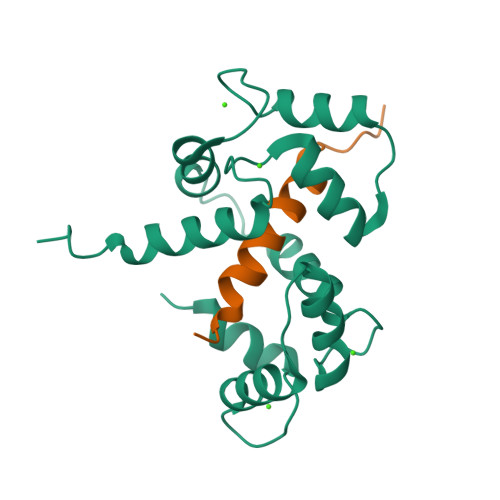 Click to view 3D structure | Myosin light chain kinase 2, skeletal/cardiac muscle | P07313 | Oryctolagus cuniculus | Predicted (SEA) | - Prediction Confidence Score
- 0.212
- Applicability Domain
- 0.212 Low confidence
- Statistical Significance
- 2.00e-04
- Supporting Reference Compounds
- 1
- E-value
- 1.55698
|
 Click to view 3D structure | 5-hydroxytryptamine receptor 2B | P41595 | Humans | Predicted (SEA) | - Prediction Confidence Score
- 0.207
- Applicability Domain
- 0.269 Low confidence
- Statistical Significance
- 0.7355
- Supporting Reference Compounds
- 686
- E-value
- 5726.04
|
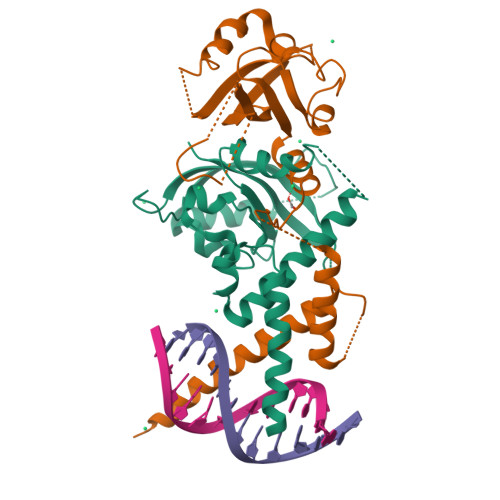 Click to view 3D structure | Aryl hydrocarbon receptor | P35869 | Humans | Predicted (SEA) | - Prediction Confidence Score
- 0.203
- Applicability Domain
- 0.238 Low confidence
- Statistical Significance
- 0.0902
- Supporting Reference Compounds
- 42
- E-value
- 702.278
|
 Click to view 3D structure | Mitogen-activated protein kinase 14 | Q16539 | Humans | Predicted (SEA) | - Prediction Confidence Score
- 0.2
- Applicability Domain
- 0.269 Low confidence
- Statistical Significance
- 0.8174
- Supporting Reference Compounds
- 668
- E-value
- 6363.55
|
 Click to view 3D structure | Mitogen-activated protein kinase 1 | P28482 | Humans | Predicted (SEA) | - Prediction Confidence Score
- 0.2
- Applicability Domain
- 0.269 Low confidence
- Statistical Significance
- 0.8317
- Supporting Reference Compounds
- 763
- E-value
- 6474.41
|
 Click to view 3D structure | 5-hydroxytryptamine receptor 2C | P28335 | Humans | Predicted (SEA) | - Prediction Confidence Score
- 0.2
- Applicability Domain
- 0.269 Low confidence
- Statistical Significance
- 0.8073
- Supporting Reference Compounds
- 823
- E-value
- 6285.08
|
 Click to view 3D structure | Tyrosine-protein kinase Lck | P06239 | Humans | Predicted (SEA) | - Prediction Confidence Score
- 0.198
- Applicability Domain
- 0.269 Low confidence
- Statistical Significance
- 0.8939
- Supporting Reference Compounds
- 1130
- E-value
- 6959.33
|
 Click to view 3D structure | Epidermal growth factor receptor | P00533 | Humans | Predicted (SEA) | - Prediction Confidence Score
- 0.198
- Applicability Domain
- 0.269 Low confidence
- Statistical Significance
- 0.9022
- Supporting Reference Compounds
- 1301
- E-value
- 7023.48
|
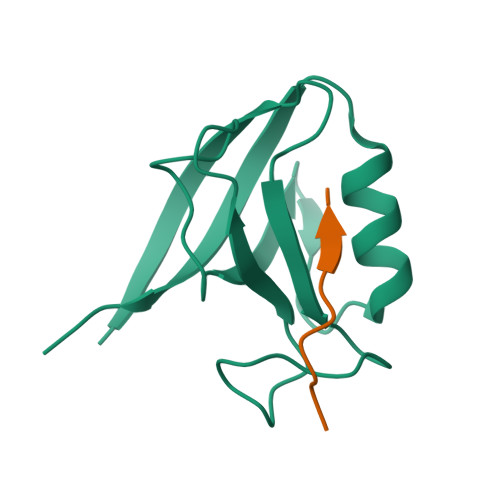 Click to view 3D structure | Receptor tyrosine-protein kinase erbB-2 | P04626 | Humans | Predicted (SEA) | - Prediction Confidence Score
- 0.196
- Applicability Domain
- 0.269 Low confidence
- Statistical Significance
- 0.8344
- Supporting Reference Compounds
- 674
- E-value
- 6495.66
|
 Click to view 3D structure | Vascular endothelial growth factor receptor 1 | P17948 | Humans | Predicted (SEA) | - Prediction Confidence Score
- 0.193
- Applicability Domain
- 0.238 Low confidence
- Statistical Significance
- 0.8556
- Supporting Reference Compounds
- 711
- E-value
- 6661.01
|
| Click to view 3D structure | Streptokinase A | P10520 | Streptococcus pyogenes serotype M1 | Predicted (SEA) | - Prediction Confidence Score
- 0.193
- Applicability Domain
- 0.22 Low confidence
- Statistical Significance
- 0.6963
- Supporting Reference Compounds
- 425
- E-value
- 5420.88
|
| Click to view 3D structure | Peptidyl-prolyl cis-trans isomerase A | P10111 | Rattus norvegicus | Predicted (SEA) | - Prediction Confidence Score
- 0.189
- Applicability Domain
- 0.189 Low confidence
- Statistical Significance
- 0.0581
- Supporting Reference Compounds
- 1
- E-value
- 452.226
|
 Click to view 3D structure | Carbonic anhydrase 2 | P00918 | Humans | Predicted (SEA) | - Prediction Confidence Score
- 0.189
- Applicability Domain
- 0.208 Low confidence
- Statistical Significance
- 0.7014
- Supporting Reference Compounds
- 472
- E-value
- 5460.27
|
 Click to view 3D structure | D(3) dopamine receptor | P35462 | Humans | Predicted (SEA) | - Prediction Confidence Score
- 0.188
- Applicability Domain
- 0.269 Low confidence
- Statistical Significance
- 0.8848
- Supporting Reference Compounds
- 861
- E-value
- 6887.79
|
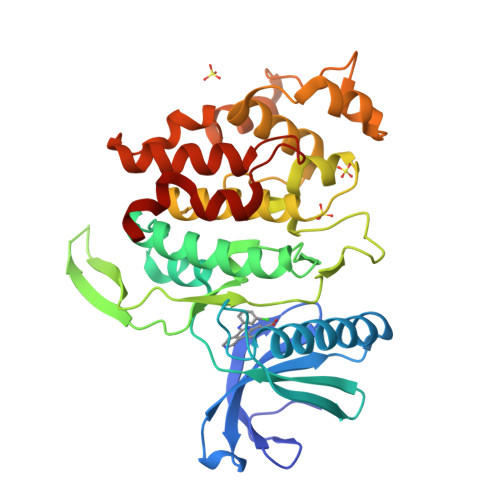 Click to view 3D structure | Dual specificity protein kinase CLK4 | Q9HAZ1 | Humans | Predicted (SEA) | - Prediction Confidence Score
- 0.187
- Applicability Domain
- 0.2 Low confidence
- Statistical Significance
- 0.8995
- Supporting Reference Compounds
- 742
- E-value
- 7002.3
|
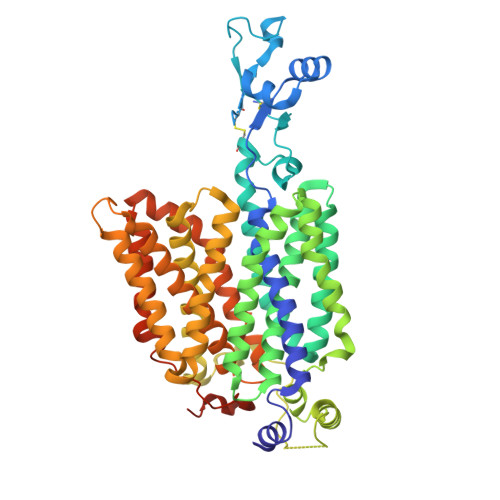 Click to view 3D structure | Solute carrier family 22 member 3 | O75751 | Humans | Predicted (SEA) | - Prediction Confidence Score
- 0.187
- Applicability Domain
- 0.269 Low confidence
- Statistical Significance
- 0.013
- Supporting Reference Compounds
- 17
- E-value
- 100.893
|
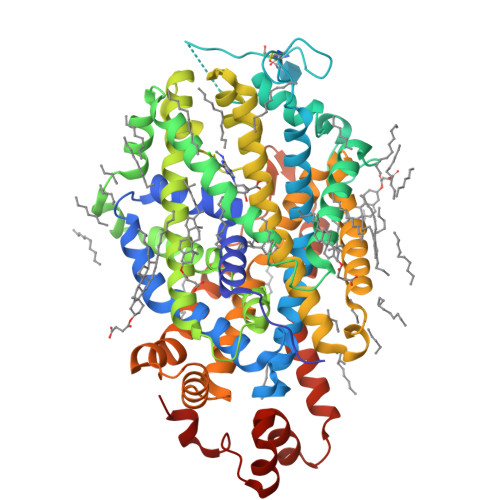 Click to view 3D structure | Sodium-dependent dopamine transporter | Q01959 | Humans | Predicted (SEA) | - Prediction Confidence Score
- 0.187
- Applicability Domain
- 0.269 Low confidence
- Statistical Significance
- 0.8775
- Supporting Reference Compounds
- 506
- E-value
- 6831.19
|
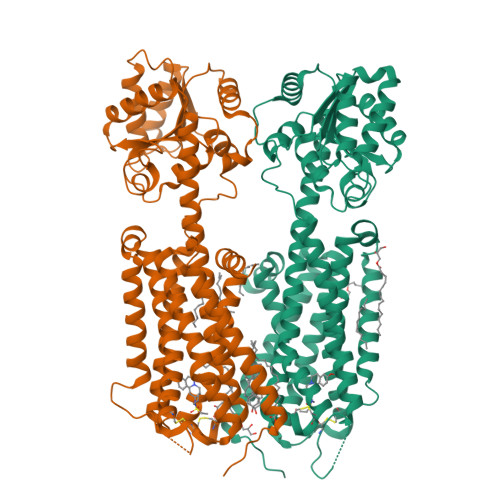 Click to view 3D structure | Alpha-2C adrenergic receptor | P18825 | Humans | Predicted (SEA) | - Prediction Confidence Score
- 0.186
- Applicability Domain
- 0.269 Low confidence
- Statistical Significance
- 0.7917
- Supporting Reference Compounds
- 386
- E-value
- 6163.71
|
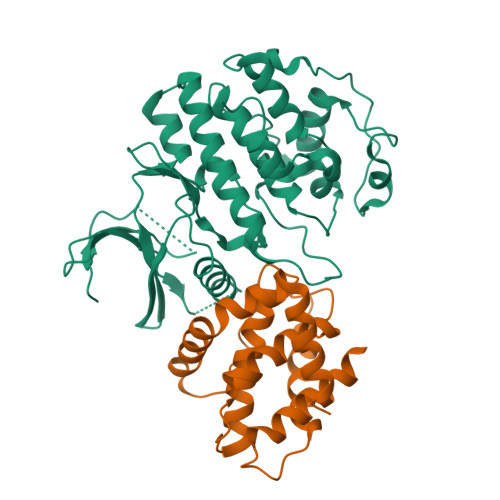 Click to view 3D structure | Cyclin-dependent kinase 5 | Q00535 | Humans | Predicted (SEA) | - Prediction Confidence Score
- 0.185
- Applicability Domain
- 0.2 Low confidence
- Statistical Significance
- 0.9161
- Supporting Reference Compounds
- 779
- E-value
- 7131.46
|
 Click to view 3D structure | Dual specificity tyrosine-phosphorylation-regulated kinase 1A | Q13627 | Humans | Predicted (SEA) | - Prediction Confidence Score
- 0.185
- Applicability Domain
- 0.2 Low confidence
- Statistical Significance
- 0.9257
- Supporting Reference Compounds
- 906
- E-value
- 7206.58
|
 Click to view 3D structure | Serine/threonine-protein kinase Chk1 | O14757 | Humans | Predicted (SEA) | - Prediction Confidence Score
- 0.184
- Applicability Domain
- 0.2 Low confidence
- Statistical Significance
- 0.9258
- Supporting Reference Compounds
- 807
- E-value
- 7206.97
|

