1h-imidazo[4,5-b]pyridine (CED0196886)

Record Information
Version1.0
Creation Date2026-08-23 11:36:54 UTC
Update Date2026-08-23 11:36:54 UTC
SynCED IDCED0196886
Secondary Accession Numbers
  • CHEM232323
Identification
Common Name1h-imidazo[4,5-b]pyridine
ClassSmall Molecule
Description
1h-imidazo[4,5-b]pyridine is an organic compound with the formula C6H5N3 and an average molecular weight of 119.12 g/mol. 1h-imidazo[4,5-b]pyridine belongs to the imidazopyridines, a class of organoheterocyclic compounds within the organic compounds. This substance is found in or released from four recorded sources. These include electrical and electronic equipment, specifically television systems and video games. Additionally, it is associated with food, food processing and cookware, specifically the processing of meats and the preparation of wine or sparkling wine.
Contaminant TypeNot Available
Chemical Structure
SynonymsNot Available
Chemical FormulaC6H5N3
Average Molecular Mass119.120 g/mol
Monoisotopic Mass119.048 g/mol
CAS Registry Number273-21-2
IUPAC NameNot Available
Traditional NameNot Available
SMILESNot Available
InChI IdentifierInChI=1S/C6H5N3/c1-2-5-6(7-3-1)9-4-8-5/h1-4H,(H,7,8,9)
InChI KeyGAMYYCRTACQSBR-UHFFFAOYSA-N
Chemical Taxonomy
ClassificationNot classified
Biological Properties
StatusDetected and Not Quantified
OriginNot Available
Cellular LocationsNot Available
Biofluid LocationsNot Available
Tissue LocationsNot Available
ApplicationsNot Available
Biological Roles
Chemical RolesNot Available
Organoleptic EffectsNot Available
Physical Properties
StateNot Available
AppearanceNot Available
Experimental Properties
PropertyValue
Melting PointNot Available
Boiling PointNot Available
SolubilityNot Available
Predicted PropertiesNot Available
Spectra
Spectra
Spectrum TypeDescriptionSplash KeyDeposition DateView
Predicted GC-MSPredicted GC-MS Spectrumsplash10-014i-6900000000-56358c9fe320ff6beb5eNot AvailableView Spectrum
Predicted GC-MSPredicted GC-MS SpectrumNot AvailableNot AvailableView Spectrum
Predicted LC-MS/MSPredicted LC-MS/MS Spectrumsplash10-00di-0900000000-ef10496369a91fe7fe11Not AvailableView Spectrum
Predicted LC-MS/MSPredicted LC-MS/MS Spectrumsplash10-014i-0900000000-38ae963283fcac1f0a25Not AvailableView Spectrum
Predicted LC-MS/MSPredicted LC-MS/MS Spectrumsplash10-014i-4900000000-3db70a21e0270b07a70dNot AvailableView Spectrum
1D NMR1H NMR Spectrum (1D, D2O, predicted)Not AvailableNot AvailableView Spectrum
1D NMR13C NMR Spectrum (1D, D2O, predicted)Not AvailableNot AvailableView Spectrum
Toxicity Profile
Toxicity Values
Toxicity ValueOrganismDose DescriptorRoute of ExposurePredicted or ExperimentalToxicity RatingReference
516.0 Log mg/kg [290:920]RatLD50oralpredictedNot AvailableNot Available
Toxicity / Toxin ClassNot Available
Mechanism of ToxicityNot Available
Carcinogenicity (IARC Classification)Not Available
Minimum Risk LevelNot Available
SymptomsNot Available
TreatmentNot Available
Health Effects
Health EffectRelationshipDirectionDescriptionReference
Exposure Sources
Source IDSourceSectorReference
CEDs000010Insecticides?Insecticides are synthetic chemicals designed to control or eliminate insect pests that threaten crops and other agricultural products.Agriculture & land managementPubChem
CEDs000233Brushes?Brushes used in personal care and cosmetics can be a source of synthetic chemical contamination due to the materials and coatings used in their manufacturing.Personal care & cosmeticsPubChem
CEDs000511Conductors Or Conductive Bodies Characterised By The Conductive Materials?Conductors, or conductive bodies, are materials that allow the flow of electrical current, typically made from metals such as copper, aluminum, or silver.Electrical & Electronic EquipmentPubChem
CEDs000519Electrodes?Electrodes, used in various electrical and electronic applications, can be a source of synthetic chemical contamination due to the materials from which they are constructed and the processes involved in their manufacturing.Electrical & Electronic EquipmentPubChem
CEDs000521Fixed Capacitors And Their Manufacture?Fixed capacitors are passive electronic components used to store and release electrical energy, playing a critical role in various circuits.Electrical & Electronic EquipmentPubChem
CEDs000524Hybrid Capacitors?Hybrid capacitors are energy storage devices that combine the properties of electrolytic and supercapacitors, utilizing a combination of electrochemical principles to achieve higher energy density and power density.Electrical & Electronic EquipmentPubChem
CEDs000537Television Systems?Television systems can be a source of synthetic chemical contamination due to the various materials and components used in their manufacture and operation.Electrical & Electronic EquipmentPubChem
CEDs000539Video Games?Video games, through their production and disposal processes, can be a source of synthetic chemical contamination.Electrical & Electronic EquipmentPubChem
CEDs000545Food Preservation?Food preservation often involves the use of synthetic chemicals, such as preservatives, flavor enhancers, and color additives, to extend shelf life and enhance the sensory qualities of food products.Food, food processing & cookwarePubChem
CEDs000549Preparation Of Wine Or Sparkling Wine?The preparation of wine or sparkling wine involves various stages, including fermentation, aging, and bottling, which can introduce potential sources of synthetic chemical contamination.Food, food processing & cookwarePubChem
CEDs000552Processing Meats?Processing meats can lead to synthetic chemical contamination primarily through the use of additives and preservatives.Food, food processing & cookwarePubChem
CEDs000561Perfumes Within Detergents And Soaps?Perfumes within detergents and soaps are synthetic fragrance compounds added to enhance the sensory experience of cleaning products.Household cleaning & consumer productsPubChem
CEDs000581Paper Making Machines?Paper making machines utilize various synthetic chemicals throughout the production process, including additives, coatings, and bleaching agents.Industrial manufacturing & chemical processingPubChem
CEDs000596Acaricides?Acaricides are synthetic chemicals specifically designed to target and control mite populations that can damage crops and plants.Agriculture & land managementPubChem
CEDs000600Herbicides And Algicides?Herbicides and algicides are synthetic chemicals primarily used to control unwanted plants and algae in various environments.Agriculture & land managementPubChem
CEDs000602Molluscicides?Molluscicides are synthetic chemicals specifically designed to control and eliminate mollusks, such as snails and slugs, which can be detrimental to crops and agricultural productivity.Agriculture & land managementPubChem
CEDs000603Nematocides?Nematocides are synthetic chemicals specifically designed to control nematodes, which are microscopic roundworms that can cause significant damage to crops and plants.Agriculture & land managementPubChem
CEDs000606Plant Growth Regulators?Plant Growth Regulators (PGRs) are synthetic chemicals designed to influence the growth and development of plants.Agriculture & land managementPubChem
CEDs000609Aftershave?Aftershave is a grooming product typically used to soothe and protect the skin following shaving.Personal care & cosmeticsPubChem
CEDs000610Aftersun Products?Aftersun products are designed to soothe and hydrate the skin after sun exposure, often containing various synthetic chemicals such as emollients, preservatives, and fragrances.Personal care & cosmeticsPubChem
CEDs000611Anti Perspirants Or Body Deoderants?Antiperspirants and body deodorants commonly contain synthetic chemicals such as aluminum compounds, parabens, and synthetic fragrances.Personal care & cosmeticsPubChem
CEDs000617Lip Care Products?Lip care products, including lipsticks, balms, and glosses, often contain a variety of synthetic chemicals such as parabens, phthalates, and synthetic fragrances.Personal care & cosmeticsPubChem
CEDs000618Lip Makeup Products?Lip makeup products, such as lipsticks, lip glosses, and lip liners, often contain a variety of synthetic chemicals, including pigments, preservatives, and emollients.Personal care & cosmeticsPubChem
CEDs000619Manicure Pedicure?Manicure and pedicure procedures often involve the use of various synthetic chemicals, including solvents, nail polishes, and nail adhesives.Personal care & cosmeticsPubChem
CEDs000630Toys?Toys, particularly those made from synthetic materials such as plastics, can be a source of chemical contamination due to the presence of various additives and compounds used in their production.Recreation & sports surfacesPubChem
CEDs000632Apparel?Apparel production often involves the use of various synthetic chemicals, including dyes, finishing agents, and preservatives.Textiles, leather & furnishingsPubChem
CEDs000642Footwear?Footwear production often involves the use of various synthetic chemicals, such as adhesives, dyes, and treatments, which can contribute to environmental contamination.Textiles, leather & furnishingsPubChem
CEDs000650Purses Luggage Hand Bags?Purses, luggage, and handbags are often manufactured using synthetic materials such as polyvinyl chloride (PVC), polyurethane, and various types of nylon.Textiles, leather & furnishingsPubChem
CEDs000652Ropes?Ropes manufactured from synthetic fibers, such as polypropylene, nylon, and polyester, are widely used in various applications, including marine, construction, and outdoor activities.Textiles, leather & furnishingsPubChem
CEDs000662Yarns Or Threads?Yarns or threads used in textiles can be a source of synthetic chemical contamination due to the production processes and treatments they undergo.Textiles, leather & furnishingsPubChem
CEDs000678Nitrogenous Fertilisers?Nitrogenous fertilizers are synthetic chemical compounds primarily used to enhance plant growth by supplying essential nitrogen, a crucial nutrient for photosynthesis and protein synthesis.Agriculture & land managementPubChem
CEDs000685Ceramics?Ceramics can be a source of synthetic chemical contamination through various additives and processing agents used in their production.Building & ConstructionPubChem
CEDs000688Glass Coatings?Glass coatings are synthetic chemical formulations applied to glass surfaces to enhance properties such as durability, UV resistance, and aesthetic appeal.Building & ConstructionPubChem
CEDs000696Nanotechnology?Nanotechnology involves the manipulation of materials at the molecular or atomic level, typically within the range of 1 to 100 nanometers.Industrial manufacturing & chemical processingPubChem
CEDs000734Coating Compositions?Coating compositions, which include paints, sealants, and varnishes, are formulated with a variety of synthetic chemicals such as solvents, resins, pigments, and additives.Building & ConstructionPubChem
CEDs000739Inks?Inks are complex mixtures composed of pigments or dyes, solvents, resins, and additives used primarily for printing and writing applications.Paper, pulp & fiber productsPubChem
CEDs000740Paper?Paper production involves the processing of wood fibers and the use of various chemicals, which can lead to synthetic chemical contamination.Paper, pulp & fiber productsPubChem
CEDs000741Pigment Pastes?Pigment pastes are concentrated dispersions of pigments used to impart color and properties to materials.Paper, pulp & fiber productsPubChem
CEDs000744Water, Wastewater, & Sewage Treatment?Water, wastewater, and sewage treatment processes are critical for managing and mitigating pollutants in water systems.Wastewater, sanitation & biosolidsPubChem
Pathways
0 pathwaysPathway Source: PathBank

No pathways found

No metabolic pathways have been associated with this synthetic chemical

Targets
StructureProteinUniProt IDOrganismRelationshipDetails
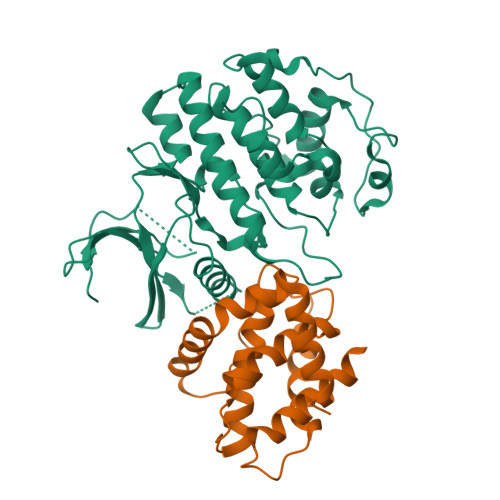
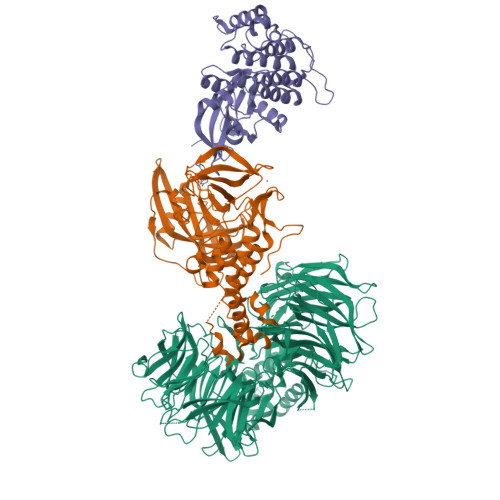
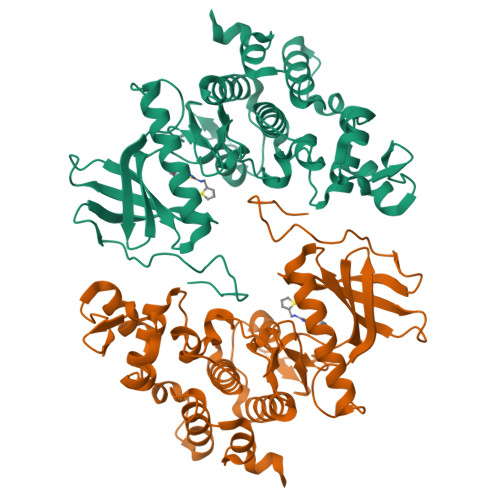
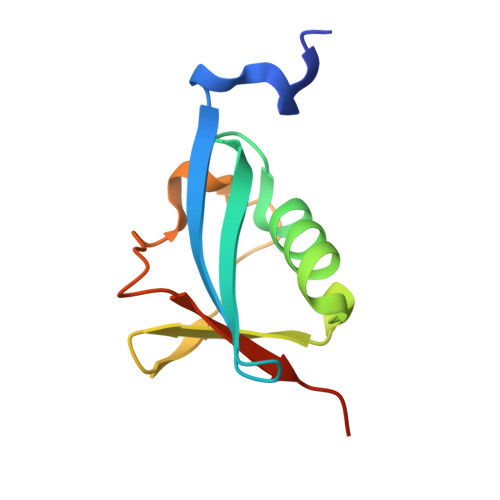
Menin structureClick to view 3D structureMeninO00255HumansKnownNot Available
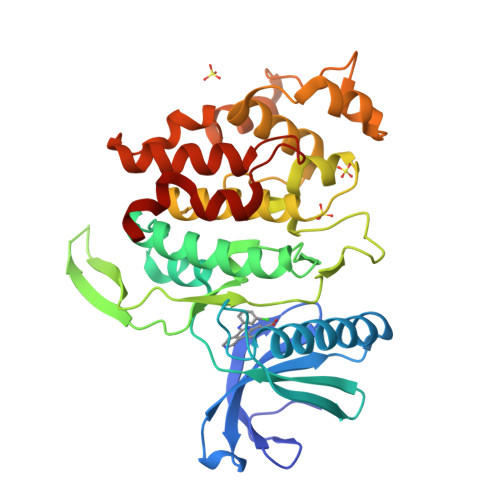
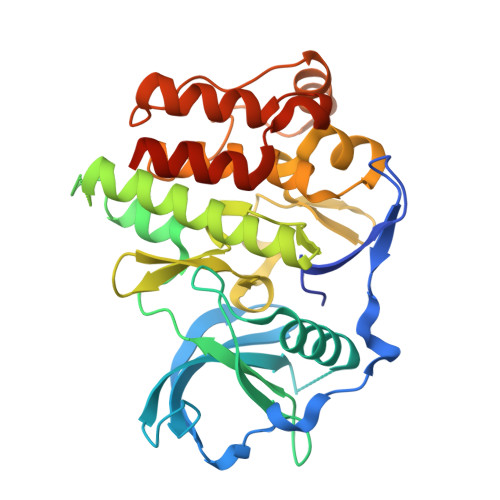
Cyclin-dependent kinase 9 structureClick to view 3D structureCyclin-dependent kinase 9P50750HumansPredicted (SEA)
Prediction Confidence Score
0.3
Applicability Domain
0.317
Statistical Significance
0.0555
Supporting Reference Compounds
426
E-value
432.452
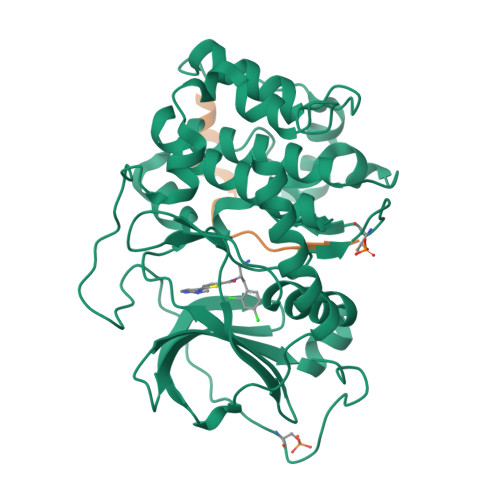
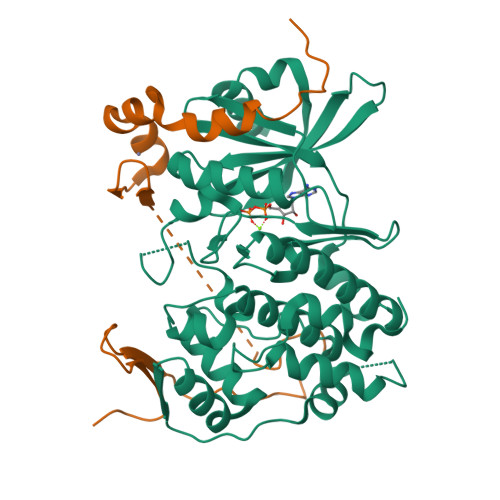
cAMP-dependent protein kinase catalytic subunit alpha structureClick to view 3D structurecAMP-dependent protein kinase catalytic subunit alphaP17612HumansPredicted (SEA)
Prediction Confidence Score
0.293
Applicability Domain
0.31
Statistical Significance
0.1017
Supporting Reference Compounds
735
E-value
791.415
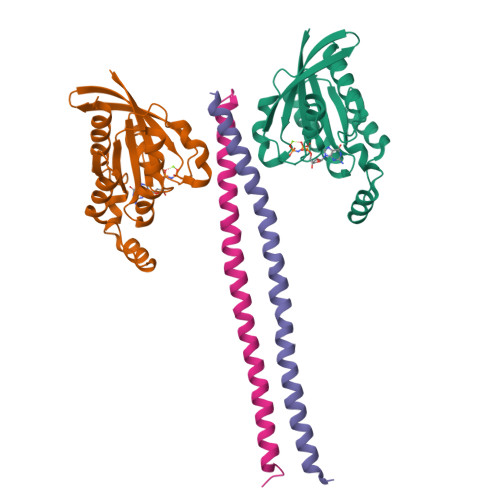
Dual specificity protein kinase CLK4 structureClick to view 3D structureDual specificity protein kinase CLK4Q9HAZ1HumansPredicted (SEA)
Prediction Confidence Score
0.293
Applicability Domain
0.31
Statistical Significance
0.1041
Supporting Reference Compounds
742
E-value
810.488
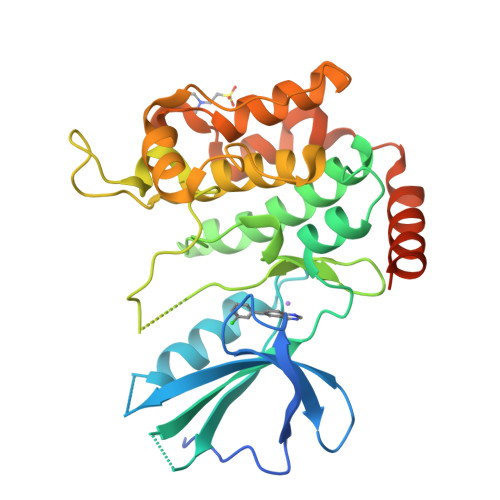
Cyclin-dependent kinase 5 structureClick to view 3D structureCyclin-dependent kinase 5Q00535HumansPredicted (SEA)
Prediction Confidence Score
0.293
Applicability Domain
0.31
Statistical Significance
0.1053
Supporting Reference Compounds
779
E-value
819.597
Glycogen synthase kinase-3 beta structureClick to view 3D structureGlycogen synthase kinase-3 betaP49841HumansPredicted (SEA)
Prediction Confidence Score
0.29
Applicability Domain
0.31
Statistical Significance
0.1605
Supporting Reference Compounds
1157
E-value
1249.4
Click to view 3D structureMitogen-activated protein kinase kinase kinase kinase 2Q12851HumansPredicted (SEA)
Prediction Confidence Score
0.29
Applicability Domain
0.31
Statistical Significance
0.1085
Supporting Reference Compounds
657
E-value
844.664
Dual specificity tyrosine-phosphorylation-regulated kinase 1A structureClick to view 3D structureDual specificity tyrosine-phosphorylation-regulated kinase 1AQ13627HumansPredicted (SEA)
Prediction Confidence Score
0.29
Applicability Domain
0.31
Statistical Significance
0.1288
Supporting Reference Compounds
906
E-value
1002.93
Serine/threonine-protein kinase pim-1 structureClick to view 3D structureSerine/threonine-protein kinase pim-1P11309HumansPredicted (SEA)
Prediction Confidence Score
0.289
Applicability Domain
0.31
Statistical Significance
0.1376
Supporting Reference Compounds
967
E-value
1071.52
Mitogen-activated protein kinase kinase kinase kinase 4 structureClick to view 3D structureMitogen-activated protein kinase kinase kinase kinase 4O95819HumansPredicted (SEA)
Prediction Confidence Score
0.289
Applicability Domain
0.31
Statistical Significance
0.1175
Supporting Reference Compounds
714
E-value
915.04
Death-associated protein kinase 3 structureClick to view 3D structureDeath-associated protein kinase 3O43293HumansPredicted (SEA)
Prediction Confidence Score
0.287
Applicability Domain
0.31
Statistical Significance
0.1043
Supporting Reference Compounds
599
E-value
812.045
Casein kinase I isoform alpha structureClick to view 3D structureCasein kinase I isoform alphaP48729HumansPredicted (SEA)
Prediction Confidence Score
0.287
Applicability Domain
0.31
Statistical Significance
0.116
Supporting Reference Compounds
674
E-value
903.129
Cyclin-dependent kinase 2 structureClick to view 3D structureCyclin-dependent kinase 2P24941HumansPredicted (SEA)
Prediction Confidence Score
0.285
Applicability Domain
0.317
Statistical Significance
0.1558
Supporting Reference Compounds
1029
E-value
1212.66
Tyrosine-protein kinase JAK3 structureClick to view 3D structureTyrosine-protein kinase JAK3P52333HumansPredicted (SEA)
Prediction Confidence Score
0.282
Applicability Domain
0.31
Statistical Significance
0.1737
Supporting Reference Compounds
961
E-value
1352.63
Receptor-type tyrosine-protein kinase FLT3 structureClick to view 3D structureReceptor-type tyrosine-protein kinase FLT3P36888HumansPredicted (SEA)
Prediction Confidence Score
0.281
Applicability Domain
0.31
Statistical Significance
0.2001
Supporting Reference Compounds
1274
E-value
1557.92
Cell division cycle 7-related protein kinase structureClick to view 3D structureCell division cycle 7-related protein kinaseO00311HumansPredicted (SEA)
Prediction Confidence Score
0.281
Applicability Domain
0.31
Statistical Significance
0.0843
Supporting Reference Compounds
407
E-value
656.113
Vascular endothelial growth factor receptor 2 structureClick to view 3D structureVascular endothelial growth factor receptor 2P35968HumansPredicted (SEA)
Prediction Confidence Score
0.281
Applicability Domain
0.3
Statistical Significance
0.2254
Supporting Reference Compounds
1660
E-value
1754.49
Click to view 3D structureCytokinin dehydrogenase 2Q9FUJ3Arabidopsis thalianaPredicted (SEA)
Prediction Confidence Score
0.281
Applicability Domain
0.295 Low confidence
Statistical Significance
7.80e-04
Supporting Reference Compounds
3
E-value
6.07224
Aurora kinase A structureClick to view 3D structureAurora kinase AO14965HumansPredicted (SEA)
Prediction Confidence Score
0.281
Applicability Domain
0.302
Statistical Significance
0.175
Supporting Reference Compounds
996
E-value
1362.52
Rho-associated protein kinase 1 structureClick to view 3D structureRho-associated protein kinase 1Q13464HumansPredicted (SEA)
Prediction Confidence Score
0.281
Applicability Domain
0.297 Low confidence
Statistical Significance
0.1574
Supporting Reference Compounds
834
E-value
1225.66
Click to view 3D structurecAMP-dependent protein kinase catalytic subunit PRKXP51817HumansPredicted (SEA)
Prediction Confidence Score
0.28
Applicability Domain
0.31
Statistical Significance
0.1136
Supporting Reference Compounds
488
E-value
884.523
Dual specificity protein kinase CLK2 structureClick to view 3D structureDual specificity protein kinase CLK2P49760HumansPredicted (SEA)
Prediction Confidence Score
0.28
Applicability Domain
0.31
Statistical Significance
0.1461
Supporting Reference Compounds
727
E-value
1137.61
Serine/threonine-protein kinase D3 structureClick to view 3D structureSerine/threonine-protein kinase D3O94806HumansPredicted (SEA)
Prediction Confidence Score
0.28
Applicability Domain
0.31
Statistical Significance
0.1348
Supporting Reference Compounds
628
E-value
1049.33
Serine/threonine-protein kinase PAK 4 structureClick to view 3D structureSerine/threonine-protein kinase PAK 4O96013HumansPredicted (SEA)
Prediction Confidence Score
0.277
Applicability Domain
0.31
Statistical Significance
0.156
Supporting Reference Compounds
728
E-value
1214.84
Cyclin-dependent kinase 7 structureClick to view 3D structureCyclin-dependent kinase 7P50613HumansPredicted (SEA)
Prediction Confidence Score
0.277
Applicability Domain
0.31
Statistical Significance
0.1057
Supporting Reference Compounds
406
E-value
822.788
Serine/threonine-protein kinase TBK1 structureClick to view 3D structureSerine/threonine-protein kinase TBK1Q9UHD2HumansPredicted (SEA)
Prediction Confidence Score
0.276
Applicability Domain
0.31
Statistical Significance
0.0941
Supporting Reference Compounds
335
E-value
732.561
Concentrations
Not Available
External Links
IdentifiersNot Available
References
Synthesis ReferenceNot Available
MSDSNot Available
General ReferencesNot Available