2-sulfanylidene-1h-pyridine-3-carboxylic acid (CED0197000)

Record Information
Version1.0
Creation Date2026-08-23 11:48:39 UTC
Update Date2026-08-23 11:48:39 UTC
SynCED IDCED0197000
Secondary Accession Numbers
  • CHEM232468
Identification
Common Name2-sulfanylidene-1h-pyridine-3-carboxylic acid
ClassSmall Molecule
Description
2-sulfanylidene-1h-pyridine-3-carboxylic acid belongs to the pyridinecarboxylic acids and derivatives, a subclass of pyridines and derivatives within the organic compounds. This organoheterocyclic compound has the chemical formula C6H5NO2S and an average molecular weight of 155.18 g/mol.
Contaminant TypeNot Available
Chemical Structure
SynonymsNot Available
Chemical FormulaC6H5NO2S
Average Molecular Mass155.180 g/mol
Monoisotopic Mass155.004 g/mol
CAS Registry Number38521-46-9
IUPAC NameNot Available
Traditional NameNot Available
SMILESNot Available
InChI IdentifierInChI=1S/C6H5NO2S/c8-6(9)4-2-1-3-7-5(4)10/h1-3H,(H,7,10)(H,8,9)
InChI KeyWYKHFQKONWMWQM-UHFFFAOYSA-N
Chemical Taxonomy
ClassificationNot classified
Biological Properties
StatusDetected and Not Quantified
OriginNot Available
Cellular LocationsNot Available
Biofluid LocationsNot Available
Tissue LocationsNot Available
ApplicationsNot Available
Biological RolesNot Available
Chemical RolesNot Available
Organoleptic EffectsNot Available
Physical Properties
StateNot Available
AppearanceNot Available
Experimental Properties
PropertyValue
Melting PointNot Available
Boiling PointNot Available
SolubilityNot Available
Predicted PropertiesNot Available
Spectra
Spectra
Spectrum TypeDescriptionSplash KeyDeposition DateView
Predicted GC-MSPredicted GC-MS Spectrumsplash10-0bti-6900000000-fdd8125106ae5eb21544Not AvailableView Spectrum
Predicted GC-MSPredicted GC-MS SpectrumNot AvailableNot AvailableView Spectrum
Predicted LC-MS/MSPredicted LC-MS/MS Spectrumsplash10-000i-0900000000-0325793c9d54073d20bdNot AvailableView Spectrum
Predicted LC-MS/MSPredicted LC-MS/MS Spectrumsplash10-000i-0900000000-7b4716324ed1deb82c12Not AvailableView Spectrum
Predicted LC-MS/MSPredicted LC-MS/MS Spectrumsplash10-08g3-9400000000-020c1c3b449ee254fa84Not AvailableView Spectrum
Predicted LC-MS/MSPredicted LC-MS/MS Spectrumsplash10-03di-0900000000-64bb039bd29d1c9ffd99Not AvailableView Spectrum
Predicted LC-MS/MSPredicted LC-MS/MS Spectrumsplash10-03di-0900000000-6a0cec2dc058adc74860Not AvailableView Spectrum
Predicted LC-MS/MSPredicted LC-MS/MS Spectrumsplash10-03di-0900000000-796156b4bdebb617d2f0Not AvailableView Spectrum
Toxicity Profile
Toxicity Values
Toxicity ValueOrganismDose DescriptorRoute of ExposurePredicted or ExperimentalToxicity RatingReference
2011.0 Log mg/kg [1100:3600]RatLD50oralpredictedNot AvailableNot Available
Toxicity / Toxin ClassNot Available
Mechanism of ToxicityNot Available
Carcinogenicity (IARC Classification)Not Available
Minimum Risk LevelNot Available
SymptomsNot Available
TreatmentNot Available
Health Effects
Health EffectRelationshipDirectionDescriptionReference
Exposure Sources
Source IDSourceSectorReference
CEDs000511Conductors Or Conductive Bodies Characterised By The Conductive Materials?Conductors, or conductive bodies, are materials that allow the flow of electrical current, typically made from metals such as copper, aluminum, or silver.Electrical & Electronic EquipmentPubChem
CEDs000524Hybrid Capacitors?Hybrid capacitors are energy storage devices that combine the properties of electrolytic and supercapacitors, utilizing a combination of electrochemical principles to achieve higher energy density and power density.Electrical & Electronic EquipmentPubChem
CEDs000545Food Preservation?Food preservation often involves the use of synthetic chemicals, such as preservatives, flavor enhancers, and color additives, to extend shelf life and enhance the sensory qualities of food products.Food, food processing & cookwarePubChem
CEDs000556Cigar Cigarettes?Cigar cigarettes are a source of synthetic chemical contamination due to the combustion of various tobacco blends and additives.Household cleaning & consumer productsPubChem
CEDs000580Manufacture Preparation Of Tobacco Products?The manufacture and preparation of tobacco products involve various processes that can result in the introduction of synthetic chemicals into the environment.Industrial manufacturing & chemical processingPubChem
CEDs000600Herbicides And Algicides?Herbicides and algicides are synthetic chemicals primarily used to control unwanted plants and algae in various environments.Agriculture & land managementPubChem
CEDs000609Aftershave?Aftershave is a grooming product typically used to soothe and protect the skin following shaving.Personal care & cosmeticsPubChem
CEDs000610Aftersun Products?Aftersun products are designed to soothe and hydrate the skin after sun exposure, often containing various synthetic chemicals such as emollients, preservatives, and fragrances.Personal care & cosmeticsPubChem
CEDs000611Anti Perspirants Or Body Deoderants?Antiperspirants and body deodorants commonly contain synthetic chemicals such as aluminum compounds, parabens, and synthetic fragrances.Personal care & cosmeticsPubChem
CEDs000615Eye Makeup Products?Eye makeup products, including mascaras, eyeliners, and eyeshadows, often contain a variety of synthetic chemicals such as pigments, preservatives, and film-forming agents.Personal care & cosmeticsPubChem
CEDs000617Lip Care Products?Lip care products, including lipsticks, balms, and glosses, often contain a variety of synthetic chemicals such as parabens, phthalates, and synthetic fragrances.Personal care & cosmeticsPubChem
CEDs000618Lip Makeup Products?Lip makeup products, such as lipsticks, lip glosses, and lip liners, often contain a variety of synthetic chemicals, including pigments, preservatives, and emollients.Personal care & cosmeticsPubChem
CEDs000619Manicure Pedicure?Manicure and pedicure procedures often involve the use of various synthetic chemicals, including solvents, nail polishes, and nail adhesives.Personal care & cosmeticsPubChem
CEDs000642Footwear?Footwear production often involves the use of various synthetic chemicals, such as adhesives, dyes, and treatments, which can contribute to environmental contamination.Textiles, leather & furnishingsPubChem
CEDs000678Nitrogenous Fertilisers?Nitrogenous fertilizers are synthetic chemical compounds primarily used to enhance plant growth by supplying essential nitrogen, a crucial nutrient for photosynthesis and protein synthesis.Agriculture & land managementPubChem
CEDs000686Clay Wares?Clay wares are ceramic products made from natural clay, often utilized in various construction applications such as tiles, bricks, and sanitary ware.Building & ConstructionPubChem
CEDs000696Nanotechnology?Nanotechnology involves the manipulation of materials at the molecular or atomic level, typically within the range of 1 to 100 nanometers.Industrial manufacturing & chemical processingPubChem
CEDs000739Inks?Inks are complex mixtures composed of pigments or dyes, solvents, resins, and additives used primarily for printing and writing applications.Paper, pulp & fiber productsPubChem
CEDs000741Pigment Pastes?Pigment pastes are concentrated dispersions of pigments used to impart color and properties to materials.Paper, pulp & fiber productsPubChem
CEDs000744Water, Wastewater, & Sewage Treatment?Water, wastewater, and sewage treatment processes are critical for managing and mitigating pollutants in water systems.Wastewater, sanitation & biosolidsPubChem
Pathways
0 pathwaysPathway Source: PathBank

No pathways found

No metabolic pathways have been associated with this synthetic chemical

Targets
StructureProteinUniProt IDOrganismRelationshipDetails
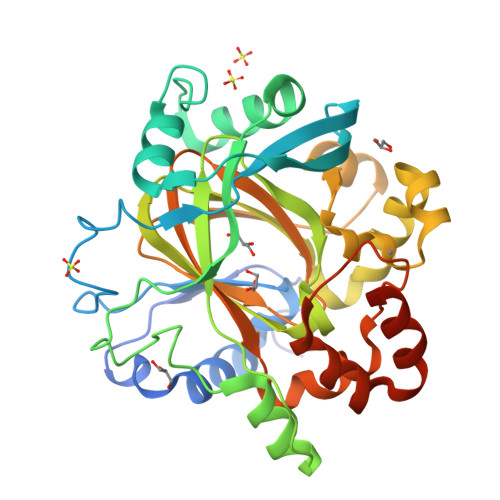
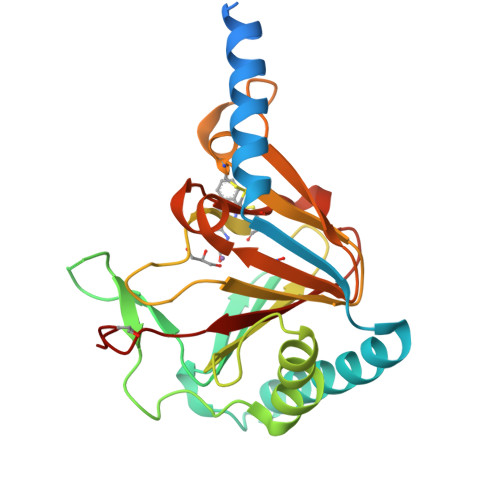
Nicotinate phosphoribosyltransferase structureClick to view 3D structureNicotinate phosphoribosyltransferaseQ6XQN6HumansPredicted (SEA)
Prediction Confidence Score
0.42
Applicability Domain
0.586
Statistical Significance
1.00e-05
Supporting Reference Compounds
12
E-value
0.0778492
Click to view 3D structureBeta-lactamaseQ44079Aeromonas hydrophilaPredicted (SEA)
Prediction Confidence Score
0.378
Applicability Domain
0.433
Statistical Significance
5.00e-05
Supporting Reference Compounds
2
E-value
0.389246
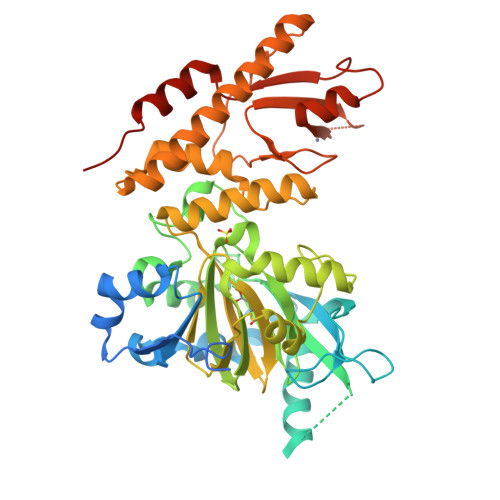
Lysine-specific demethylase 4E structureClick to view 3D structureLysine-specific demethylase 4EB2RXH2HumansPredicted (SEA)
Prediction Confidence Score
0.373
Applicability Domain
0.457
Statistical Significance
5.20e-04
Supporting Reference Compounds
39
E-value
4.04816
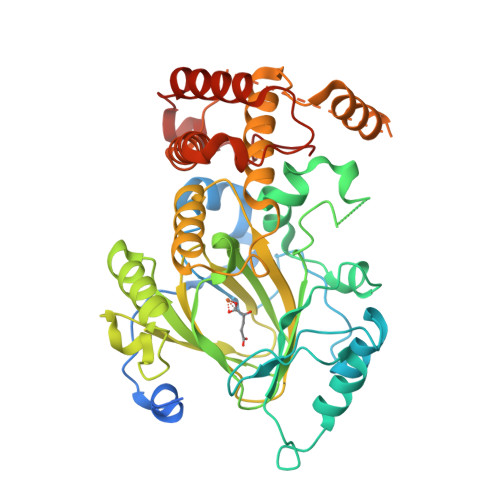
Lysine-specific demethylase 4A structureClick to view 3D structureLysine-specific demethylase 4AO75164HumansPredicted (SEA)
Prediction Confidence Score
0.373
Applicability Domain
0.457
Statistical Significance
6.20e-04
Supporting Reference Compounds
54
E-value
4.82665
Lysine-specific demethylase 4C structureClick to view 3D structureLysine-specific demethylase 4CQ9H3R0HumansPredicted (SEA)
Prediction Confidence Score
0.362
Applicability Domain
0.457
Statistical Significance
0.001
Supporting Reference Compounds
72
E-value
8.17417
Lysine-specific demethylase 4D structureClick to view 3D structureLysine-specific demethylase 4DQ6B0I6HumansPredicted (SEA)
Prediction Confidence Score
0.352
Applicability Domain
0.457
Statistical Significance
3.80e-04
Supporting Reference Compounds
20
E-value
2.95827
Lysine-specific demethylase 6B structureClick to view 3D structureLysine-specific demethylase 6BO15054HumansPredicted (SEA)
Prediction Confidence Score
0.342
Applicability Domain
0.457
Statistical Significance
6.80e-04
Supporting Reference Compounds
32
E-value
5.29375
Lysine-specific demethylase 2A structureClick to view 3D structureLysine-specific demethylase 2AQ9Y2K7HumansPredicted (SEA)
Prediction Confidence Score
0.331
Applicability Domain
0.457
Statistical Significance
5.40e-04
Supporting Reference Compounds
35
E-value
4.20386
Lysine-specific demethylase 5C structureClick to view 3D structureLysine-specific demethylase 5CP41229HumansPredicted (SEA)
Prediction Confidence Score
0.33
Applicability Domain
0.457
Statistical Significance
5.90e-04
Supporting Reference Compounds
45
E-value
4.5931
Click to view 3D structureLysine-specific demethylase 3AQ9Y4C1HumansPredicted (SEA)
Prediction Confidence Score
0.33
Applicability Domain
0.457
Statistical Significance
4.90e-04
Supporting Reference Compounds
21
E-value
3.81461
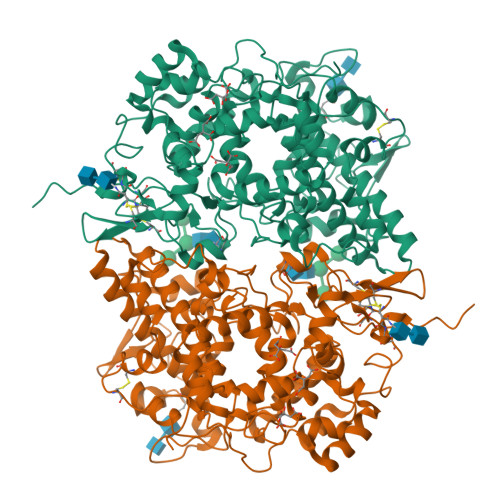
Prostaglandin G/H synthase 2 structureClick to view 3D structureProstaglandin G/H synthase 2P35354HumansPredicted (SEA)
Prediction Confidence Score
0.32
Applicability Domain
0.386
Statistical Significance
0.01
Supporting Reference Compounds
201
E-value
78.0049
Carbonic anhydrase 2 structureClick to view 3D structureCarbonic anhydrase 2P00918HumansPredicted (SEA)
Prediction Confidence Score
0.319
Applicability Domain
0.414
Statistical Significance
0.0303
Supporting Reference Compounds
472
E-value
236.117
Carbonic anhydrase 1 structureClick to view 3D structureCarbonic anhydrase 1P00915HumansPredicted (SEA)
Prediction Confidence Score
0.319
Applicability Domain
0.414
Statistical Significance
0.0256
Supporting Reference Compounds
407
E-value
199.372
Carbonic anhydrase 12 structureClick to view 3D structureCarbonic anhydrase 12O43570HumansPredicted (SEA)
Prediction Confidence Score
0.314
Applicability Domain
0.414
Statistical Significance
0.0232
Supporting Reference Compounds
332
E-value
180.844
Prostaglandin G/H synthase 1 structureClick to view 3D structureProstaglandin G/H synthase 1P23219HumansPredicted (SEA)
Prediction Confidence Score
0.313
Applicability Domain
0.386
Statistical Significance
0.0075
Supporting Reference Compounds
136
E-value
58.2312
Click to view 3D structureMetallo beta-lactamaseQ6TUJ4Pseudomonas aeruginosaPredicted (SEA)
Prediction Confidence Score
0.308
Applicability Domain
0.308
Statistical Significance
2.20e-04
Supporting Reference Compounds
1
E-value
1.71268
Aldo-keto reductase family 1 member C3 structureClick to view 3D structureAldo-keto reductase family 1 member C3P42330HumansPredicted (SEA)
Prediction Confidence Score
0.302
Applicability Domain
0.353
Statistical Significance
0.0059
Supporting Reference Compounds
57
E-value
45.931
Aldo-keto reductase family 1 member C2 structureClick to view 3D structureAldo-keto reductase family 1 member C2P52895HumansPredicted (SEA)
Prediction Confidence Score
0.301
Applicability Domain
0.353
Statistical Significance
0.0049
Supporting Reference Compounds
40
E-value
38.4575
Alpha-ketoglutarate-dependent dioxygenase FTO structureClick to view 3D structureAlpha-ketoglutarate-dependent dioxygenase FTOQ9C0B1HumansPredicted (SEA)
Prediction Confidence Score
0.299
Applicability Domain
0.457
Statistical Significance
0.0018
Supporting Reference Compounds
36
E-value
14.4021
Click to view 3D structureCarbonic anhydrase 15Q99N23Mus musculusPredicted (SEA)
Prediction Confidence Score
0.295
Applicability Domain
0.414
Statistical Significance
0.0087
Supporting Reference Compounds
78
E-value
68.0402
Aspartyl/asparaginyl beta-hydroxylase structureClick to view 3D structureAspartyl/asparaginyl beta-hydroxylaseQ12797HumansPredicted (SEA)
Prediction Confidence Score
0.294
Applicability Domain
0.324
Statistical Significance
0.0019
Supporting Reference Compounds
17
E-value
15.1027
p-hydroxybenzoate hydroxylase structureClick to view 3D structurep-hydroxybenzoate hydroxylaseP00438Pseudomonas fluorescensPredicted (SEA)
Prediction Confidence Score
0.293
Applicability Domain
0.293 Low confidence
Statistical Significance
0.0038
Supporting Reference Compounds
1
E-value
29.8941
RNA demethylase ALKBH5 structureClick to view 3D structureRNA demethylase ALKBH5Q6P6C2HumansPredicted (SEA)
Prediction Confidence Score
0.292
Applicability Domain
0.457
Statistical Significance
1.50e-04
Supporting Reference Compounds
9
E-value
1.16774
Metallo-beta-lactamase IMP-1 structureClick to view 3D structureMetallo-beta-lactamase IMP-1P52699Serratia marcescensPredicted (SEA)
Prediction Confidence Score
0.289
Applicability Domain
0.333
Statistical Significance
4.30e-04
Supporting Reference Compounds
2
E-value
3.34752
Click to view 3D structureAdvanced glycosylation end product-specific receptorQ63495Rattus norvegicusPredicted (SEA)
Prediction Confidence Score
0.607
Applicability Domain
0.607
Statistical Significance
1.00e-05
Supporting Reference Compounds
1
E-value
0.0778492
Concentrations
Not Available
External Links
IdentifiersNot Available
References
Synthesis ReferenceNot Available
MSDSNot Available
General ReferencesNot Available