3-methylfuran-2-carbaldehyde (CED0069679)

Record Information
Version1.0
Creation Date2026-08-23 13:13:10 UTC
Update Date2026-08-23 13:13:10 UTC
SynCED IDCED0069679
Secondary Accession Numbers
  • CHEM233433
Identification
Common Name3-methylfuran-2-carbaldehyde
ClassSmall Molecule
Description
3-methylfuran-2-carbaldehyde is an organic compound with the formula C6H6O2 and an average molecular weight of 110.11 g/mol. 3-methylfuran-2-carbaldehyde belongs to the carbonyl compounds, a subclass of organooxygen compounds within the organic compounds. This substance is found in or released from four recorded sources. Within the category of food, food processing, and cookware, it is associated with the preparation of vinegar, the preparation of wine or sparkling wine, and molasses and the treatment of molasses. Additionally, it is found in household cleaning and consumer products, specifically in other smoking requisites.
Contaminant TypeNot Available
Chemical Structure
SynonymsNot Available
Chemical FormulaC6H6O2
Average Molecular Mass110.110 g/mol
Monoisotopic Mass110.037 g/mol
CAS Registry Number33342-48-2
IUPAC NameNot Available
Traditional NameNot Available
SMILESNot Available
InChI IdentifierInChI=1S/C6H6O2/c1-5-2-3-8-6(5)4-7/h2-4H,1H3
InChI KeyDSMRYCOTKWYTRF-UHFFFAOYSA-N
Chemical Taxonomy
ClassificationNot classified
Biological Properties
StatusDetected and Not Quantified
OriginNot Available
Cellular LocationsNot Available
Biofluid LocationsNot Available
Tissue LocationsNot Available
ApplicationsNot Available
Biological RolesNot Available
Chemical RolesNot Available
Organoleptic EffectsNot Available
Physical Properties
StateNot Available
AppearanceNot Available
Experimental Properties
PropertyValue
Melting PointNot Available
Boiling PointNot Available
SolubilityNot Available
Predicted PropertiesNot Available
Spectra
SpectraNot Available
Toxicity Profile
Toxicity Values
Toxicity ValueOrganismDose DescriptorRoute of ExposurePredicted or ExperimentalToxicity RatingReference
908.0 Log mg/kg [510:1600]RatLD50oralpredictedNot AvailableNot Available
Toxicity / Toxin ClassNot Available
Mechanism of ToxicityNot Available
Carcinogenicity (IARC Classification)Not Available
Minimum Risk LevelNot Available
SymptomsNot Available
TreatmentNot Available
Health Effects
Health EffectRelationshipDirectionDescriptionReference
Exposure Sources
Source IDSourceSectorReference
CEDs000010Insecticides?Insecticides are synthetic chemicals designed to control or eliminate insect pests that threaten crops and other agricultural products.Agriculture & land managementPubChem
CEDs000511Conductors Or Conductive Bodies Characterised By The Conductive Materials?Conductors, or conductive bodies, are materials that allow the flow of electrical current, typically made from metals such as copper, aluminum, or silver.Electrical & Electronic EquipmentPubChem
CEDs000518Electrically Stimulated Smoking Devices?Electrically stimulated smoking devices, commonly known as e-cigarettes or vape pens, utilize electrical components to heat a liquid solution, often containing nicotine, flavorings, and other additives, to produce an aerosol for inhalation.Electrical & Electronic EquipmentPubChem
CEDs000521Fixed Capacitors And Their Manufacture?Fixed capacitors are passive electronic components used to store and release electrical energy, playing a critical role in various circuits.Electrical & Electronic EquipmentPubChem
CEDs000545Food Preservation?Food preservation often involves the use of synthetic chemicals, such as preservatives, flavor enhancers, and color additives, to extend shelf life and enhance the sensory qualities of food products.Food, food processing & cookwarePubChem
CEDs000546Molasses And Treatment Of Molasses?Molasses is a thick, viscous byproduct of sugar production, derived from the extraction of sugar cane or sugar beet juice.Food, food processing & cookwarePubChem
CEDs000548Preparation Of Vinegar?Vinegar is produced through the fermentation of ethanol by acetic acid bacteria, resulting in a solution that typically contains 4-8% acetic acid.Food, food processing & cookwarePubChem
CEDs000549Preparation Of Wine Or Sparkling Wine?The preparation of wine or sparkling wine involves various stages, including fermentation, aging, and bottling, which can introduce potential sources of synthetic chemical contamination.Food, food processing & cookwarePubChem
CEDs000556Cigar Cigarettes?Cigar cigarettes are a source of synthetic chemical contamination due to the combustion of various tobacco blends and additives.Household cleaning & consumer productsPubChem
CEDs000560Other Smoking Requisites?Other smoking requisites, including items such as lighters, matches, and rolling papers, can introduce synthetic chemical contamination through various components and additives.Household cleaning & consumer productsPubChem
CEDs000561Perfumes Within Detergents And Soaps?Perfumes within detergents and soaps are synthetic fragrance compounds added to enhance the sensory experience of cleaning products.Household cleaning & consumer productsPubChem
CEDs000563Soap Detergents?Soap detergents are synthetic surfactants designed to enhance the cleaning efficacy of water by reducing surface tension, allowing for better interaction with dirt and grease.Household cleaning & consumer productsPubChem
CEDs000569Tobacco Smoke Filters?Tobacco smoke filters are designed to reduce the inhalation of harmful substances in cigarette smoke, including tar and other particulate matter.Household cleaning & consumer productsPubChem
CEDs000580Manufacture Preparation Of Tobacco Products?The manufacture and preparation of tobacco products involve various processes that can result in the introduction of synthetic chemicals into the environment.Industrial manufacturing & chemical processingPubChem
CEDs000596Acaricides?Acaricides are synthetic chemicals specifically designed to target and control mite populations that can damage crops and plants.Agriculture & land managementPubChem
CEDs000600Herbicides And Algicides?Herbicides and algicides are synthetic chemicals primarily used to control unwanted plants and algae in various environments.Agriculture & land managementPubChem
CEDs000602Molluscicides?Molluscicides are synthetic chemicals specifically designed to control and eliminate mollusks, such as snails and slugs, which can be detrimental to crops and agricultural productivity.Agriculture & land managementPubChem
CEDs000603Nematocides?Nematocides are synthetic chemicals specifically designed to control nematodes, which are microscopic roundworms that can cause significant damage to crops and plants.Agriculture & land managementPubChem
CEDs000606Plant Growth Regulators?Plant Growth Regulators (PGRs) are synthetic chemicals designed to influence the growth and development of plants.Agriculture & land managementPubChem
CEDs000609Aftershave?Aftershave is a grooming product typically used to soothe and protect the skin following shaving.Personal care & cosmeticsPubChem
CEDs000611Anti Perspirants Or Body Deoderants?Antiperspirants and body deodorants commonly contain synthetic chemicals such as aluminum compounds, parabens, and synthetic fragrances.Personal care & cosmeticsPubChem
CEDs000614Essential Oils Or Perfumes?Essential oils and perfumes are complex mixtures of volatile compounds derived from natural or synthetic sources, commonly used for their aromatic properties.Personal care & cosmeticsPubChem
CEDs000678Nitrogenous Fertilisers?Nitrogenous fertilizers are synthetic chemical compounds primarily used to enhance plant growth by supplying essential nitrogen, a crucial nutrient for photosynthesis and protein synthesis.Agriculture & land managementPubChem
CEDs000679Phosphatic Fertilisers?Phosphatic fertilizers are synthetic chemical products primarily composed of phosphorus, which is essential for plant growth.Agriculture & land managementPubChem
CEDs000685Ceramics?Ceramics can be a source of synthetic chemical contamination through various additives and processing agents used in their production.Building & ConstructionPubChem
CEDs000696Nanotechnology?Nanotechnology involves the manipulation of materials at the molecular or atomic level, typically within the range of 1 to 100 nanometers.Industrial manufacturing & chemical processingPubChem
CEDs000739Inks?Inks are complex mixtures composed of pigments or dyes, solvents, resins, and additives used primarily for printing and writing applications.Paper, pulp & fiber productsPubChem
CEDs000740Paper?Paper production involves the processing of wood fibers and the use of various chemicals, which can lead to synthetic chemical contamination.Paper, pulp & fiber productsPubChem
CEDs000742Leather Tanning?Leather tanning is a process that transforms raw animal hides into durable leather through the application of various chemicals, including chromium salts, aldehydes, and vegetable tannins.Textiles, leather & furnishingsPubChem
CEDs000744Water, Wastewater, & Sewage Treatment?Water, wastewater, and sewage treatment processes are critical for managing and mitigating pollutants in water systems.Wastewater, sanitation & biosolidsPubChem
Pathways
0 pathwaysPathway Source: PathBank

No pathways found

No metabolic pathways have been associated with this synthetic chemical

Targets
StructureProteinUniProt IDOrganismRelationshipDetails
NADPH--cytochrome P450 reductase structureClick to view 3D structureNADPH--cytochrome P450 reductaseP16435HumansPredicted (SEA)
Prediction Confidence Score
0.324
Applicability Domain
0.324
Statistical Significance
2.00e-05
Supporting Reference Compounds
1
E-value
0.155698
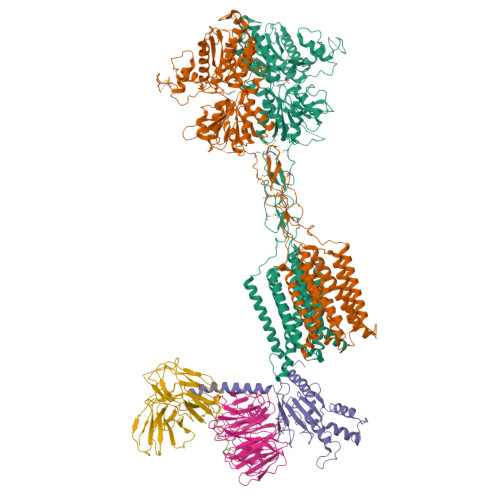
Metabotropic glutamate receptor 1 structureClick to view 3D structureMetabotropic glutamate receptor 1Q13255HumansPredicted (SEA)
Prediction Confidence Score
0.234
Applicability Domain
0.245 Low confidence
Statistical Significance
0.0273
Supporting Reference Compounds
68
E-value
212.684
Cytochrome P450 2A6 structureClick to view 3D structureCytochrome P450 2A6P11509HumansPredicted (SEA)
Prediction Confidence Score
0.232
Applicability Domain
0.259 Low confidence
Statistical Significance
0.0147
Supporting Reference Compounds
68
E-value
114.828
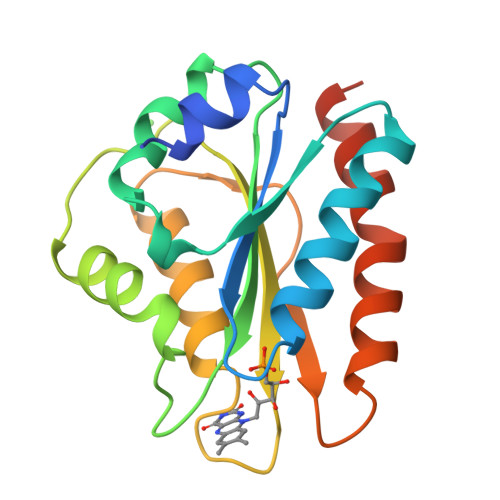
Click to view 3D structureProline racemaseQ9L4Q3Clostridium sticklandiiPredicted (SEA)
Prediction Confidence Score
0.226
Applicability Domain
0.226 Low confidence
Statistical Significance
3.40e-04
Supporting Reference Compounds
1
E-value
2.64687
Metabotropic glutamate receptor 4 structureClick to view 3D structureMetabotropic glutamate receptor 4Q14833HumansPredicted (SEA)
Prediction Confidence Score
0.225
Applicability Domain
0.245 Low confidence
Statistical Significance
0.0777
Supporting Reference Compounds
69
E-value
604.966
Cytochrome P450 1A2 structureClick to view 3D structureCytochrome P450 1A2P05177HumansPredicted (SEA)
Prediction Confidence Score
0.209
Applicability Domain
0.232 Low confidence
Statistical Significance
0.8214
Supporting Reference Compounds
793
E-value
6394.46
Click to view 3D structureL-lactate dehydrogenase B chainP16125Mus musculusPredicted (SEA)
Prediction Confidence Score
0.205
Applicability Domain
0.205 Low confidence
Statistical Significance
6.80e-04
Supporting Reference Compounds
1
E-value
5.29375
Cytochrome P450 3A4 structureClick to view 3D structureCytochrome P450 3A4P08684HumansPredicted (SEA)
Prediction Confidence Score
0.202
Applicability Domain
0.214 Low confidence
Statistical Significance
0.9426
Supporting Reference Compounds
1538
E-value
7337.76
Induced myeloid leukemia cell differentiation protein Mcl-1 structureClick to view 3D structureInduced myeloid leukemia cell differentiation protein Mcl-1Q07820HumansPredicted (SEA)
Prediction Confidence Score
0.201
Applicability Domain
0.231 Low confidence
Statistical Significance
0.4624
Supporting Reference Compounds
343
E-value
3599.67
Acetylcholinesterase structureClick to view 3D structureAcetylcholinesteraseP22303HumansPredicted (SEA)
Prediction Confidence Score
0.201
Applicability Domain
0.216 Low confidence
Statistical Significance
0.6306
Supporting Reference Compounds
406
E-value
4909.02
Click to view 3D structureAldo-keto reductase family 1 member B1P07943Rattus norvegicusPredicted (SEA)
Prediction Confidence Score
0.193
Applicability Domain
0.231 Low confidence
Statistical Significance
0.1639
Supporting Reference Compounds
70
E-value
1275.79
Amine oxidase [flavin-containing] A structureClick to view 3D structureAmine oxidase [flavin-containing] AP21397HumansPredicted (SEA)
Prediction Confidence Score
0.192
Applicability Domain
0.211 Low confidence
Statistical Significance
0.5553
Supporting Reference Compounds
241
E-value
4323.04
Cytochrome P450 2C9 structureClick to view 3D structureCytochrome P450 2C9P11712HumansPredicted (SEA)
Prediction Confidence Score
0.19
Applicability Domain
0.214 Low confidence
Statistical Significance
0.9624
Supporting Reference Compounds
1245
E-value
7491.98
Replicase polyprotein 1ab structureClick to view 3D structureReplicase polyprotein 1abP0DTD1SARS-CoV-2Predicted (SEA)
Prediction Confidence Score
0.186
Applicability Domain
0.205 Low confidence
Statistical Significance
0.6135
Supporting Reference Compounds
215
E-value
4776.05
Click to view 3D structureCytochrome P450 2A5P20852Mus musculusPredicted (SEA)
Prediction Confidence Score
0.185
Applicability Domain
0.259 Low confidence
Statistical Significance
0.0206
Supporting Reference Compounds
11
E-value
160.058
Protein Tat structureClick to view 3D structureProtein TatP04608Human immunodeficiency virus type 1 group M subtype B (isolate HXB2)(HIV-1)Predicted (SEA)
Prediction Confidence Score
0.185
Applicability Domain
0.205 Low confidence
Statistical Significance
0.3329
Supporting Reference Compounds
108
E-value
2591.68
Click to view 3D structureStreptokinase AP10520Streptococcus pyogenes serotype M1Predicted (SEA)
Prediction Confidence Score
0.185
Applicability Domain
0.219 Low confidence
Statistical Significance
0.7873
Supporting Reference Compounds
425
E-value
6129.3
Amine oxidase [flavin-containing] B structureClick to view 3D structureAmine oxidase [flavin-containing] BP27338HumansPredicted (SEA)
Prediction Confidence Score
0.184
Applicability Domain
0.211 Low confidence
Statistical Significance
0.7146
Supporting Reference Compounds
315
E-value
5563.03
Carbonic anhydrase 9 structureClick to view 3D structureCarbonic anhydrase 9Q16790HumansPredicted (SEA)
Prediction Confidence Score
0.184
Applicability Domain
0.237 Low confidence
Statistical Significance
0.6984
Supporting Reference Compounds
372
E-value
5437.38
Click to view 3D structurePerilipin-1O60240HumansPredicted (SEA)
Prediction Confidence Score
0.183
Applicability Domain
0.25 Low confidence
Statistical Significance
0.2441
Supporting Reference Compounds
47
E-value
1900.22
Carbonic anhydrase 12 structureClick to view 3D structureCarbonic anhydrase 12O43570HumansPredicted (SEA)
Prediction Confidence Score
0.183
Applicability Domain
0.237 Low confidence
Statistical Significance
0.6804
Supporting Reference Compounds
332
E-value
5297.09
Amine oxidase [flavin-containing] A structureClick to view 3D structureAmine oxidase [flavin-containing] AP21396Rattus norvegicusPredicted (SEA)
Prediction Confidence Score
0.182
Applicability Domain
0.211 Low confidence
Statistical Significance
0.3458
Supporting Reference Compounds
66
E-value
2692.34
Mediator of RNA polymerase II transcription subunit 25 structureClick to view 3D structureMediator of RNA polymerase II transcription subunit 25Q71SY5HumansPredicted (SEA)
Prediction Confidence Score
0.182
Applicability Domain
0.182 Low confidence
Statistical Significance
0.0018
Supporting Reference Compounds
1
E-value
13.8572
Liver carboxylesterase 1 structureClick to view 3D structureLiver carboxylesterase 1P23141HumansPredicted (SEA)
Prediction Confidence Score
0.182
Applicability Domain
0.205 Low confidence
Statistical Significance
0.1952
Supporting Reference Compounds
55
E-value
1520.01
Cytochrome P450 2D6 structureClick to view 3D structureCytochrome P450 2D6P10635HumansPredicted (SEA)
Prediction Confidence Score
0.182
Applicability Domain
0.214 Low confidence
Statistical Significance
0.972
Supporting Reference Compounds
1130
E-value
7566.79
Concentrations
Not Available
External Links
IdentifiersNot Available
References
Synthesis ReferenceNot Available
MSDSNot Available
General ReferencesNot Available