3-methyl-1h-pyridin-2-one (CED0198283)

Record Information
Version1.0
Creation Date2026-08-23 14:15:16 UTC
Update Date2026-08-23 14:15:16 UTC
SynCED IDCED0198283
Secondary Accession Numbers
  • CHEM234155
Identification
Common Name3-methyl-1h-pyridin-2-one
ClassSmall Molecule
Description
3-methyl-1h-pyridin-2-one belongs to the hydropyridines, a subclass of pyridines and derivatives within the organic compounds. This organoheterocyclic compound has the formula C6H7NO and an average molecular weight of 109.13 g/mol.
Contaminant TypeNot Available
Chemical Structure
SynonymsNot Available
Chemical FormulaC6H7NO
Average Molecular Mass109.130 g/mol
Monoisotopic Mass109.053 g/mol
CAS Registry Number1003-56-1
IUPAC NameNot Available
Traditional NameNot Available
SMILESNot Available
InChI IdentifierInChI=1S/C6H7NO/c1-5-3-2-4-7-6(5)8/h2-4H,1H3,(H,7,8)
InChI KeyMVKDNXIKAWKCCS-UHFFFAOYSA-N
Chemical Taxonomy
ClassificationNot classified
Biological Properties
StatusDetected and Not Quantified
OriginNot Available
Cellular LocationsNot Available
Biofluid LocationsNot Available
Tissue LocationsNot Available
ApplicationsNot Available
Biological RolesNot Available
Chemical RolesNot Available
Organoleptic EffectsNot Available
Physical Properties
StateNot Available
AppearanceNot Available
Experimental Properties
PropertyValue
Melting PointNot Available
Boiling PointNot Available
SolubilityNot Available
Predicted PropertiesNot Available
Spectra
SpectraNot Available
Toxicity Profile
Toxicity Values
Toxicity ValueOrganismDose DescriptorRoute of ExposurePredicted or ExperimentalToxicity RatingReference
907.0 Log mg/kg [510:1600]RatLD50oralpredictedNot AvailableNot Available
Toxicity / Toxin ClassNot Available
Mechanism of ToxicityNot Available
Carcinogenicity (IARC Classification)Not Available
Minimum Risk LevelNot Available
SymptomsNot Available
TreatmentNot Available
Health Effects
Health EffectRelationshipDirectionDescriptionReference
Exposure Sources
Source IDSourceSectorReference
CEDs000010Insecticides?Insecticides are synthetic chemicals designed to control or eliminate insect pests that threaten crops and other agricultural products.Agriculture & land managementPubChem
CEDs000511Conductors Or Conductive Bodies Characterised By The Conductive Materials?Conductors, or conductive bodies, are materials that allow the flow of electrical current, typically made from metals such as copper, aluminum, or silver.Electrical & Electronic EquipmentPubChem
CEDs000519Electrodes?Electrodes, used in various electrical and electronic applications, can be a source of synthetic chemical contamination due to the materials from which they are constructed and the processes involved in their manufacturing.Electrical & Electronic EquipmentPubChem
CEDs000524Hybrid Capacitors?Hybrid capacitors are energy storage devices that combine the properties of electrolytic and supercapacitors, utilizing a combination of electrochemical principles to achieve higher energy density and power density.Electrical & Electronic EquipmentPubChem
CEDs000561Perfumes Within Detergents And Soaps?Perfumes within detergents and soaps are synthetic fragrance compounds added to enhance the sensory experience of cleaning products.Household cleaning & consumer productsPubChem
CEDs000580Manufacture Preparation Of Tobacco Products?The manufacture and preparation of tobacco products involve various processes that can result in the introduction of synthetic chemicals into the environment.Industrial manufacturing & chemical processingPubChem
CEDs000606Plant Growth Regulators?Plant Growth Regulators (PGRs) are synthetic chemicals designed to influence the growth and development of plants.Agriculture & land managementPubChem
CEDs000614Essential Oils Or Perfumes?Essential oils and perfumes are complex mixtures of volatile compounds derived from natural or synthetic sources, commonly used for their aromatic properties.Personal care & cosmeticsPubChem
CEDs000615Eye Makeup Products?Eye makeup products, including mascaras, eyeliners, and eyeshadows, often contain a variety of synthetic chemicals such as pigments, preservatives, and film-forming agents.Personal care & cosmeticsPubChem
CEDs000619Manicure Pedicure?Manicure and pedicure procedures often involve the use of various synthetic chemicals, including solvents, nail polishes, and nail adhesives.Personal care & cosmeticsPubChem
CEDs000632Apparel?Apparel production often involves the use of various synthetic chemicals, including dyes, finishing agents, and preservatives.Textiles, leather & furnishingsPubChem
CEDs000633Azo Dyes?Azo dyes are synthetic organic compounds characterized by the presence of one or more azo groups (-N=N-), which are widely used for coloring textiles, leather, and furnishings.Textiles, leather & furnishingsPubChem
CEDs000648Nitro Dyes?Nitro dyes are synthetic colorants that contain nitro groups (-NO2) in their chemical structure.Textiles, leather & furnishingsPubChem
CEDs000659Transfer Printing?Transfer printing is a process used to apply designs and patterns onto various substrates, commonly utilizing synthetic dyes and inks that can contain hazardous chemicals.Textiles, leather & furnishingsPubChem
CEDs000685Ceramics?Ceramics can be a source of synthetic chemical contamination through various additives and processing agents used in their production.Building & ConstructionPubChem
CEDs000696Nanotechnology?Nanotechnology involves the manipulation of materials at the molecular or atomic level, typically within the range of 1 to 100 nanometers.Industrial manufacturing & chemical processingPubChem
CEDs000734Coating Compositions?Coating compositions, which include paints, sealants, and varnishes, are formulated with a variety of synthetic chemicals such as solvents, resins, pigments, and additives.Building & ConstructionPubChem
CEDs000739Inks?Inks are complex mixtures composed of pigments or dyes, solvents, resins, and additives used primarily for printing and writing applications.Paper, pulp & fiber productsPubChem
CEDs000740Paper?Paper production involves the processing of wood fibers and the use of various chemicals, which can lead to synthetic chemical contamination.Paper, pulp & fiber productsPubChem
CEDs000741Pigment Pastes?Pigment pastes are concentrated dispersions of pigments used to impart color and properties to materials.Paper, pulp & fiber productsPubChem
CEDs000743Sludge Treatment?Sludge treatment involves the processing of waste materials generated from wastewater treatment plants, which often contain a variety of organic and inorganic substances.Wastewater, sanitation & biosolidsPubChem
Pathways
0 pathwaysPathway Source: PathBank

No pathways found

No metabolic pathways have been associated with this synthetic chemical

Targets
StructureProteinUniProt IDOrganismRelationshipDetails
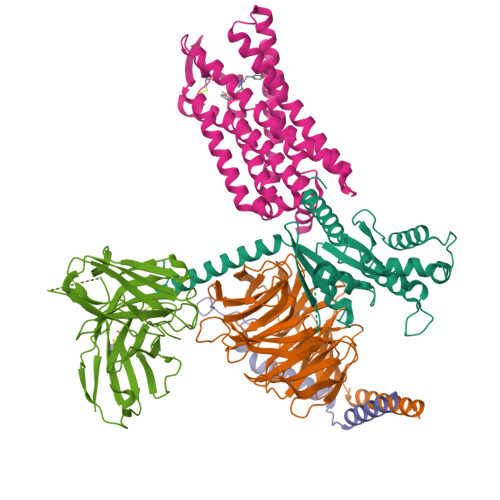
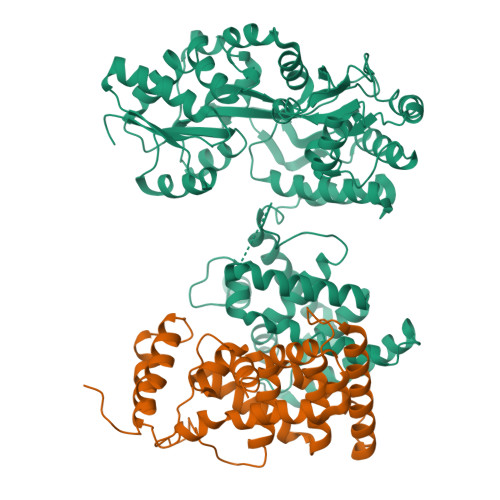
Click to view 3D structureNonstructural protein 1Q194T2Influenza A virusPredicted (SEA)
Prediction Confidence Score
0.323
Applicability Domain
0.364
Statistical Significance
0.0022
Supporting Reference Compounds
104
E-value
17.1268
Click to view 3D structureAdvanced glycosylation end product-specific receptorQ63495Rattus norvegicusPredicted (SEA)
Prediction Confidence Score
0.323
Applicability Domain
0.323
Statistical Significance
1.80e-04
Supporting Reference Compounds
1
E-value
1.40129
C-C chemokine receptor type 8 structureClick to view 3D structureC-C chemokine receptor type 8P51685HumansPredicted (SEA)
Prediction Confidence Score
0.319
Applicability Domain
0.364
Statistical Significance
2.70e-04
Supporting Reference Compounds
17
E-value
2.10193
Kappa-type opioid receptor structureClick to view 3D structureKappa-type opioid receptorP41145HumansPredicted (SEA)
Prediction Confidence Score
0.316
Applicability Domain
0.395
Statistical Significance
0.0504
Supporting Reference Compounds
532
E-value
392.36
C-C chemokine receptor type 1 structureClick to view 3D structureC-C chemokine receptor type 1P32246HumansPredicted (SEA)
Prediction Confidence Score
0.315
Applicability Domain
0.364
Statistical Significance
0.0011
Supporting Reference Compounds
54
E-value
8.79696
Botulinum neurotoxin type A structureClick to view 3D structureBotulinum neurotoxin type AP0DPI0Clostridium botulinumPredicted (SEA)
Prediction Confidence Score
0.309
Applicability Domain
0.379
Statistical Significance
3.00e-04
Supporting Reference Compounds
17
E-value
2.33548
Click to view 3D structureStreptokinase AP10520Streptococcus pyogenes serotype M1Predicted (SEA)
Prediction Confidence Score
0.309
Applicability Domain
0.395
Statistical Significance
0.0159
Supporting Reference Compounds
425
E-value
123.858
Methionine aminopeptidase 2 structureClick to view 3D structureMethionine aminopeptidase 2P50579HumansPredicted (SEA)
Prediction Confidence Score
0.303
Applicability Domain
0.379
Statistical Significance
3.00e-04
Supporting Reference Compounds
26
E-value
2.33548
Click to view 3D structureATP-dependent molecular chaperone HSP82C4YTQ8Candida albicans (strain WO-1) (Yeast)Predicted (SEA)
Prediction Confidence Score
0.299
Applicability Domain
0.333
Statistical Significance
0.0089
Supporting Reference Compounds
205
E-value
69.4415
Poly [ADP-ribose] polymerase 1 structureClick to view 3D structurePoly [ADP-ribose] polymerase 1P09874HumansPredicted (SEA)
Prediction Confidence Score
0.297
Applicability Domain
0.387
Statistical Significance
0.011
Supporting Reference Compounds
146
E-value
85.4784
C-C chemokine receptor type 5 structureClick to view 3D structureC-C chemokine receptor type 5P51681HumansPredicted (SEA)
Prediction Confidence Score
0.296
Applicability Domain
0.364
Statistical Significance
0.0044
Supporting Reference Compounds
71
E-value
33.9423
Metallo-beta-lactamase type 2 structureClick to view 3D structureMetallo-beta-lactamase type 2C7C422Klebsiella pneumoniaePredicted (SEA)
Prediction Confidence Score
0.294
Applicability Domain
0.324
Statistical Significance
5.20e-04
Supporting Reference Compounds
26
E-value
4.04816
D-amino-acid oxidase structureClick to view 3D structureD-amino-acid oxidaseP14920HumansPredicted (SEA)
Prediction Confidence Score
0.287
Applicability Domain
0.565
Statistical Significance
0.0011
Supporting Reference Compounds
32
E-value
8.40772
Bromodomain-containing protein 4 structureClick to view 3D structureBromodomain-containing protein 4O60885HumansPredicted (SEA)
Prediction Confidence Score
0.284
Applicability Domain
0.333
Statistical Significance
0.0315
Supporting Reference Compounds
237
E-value
245.069
Click to view 3D structureBeta-lactamaseQ44079Aeromonas hydrophilaPredicted (SEA)
Prediction Confidence Score
0.275
Applicability Domain
0.345
Statistical Significance
0.0011
Supporting Reference Compounds
2
E-value
8.87481
Acetylcholinesterase structureClick to view 3D structureAcetylcholinesteraseP22303HumansPredicted (SEA)
Prediction Confidence Score
0.271
Applicability Domain
0.379
Statistical Significance
0.0905
Supporting Reference Compounds
406
E-value
704.691
Type-1 angiotensin II receptor structureClick to view 3D structureType-1 angiotensin II receptorP30556HumansPredicted (SEA)
Prediction Confidence Score
0.269
Applicability Domain
0.333
Statistical Significance
0.0359
Supporting Reference Compounds
141
E-value
279.868
Histone deacetylase 1 structureClick to view 3D structureHistone deacetylase 1Q13547HumansPredicted (SEA)
Prediction Confidence Score
0.268
Applicability Domain
0.565
Statistical Significance
0.156
Supporting Reference Compounds
497
E-value
1214.37
Photoreceptor-specific nuclear receptor structureClick to view 3D structurePhotoreceptor-specific nuclear receptorQ9Y5X4HumansPredicted (SEA)
Prediction Confidence Score
0.265
Applicability Domain
0.31
Statistical Significance
0.0144
Supporting Reference Compounds
90
E-value
112.181
Tegument protein VP16 structureClick to view 3D structureTegument protein VP16P06492Herpes simplex virus (type 1 / strain 17)Predicted (SEA)
Prediction Confidence Score
0.264
Applicability Domain
0.31
Statistical Significance
0.0095
Supporting Reference Compounds
75
E-value
74.2682
Click to view 3D structureHeat shock factor protein 1P38532Mus musculusPredicted (SEA)
Prediction Confidence Score
0.263
Applicability Domain
0.31
Statistical Significance
0.04
Supporting Reference Compounds
166
E-value
311.085
Nicotinate phosphoribosyltransferase structureClick to view 3D structureNicotinate phosphoribosyltransferaseQ6XQN6HumansPredicted (SEA)
Prediction Confidence Score
0.261
Applicability Domain
0.345
Statistical Significance
0.0023
Supporting Reference Compounds
12
E-value
18.2946
Indoleamine 2,3-dioxygenase 1 structureClick to view 3D structureIndoleamine 2,3-dioxygenase 1P14902HumansPredicted (SEA)
Prediction Confidence Score
0.261
Applicability Domain
0.333
Statistical Significance
0.013
Supporting Reference Compounds
108
E-value
101.36
Catechol O-methyltransferase structureClick to view 3D structureCatechol O-methyltransferaseP22734Rattus norvegicusPredicted (SEA)
Prediction Confidence Score
0.259
Applicability Domain
0.324
Statistical Significance
0.0019
Supporting Reference Compounds
15
E-value
15.1806
Cytochrome P450 2A6 structureClick to view 3D structureCytochrome P450 2A6P11509HumansPredicted (SEA)
Prediction Confidence Score
0.256
Applicability Domain
0.314
Statistical Significance
0.006
Supporting Reference Compounds
68
E-value
46.6317
Concentrations
Not Available
External Links
IdentifiersNot Available
References
Synthesis ReferenceNot Available
MSDSNot Available
General ReferencesNot Available