(sulfamoylamino)benzene (CED0038926)

Record Information
Version1.0
Creation Date2026-08-23 15:10:51 UTC
Update Date2026-08-23 15:10:51 UTC
SynCED IDCED0038926
Secondary Accession Numbers
  • CHEM234909
Identification
Common Name(sulfamoylamino)benzene
ClassSmall Molecule
Description
(sulfamoylamino)benzene belongs to the sulfanilides, a subclass of benzene and substituted derivatives within the organic compounds. This benzenoid compound has the chemical formula C6H8N2O2S and an average molecular weight of 172.21 g/mol. It has been identified in or released from two recorded sources related to food, food processing, and cookware, specifically during the processing of fish and the preparation of vinegar.
Contaminant TypeNot Available
Chemical Structure
SynonymsNot Available
Chemical FormulaC6H8N2O2S
Average Molecular Mass172.210 g/mol
Monoisotopic Mass172.031 g/mol
CAS Registry Number15959-53-2
IUPAC NameNot Available
Traditional NameNot Available
SMILESNot Available
InChI IdentifierInChI=1S/C6H8N2O2S/c7-11(9,10)8-6-4-2-1-3-5-6/h1-5,8H,(H2,7,9,10)
InChI KeyDEVUYWTZRXOMSI-UHFFFAOYSA-N
Chemical Taxonomy
ClassificationNot classified
Biological Properties
StatusDetected and Not Quantified
OriginNot Available
Cellular LocationsNot Available
Biofluid LocationsNot Available
Tissue LocationsNot Available
ApplicationsNot Available
Biological RolesNot Available
Chemical RolesNot Available
Organoleptic EffectsNot Available
Physical Properties
StateNot Available
AppearanceNot Available
Experimental Properties
PropertyValue
Melting PointNot Available
Boiling PointNot Available
SolubilityNot Available
Predicted PropertiesNot Available
Spectra
SpectraNot Available
Toxicity Profile
Toxicity Values
Toxicity ValueOrganismDose DescriptorRoute of ExposurePredicted or ExperimentalToxicity RatingReference
1772.0 Log mg/kg [1000:3200]RatLD50oralpredictedNot AvailableNot Available
Toxicity / Toxin ClassNot Available
Mechanism of ToxicityNot Available
Carcinogenicity (IARC Classification)Not Available
Minimum Risk LevelNot Available
SymptomsNot Available
TreatmentNot Available
Health Effects
Health EffectRelationshipDirectionDescriptionReference
type 2 diabetes mellitusAssociated With?Not AvailableNot AvailablePMC4801233
weight gainAssociated With?Not AvailableA finding characterized by an increase in overall body weight; for pediatrics, greater than the baseline growth curve. (NCI CTCAE)PMC4801233
glucose intoleranceAssociated With?Not AvailableA disorder characterized by an inability to properly metabolize glucose. (NCI CTCAE)PMC4801233
Exposure Sources
Source IDSourceSectorReference
CEDs000010Insecticides?Insecticides are synthetic chemicals designed to control or eliminate insect pests that threaten crops and other agricultural products.Agriculture & land managementPubChem
CEDs000511Conductors Or Conductive Bodies Characterised By The Conductive Materials?Conductors, or conductive bodies, are materials that allow the flow of electrical current, typically made from metals such as copper, aluminum, or silver.Electrical & Electronic EquipmentPubChem
CEDs000519Electrodes?Electrodes, used in various electrical and electronic applications, can be a source of synthetic chemical contamination due to the materials from which they are constructed and the processes involved in their manufacturing.Electrical & Electronic EquipmentPubChem
CEDs000545Food Preservation?Food preservation often involves the use of synthetic chemicals, such as preservatives, flavor enhancers, and color additives, to extend shelf life and enhance the sensory qualities of food products.Food, food processing & cookwarePubChem
CEDs000548Preparation Of Vinegar?Vinegar is produced through the fermentation of ethanol by acetic acid bacteria, resulting in a solution that typically contains 4-8% acetic acid.Food, food processing & cookwarePubChem
CEDs000551Processing Fish?Processing fish can lead to synthetic chemical contamination through various stages of production and preservation.Food, food processing & cookwarePubChem
CEDs000552Processing Meats?Processing meats can lead to synthetic chemical contamination primarily through the use of additives and preservatives.Food, food processing & cookwarePubChem
CEDs000561Perfumes Within Detergents And Soaps?Perfumes within detergents and soaps are synthetic fragrance compounds added to enhance the sensory experience of cleaning products.Household cleaning & consumer productsPubChem
CEDs000563Soap Detergents?Soap detergents are synthetic surfactants designed to enhance the cleaning efficacy of water by reducing surface tension, allowing for better interaction with dirt and grease.Household cleaning & consumer productsPubChem
CEDs000583Anchoring Equipment?Anchoring equipment, commonly used in marine applications, can be a source of synthetic chemical contamination due to the materials and coatings utilized in their manufacturing.Marine, shipping & aquaculturePubChem
CEDs000596Acaricides?Acaricides are synthetic chemicals specifically designed to target and control mite populations that can damage crops and plants.Agriculture & land managementPubChem
CEDs000600Herbicides And Algicides?Herbicides and algicides are synthetic chemicals primarily used to control unwanted plants and algae in various environments.Agriculture & land managementPubChem
CEDs000603Nematocides?Nematocides are synthetic chemicals specifically designed to control nematodes, which are microscopic roundworms that can cause significant damage to crops and plants.Agriculture & land managementPubChem
CEDs000605Pest Repellants?Pest repellents, often formulated from synthetic chemicals, are widely used to protect crops from insect infestations and other pests.Agriculture & land managementPubChem
CEDs000606Plant Growth Regulators?Plant Growth Regulators (PGRs) are synthetic chemicals designed to influence the growth and development of plants.Agriculture & land managementPubChem
CEDs000618Lip Makeup Products?Lip makeup products, such as lipsticks, lip glosses, and lip liners, often contain a variety of synthetic chemicals, including pigments, preservatives, and emollients.Personal care & cosmeticsPubChem
CEDs000633Azo Dyes?Azo dyes are synthetic organic compounds characterized by the presence of one or more azo groups (-N=N-), which are widely used for coloring textiles, leather, and furnishings.Textiles, leather & furnishingsPubChem
CEDs000671Airplanes And Helicopters?Airplanes and helicopters are significant sources of synthetic chemical contamination primarily through the use of aviation fuels, lubricants, and de-icing agents.Aviation & AerospacePubChem
CEDs000678Nitrogenous Fertilisers?Nitrogenous fertilizers are synthetic chemical compounds primarily used to enhance plant growth by supplying essential nitrogen, a crucial nutrient for photosynthesis and protein synthesis.Agriculture & land managementPubChem
CEDs000679Phosphatic Fertilisers?Phosphatic fertilizers are synthetic chemical products primarily composed of phosphorus, which is essential for plant growth.Agriculture & land managementPubChem
CEDs000685Ceramics?Ceramics can be a source of synthetic chemical contamination through various additives and processing agents used in their production.Building & ConstructionPubChem
CEDs000696Nanotechnology?Nanotechnology involves the manipulation of materials at the molecular or atomic level, typically within the range of 1 to 100 nanometers.Industrial manufacturing & chemical processingPubChem
CEDs000734Coating Compositions?Coating compositions, which include paints, sealants, and varnishes, are formulated with a variety of synthetic chemicals such as solvents, resins, pigments, and additives.Building & ConstructionPubChem
CEDs000739Inks?Inks are complex mixtures composed of pigments or dyes, solvents, resins, and additives used primarily for printing and writing applications.Paper, pulp & fiber productsPubChem
CEDs000740Paper?Paper production involves the processing of wood fibers and the use of various chemicals, which can lead to synthetic chemical contamination.Paper, pulp & fiber productsPubChem
CEDs000741Pigment Pastes?Pigment pastes are concentrated dispersions of pigments used to impart color and properties to materials.Paper, pulp & fiber productsPubChem
CEDs000742Leather Tanning?Leather tanning is a process that transforms raw animal hides into durable leather through the application of various chemicals, including chromium salts, aldehydes, and vegetable tannins.Textiles, leather & furnishingsPubChem
CEDs000744Water, Wastewater, & Sewage Treatment?Water, wastewater, and sewage treatment processes are critical for managing and mitigating pollutants in water systems.Wastewater, sanitation & biosolidsPubChem
Pathways
0 pathwaysPathway Source: PathBank

No pathways found

No metabolic pathways have been associated with this synthetic chemical

Targets
StructureProteinUniProt IDOrganismRelationshipDetails
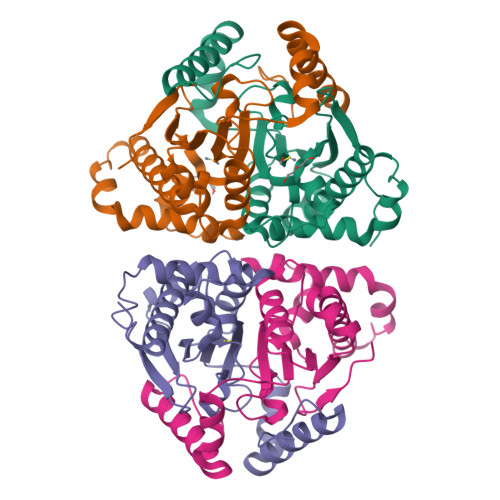
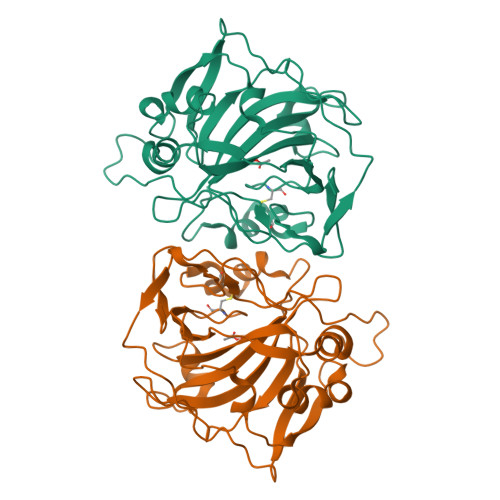
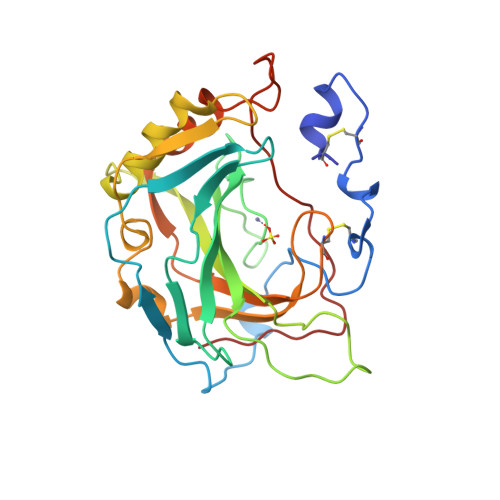
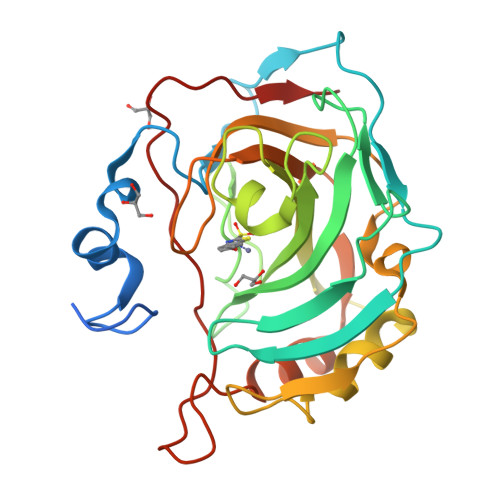
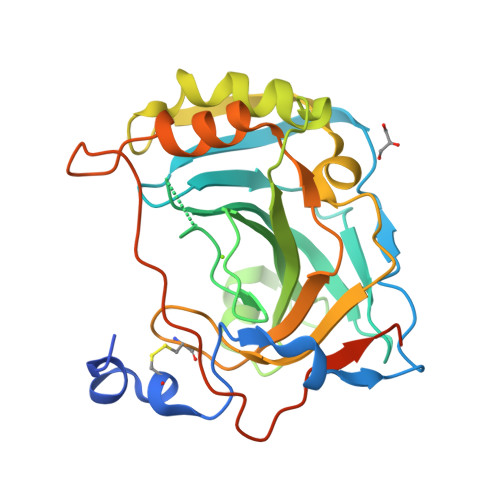
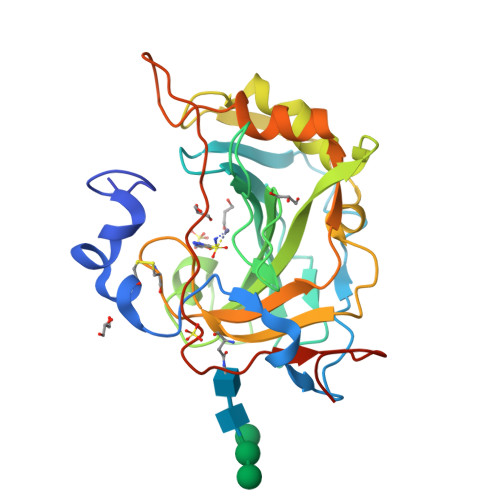
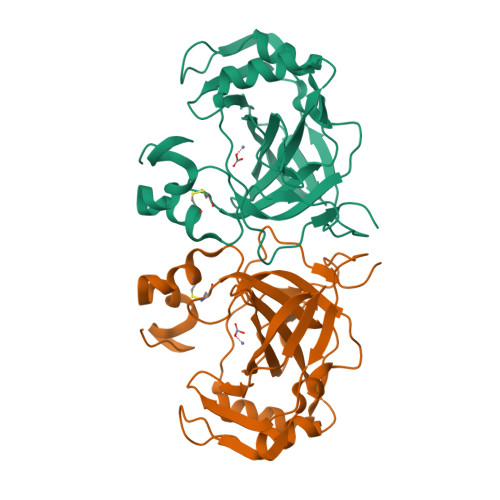
Carbonic anhydrase 2 structureClick to view 3D structureCarbonic anhydrase 2P00918HumansPredicted (SEA)
Prediction Confidence Score
0.484
Applicability Domain
0.6
Statistical Significance
0.0021
Supporting Reference Compounds
472
E-value
16.1926
Carbonic anhydrase 1 structureClick to view 3D structureCarbonic anhydrase 1P00915HumansPredicted (SEA)
Prediction Confidence Score
0.484
Applicability Domain
0.6
Statistical Significance
0.0017
Supporting Reference Compounds
407
E-value
13.6236
Carbonic anhydrase structureClick to view 3D structureCarbonic anhydraseQ5AJ71Candida albicans (strain SC5314 / ATCC MYA-2876) (Yeast)Predicted (SEA)
Prediction Confidence Score
0.457
Applicability Domain
0.6
Statistical Significance
3.20e-04
Supporting Reference Compounds
68
E-value
2.49118
Carbonic anhydrase 9 structureClick to view 3D structureCarbonic anhydrase 9Q16790HumansPredicted (SEA)
Prediction Confidence Score
0.425
Applicability Domain
0.467
Statistical Significance
0.004
Supporting Reference Compounds
372
E-value
31.5289
Carbonic anhydrase 12 structureClick to view 3D structureCarbonic anhydrase 12O43570HumansPredicted (SEA)
Prediction Confidence Score
0.423
Applicability Domain
0.467
Statistical Significance
0.0038
Supporting Reference Compounds
332
E-value
29.6606
Carbonic anhydrase 2 structureClick to view 3D structureCarbonic anhydrase 2Q3I4V7Cryptococcus neoformansPredicted (SEA)
Prediction Confidence Score
0.414
Applicability Domain
0.6
Statistical Significance
5.10e-04
Supporting Reference Compounds
60
E-value
3.97031
Carbonic anhydrase 4 structureClick to view 3D structureCarbonic anhydrase 4P22748HumansPredicted (SEA)
Prediction Confidence Score
0.411
Applicability Domain
0.458
Statistical Significance
0.0022
Supporting Reference Compounds
193
E-value
16.8933
Click to view 3D structureCarbonic anhydraseQ6FTL6Candida glabrata CBS 138Predicted (SEA)
Prediction Confidence Score
0.401
Applicability Domain
0.469
Statistical Significance
0.0011
Supporting Reference Compounds
46
E-value
8.48557
Click to view 3D structureCarbonic anhydrase 5A, mitochondrialP35218HumansPredicted (SEA)
Prediction Confidence Score
0.397
Applicability Domain
0.455
Statistical Significance
0.0024
Supporting Reference Compounds
165
E-value
18.7617
Carbonic anhydrase 7 structureClick to view 3D structureCarbonic anhydrase 7P43166HumansPredicted (SEA)
Prediction Confidence Score
0.394
Applicability Domain
0.458
Statistical Significance
0.0039
Supporting Reference Compounds
242
E-value
30.0498
Carbonic anhydrase 6 structureClick to view 3D structureCarbonic anhydrase 6P23280HumansPredicted (SEA)
Prediction Confidence Score
0.394
Applicability Domain
0.458
Statistical Significance
0.0019
Supporting Reference Compounds
151
E-value
14.6357
Click to view 3D structureCarbonic anhydrase 5B, mitochondrialQ9Y2D0HumansPredicted (SEA)
Prediction Confidence Score
0.393
Applicability Domain
0.455
Statistical Significance
0.0025
Supporting Reference Compounds
157
E-value
19.5402
Click to view 3D structureCarbonic anhydrase 4Q95323Bos taurusPredicted (SEA)
Prediction Confidence Score
0.377
Applicability Domain
0.438
Statistical Significance
0.0028
Supporting Reference Compounds
64
E-value
21.4864
Click to view 3D structureCarbonic anhydrase 15Q99N23Mus musculusPredicted (SEA)
Prediction Confidence Score
0.37
Applicability Domain
0.441
Statistical Significance
0.002
Supporting Reference Compounds
78
E-value
15.6477
Carbonic anhydrase 14 structureClick to view 3D structureCarbonic anhydrase 14Q9ULX7HumansPredicted (SEA)
Prediction Confidence Score
0.365
Applicability Domain
0.441
Statistical Significance
0.0045
Supporting Reference Compounds
172
E-value
34.7986
Carbonic anhydrase 2 structureClick to view 3D structureCarbonic anhydrase 2P00921Bos taurusPredicted (SEA)
Prediction Confidence Score
0.363
Applicability Domain
0.458
Statistical Significance
0.0012
Supporting Reference Compounds
22
E-value
9.26406
Beta-carbonic anhydrase 1 structureClick to view 3D structureBeta-carbonic anhydrase 1P9WPJ7Mycobacterium tuberculosisPredicted (SEA)
Prediction Confidence Score
0.343
Applicability Domain
0.438
Statistical Significance
0.0033
Supporting Reference Compounds
55
E-value
25.4567
Click to view 3D structureIntestinal-type alkaline phosphataseP19111BovinePredicted (SEA)
Prediction Confidence Score
0.342
Applicability Domain
0.467
Statistical Significance
0.0013
Supporting Reference Compounds
19
E-value
10.2761
Click to view 3D structureCarbonic anhydrase 13Q9D6N1Mus musculusPredicted (SEA)
Prediction Confidence Score
0.341
Applicability Domain
0.441
Statistical Significance
0.0028
Supporting Reference Compounds
70
E-value
21.7199
Click to view 3D structureCarbonate dehydrataseB2V8E3Sulfurihydrogenibium sp. (strain YO3AOP1)Predicted (SEA)
Prediction Confidence Score
0.34
Applicability Domain
0.367
Statistical Significance
0.0022
Supporting Reference Compounds
40
E-value
17.049
Click to view 3D structureAstrosclerin-3A6YCJ1Astrosclera willeyanaPredicted (SEA)
Prediction Confidence Score
0.34
Applicability Domain
0.367
Statistical Significance
0.0024
Supporting Reference Compounds
44
E-value
18.3724
Click to view 3D structureCarbonic anhydraseO24855Helicobacter pylori (strain ATCC 700392 / 26695) (Campylobacterpylori)Predicted (SEA)
Prediction Confidence Score
0.34
Applicability Domain
0.367
Statistical Significance
0.0024
Supporting Reference Compounds
38
E-value
18.4503
Carbonic anhydrase, alpha family structureClick to view 3D structureCarbonic anhydrase, alpha familyQ31FD6Thiomicrospira crunogenaPredicted (SEA)
Prediction Confidence Score
0.34
Applicability Domain
0.367
Statistical Significance
0.0022
Supporting Reference Compounds
41
E-value
17.049
Cytochrome P450 3A4 structureClick to view 3D structureCytochrome P450 3A4P08684HumansPredicted (SEA)
Prediction Confidence Score
0.34
Applicability Domain
0.435
Statistical Significance
0.0661
Supporting Reference Compounds
1538
E-value
514.973
Cytochrome P450 2D6 structureClick to view 3D structureCytochrome P450 2D6P10635HumansPredicted (SEA)
Prediction Confidence Score
0.335
Applicability Domain
0.435
Statistical Significance
0.0461
Supporting Reference Compounds
1130
E-value
358.574
Concentrations
Not Available
External Links
IdentifiersNot Available
References
Synthesis ReferenceNot Available
MSDSNot Available
General ReferencesNot Available