N,n-bis(ethenyl)ethenamine (CED0199356)

Record Information
Version1.0
Creation Date2026-08-23 15:52:39 UTC
Update Date2026-08-23 15:52:39 UTC
SynCED IDCED0199356
Secondary Accession Numbers
  • CHEM235501
Identification
Common NameN,n-bis(ethenyl)ethenamine
ClassSmall Molecule
Description
N,n-bis(ethenyl)ethenamine is an organic nitrogen compound with the formula C6H9N and an average molecular weight of 95.14 g/mol. N,n-bis(ethenyl)ethenamine belongs to the amines, a subclass of organonitrogen compounds within the organic compounds. This substance has been identified in or released from four recorded sources related to electrical and electronic equipment. These sources include power cables, electric switches, auxiliary devices, and superconductive or hyperconductive conductors cables or transmission lines.
Contaminant TypeNot Available
Chemical Structure
SynonymsNot Available
Chemical FormulaC6H9N
Average Molecular Mass95.140 g/mol
Monoisotopic Mass95.073 g/mol
CAS Registry Number1116-00-3
IUPAC NameNot Available
Traditional NameNot Available
SMILESNot Available
InChI IdentifierInChI=1S/C6H9N/c1-4-7(5-2)6-3/h4-6H,1-3H2
InChI KeyVIJMMQUAJQEELS-UHFFFAOYSA-N
Chemical Taxonomy
ClassificationNot classified
Biological Properties
StatusDetected and Not Quantified
OriginNot Available
Cellular LocationsNot Available
Biofluid LocationsNot Available
Tissue LocationsNot Available
ApplicationsNot Available
Biological RolesNot Available
Chemical RolesNot Available
Organoleptic EffectsNot Available
Physical Properties
StateNot Available
AppearanceNot Available
Experimental Properties
PropertyValue
Melting PointNot Available
Boiling PointNot Available
SolubilityNot Available
Predicted PropertiesNot Available
Spectra
SpectraNot Available
Toxicity Profile
Toxicity Values
Toxicity ValueOrganismDose DescriptorRoute of ExposurePredicted or ExperimentalToxicity RatingReference
254.0 Log mg/kg [140:450]RatLD50oralpredictedNot AvailableNot Available
Toxicity / Toxin ClassNot Available
Mechanism of ToxicityNot Available
Carcinogenicity (IARC Classification)Not Available
Minimum Risk LevelNot Available
SymptomsNot Available
TreatmentNot Available
Health Effects
Health EffectRelationshipDirectionDescriptionReference
Exposure Sources
Source IDSourceSectorReference
CEDs000010Insecticides?Insecticides are synthetic chemicals designed to control or eliminate insect pests that threaten crops and other agricultural products.Agriculture & land managementPubChem
CEDs000507Auxiliary Devices?Auxiliary devices, such as capacitors, transformers, and circuit breakers, are integral components in various electronic systems.Electrical & Electronic EquipmentPubChem
CEDs000511Conductors Or Conductive Bodies Characterised By The Conductive Materials?Conductors, or conductive bodies, are materials that allow the flow of electrical current, typically made from metals such as copper, aluminum, or silver.Electrical & Electronic EquipmentPubChem
CEDs000517Electric Switches?Electric switches, integral components in numerous devices, can be a source of synthetic chemical contamination due to the materials and manufacturing processes involved in their production.Electrical & Electronic EquipmentPubChem
CEDs000519Electrodes?Electrodes, used in various electrical and electronic applications, can be a source of synthetic chemical contamination due to the materials from which they are constructed and the processes involved in their manufacturing.Electrical & Electronic EquipmentPubChem
CEDs000524Hybrid Capacitors?Hybrid capacitors are energy storage devices that combine the properties of electrolytic and supercapacitors, utilizing a combination of electrochemical principles to achieve higher energy density and power density.Electrical & Electronic EquipmentPubChem
CEDs000529Power Cables?Power cables are used to transmit electrical energy and are typically composed of conductive materials, insulation, and protective coatings.Electrical & Electronic EquipmentPubChem
CEDs000536Superconductive Or Hyperconductive Conductors Cables Or Transmission Lines?Superconductive or hyperconductive conductors, including cables and transmission lines, are materials that exhibit zero electrical resistance under specific conditions, typically at low temperatures.Electrical & Electronic EquipmentPubChem
CEDs000545Food Preservation?Food preservation often involves the use of synthetic chemicals, such as preservatives, flavor enhancers, and color additives, to extend shelf life and enhance the sensory qualities of food products.Food, food processing & cookwarePubChem
CEDs000561Perfumes Within Detergents And Soaps?Perfumes within detergents and soaps are synthetic fragrance compounds added to enhance the sensory experience of cleaning products.Household cleaning & consumer productsPubChem
CEDs000596Acaricides?Acaricides are synthetic chemicals specifically designed to target and control mite populations that can damage crops and plants.Agriculture & land managementPubChem
CEDs000605Pest Repellants?Pest repellents, often formulated from synthetic chemicals, are widely used to protect crops from insect infestations and other pests.Agriculture & land managementPubChem
CEDs000606Plant Growth Regulators?Plant Growth Regulators (PGRs) are synthetic chemicals designed to influence the growth and development of plants.Agriculture & land managementPubChem
CEDs000611Anti Perspirants Or Body Deoderants?Antiperspirants and body deodorants commonly contain synthetic chemicals such as aluminum compounds, parabens, and synthetic fragrances.Personal care & cosmeticsPubChem
CEDs000613Depilatories?Depilatories are products designed to remove unwanted hair through the application of synthetic chemicals that break down the protein structure of hair, facilitating its removal.Personal care & cosmeticsPubChem
CEDs000618Lip Makeup Products?Lip makeup products, such as lipsticks, lip glosses, and lip liners, often contain a variety of synthetic chemicals, including pigments, preservatives, and emollients.Personal care & cosmeticsPubChem
CEDs000632Apparel?Apparel production often involves the use of various synthetic chemicals, including dyes, finishing agents, and preservatives.Textiles, leather & furnishingsPubChem
CEDs000638Decorating Textiles?Decorating textiles often involves the use of synthetic chemicals such as dyes, finishes, and coatings.Textiles, leather & furnishingsPubChem
CEDs000642Footwear?Footwear production often involves the use of various synthetic chemicals, such as adhesives, dyes, and treatments, which can contribute to environmental contamination.Textiles, leather & furnishingsPubChem
CEDs000643Headwear?Headwear made from synthetic materials often incorporates chemicals used in the manufacturing and finishing processes, such as dyes, flame retardants, and water repellents.Textiles, leather & furnishingsPubChem
CEDs000659Transfer Printing?Transfer printing is a process used to apply designs and patterns onto various substrates, commonly utilizing synthetic dyes and inks that can contain hazardous chemicals.Textiles, leather & furnishingsPubChem
CEDs000685Ceramics?Ceramics can be a source of synthetic chemical contamination through various additives and processing agents used in their production.Building & ConstructionPubChem
CEDs000688Glass Coatings?Glass coatings are synthetic chemical formulations applied to glass surfaces to enhance properties such as durability, UV resistance, and aesthetic appeal.Building & ConstructionPubChem
CEDs000696Nanotechnology?Nanotechnology involves the manipulation of materials at the molecular or atomic level, typically within the range of 1 to 100 nanometers.Industrial manufacturing & chemical processingPubChem
CEDs000697Submarines?Submarines, while essential for military and research purposes, can be a source of synthetic chemical contamination due to their use of various industrial chemicals.Marine, shipping & aquaculturePubChem
CEDs000727Printing Machines Or Presses?Printing machines or presses commonly utilize synthetic chemicals such as inks, solvents, and cleaning agents.Paper, pulp & fiber productsPubChem
CEDs000734Coating Compositions?Coating compositions, which include paints, sealants, and varnishes, are formulated with a variety of synthetic chemicals such as solvents, resins, pigments, and additives.Building & ConstructionPubChem
CEDs000735Explosives?Explosives are chemical compounds or mixtures designed to undergo rapid decomposition, releasing energy in the form of gas and heat.Defense & military infrastructurePubChem
CEDs000739Inks?Inks are complex mixtures composed of pigments or dyes, solvents, resins, and additives used primarily for printing and writing applications.Paper, pulp & fiber productsPubChem
CEDs000740Paper?Paper production involves the processing of wood fibers and the use of various chemicals, which can lead to synthetic chemical contamination.Paper, pulp & fiber productsPubChem
CEDs000741Pigment Pastes?Pigment pastes are concentrated dispersions of pigments used to impart color and properties to materials.Paper, pulp & fiber productsPubChem
CEDs000742Leather Tanning?Leather tanning is a process that transforms raw animal hides into durable leather through the application of various chemicals, including chromium salts, aldehydes, and vegetable tannins.Textiles, leather & furnishingsPubChem
CEDs000743Sludge Treatment?Sludge treatment involves the processing of waste materials generated from wastewater treatment plants, which often contain a variety of organic and inorganic substances.Wastewater, sanitation & biosolidsPubChem
CEDs000744Water, Wastewater, & Sewage Treatment?Water, wastewater, and sewage treatment processes are critical for managing and mitigating pollutants in water systems.Wastewater, sanitation & biosolidsPubChem
Pathways
0 pathwaysPathway Source: PathBank

No pathways found

No metabolic pathways have been associated with this synthetic chemical

Targets
StructureProteinUniProt IDOrganismRelationshipDetails
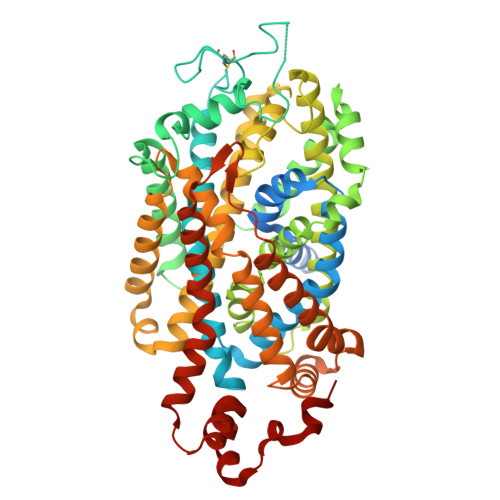
Click to view 3D structureMitochondrial 2-oxodicarboxylate carrierQ9BQT8HumansPredicted (SEA)
Prediction Confidence Score
0.125
Applicability Domain
0.125 Low confidence
Statistical Significance
1.20e-04
Supporting Reference Compounds
1
E-value
0.934191
Succinate-semialdehyde dehydrogenase, mitochondrial structureClick to view 3D structureSuccinate-semialdehyde dehydrogenase, mitochondrialP51649HumansPredicted (SEA)
Prediction Confidence Score
0.12
Applicability Domain
0.12 Low confidence
Statistical Significance
0.0985
Supporting Reference Compounds
1
E-value
767.204
Seed linoleate 9S-lipoxygenase structureClick to view 3D structureSeed linoleate 9S-lipoxygenaseP24095Glycine maxPredicted (SEA)
Prediction Confidence Score
0.115
Applicability Domain
0.115 Low confidence
Statistical Significance
0.0041
Supporting Reference Compounds
1
E-value
32.0739
Click to view 3D structureDihydropyrimidine dehydrogenase [NADP(+)]Q12882HumansPredicted (SEA)
Prediction Confidence Score
0.111
Applicability Domain
0.111 Low confidence
Statistical Significance
0.0844
Supporting Reference Compounds
1
E-value
657.359
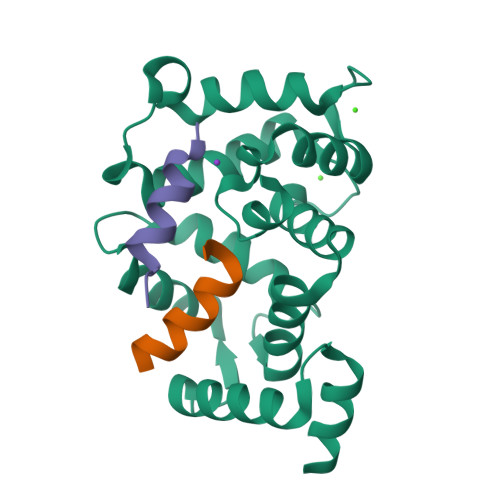
Transient receptor potential cation channel subfamily A member 1 structureClick to view 3D structureTransient receptor potential cation channel subfamily A member 1O75762HumansPredicted (SEA)
Prediction Confidence Score
0.104
Applicability Domain
0.167 Low confidence
Statistical Significance
0.9982
Supporting Reference Compounds
70
E-value
7771.06
Click to view 3D structureEstrogen receptorP49884Bos taurusPredicted (SEA)
Prediction Confidence Score
0.097
Applicability Domain
0.097 Low confidence
Statistical Significance
0.0652
Supporting Reference Compounds
1
E-value
507.888
Alpha-2B adrenergic receptor structureClick to view 3D structureAlpha-2B adrenergic receptorP18089HumansPredicted (SEA)
Prediction Confidence Score
0.091
Applicability Domain
0.098 Low confidence
Statistical Significance
0.9999
Supporting Reference Compounds
340
E-value
7783.83
Alpha-2C adrenergic receptor structureClick to view 3D structureAlpha-2C adrenergic receptorP18825HumansPredicted (SEA)
Prediction Confidence Score
0.091
Applicability Domain
0.098 Low confidence
Statistical Significance
0.9999
Supporting Reference Compounds
386
E-value
7783.99
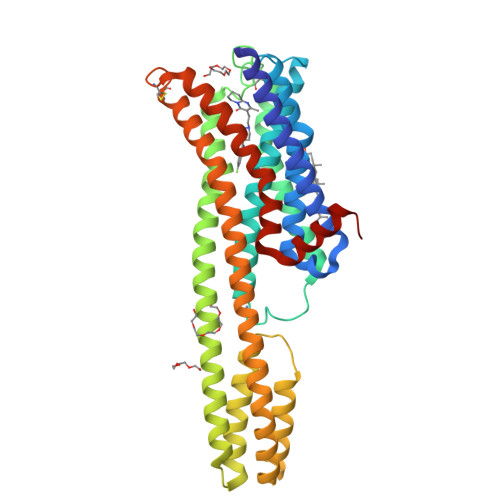
Cannabinoid receptor 2 structureClick to view 3D structureCannabinoid receptor 2P34972HumansPredicted (SEA)
Prediction Confidence Score
0.086
Applicability Domain
0.107 Low confidence
Statistical Significance
0.9998
Supporting Reference Compounds
175
E-value
7783.6
5-hydroxytryptamine receptor 1A structureClick to view 3D structure5-hydroxytryptamine receptor 1AP08908HumansPredicted (SEA)
Prediction Confidence Score
0.086
Applicability Domain
0.098 Low confidence
Statistical Significance
0.9999
Supporting Reference Compounds
953
E-value
7784.46
3-oxoacyl-[acyl-carrier-protein] synthase 2 structureClick to view 3D structure3-oxoacyl-[acyl-carrier-protein] synthase 2P9WQD7Mycobacterium tuberculosisPredicted (SEA)
Prediction Confidence Score
0.086
Applicability Domain
0.086 Low confidence
Statistical Significance
0.1843
Supporting Reference Compounds
1
E-value
1434.68
Alpha-2A adrenergic receptor structureClick to view 3D structureAlpha-2A adrenergic receptorP08913HumansPredicted (SEA)
Prediction Confidence Score
0.085
Applicability Domain
0.098 Low confidence
Statistical Significance
0.9999
Supporting Reference Compounds
487
E-value
7784.46
Kappa-type opioid receptor structureClick to view 3D structureKappa-type opioid receptorP41145HumansPredicted (SEA)
Prediction Confidence Score
0.085
Applicability Domain
0.098 Low confidence
Statistical Significance
0.9999
Supporting Reference Compounds
532
E-value
7784.14
Click to view 3D structureFatty acid synthaseP12276Gallus gallusPredicted (SEA)
Prediction Confidence Score
0.083
Applicability Domain
0.167 Low confidence
Statistical Significance
0.0213
Supporting Reference Compounds
2
E-value
165.819
Mu-type opioid receptor structureClick to view 3D structureMu-type opioid receptorP35372HumansPredicted (SEA)
Prediction Confidence Score
0.082
Applicability Domain
0.098 Low confidence
Statistical Significance
0.9999
Supporting Reference Compounds
527
E-value
7784.3
Cannabinoid receptor 1 structureClick to view 3D structureCannabinoid receptor 1P21554HumansPredicted (SEA)
Prediction Confidence Score
0.081
Applicability Domain
0.107 Low confidence
Statistical Significance
0.9999
Supporting Reference Compounds
200
E-value
7783.99
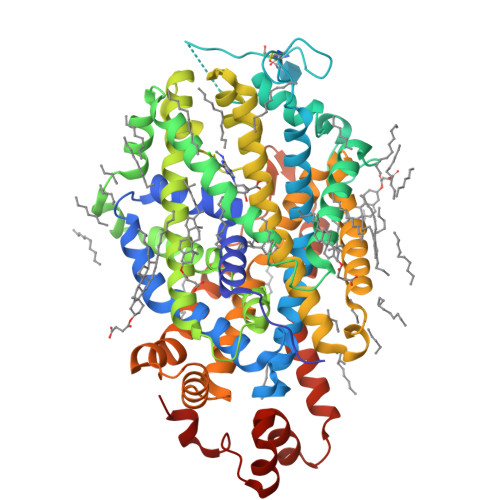
Sodium-dependent serotonin transporter structureClick to view 3D structureSodium-dependent serotonin transporterP31645HumansPredicted (SEA)
Prediction Confidence Score
0.081
Applicability Domain
0.098 Low confidence
Statistical Significance
0.9999
Supporting Reference Compounds
593
E-value
7784.38
CXXC-type zinc finger protein 5 structureClick to view 3D structureCXXC-type zinc finger protein 5Q7LFL8HumansPredicted (SEA)
Prediction Confidence Score
0.081
Applicability Domain
0.081 Low confidence
Statistical Significance
0.804
Supporting Reference Compounds
1
E-value
6258.77
Sodium-dependent noradrenaline transporter structureClick to view 3D structureSodium-dependent noradrenaline transporterP23975HumansPredicted (SEA)
Prediction Confidence Score
0.081
Applicability Domain
0.098 Low confidence
Statistical Significance
0.9999
Supporting Reference Compounds
451
E-value
7784.53
D(3) dopamine receptor structureClick to view 3D structureD(3) dopamine receptorP35462HumansPredicted (SEA)
Prediction Confidence Score
0.08
Applicability Domain
0.098 Low confidence
Statistical Significance
0.9999
Supporting Reference Compounds
861
E-value
7784.38
Sodium-dependent dopamine transporter structureClick to view 3D structureSodium-dependent dopamine transporterQ01959HumansPredicted (SEA)
Prediction Confidence Score
0.079
Applicability Domain
0.098 Low confidence
Statistical Significance
1.0
Supporting Reference Compounds
506
E-value
7784.61
D(2) dopamine receptor structureClick to view 3D structureD(2) dopamine receptorP14416HumansPredicted (SEA)
Prediction Confidence Score
0.079
Applicability Domain
0.098 Low confidence
Statistical Significance
0.9999
Supporting Reference Compounds
1103
E-value
7784.53
5-hydroxytryptamine receptor 2C structureClick to view 3D structure5-hydroxytryptamine receptor 2CP28335HumansPredicted (SEA)
Prediction Confidence Score
0.078
Applicability Domain
0.098 Low confidence
Statistical Significance
0.9999
Supporting Reference Compounds
823
E-value
7784.38
5-hydroxytryptamine receptor 2A structureClick to view 3D structure5-hydroxytryptamine receptor 2AP28223HumansPredicted (SEA)
Prediction Confidence Score
0.078
Applicability Domain
0.098 Low confidence
Statistical Significance
1.0
Supporting Reference Compounds
955
E-value
7784.61
5-hydroxytryptamine receptor 6 structureClick to view 3D structure5-hydroxytryptamine receptor 6P50406HumansPredicted (SEA)
Prediction Confidence Score
0.077
Applicability Domain
0.098 Low confidence
Statistical Significance
0.9999
Supporting Reference Compounds
536
E-value
7784.38
Concentrations
Not Available
External Links
IdentifiersNot Available
References
Synthesis ReferenceNot Available
MSDSNot Available
General ReferencesNot Available