2-methylhexa-1,5-diene (CED0201058)

Record Information
Version1.0
Creation Date2026-08-23 18:29:40 UTC
Update Date2026-08-23 18:29:40 UTC
SynCED IDCED0201058
Secondary Accession Numbers
  • CHEM237519
Identification
Common Name2-methylhexa-1,5-diene
ClassSmall Molecule
Description
2-methylhexa-1,5-diene is an organic compound with the formula C7H12 and an average molecular weight of 96.17 g/mol. 2-methylhexa-1,5-diene belongs to the branched unsaturated hydrocarbons, a subclass of unsaturated hydrocarbons within the organic compounds. This compound is associated with five recorded sources. Within the category of electrical and electronic equipment, it is found in or released from antennas, communication cables or conductors, fixed capacitors and their manufacture, and power cables. Additionally, it is linked to food, food processing and cookware, specifically regarding the processing of meats.
Contaminant TypeNot Available
Chemical Structure
SynonymsNot Available
Chemical FormulaC7H12
Average Molecular Mass96.170 g/mol
Monoisotopic Mass96.094 g/mol
CAS Registry Number27477-37-8
IUPAC NameNot Available
Traditional NameNot Available
SMILESNot Available
InChI IdentifierInChI=1S/C7H12/c1-4-5-6-7(2)3/h4H,1-2,5-6H2,3H3
InChI KeySLQMKNPIYMOEGB-UHFFFAOYSA-N
Chemical Taxonomy
ClassificationNot classified
Biological Properties
StatusDetected and Not Quantified
OriginNot Available
Cellular LocationsNot Available
Biofluid LocationsNot Available
Tissue LocationsNot Available
ApplicationsNot Available
Biological RolesNot Available
Chemical RolesNot Available
Organoleptic EffectsNot Available
Physical Properties
StateNot Available
AppearanceNot Available
Experimental Properties
PropertyValue
Melting PointNot Available
Boiling PointNot Available
SolubilityNot Available
Predicted PropertiesNot Available
Spectra
SpectraNot Available
Toxicity Profile
Toxicity Values
Toxicity ValueOrganismDose DescriptorRoute of ExposurePredicted or ExperimentalToxicity RatingReference
2505.0 Log mg/kg [1400:4500]RatLD50oralpredictedNot AvailableNot Available
Toxicity / Toxin ClassNot Available
Mechanism of ToxicityNot Available
Carcinogenicity (IARC Classification)Not Available
Minimum Risk LevelNot Available
SymptomsNot Available
TreatmentNot Available
Health Effects
Health EffectRelationshipDirectionReference
Exposure Sources
Source IDSourceSectorReference
CEDs000506Antennas?Antennas, commonly used in communication technologies, can be a source of synthetic chemical contamination through the materials and coatings used in their construction.Electrical & Electronic EquipmentNot Available
CEDs000510Communication Cables Or Conductors?Communication cables or conductors are essential components in the transmission of data and signals in various applications, including telecommunications and networking.Electrical & Electronic EquipmentNot Available
CEDs000511Conductors Or Conductive Bodies Characterised By The Conductive Materials?Conductors, or conductive bodies, are materials that allow the flow of electrical current, typically made from metals such as copper, aluminum, or silver.Electrical & Electronic EquipmentNot Available
CEDs000519Electrodes?Electrodes, used in various electrical and electronic applications, can be a source of synthetic chemical contamination due to the materials from which they are constructed and the processes involved in their manufacturing.Electrical & Electronic EquipmentNot Available
CEDs000521Fixed Capacitors And Their Manufacture?Fixed capacitors are passive electronic components used to store and release electrical energy, playing a critical role in various circuits.Electrical & Electronic EquipmentNot Available
CEDs000524Hybrid Capacitors?Hybrid capacitors are energy storage devices that combine the properties of electrolytic and supercapacitors, utilizing a combination of electrochemical principles to achieve higher energy density and power density.Electrical & Electronic EquipmentNot Available
CEDs000529Power Cables?Power cables are used to transmit electrical energy and are typically composed of conductive materials, insulation, and protective coatings.Electrical & Electronic EquipmentNot Available
CEDs000545Food Preservation?Food preservation often involves the use of synthetic chemicals, such as preservatives, flavor enhancers, and color additives, to extend shelf life and enhance the sensory qualities of food products.Food, food processing & cookwareNot Available
CEDs000552Processing Meats?Processing meats can lead to synthetic chemical contamination primarily through the use of additives and preservatives.Food, food processing & cookwareNot Available
CEDs000563Soap Detergents?Soap detergents are synthetic surfactants designed to enhance the cleaning efficacy of water by reducing surface tension, allowing for better interaction with dirt and grease.Household cleaning & consumer productsNot Available
CEDs000600Herbicides And Algicides?Herbicides and algicides are synthetic chemicals primarily used to control unwanted plants and algae in various environments.Agriculture & land managementNot Available
CEDs000611Anti Perspirants Or Body Deoderants?Antiperspirants and body deodorants commonly contain synthetic chemicals such as aluminum compounds, parabens, and synthetic fragrances.Personal care & cosmeticsNot Available
CEDs000632Apparel?Apparel production often involves the use of various synthetic chemicals, including dyes, finishing agents, and preservatives.Textiles, leather & furnishingsNot Available
CEDs000642Footwear?Footwear production often involves the use of various synthetic chemicals, such as adhesives, dyes, and treatments, which can contribute to environmental contamination.Textiles, leather & furnishingsNot Available
CEDs000662Yarns Or Threads?Yarns or threads used in textiles can be a source of synthetic chemical contamination due to the production processes and treatments they undergo.Textiles, leather & furnishingsNot Available
CEDs000685Ceramics?Ceramics can be a source of synthetic chemical contamination through various additives and processing agents used in their production.Building & ConstructionNot Available
CEDs000688Glass Coatings?Glass coatings are synthetic chemical formulations applied to glass surfaces to enhance properties such as durability, UV resistance, and aesthetic appeal.Building & ConstructionNot Available
CEDs000696Nanotechnology?Nanotechnology involves the manipulation of materials at the molecular or atomic level, typically within the range of 1 to 100 nanometers.Industrial manufacturing & chemical processingNot Available
CEDs000712Combination Pens?Combination pens, which typically contain both ink and additional functionalities such as highlighters or stylus tips, may contribute to synthetic chemical contamination primarily through their ink formulations and plastic components.Paper, pulp & fiber productsNot Available
CEDs000716Erasers?Erasers, commonly used in writing and drawing applications, are often made from synthetic rubber or thermoplastic materials, which can contain various additives such as plasticizers, fillers, and colorants.Paper, pulp & fiber productsNot Available
CEDs000739Inks?Inks are complex mixtures composed of pigments or dyes, solvents, resins, and additives used primarily for printing and writing applications.Paper, pulp & fiber productsNot Available
CEDs000740Paper?Paper production involves the processing of wood fibers and the use of various chemicals, which can lead to synthetic chemical contamination.Paper, pulp & fiber productsNot Available
CEDs000744Water, Wastewater, & Sewage Treatment?Water, wastewater, and sewage treatment processes are critical for managing and mitigating pollutants in water systems.Wastewater, sanitation & biosolidsNot Available
Pathways
0 pathwaysPathway Source: PathBank

No pathways found

No metabolic pathways have been associated with this synthetic chemical

Targets
StructureProteinUniProt IDOrganismRelationshipDetails
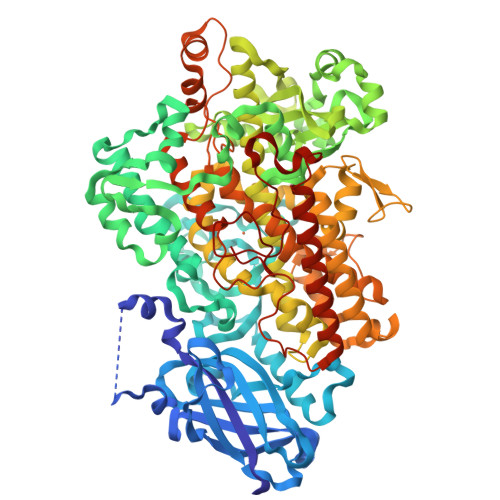
Seed linoleate 9S-lipoxygenase structureClick to view 3D structureSeed linoleate 9S-lipoxygenaseP24095Glycine maxPredicted (SEA)
Prediction Confidence Score
0.276
Applicability Domain
0.276 Low confidence
Statistical Significance
2.00e-04
Supporting Reference Compounds
1
E-value
1.55698
Click to view 3D structureSqualene epoxidaseA7L861Sus scrofaPredicted (SEA)
Prediction Confidence Score
0.197
Applicability Domain
0.219 Low confidence
Statistical Significance
3.70e-04
Supporting Reference Compounds
2
E-value
2.88042
Click to view 3D structureProtein-S-isoprenylcysteine O-methyltransferaseP32584Saccharomyces cerevisiae S288cPredicted (SEA)
Prediction Confidence Score
0.184
Applicability Domain
0.184 Low confidence
Statistical Significance
8.70e-04
Supporting Reference Compounds
1
E-value
6.77288
Peroxisome proliferator-activated receptor gamma structureClick to view 3D structurePeroxisome proliferator-activated receptor gammaP37231HumansPredicted (SEA)
Prediction Confidence Score
0.179
Applicability Domain
0.182 Low confidence
Statistical Significance
0.7373
Supporting Reference Compounds
192
E-value
5739.75
Click to view 3D structureInhibin alpha chainP05111HumansPredicted (SEA)
Prediction Confidence Score
0.178
Applicability Domain
0.178 Low confidence
Statistical Significance
0.0056
Supporting Reference Compounds
1
E-value
43.362
Transient receptor potential cation channel subfamily A member 1 structureClick to view 3D structureTransient receptor potential cation channel subfamily A member 1O75762HumansPredicted (SEA)
Prediction Confidence Score
0.177
Applicability Domain
0.208 Low confidence
Statistical Significance
0.5034
Supporting Reference Compounds
70
E-value
3918.77
Transient receptor potential cation channel subfamily V member 2 structureClick to view 3D structureTransient receptor potential cation channel subfamily V member 2Q9WUD2Rattus norvegicusPredicted (SEA)
Prediction Confidence Score
0.177
Applicability Domain
0.182 Low confidence
Statistical Significance
0.0328
Supporting Reference Compounds
21
E-value
255.19
Peroxisome proliferator-activated receptor alpha structureClick to view 3D structurePeroxisome proliferator-activated receptor alphaQ07869HumansPredicted (SEA)
Prediction Confidence Score
0.176
Applicability Domain
0.182 Low confidence
Statistical Significance
0.682
Supporting Reference Compounds
127
E-value
5309.01
Peroxisome proliferator-activated receptor delta structureClick to view 3D structurePeroxisome proliferator-activated receptor deltaQ03181HumansPredicted (SEA)
Prediction Confidence Score
0.176
Applicability Domain
0.182 Low confidence
Statistical Significance
0.6287
Supporting Reference Compounds
89
E-value
4894.77
Click to view 3D structureProtein-S-isoprenylcysteine O-methyltransferaseQ9WVM4Rattus norvegicusPredicted (SEA)
Prediction Confidence Score
0.174
Applicability Domain
0.2 Low confidence
Statistical Significance
0.0011
Supporting Reference Compounds
2
E-value
8.48557
Cannabinoid receptor 1 structureClick to view 3D structureCannabinoid receptor 1P21554HumansPredicted (SEA)
Prediction Confidence Score
0.167
Applicability Domain
0.182 Low confidence
Statistical Significance
0.9105
Supporting Reference Compounds
200
E-value
7087.86
Cannabinoid receptor 2 structureClick to view 3D structureCannabinoid receptor 2P34972HumansPredicted (SEA)
Prediction Confidence Score
0.167
Applicability Domain
0.182 Low confidence
Statistical Significance
0.8898
Supporting Reference Compounds
175
E-value
6926.71
Click to view 3D structureMitochondrial 2-oxodicarboxylate carrierQ9BQT8HumansPredicted (SEA)
Prediction Confidence Score
0.167
Applicability Domain
0.167 Low confidence
Statistical Significance
2.00e-05
Supporting Reference Compounds
1
E-value
0.155698
Click to view 3D structureCytochrome P450 2C23P24470Rattus norvegicusPredicted (SEA)
Prediction Confidence Score
0.167
Applicability Domain
0.167 Low confidence
Statistical Significance
0.0061
Supporting Reference Compounds
1
E-value
47.488
Click to view 3D structureTransient receptor potential cation channel subfamily A member 1Q6RI86Rattus norvegicusPredicted (SEA)
Prediction Confidence Score
0.165
Applicability Domain
0.185 Low confidence
Statistical Significance
0.5217
Supporting Reference Compounds
56
E-value
4061.71
Click to view 3D structureCannabinoid receptor 1P20272Rattus norvegicusPredicted (SEA)
Prediction Confidence Score
0.163
Applicability Domain
0.182 Low confidence
Statistical Significance
0.6441
Supporting Reference Compounds
83
E-value
5014.03
Click to view 3D structureEsteraseA3QR02Chilo suppressalisPredicted (SEA)
Prediction Confidence Score
0.162
Applicability Domain
0.162 Low confidence
Statistical Significance
0.004
Supporting Reference Compounds
1
E-value
31.4511
Sigma non-opioid intracellular receptor 1 structureClick to view 3D structureSigma non-opioid intracellular receptor 1Q99720HumansPredicted (SEA)
Prediction Confidence Score
0.162
Applicability Domain
0.2 Low confidence
Statistical Significance
0.9738
Supporting Reference Compounds
562
E-value
7580.65
Click to view 3D structureProstaglandin G/H synthase 2P79208Ovis ariesPredicted (SEA)
Prediction Confidence Score
0.159
Applicability Domain
0.188 Low confidence
Statistical Significance
0.5295
Supporting Reference Compounds
50
E-value
4122.12
Kappa-type opioid receptor structureClick to view 3D structureKappa-type opioid receptorP41145HumansPredicted (SEA)
Prediction Confidence Score
0.159
Applicability Domain
0.175 Low confidence
Statistical Significance
0.9821
Supporting Reference Compounds
532
E-value
7645.81
Click to view 3D structureSqualene synthase ERG9P29704Saccharomyces cerevisiae (strain ATCC 204508 / S288c) (Baker's yeast)Predicted (SEA)
Prediction Confidence Score
0.159
Applicability Domain
0.159 Low confidence
Statistical Significance
0.0012
Supporting Reference Compounds
1
E-value
9.03051
Lanosterol synthase structureClick to view 3D structureLanosterol synthaseP48449HumansPredicted (SEA)
Prediction Confidence Score
0.159
Applicability Domain
0.209 Low confidence
Statistical Significance
0.0536
Supporting Reference Compounds
10
E-value
417.272
Transient receptor potential cation channel subfamily V member 1 structureClick to view 3D structureTransient receptor potential cation channel subfamily V member 1Q8NER1HumansPredicted (SEA)
Prediction Confidence Score
0.159
Applicability Domain
0.178 Low confidence
Statistical Significance
0.8778
Supporting Reference Compounds
104
E-value
6833.45
Tyrosine-protein phosphatase non-receptor type 1 structureClick to view 3D structureTyrosine-protein phosphatase non-receptor type 1P18031HumansPredicted (SEA)
Prediction Confidence Score
0.156
Applicability Domain
0.182 Low confidence
Statistical Significance
0.8191
Supporting Reference Compounds
197
E-value
6376.4
Mu-type opioid receptor structureClick to view 3D structureMu-type opioid receptorP35372HumansPredicted (SEA)
Prediction Confidence Score
0.156
Applicability Domain
0.178 Low confidence
Statistical Significance
0.9825
Supporting Reference Compounds
527
E-value
7648.92
Concentrations
Not Available
External Links
IdentifiersNot Available
References
Synthesis ReferenceNot Available
MSDSNot Available
General ReferencesNot Available