2-(oxolan-2-ylmethoxy)ethanol (CED0202607)

Record Information
Version1.0
Creation Date2026-08-23 21:27:28 UTC
Update Date2026-08-23 21:27:28 UTC
SynCED IDCED0202607
Secondary Accession Numbers
  • CHEM239381
Identification
Common Name2-(oxolan-2-ylmethoxy)ethanol
ClassSmall Molecule
Description
2-(oxolan-2-ylmethoxy)ethanol is an organic compound with the formula C7H14O3 and an average molecular weight of 146.18 g/mol. 2-(oxolan-2-ylmethoxy)ethanol belongs to the tetrahydrofurans, a class of organoheterocyclic compounds within the organic compounds. This substance has been identified in or released from one recorded source: Electrical & Electronic Equipment (Television Systems).
Contaminant TypeNot Available
Chemical Structure
SynonymsNot Available
Chemical FormulaC7H14O3
Average Molecular Mass146.180 g/mol
Monoisotopic Mass146.094 g/mol
CAS Registry Number5831-59-4
IUPAC NameNot Available
Traditional NameNot Available
SMILESNot Available
InChI IdentifierInChI=1S/C7H14O3/c8-3-5-9-6-7-2-1-4-10-7/h7-8H,1-6H2
InChI KeyCTPDSKVQLSDPLC-UHFFFAOYSA-N
Chemical Taxonomy
ClassificationNot classified
Biological Properties
StatusDetected and Not Quantified
OriginNot Available
Cellular LocationsNot Available
Biofluid LocationsNot Available
Tissue LocationsNot Available
ApplicationsNot Available
Biological RolesNot Available
Chemical RolesNot Available
Organoleptic EffectsNot Available
Physical Properties
StateNot Available
AppearanceNot Available
Experimental Properties
PropertyValue
Melting PointNot Available
Boiling PointNot Available
SolubilityNot Available
Predicted PropertiesNot Available
Spectra
Spectra
Spectrum TypeDescriptionSplash KeyDeposition DateView
Predicted GC-MSPredicted GC-MS Spectrumsplash10-00di-9100000000-a4a573359429730452b6Not AvailableView Spectrum
Predicted GC-MSPredicted GC-MS SpectrumNot AvailableNot AvailableView Spectrum
Predicted LC-MS/MSPredicted LC-MS/MS Spectrumsplash10-0f72-9400000000-0d473956409504e01c60Not AvailableView Spectrum
Predicted LC-MS/MSPredicted LC-MS/MS Spectrumsplash10-052k-9000000000-87be66f00bca6b6fdd28Not AvailableView Spectrum
Predicted LC-MS/MSPredicted LC-MS/MS Spectrumsplash10-000m-9000000000-27365827928119bfd793Not AvailableView Spectrum
Predicted LC-MS/MSPredicted LC-MS/MS Spectrumsplash10-0536-9200000000-1672deb74de3cd50ac6dNot AvailableView Spectrum
Predicted LC-MS/MSPredicted LC-MS/MS Spectrumsplash10-0a4l-9000000000-a4e5306d2bdcdf7b071fNot AvailableView Spectrum
Predicted LC-MS/MSPredicted LC-MS/MS Spectrumsplash10-0006-9000000000-a98872aae89556faffdaNot AvailableView Spectrum
1D NMR1H NMR Spectrum (1D, D2O, predicted)Not AvailableNot AvailableView Spectrum
1D NMR13C NMR Spectrum (1D, D2O, predicted)Not AvailableNot AvailableView Spectrum
Toxicity Profile
Toxicity Values
Toxicity ValueOrganismDose DescriptorRoute of ExposurePredicted or ExperimentalToxicity RatingReference
3163.0 Log mg/kg [1800:5600]RatLD50oralpredictedNot AvailableNot Available
Toxicity / Toxin ClassNot Available
Mechanism of ToxicityNot Available
Carcinogenicity (IARC Classification)Not Available
Minimum Risk LevelNot Available
SymptomsNot Available
TreatmentNot Available
Health Effects
Health EffectRelationshipDirectionDescriptionReference
Exposure Sources
Source IDSourceSectorReference
CEDs000010Insecticides?Insecticides are synthetic chemicals designed to control or eliminate insect pests that threaten crops and other agricultural products.Agriculture & land managementPubChem
CEDs000511Conductors Or Conductive Bodies Characterised By The Conductive Materials?Conductors, or conductive bodies, are materials that allow the flow of electrical current, typically made from metals such as copper, aluminum, or silver.Electrical & Electronic EquipmentPubChem
CEDs000518Electrically Stimulated Smoking Devices?Electrically stimulated smoking devices, commonly known as e-cigarettes or vape pens, utilize electrical components to heat a liquid solution, often containing nicotine, flavorings, and other additives, to produce an aerosol for inhalation.Electrical & Electronic EquipmentPubChem
CEDs000519Electrodes?Electrodes, used in various electrical and electronic applications, can be a source of synthetic chemical contamination due to the materials from which they are constructed and the processes involved in their manufacturing.Electrical & Electronic EquipmentPubChem
CEDs000537Television Systems?Television systems can be a source of synthetic chemical contamination due to the various materials and components used in their manufacture and operation.Electrical & Electronic EquipmentPubChem
CEDs000555Bleaching Agents?Bleaching agents are chemical substances used to whiten or lighten materials, often employed in various cleaning products for their stain removal and disinfecting properties.Household cleaning & consumer productsPubChem
CEDs000580Manufacture Preparation Of Tobacco Products?The manufacture and preparation of tobacco products involve various processes that can result in the introduction of synthetic chemicals into the environment.Industrial manufacturing & chemical processingPubChem
CEDs000603Nematocides?Nematocides are synthetic chemicals specifically designed to control nematodes, which are microscopic roundworms that can cause significant damage to crops and plants.Agriculture & land managementPubChem
CEDs000605Pest Repellants?Pest repellents, often formulated from synthetic chemicals, are widely used to protect crops from insect infestations and other pests.Agriculture & land managementPubChem
CEDs000609Aftershave?Aftershave is a grooming product typically used to soothe and protect the skin following shaving.Personal care & cosmeticsPubChem
CEDs000610Aftersun Products?Aftersun products are designed to soothe and hydrate the skin after sun exposure, often containing various synthetic chemicals such as emollients, preservatives, and fragrances.Personal care & cosmeticsPubChem
CEDs000611Anti Perspirants Or Body Deoderants?Antiperspirants and body deodorants commonly contain synthetic chemicals such as aluminum compounds, parabens, and synthetic fragrances.Personal care & cosmeticsPubChem
CEDs000615Eye Makeup Products?Eye makeup products, including mascaras, eyeliners, and eyeshadows, often contain a variety of synthetic chemicals such as pigments, preservatives, and film-forming agents.Personal care & cosmeticsPubChem
CEDs000618Lip Makeup Products?Lip makeup products, such as lipsticks, lip glosses, and lip liners, often contain a variety of synthetic chemicals, including pigments, preservatives, and emollients.Personal care & cosmeticsPubChem
CEDs000685Ceramics?Ceramics can be a source of synthetic chemical contamination through various additives and processing agents used in their production.Building & ConstructionPubChem
CEDs000688Glass Coatings?Glass coatings are synthetic chemical formulations applied to glass surfaces to enhance properties such as durability, UV resistance, and aesthetic appeal.Building & ConstructionPubChem
CEDs000696Nanotechnology?Nanotechnology involves the manipulation of materials at the molecular or atomic level, typically within the range of 1 to 100 nanometers.Industrial manufacturing & chemical processingPubChem
CEDs000699Mining Or Quarrying?Mining and quarrying operations can lead to synthetic chemical contamination through the release of various pollutants associated with the extraction and processing of minerals.Mining & metal processingPubChem
CEDs000735Explosives?Explosives are chemical compounds or mixtures designed to undergo rapid decomposition, releasing energy in the form of gas and heat.Defense & military infrastructurePubChem
CEDs000739Inks?Inks are complex mixtures composed of pigments or dyes, solvents, resins, and additives used primarily for printing and writing applications.Paper, pulp & fiber productsPubChem
CEDs000741Pigment Pastes?Pigment pastes are concentrated dispersions of pigments used to impart color and properties to materials.Paper, pulp & fiber productsPubChem
CEDs000744Water, Wastewater, & Sewage Treatment?Water, wastewater, and sewage treatment processes are critical for managing and mitigating pollutants in water systems.Wastewater, sanitation & biosolidsPubChem
Pathways
0 pathwaysPathway Source: PathBank

No pathways found

No metabolic pathways have been associated with this synthetic chemical

Targets
StructureProteinUniProt IDOrganismRelationshipDetails
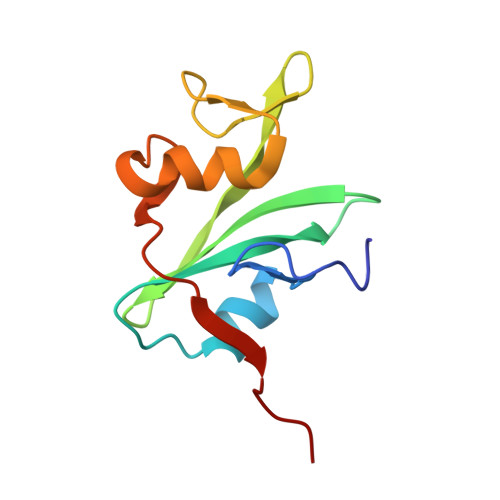
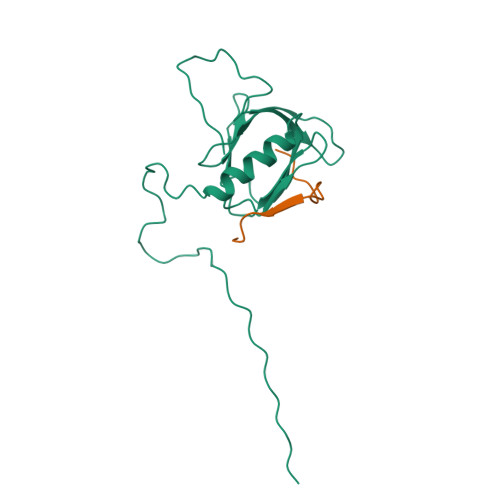
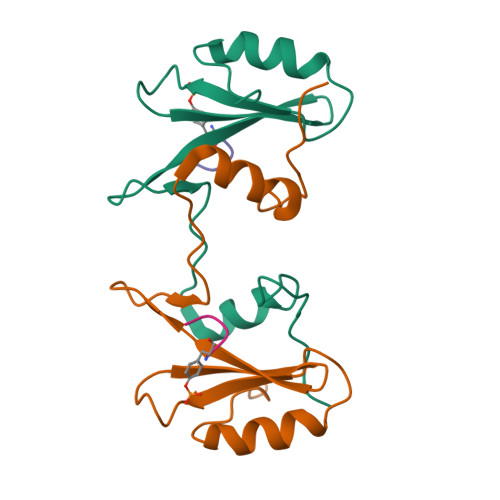
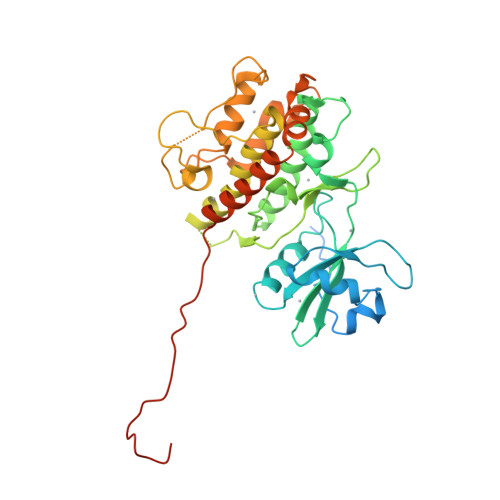
Tyrosine-protein kinase Lck structureClick to view 3D structureTyrosine-protein kinase LckP06239HumansPredicted (SEA)
Prediction Confidence Score
0.218
Applicability Domain
0.224 Low confidence
Statistical Significance
0.7345
Supporting Reference Compounds
1130
E-value
5717.79
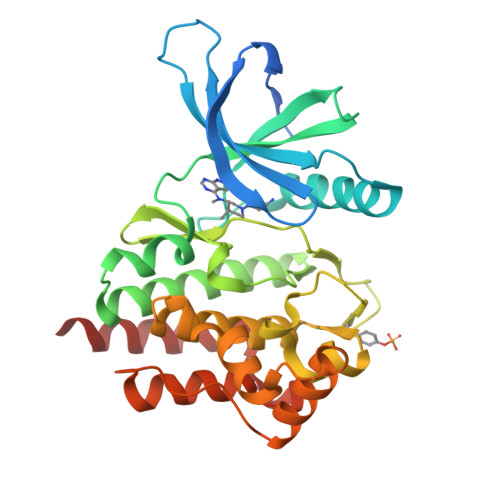
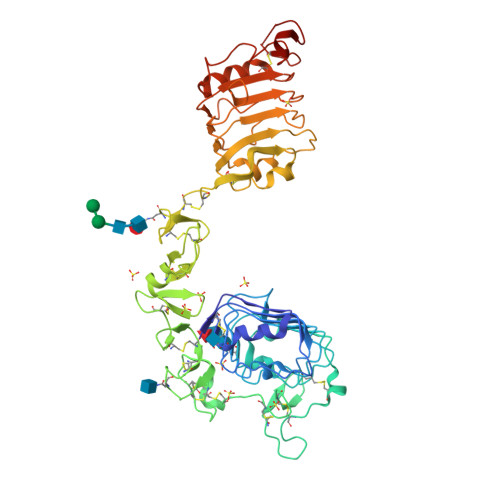
Activated CDC42 kinase 1 structureClick to view 3D structureActivated CDC42 kinase 1Q07912HumansPredicted (SEA)
Prediction Confidence Score
0.212
Applicability Domain
0.224 Low confidence
Statistical Significance
0.5592
Supporting Reference Compounds
331
E-value
4353.33
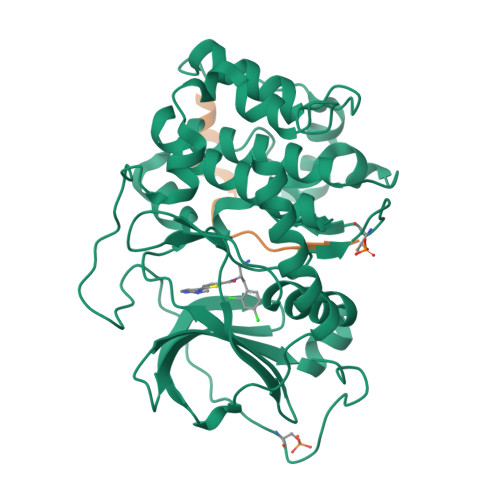
Tyrosine-protein kinase JAK3 structureClick to view 3D structureTyrosine-protein kinase JAK3P52333HumansPredicted (SEA)
Prediction Confidence Score
0.206
Applicability Domain
0.224 Low confidence
Statistical Significance
0.8048
Supporting Reference Compounds
961
E-value
6265.54
Vascular endothelial growth factor receptor 2 structureClick to view 3D structureVascular endothelial growth factor receptor 2P35968HumansPredicted (SEA)
Prediction Confidence Score
0.206
Applicability Domain
0.224 Low confidence
Statistical Significance
0.8582
Supporting Reference Compounds
1660
E-value
6681.1
Tyrosine-protein kinase ABL1 structureClick to view 3D structureTyrosine-protein kinase ABL1P00519HumansPredicted (SEA)
Prediction Confidence Score
0.202
Applicability Domain
0.224 Low confidence
Statistical Significance
0.8316
Supporting Reference Compounds
927
E-value
6474.25
Tyrosine-protein kinase BTK structureClick to view 3D structureTyrosine-protein kinase BTKQ06187HumansPredicted (SEA)
Prediction Confidence Score
0.201
Applicability Domain
0.224 Low confidence
Statistical Significance
0.8102
Supporting Reference Compounds
798
E-value
6307.27
Tyrosine-protein kinase JAK2 structureClick to view 3D structureTyrosine-protein kinase JAK2O60674HumansPredicted (SEA)
Prediction Confidence Score
0.2
Applicability Domain
0.216 Low confidence
Statistical Significance
0.8626
Supporting Reference Compounds
1022
E-value
6715.12
Non-receptor tyrosine-protein kinase TYK2 structureClick to view 3D structureNon-receptor tyrosine-protein kinase TYK2P29597HumansPredicted (SEA)
Prediction Confidence Score
0.2
Applicability Domain
0.216 Low confidence
Statistical Significance
0.7986
Supporting Reference Compounds
657
E-value
6216.88
Voltage-gated inwardly rectifying potassium channel KCNH2 structureClick to view 3D structureVoltage-gated inwardly rectifying potassium channel KCNH2Q12809HumansPredicted (SEA)
Prediction Confidence Score
0.198
Applicability Domain
0.266 Low confidence
Statistical Significance
0.95
Supporting Reference Compounds
1498
E-value
7395.91
ALK tyrosine kinase receptor structureClick to view 3D structureALK tyrosine kinase receptorQ9UM73HumansPredicted (SEA)
Prediction Confidence Score
0.195
Applicability Domain
0.216 Low confidence
Statistical Significance
0.8566
Supporting Reference Compounds
708
E-value
6668.64
Mast/stem cell growth factor receptor Kit structureClick to view 3D structureMast/stem cell growth factor receptor KitP10721HumansPredicted (SEA)
Prediction Confidence Score
0.19
Applicability Domain
0.216 Low confidence
Statistical Significance
0.8949
Supporting Reference Compounds
905
E-value
6966.49
Mitogen-activated protein kinase 1 structureClick to view 3D structureMitogen-activated protein kinase 1P28482HumansPredicted (SEA)
Prediction Confidence Score
0.189
Applicability Domain
0.216 Low confidence
Statistical Significance
0.9101
Supporting Reference Compounds
763
E-value
7085.45
Aurora kinase A structureClick to view 3D structureAurora kinase AO14965HumansPredicted (SEA)
Prediction Confidence Score
0.188
Applicability Domain
0.216 Low confidence
Statistical Significance
0.9125
Supporting Reference Compounds
996
E-value
7104.05
cAMP-dependent protein kinase catalytic subunit alpha structureClick to view 3D structurecAMP-dependent protein kinase catalytic subunit alphaP17612HumansPredicted (SEA)
Prediction Confidence Score
0.188
Applicability Domain
0.216 Low confidence
Statistical Significance
0.9
Supporting Reference Compounds
735
E-value
7006.2
Hepatocyte growth factor receptor structureClick to view 3D structureHepatocyte growth factor receptorP08581HumansPredicted (SEA)
Prediction Confidence Score
0.188
Applicability Domain
0.216 Low confidence
Statistical Significance
0.9131
Supporting Reference Compounds
934
E-value
7108.33
Insulin-like growth factor 1 receptor structureClick to view 3D structureInsulin-like growth factor 1 receptorP08069HumansPredicted (SEA)
Prediction Confidence Score
0.188
Applicability Domain
0.216 Low confidence
Statistical Significance
0.901
Supporting Reference Compounds
785
E-value
7014.45
Cyclin-dependent kinase 2 structureClick to view 3D structureCyclin-dependent kinase 2P24941HumansPredicted (SEA)
Prediction Confidence Score
0.188
Applicability Domain
0.216 Low confidence
Statistical Significance
0.9193
Supporting Reference Compounds
1029
E-value
7156.6
Insulin receptor structureClick to view 3D structureInsulin receptorP06213HumansPredicted (SEA)
Prediction Confidence Score
0.188
Applicability Domain
0.216 Low confidence
Statistical Significance
0.9114
Supporting Reference Compounds
772
E-value
7095.57
Epidermal growth factor receptor structureClick to view 3D structureEpidermal growth factor receptorP00533HumansPredicted (SEA)
Prediction Confidence Score
0.188
Applicability Domain
0.216 Low confidence
Statistical Significance
0.9438
Supporting Reference Compounds
1301
E-value
7347.1
3-phosphoinositide-dependent protein kinase 1 structureClick to view 3D structure3-phosphoinositide-dependent protein kinase 1O15530HumansPredicted (SEA)
Prediction Confidence Score
0.188
Applicability Domain
0.216 Low confidence
Statistical Significance
0.875
Supporting Reference Compounds
591
E-value
6811.65
Receptor tyrosine-protein kinase erbB-2 structureClick to view 3D structureReceptor tyrosine-protein kinase erbB-2P04626HumansPredicted (SEA)
Prediction Confidence Score
0.188
Applicability Domain
0.216 Low confidence
Statistical Significance
0.8875
Supporting Reference Compounds
674
E-value
6909.2
MAP kinase-activated protein kinase 2 structureClick to view 3D structureMAP kinase-activated protein kinase 2P49137HumansPredicted (SEA)
Prediction Confidence Score
0.188
Applicability Domain
0.216 Low confidence
Statistical Significance
0.8906
Supporting Reference Compounds
679
E-value
6933.1
Fibroblast growth factor receptor 3 structureClick to view 3D structureFibroblast growth factor receptor 3P22607HumansPredicted (SEA)
Prediction Confidence Score
0.188
Applicability Domain
0.216 Low confidence
Statistical Significance
0.8773
Supporting Reference Compounds
616
E-value
6829.95
Tyrosine-protein kinase SYK structureClick to view 3D structureTyrosine-protein kinase SYKP43405HumansPredicted (SEA)
Prediction Confidence Score
0.185
Applicability Domain
0.216 Low confidence
Statistical Significance
0.8931
Supporting Reference Compounds
625
E-value
6952.4
Mitogen-activated protein kinase 14 structureClick to view 3D structureMitogen-activated protein kinase 14Q16539HumansPredicted (SEA)
Prediction Confidence Score
0.185
Applicability Domain
0.216 Low confidence
Statistical Significance
0.9168
Supporting Reference Compounds
668
E-value
7137.37
Concentrations
Not Available
External Links
IdentifiersNot Available
References
Synthesis ReferenceNot Available
MSDSNot Available
General ReferencesNot Available