2-chloro-5-(trifluoromethyl)benzenesulfonyl chloride (CED0203715)

Record Information
Version1.0
Creation Date2026-08-23 23:38:37 UTC
Update Date2026-08-23 23:38:37 UTC
SynCED IDCED0203715
Secondary Accession Numbers
  • CHEM240754
Identification
Common Name2-chloro-5-(trifluoromethyl)benzenesulfonyl chloride
ClassSmall Molecule
Description
2-chloro-5-(trifluoromethyl)benzenesulfonyl chloride belongs to the trifluoromethylbenzenes, a subclass of benzene and substituted derivatives within the organic compounds. It is a member of the benzenoids superclass with the formula C7H3Cl2F3O2S and an average molecular weight of 279.06 g/mol.
Contaminant TypeNot Available
Chemical Structure
SynonymsNot Available
Chemical FormulaC7H3Cl2F3O2S
Average Molecular Mass279.060 g/mol
Monoisotopic Mass277.918 g/mol
CAS Registry Number54090-08-3
IUPAC NameNot Available
Traditional NameNot Available
SMILESNot Available
InChI IdentifierInChI=1S/C7H3Cl2F3O2S/c8-5-2-1-4(7(10,11)12)3-6(5)15(9,13)14/h1-3H
InChI KeyZEYKLMDPUOVUCR-UHFFFAOYSA-N
Chemical Taxonomy
ClassificationNot classified
Biological Properties
StatusDetected and Not Quantified
OriginNot Available
Cellular LocationsNot Available
Biofluid LocationsNot Available
Tissue LocationsNot Available
ApplicationsNot Available
Biological RolesNot Available
Chemical RolesNot Available
Organoleptic EffectsNot Available
Physical Properties
StateNot Available
AppearanceNot Available
Experimental Properties
PropertyValue
Melting PointNot Available
Boiling PointNot Available
SolubilityNot Available
Predicted PropertiesNot Available
Spectra
SpectraNot Available
Toxicity Profile
Toxicity Values
Toxicity ValueOrganismDose DescriptorRoute of ExposurePredicted or ExperimentalToxicity RatingReference
256.0 Log mg/kg [140:460]RatLD50oralpredictedNot AvailableNot Available
Toxicity / Toxin ClassNot Available
Mechanism of ToxicityNot Available
Carcinogenicity (IARC Classification)Not Available
Minimum Risk LevelNot Available
SymptomsNot Available
TreatmentNot Available
Health Effects
Health EffectRelationshipDirectionDescriptionReference
Exposure Sources
Source IDSourceSectorReference
CEDs000511Conductors Or Conductive Bodies Characterised By The Conductive Materials?Conductors, or conductive bodies, are materials that allow the flow of electrical current, typically made from metals such as copper, aluminum, or silver.Electrical & Electronic EquipmentPubChem
CEDs000519Electrodes?Electrodes, used in various electrical and electronic applications, can be a source of synthetic chemical contamination due to the materials from which they are constructed and the processes involved in their manufacturing.Electrical & Electronic EquipmentPubChem
CEDs000524Hybrid Capacitors?Hybrid capacitors are energy storage devices that combine the properties of electrolytic and supercapacitors, utilizing a combination of electrochemical principles to achieve higher energy density and power density.Electrical & Electronic EquipmentPubChem
CEDs000556Cigar Cigarettes?Cigar cigarettes are a source of synthetic chemical contamination due to the combustion of various tobacco blends and additives.Household cleaning & consumer productsPubChem
CEDs000563Soap Detergents?Soap detergents are synthetic surfactants designed to enhance the cleaning efficacy of water by reducing surface tension, allowing for better interaction with dirt and grease.Household cleaning & consumer productsPubChem
CEDs000569Tobacco Smoke Filters?Tobacco smoke filters are designed to reduce the inhalation of harmful substances in cigarette smoke, including tar and other particulate matter.Household cleaning & consumer productsPubChem
CEDs000580Manufacture Preparation Of Tobacco Products?The manufacture and preparation of tobacco products involve various processes that can result in the introduction of synthetic chemicals into the environment.Industrial manufacturing & chemical processingPubChem
CEDs000632Apparel?Apparel production often involves the use of various synthetic chemicals, including dyes, finishing agents, and preservatives.Textiles, leather & furnishingsPubChem
CEDs000670Solid Fire Fighting Substances?Solid fire fighting substances, such as certain types of dry chemical powders, are used in fire suppression applications to extinguish flames and prevent fire spread.Fire suppression systems & agentsPubChem
CEDs000678Nitrogenous Fertilisers?Nitrogenous fertilizers are synthetic chemical compounds primarily used to enhance plant growth by supplying essential nitrogen, a crucial nutrient for photosynthesis and protein synthesis.Agriculture & land managementPubChem
CEDs000679Phosphatic Fertilisers?Phosphatic fertilizers are synthetic chemical products primarily composed of phosphorus, which is essential for plant growth.Agriculture & land managementPubChem
CEDs000686Clay Wares?Clay wares are ceramic products made from natural clay, often utilized in various construction applications such as tiles, bricks, and sanitary ware.Building & ConstructionPubChem
CEDs000688Glass Coatings?Glass coatings are synthetic chemical formulations applied to glass surfaces to enhance properties such as durability, UV resistance, and aesthetic appeal.Building & ConstructionPubChem
CEDs000693Silica Glass?Silica glass, primarily composed of silicon dioxide (SiO2), is widely used in various applications, including windows, glass facades, and insulation materials.Building & ConstructionPubChem
CEDs000696Nanotechnology?Nanotechnology involves the manipulation of materials at the molecular or atomic level, typically within the range of 1 to 100 nanometers.Industrial manufacturing & chemical processingPubChem
CEDs000734Coating Compositions?Coating compositions, which include paints, sealants, and varnishes, are formulated with a variety of synthetic chemicals such as solvents, resins, pigments, and additives.Building & ConstructionPubChem
CEDs000735Explosives?Explosives are chemical compounds or mixtures designed to undergo rapid decomposition, releasing energy in the form of gas and heat.Defense & military infrastructurePubChem
CEDs000738Cooling Circuit Water?Cooling circuit water is utilized in various industrial processes to absorb and dissipate heat generated during operations.Industrial manufacturing & chemical processingPubChem
CEDs000739Inks?Inks are complex mixtures composed of pigments or dyes, solvents, resins, and additives used primarily for printing and writing applications.Paper, pulp & fiber productsPubChem
CEDs000740Paper?Paper production involves the processing of wood fibers and the use of various chemicals, which can lead to synthetic chemical contamination.Paper, pulp & fiber productsPubChem
CEDs000741Pigment Pastes?Pigment pastes are concentrated dispersions of pigments used to impart color and properties to materials.Paper, pulp & fiber productsPubChem
CEDs000744Water, Wastewater, & Sewage Treatment?Water, wastewater, and sewage treatment processes are critical for managing and mitigating pollutants in water systems.Wastewater, sanitation & biosolidsPubChem
Pathways
0 pathwaysPathway Source: PathBank

No pathways found

No metabolic pathways have been associated with this synthetic chemical

Targets
StructureProteinUniProt IDOrganismRelationshipDetails
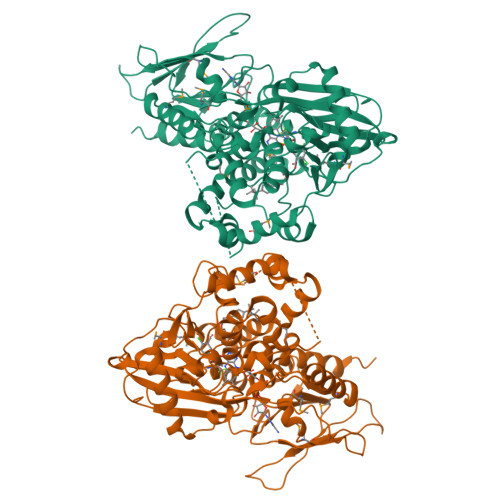
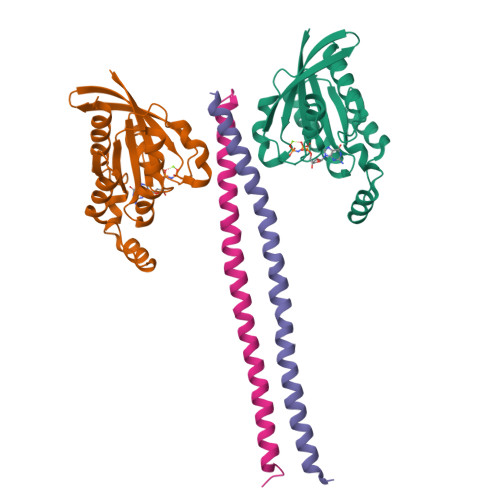
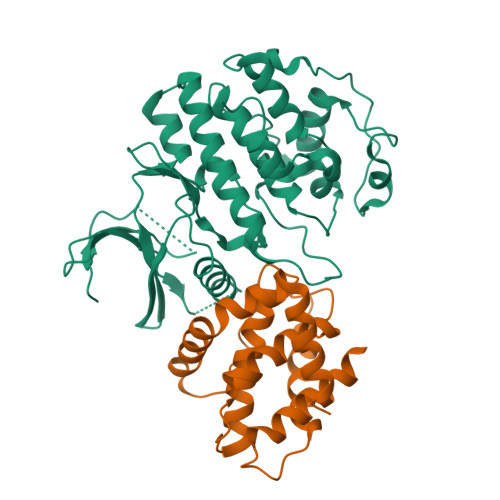
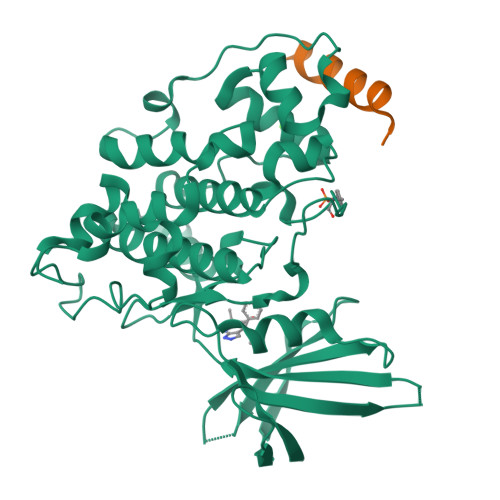
Click to view 3D structure4-hydroxyphenylpyruvate dioxygenaseO23920Daucus carotaPredicted (SEA)
Prediction Confidence Score
0.34
Applicability Domain
0.34
Statistical Significance
2.00e-05
Supporting Reference Compounds
1
E-value
0.155698
Protoporphyrinogen oxidase, mitochondrial structureClick to view 3D structureProtoporphyrinogen oxidase, mitochondrialO24164Nicotiana tabacumPredicted (SEA)
Prediction Confidence Score
0.296
Applicability Domain
0.296 Low confidence
Statistical Significance
6.70e-04
Supporting Reference Compounds
1
E-value
5.2159
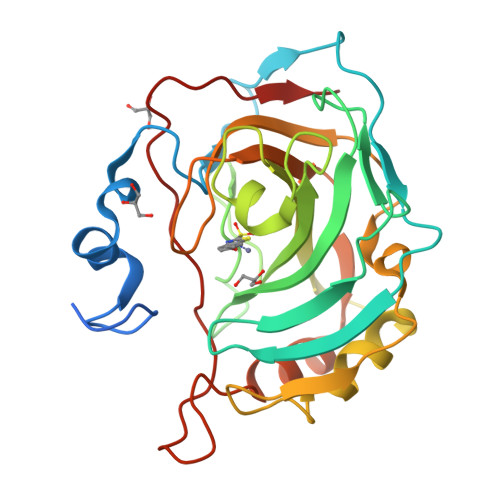
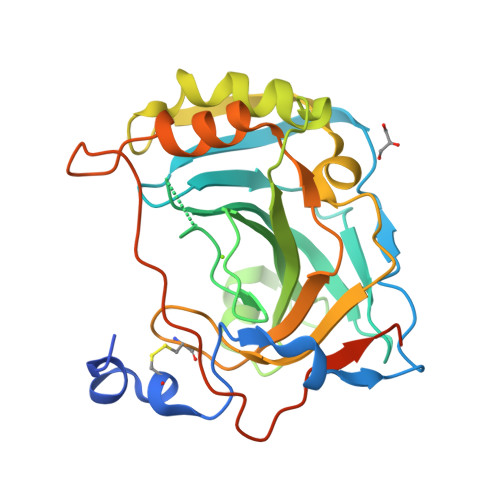
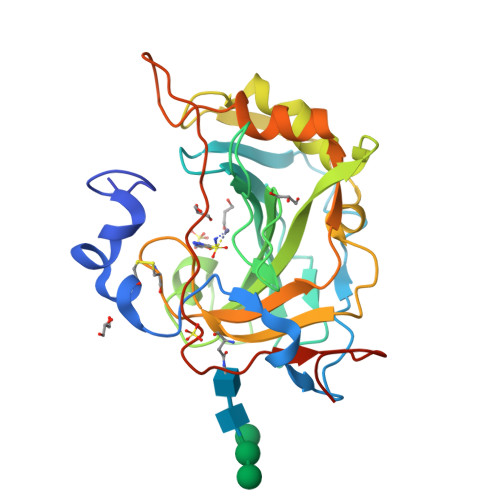
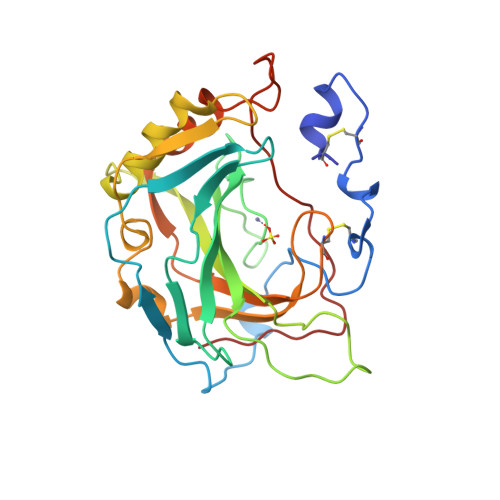
Carbonic anhydrase 2 structureClick to view 3D structureCarbonic anhydrase 2P00918HumansPredicted (SEA)
Prediction Confidence Score
0.29
Applicability Domain
0.35
Statistical Significance
0.0592
Supporting Reference Compounds
472
E-value
460.556
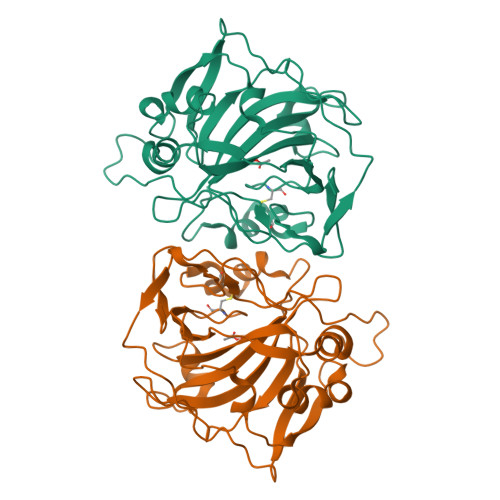
Click to view 3D structureCarbonic anhydrase 4Q95323Bos taurusPredicted (SEA)
Prediction Confidence Score
0.28
Applicability Domain
0.35
Statistical Significance
0.0136
Supporting Reference Compounds
64
E-value
106.031
Carbonic anhydrase 9 structureClick to view 3D structureCarbonic anhydrase 9Q16790HumansPredicted (SEA)
Prediction Confidence Score
0.271
Applicability Domain
0.289 Low confidence
Statistical Significance
0.0733
Supporting Reference Compounds
372
E-value
570.557
Carbonic anhydrase 1 structureClick to view 3D structureCarbonic anhydrase 1P00915HumansPredicted (SEA)
Prediction Confidence Score
0.271
Applicability Domain
0.289 Low confidence
Statistical Significance
0.0784
Supporting Reference Compounds
407
E-value
610.338
Click to view 3D structureCarbonic anhydrase 5A, mitochondrialP35218HumansPredicted (SEA)
Prediction Confidence Score
0.271
Applicability Domain
0.289 Low confidence
Statistical Significance
0.034
Supporting Reference Compounds
165
E-value
264.843
Click to view 3D structureTelomerase reverse transcriptaseQ673L6Rattus norvegicusPredicted (SEA)
Prediction Confidence Score
0.267
Applicability Domain
0.267 Low confidence
Statistical Significance
0.0012
Supporting Reference Compounds
1
E-value
9.6533
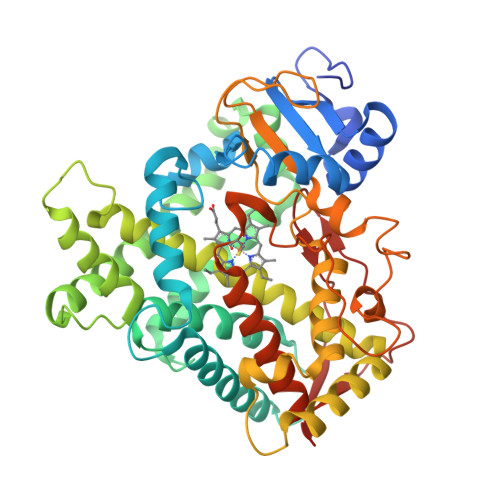
Cytochrome P450 2C9 structureClick to view 3D structureCytochrome P450 2C9P11712HumansPredicted (SEA)
Prediction Confidence Score
0.262
Applicability Domain
0.286 Low confidence
Statistical Significance
0.3834
Supporting Reference Compounds
1245
E-value
2984.74
Carbonic anhydrase 7 structureClick to view 3D structureCarbonic anhydrase 7P43166HumansPredicted (SEA)
Prediction Confidence Score
0.258
Applicability Domain
0.275 Low confidence
Statistical Significance
0.0649
Supporting Reference Compounds
242
E-value
505.319
Carbonic anhydrase 12 structureClick to view 3D structureCarbonic anhydrase 12O43570HumansPredicted (SEA)
Prediction Confidence Score
0.258
Applicability Domain
0.275 Low confidence
Statistical Significance
0.0941
Supporting Reference Compounds
332
E-value
732.95
Carbonic anhydrase 6 structureClick to view 3D structureCarbonic anhydrase 6P23280HumansPredicted (SEA)
Prediction Confidence Score
0.258
Applicability Domain
0.275 Low confidence
Statistical Significance
0.0337
Supporting Reference Compounds
151
E-value
262.508
Carbonic anhydrase 14 structureClick to view 3D structureCarbonic anhydrase 14Q9ULX7HumansPredicted (SEA)
Prediction Confidence Score
0.258
Applicability Domain
0.275 Low confidence
Statistical Significance
0.0492
Supporting Reference Compounds
172
E-value
383.407
Carbonic anhydrase 4 structureClick to view 3D structureCarbonic anhydrase 4P22748HumansPredicted (SEA)
Prediction Confidence Score
0.258
Applicability Domain
0.275 Low confidence
Statistical Significance
0.042
Supporting Reference Compounds
193
E-value
327.2
Click to view 3D structureCarbonic anhydrase 5B, mitochondrialQ9Y2D0HumansPredicted (SEA)
Prediction Confidence Score
0.258
Applicability Domain
0.275 Low confidence
Statistical Significance
0.0358
Supporting Reference Compounds
157
E-value
278.856
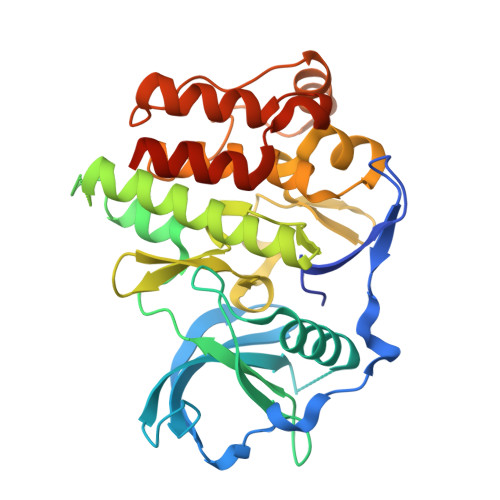
Serine/threonine-protein kinase pim-1 structureClick to view 3D structureSerine/threonine-protein kinase pim-1P11309HumansPredicted (SEA)
Prediction Confidence Score
0.256
Applicability Domain
0.271 Low confidence
Statistical Significance
0.3142
Supporting Reference Compounds
967
E-value
2446.26
Click to view 3D structureACCaseH9BT73Alopecurus japonicusPredicted (SEA)
Prediction Confidence Score
0.255
Applicability Domain
0.255 Low confidence
Statistical Significance
0.0041
Supporting Reference Compounds
1
E-value
31.9182
Receptor-type tyrosine-protein kinase FLT3 structureClick to view 3D structureReceptor-type tyrosine-protein kinase FLT3P36888HumansPredicted (SEA)
Prediction Confidence Score
0.253
Applicability Domain
0.271 Low confidence
Statistical Significance
0.3844
Supporting Reference Compounds
1274
E-value
2992.45
Serine/threonine-protein kinase Chk1 structureClick to view 3D structureSerine/threonine-protein kinase Chk1O14757HumansPredicted (SEA)
Prediction Confidence Score
0.253
Applicability Domain
0.271 Low confidence
Statistical Significance
0.3093
Supporting Reference Compounds
807
E-value
2408.03
Rho-associated protein kinase 1 structureClick to view 3D structureRho-associated protein kinase 1Q13464HumansPredicted (SEA)
Prediction Confidence Score
0.253
Applicability Domain
0.271 Low confidence
Statistical Significance
0.3195
Supporting Reference Compounds
834
E-value
2487.52
Cyclin-dependent kinase 5 structureClick to view 3D structureCyclin-dependent kinase 5Q00535HumansPredicted (SEA)
Prediction Confidence Score
0.253
Applicability Domain
0.271 Low confidence
Statistical Significance
0.3011
Supporting Reference Compounds
779
E-value
2343.73
Serine/threonine-protein kinase Nek2 structureClick to view 3D structureSerine/threonine-protein kinase Nek2P51955HumansPredicted (SEA)
Prediction Confidence Score
0.253
Applicability Domain
0.271 Low confidence
Statistical Significance
0.2783
Supporting Reference Compounds
660
E-value
2166.31
5'-AMP-activated protein kinase catalytic subunit alpha-1 structureClick to view 3D structure5'-AMP-activated protein kinase catalytic subunit alpha-1Q13131HumansPredicted (SEA)
Prediction Confidence Score
0.253
Applicability Domain
0.271 Low confidence
Statistical Significance
0.2603
Supporting Reference Compounds
596
E-value
2026.49
LIM domain kinase 1 structureClick to view 3D structureLIM domain kinase 1P53667HumansPredicted (SEA)
Prediction Confidence Score
0.253
Applicability Domain
0.271 Low confidence
Statistical Significance
0.2514
Supporting Reference Compounds
565
E-value
1957.21
Glycogen synthase kinase-3 alpha structureClick to view 3D structureGlycogen synthase kinase-3 alphaP49840HumansPredicted (SEA)
Prediction Confidence Score
0.252
Applicability Domain
0.271 Low confidence
Statistical Significance
0.3134
Supporting Reference Compounds
754
E-value
2439.48
Concentrations
Not Available
External Links
IdentifiersNot Available
References
Synthesis ReferenceNot Available
MSDSNot Available
General ReferencesNot Available