 Click to view 3D structure | ACCase | H9BT73 | Alopecurus japonicus | Predicted (SEA) | - Prediction Confidence Score
- 0.392
- Applicability Domain
- 0.392
- Statistical Significance
- 6.00e-05
- Supporting Reference Compounds
- 1
- E-value
- 0.467095
|
| Click to view 3D structure | Cyclic AMP-dependent transcription factor ATF-1 | P18846 | Humans | Predicted (SEA) | - Prediction Confidence Score
- 0.345
- Applicability Domain
- 0.375
- Statistical Significance
- 2.20e-04
- Supporting Reference Compounds
- 3
- E-value
- 1.71268
|
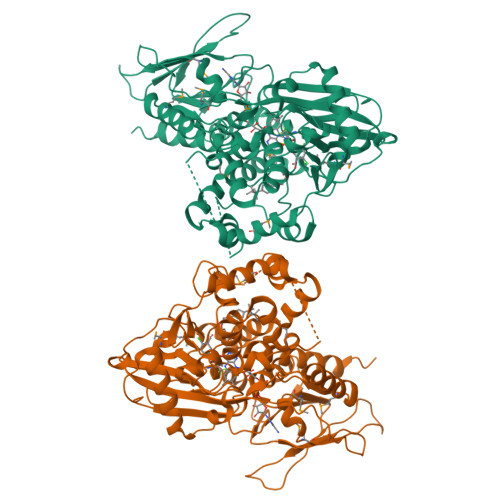 Click to view 3D structure | Protoporphyrinogen oxidase, mitochondrial | O24164 | Nicotiana tabacum | Predicted (SEA) | - Prediction Confidence Score
- 0.333
- Applicability Domain
- 0.333
- Statistical Significance
- 2.40e-04
- Supporting Reference Compounds
- 1
- E-value
- 1.86838
|
 Click to view 3D structure | Transcription factor Jun | P05412 | Humans | Predicted (SEA) | - Prediction Confidence Score
- 0.292
- Applicability Domain
- 0.413
- Statistical Significance
- 4.90e-04
- Supporting Reference Compounds
- 18
- E-value
- 3.81461
|
 Click to view 3D structure | Prostaglandin G/H synthase 2 | P35354 | Humans | Predicted (SEA) | - Prediction Confidence Score
- 0.285
- Applicability Domain
- 0.375
- Statistical Significance
- 0.0257
- Supporting Reference Compounds
- 201
- E-value
- 199.917
|
 Click to view 3D structure | Aspartyl/asparaginyl beta-hydroxylase | Q12797 | Humans | Predicted (SEA) | - Prediction Confidence Score
- 0.285
- Applicability Domain
- 0.447
- Statistical Significance
- 0.0022
- Supporting Reference Compounds
- 17
- E-value
- 17.049
|
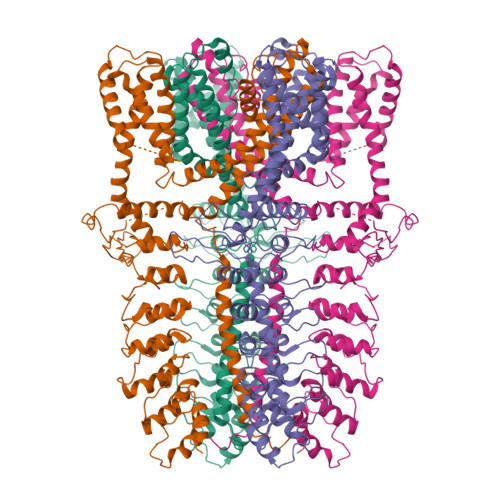 Click to view 3D structure | Transient receptor potential cation channel subfamily A member 1 | O75762 | Humans | Predicted (SEA) | - Prediction Confidence Score
- 0.283
- Applicability Domain
- 0.348
- Statistical Significance
- 0.0024
- Supporting Reference Compounds
- 70
- E-value
- 18.8395
|
 Click to view 3D structure | Exportin-1 | O14980 | Humans | Predicted (SEA) | - Prediction Confidence Score
- 0.283
- Applicability Domain
- 0.375
- Statistical Significance
- 0.0021
- Supporting Reference Compounds
- 9
- E-value
- 16.6597
|
| Click to view 3D structure | Advanced glycosylation end product-specific receptor | Q63495 | Rattus norvegicus | Predicted (SEA) | - Prediction Confidence Score
- 0.282
- Applicability Domain
- 0.282 Low confidence
- Statistical Significance
- 6.30e-04
- Supporting Reference Compounds
- 1
- E-value
- 4.9045
|
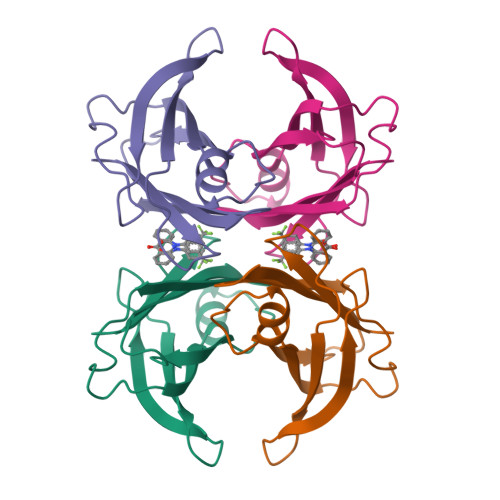 Click to view 3D structure | Transthyretin | P02766 | Humans | Predicted (SEA) | - Prediction Confidence Score
- 0.279
- Applicability Domain
- 0.375
- Statistical Significance
- 0.0061
- Supporting Reference Compounds
- 55
- E-value
- 47.2545
|
 Click to view 3D structure | Vascular endothelial growth factor receptor 2 | P35968 | Humans | Predicted (SEA) | - Prediction Confidence Score
- 0.275
- Applicability Domain
- 0.313
- Statistical Significance
- 0.2582
- Supporting Reference Compounds
- 1660
- E-value
- 2009.99
|
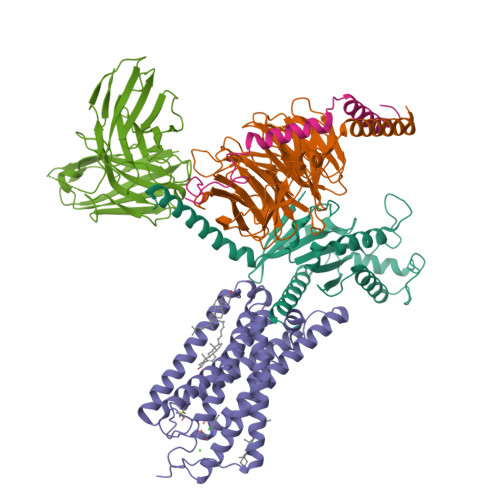 Click to view 3D structure | G-protein coupled receptor 35 | Q9HC97 | Humans | Predicted (SEA) | - Prediction Confidence Score
- 0.274
- Applicability Domain
- 0.375
- Statistical Significance
- 0.0094
- Supporting Reference Compounds
- 115
- E-value
- 72.8669
|
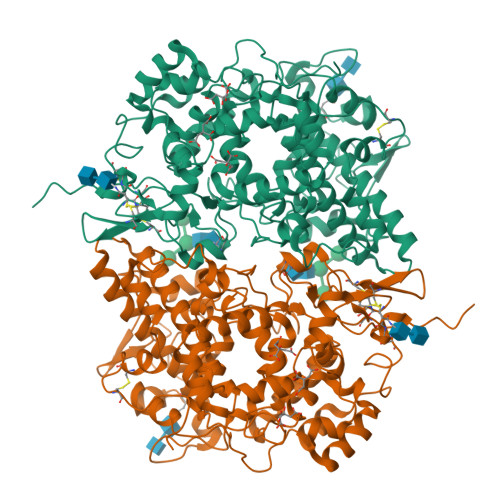 Click to view 3D structure | Prostaglandin G/H synthase 1 | P23219 | Humans | Predicted (SEA) | - Prediction Confidence Score
- 0.273
- Applicability Domain
- 0.375
- Statistical Significance
- 0.023
- Supporting Reference Compounds
- 136
- E-value
- 178.742
|
 Click to view 3D structure | Nicotinate phosphoribosyltransferase | Q6XQN6 | Humans | Predicted (SEA) | - Prediction Confidence Score
- 0.272
- Applicability Domain
- 0.348
- Statistical Significance
- 0.0016
- Supporting Reference Compounds
- 12
- E-value
- 12.4559
|
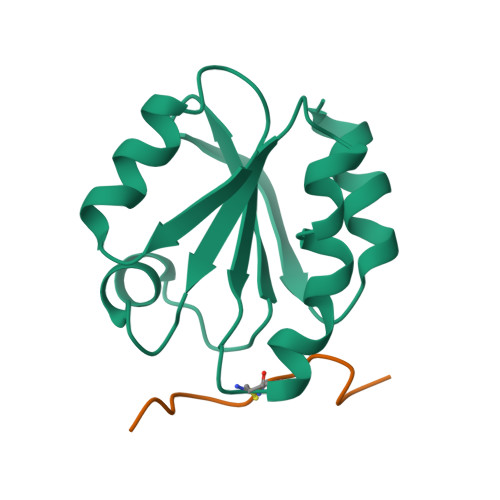 Click to view 3D structure | Nuclear factor NF-kappa-B p105 subunit | P19838 | Humans | Predicted (SEA) | - Prediction Confidence Score
- 0.272
- Applicability Domain
- 0.375
- Statistical Significance
- 0.0018
- Supporting Reference Compounds
- 18
- E-value
- 14.2464
|
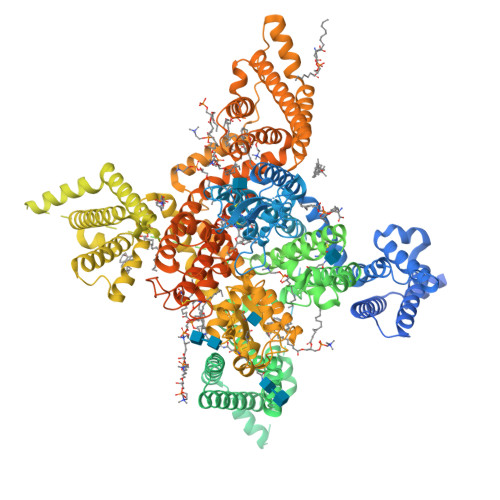 Click to view 3D structure | Sodium channel protein type 10 subunit alpha | Q9Y5Y9 | Humans | Predicted (SEA) | - Prediction Confidence Score
- 0.271
- Applicability Domain
- 0.313
- Statistical Significance
- 0.0087
- Supporting Reference Compounds
- 38
- E-value
- 67.8845
|
 Click to view 3D structure | Mitogen-activated protein kinase 1 | P28482 | Humans | Predicted (SEA) | - Prediction Confidence Score
- 0.27
- Applicability Domain
- 0.313
- Statistical Significance
- 0.1867
- Supporting Reference Compounds
- 763
- E-value
- 1453.44
|
 Click to view 3D structure | MAP kinase-activated protein kinase 3 | Q16644 | Humans | Predicted (SEA) | - Prediction Confidence Score
- 0.27
- Applicability Domain
- 0.313
- Statistical Significance
- 0.1371
- Supporting Reference Compounds
- 503
- E-value
- 1067.08
|
| Click to view 3D structure | P2X purinoceptor 7 | Q99572 | Humans | Predicted (SEA) | - Prediction Confidence Score
- 0.27
- Applicability Domain
- 0.313
- Statistical Significance
- 0.0062
- Supporting Reference Compounds
- 52
- E-value
- 47.9551
|
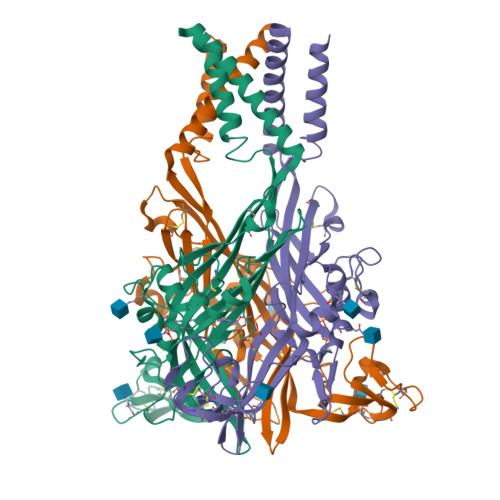 Click to view 3D structure | P2X purinoceptor 1 | P51575 | Humans | Predicted (SEA) | - Prediction Confidence Score
- 0.27
- Applicability Domain
- 0.313
- Statistical Significance
- 0.0087
- Supporting Reference Compounds
- 35
- E-value
- 67.4953
|
| Click to view 3D structure | DNA damage-inducible transcript 3 protein | P35639 | Mus musculus | Predicted (SEA) | - Prediction Confidence Score
- 0.269
- Applicability Domain
- 0.375
- Statistical Significance
- 0.0324
- Supporting Reference Compounds
- 226
- E-value
- 252.154
|
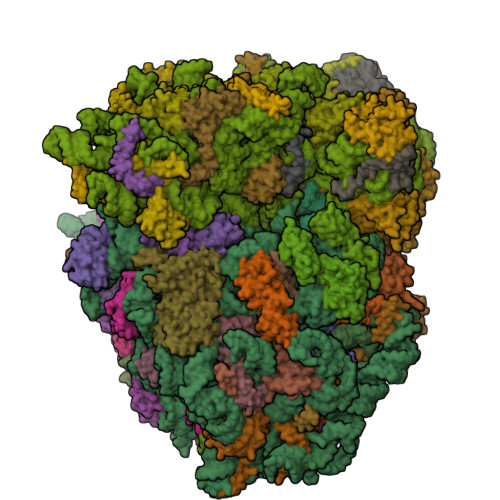 Click to view 3D structure | X-box-binding protein 1 | P17861 | Humans | Predicted (SEA) | - Prediction Confidence Score
- 0.269
- Applicability Domain
- 0.375
- Statistical Significance
- 0.0324
- Supporting Reference Compounds
- 227
- E-value
- 252.154
|
 Click to view 3D structure | Mitogen-activated protein kinase 14 | Q16539 | Humans | Predicted (SEA) | - Prediction Confidence Score
- 0.269
- Applicability Domain
- 0.3
- Statistical Significance
- 0.1868
- Supporting Reference Compounds
- 668
- E-value
- 1454.07
|
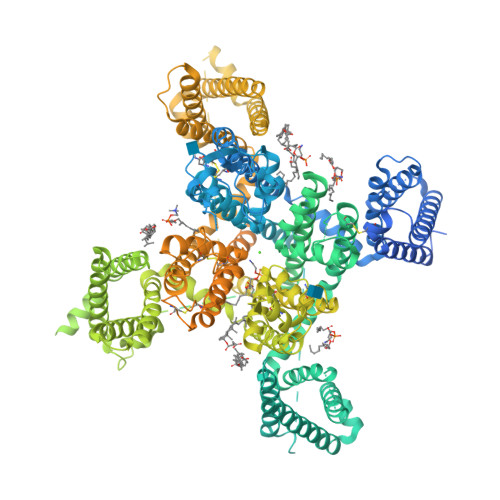 Click to view 3D structure | Voltage-dependent T-type calcium channel subunit alpha-1H | O95180 | Humans | Predicted (SEA) | - Prediction Confidence Score
- 0.269
- Applicability Domain
- 0.375
- Statistical Significance
- 0.0184
- Supporting Reference Compounds
- 90
- E-value
- 143.32
|
 Click to view 3D structure | Tyrosine-protein kinase JAK2 | O60674 | Humans | Predicted (SEA) | - Prediction Confidence Score
- 0.266
- Applicability Domain
- 0.34
- Statistical Significance
- 0.2645
- Supporting Reference Compounds
- 1022
- E-value
- 2059.19
|

