 Click to view 3D structure | Voltage-gated inwardly rectifying potassium channel KCNH2 | Q12809 | Humans | Predicted (SEA) | - Prediction Confidence Score
- 0.244
- Applicability Domain
- 0.277 Low confidence
- Statistical Significance
- 0.6188
- Supporting Reference Compounds
- 1498
- E-value
- 4817.54
|
 Click to view 3D structure | Advanced glycosylation end product-specific receptor | Q63495 | Rattus norvegicus | Predicted (SEA) | - Prediction Confidence Score
- 0.237
- Applicability Domain
- 0.237 Low confidence
- Statistical Significance
- 0.0035
- Supporting Reference Compounds
- 1
- E-value
- 27.6365
|
| Click to view 3D structure | 3',5'-cyclic-AMP phosphodiesterase 4A | O89085 | Cavia porcellus | Predicted (SEA) | - Prediction Confidence Score
- 0.234
- Applicability Domain
- 0.234 Low confidence
- Statistical Significance
- 0.0026
- Supporting Reference Compounds
- 1
- E-value
- 20.3965
|
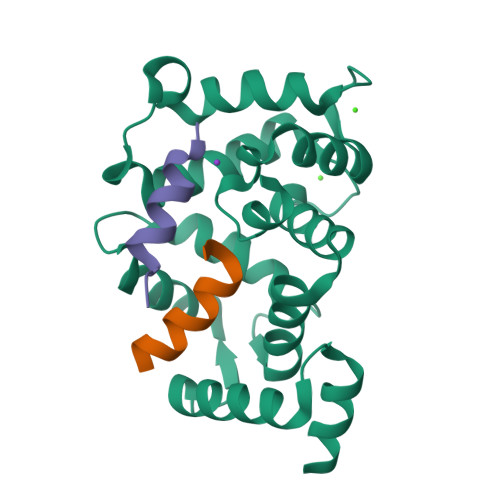 Click to view 3D structure | D(2) dopamine receptor | P14416 | Humans | Predicted (SEA) | - Prediction Confidence Score
- 0.234
- Applicability Domain
- 0.315
- Statistical Significance
- 0.4604
- Supporting Reference Compounds
- 1103
- E-value
- 3584.26
|
 Click to view 3D structure | Cytochrome P450 1A2 | P05177 | Humans | Predicted (SEA) | - Prediction Confidence Score
- 0.233
- Applicability Domain
- 0.308
- Statistical Significance
- 0.5579
- Supporting Reference Compounds
- 793
- E-value
- 4343.29
|
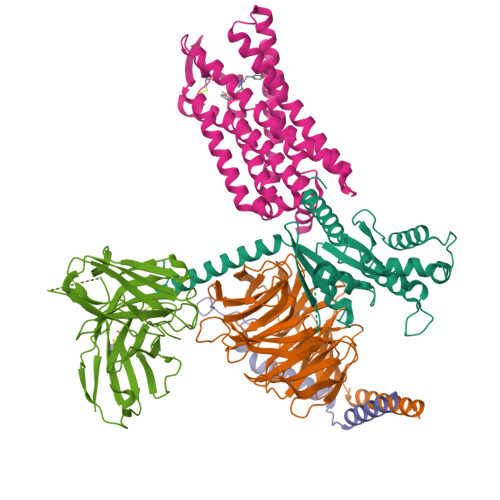 Click to view 3D structure | C-C chemokine receptor type 8 | P51685 | Humans | Predicted (SEA) | - Prediction Confidence Score
- 0.232
- Applicability Domain
- 0.281 Low confidence
- Statistical Significance
- 0.0084
- Supporting Reference Compounds
- 17
- E-value
- 65.7826
|
| Click to view 3D structure | Nonstructural protein 1 | Q194T2 | Influenza A virus | Predicted (SEA) | - Prediction Confidence Score
- 0.231
- Applicability Domain
- 0.281 Low confidence
- Statistical Significance
- 0.0402
- Supporting Reference Compounds
- 104
- E-value
- 312.642
|
 Click to view 3D structure | Androgen receptor | P10275 | Humans | Predicted (SEA) | - Prediction Confidence Score
- 0.228
- Applicability Domain
- 0.255 Low confidence
- Statistical Significance
- 0.0929
- Supporting Reference Compounds
- 146
- E-value
- 723.297
|
 Click to view 3D structure | Cytochrome P450 3A4 | P08684 | Humans | Predicted (SEA) | - Prediction Confidence Score
- 0.228
- Applicability Domain
- 0.281 Low confidence
- Statistical Significance
- 0.7922
- Supporting Reference Compounds
- 1538
- E-value
- 6167.29
|
 Click to view 3D structure | Glycogen synthase kinase-3 beta | P49841 | Humans | Predicted (SEA) | - Prediction Confidence Score
- 0.225
- Applicability Domain
- 0.25 Low confidence
- Statistical Significance
- 0.6566
- Supporting Reference Compounds
- 1157
- E-value
- 5111.35
|
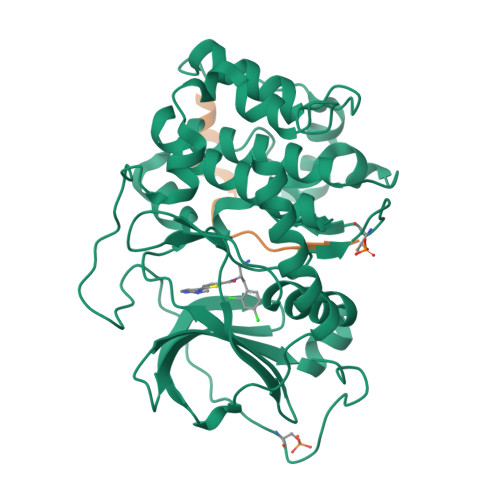 Click to view 3D structure | cAMP-dependent protein kinase catalytic subunit alpha | P17612 | Humans | Predicted (SEA) | - Prediction Confidence Score
- 0.225
- Applicability Domain
- 0.25 Low confidence
- Statistical Significance
- 0.5525
- Supporting Reference Compounds
- 735
- E-value
- 4301.17
|
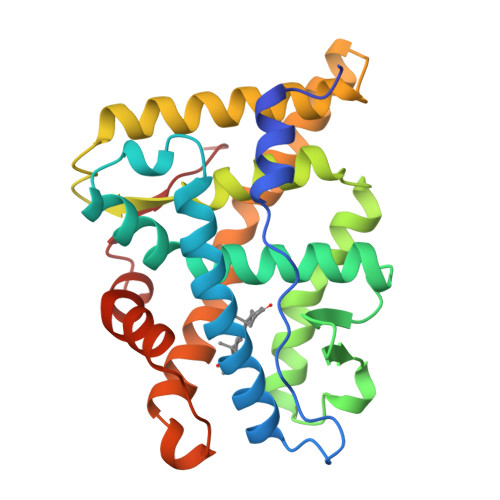 Click to view 3D structure | Progesterone receptor | P06401 | Humans | Predicted (SEA) | - Prediction Confidence Score
- 0.225
- Applicability Domain
- 0.255 Low confidence
- Statistical Significance
- 0.0833
- Supporting Reference Compounds
- 119
- E-value
- 648.25
|
 Click to view 3D structure | Serine/threonine-protein kinase pim-1 | P11309 | Humans | Predicted (SEA) | - Prediction Confidence Score
- 0.222
- Applicability Domain
- 0.25 Low confidence
- Statistical Significance
- 0.6454
- Supporting Reference Compounds
- 967
- E-value
- 5024.7
|
 Click to view 3D structure | 5-hydroxytryptamine receptor 1A | P08908 | Humans | Predicted (SEA) | - Prediction Confidence Score
- 0.221
- Applicability Domain
- 0.291 Low confidence
- Statistical Significance
- 0.5696
- Supporting Reference Compounds
- 953
- E-value
- 4434.68
|
 Click to view 3D structure | Androgen receptor | P15207 | Rattus norvegicus | Predicted (SEA) | - Prediction Confidence Score
- 0.221
- Applicability Domain
- 0.23 Low confidence
- Statistical Significance
- 0.0265
- Supporting Reference Compounds
- 73
- E-value
- 206.223
|
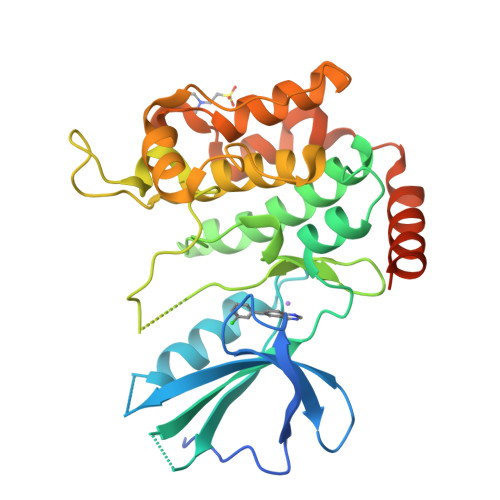 Click to view 3D structure | Mitogen-activated protein kinase kinase kinase kinase 4 | O95819 | Humans | Predicted (SEA) | - Prediction Confidence Score
- 0.22
- Applicability Domain
- 0.25 Low confidence
- Statistical Significance
- 0.6106
- Supporting Reference Compounds
- 714
- E-value
- 4753.47
|
 Click to view 3D structure | Tegument protein VP16 | P06492 | Herpes simplex virus (type 1 / strain 17) | Predicted (SEA) | - Prediction Confidence Score
- 0.22
- Applicability Domain
- 0.362
- Statistical Significance
- 0.1035
- Supporting Reference Compounds
- 75
- E-value
- 805.739
|
 Click to view 3D structure | Tyrosine-protein kinase JAK2 | O60674 | Humans | Predicted (SEA) | - Prediction Confidence Score
- 0.219
- Applicability Domain
- 0.25 Low confidence
- Statistical Significance
- 0.6924
- Supporting Reference Compounds
- 1022
- E-value
- 5390.2
|
| Click to view 3D structure | ATP-dependent molecular chaperone HSP82 | C4YTQ8 | Candida albicans (strain WO-1) (Yeast) | Predicted (SEA) | - Prediction Confidence Score
- 0.219
- Applicability Domain
- 0.265 Low confidence
- Statistical Significance
- 0.2228
- Supporting Reference Compounds
- 205
- E-value
- 1734.17
|
 Click to view 3D structure | Cytochrome P450 2D6 | P10635 | Humans | Predicted (SEA) | - Prediction Confidence Score
- 0.219
- Applicability Domain
- 0.237 Low confidence
- Statistical Significance
- 0.798
- Supporting Reference Compounds
- 1130
- E-value
- 6212.06
|
 Click to view 3D structure | C-C chemokine receptor type 1 | P32246 | Humans | Predicted (SEA) | - Prediction Confidence Score
- 0.219
- Applicability Domain
- 0.281 Low confidence
- Statistical Significance
- 0.0817
- Supporting Reference Compounds
- 54
- E-value
- 636.184
|
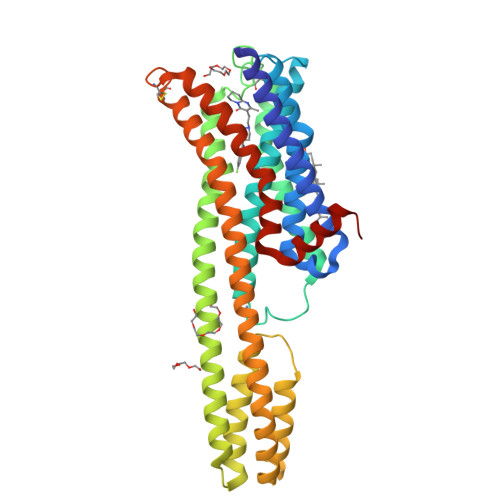 Click to view 3D structure | 5-hydroxytryptamine receptor 2A | P28223 | Humans | Predicted (SEA) | - Prediction Confidence Score
- 0.218
- Applicability Domain
- 0.291 Low confidence
- Statistical Significance
- 0.6352
- Supporting Reference Compounds
- 955
- E-value
- 4944.98
|
| Click to view 3D structure | Microsomal prostaglandin E synthase-1 | Q2TJZ7 | Sus scrofa | Predicted (SEA) | - Prediction Confidence Score
- 0.218
- Applicability Domain
- 0.218 Low confidence
- Statistical Significance
- 0.0023
- Supporting Reference Compounds
- 1
- E-value
- 18.2946
|
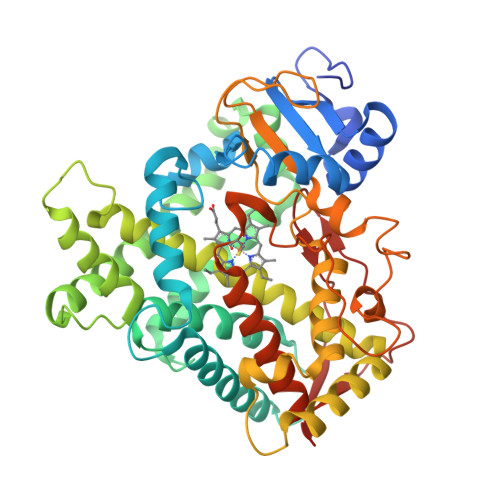 Click to view 3D structure | Cytochrome P450 2C9 | P11712 | Humans | Predicted (SEA) | - Prediction Confidence Score
- 0.218
- Applicability Domain
- 0.229 Low confidence
- Statistical Significance
- 0.84
- Supporting Reference Compounds
- 1245
- E-value
- 6539.26
|
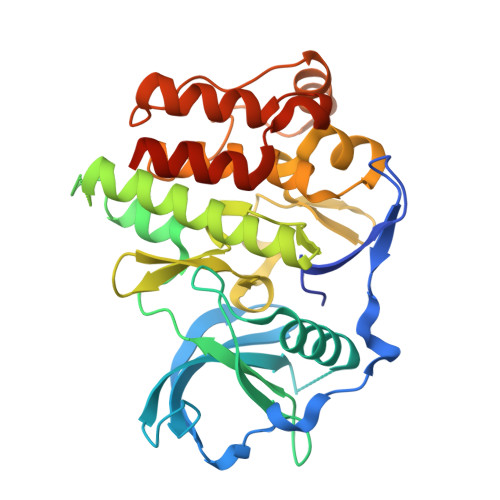 Click to view 3D structure | Receptor-type tyrosine-protein kinase FLT3 | P36888 | Humans | Predicted (SEA) | - Prediction Confidence Score
- 0.217
- Applicability Domain
- 0.25 Low confidence
- Statistical Significance
- 0.7377
- Supporting Reference Compounds
- 1274
- E-value
- 5742.7
|

