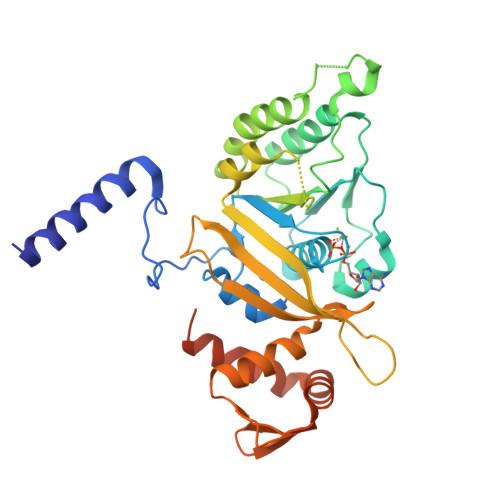
 Click to view 3D structure | Protein RecA | P9WHJ3 | Mycobacterium tuberculosis | Predicted (SEA) | - Prediction Confidence Score
- 0.291
- Applicability Domain
- 0.319
- Statistical Significance
- 0.0163
- Supporting Reference Compounds
- 296
- E-value
- 126.816
|
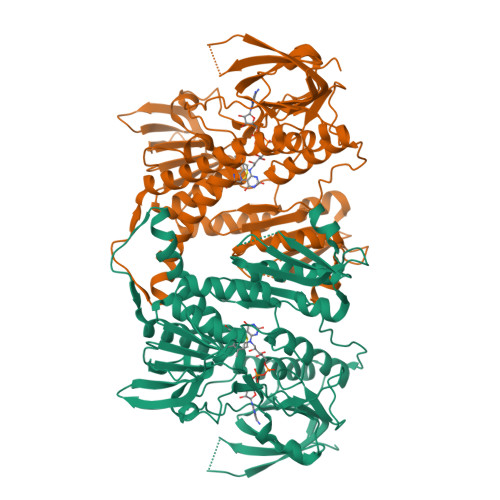 Click to view 3D structure | Thioredoxin reductase | P61076 | Plasmodium falciparum 3D7 | Predicted (SEA) | - Prediction Confidence Score
- 0.289
- Applicability Domain
- 0.289 Low confidence
- Statistical Significance
- 1.30e-04
- Supporting Reference Compounds
- 1
- E-value
- 1.01204
|
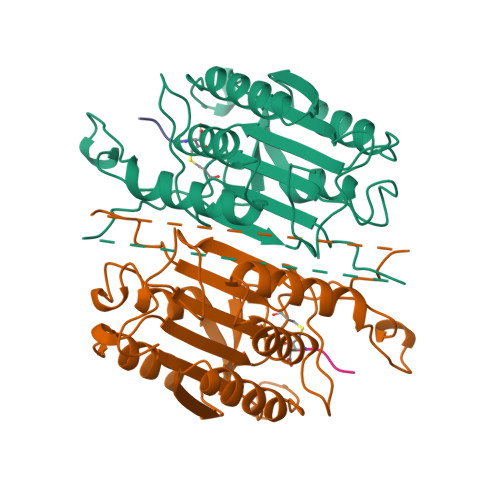 Click to view 3D structure | Caspase-3 | P42574 | Humans | Predicted (SEA) | - Prediction Confidence Score
- 0.289
- Applicability Domain
- 0.349
- Statistical Significance
- 0.0168
- Supporting Reference Compounds
- 125
- E-value
- 130.709
|
 Click to view 3D structure | Tyrosine-protein kinase JAK3 | P52333 | Humans | Predicted (SEA) | - Prediction Confidence Score
- 0.287
- Applicability Domain
- 0.321
- Statistical Significance
- 0.1569
- Supporting Reference Compounds
- 961
- E-value
- 1221.38
|
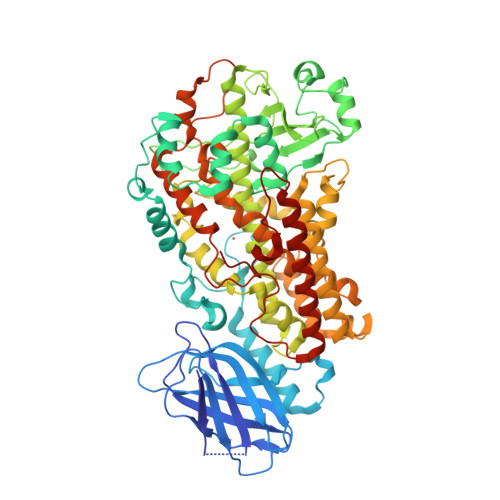 Click to view 3D structure | Polyunsaturated fatty acid 5-lipoxygenase | P09917 | Humans | Predicted (SEA) | - Prediction Confidence Score
- 0.286
- Applicability Domain
- 0.321
- Statistical Significance
- 0.0185
- Supporting Reference Compounds
- 182
- E-value
- 144.099
|
 Click to view 3D structure | Mitogen-activated protein kinase 14 | Q16539 | Humans | Predicted (SEA) | - Prediction Confidence Score
- 0.286
- Applicability Domain
- 0.321
- Statistical Significance
- 0.1215
- Supporting Reference Compounds
- 668
- E-value
- 945.79
|
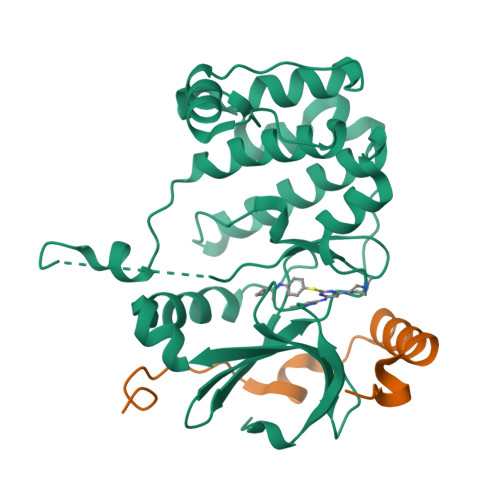 Click to view 3D structure | Aurora kinase B | Q96GD4 | Humans | Predicted (SEA) | - Prediction Confidence Score
- 0.285
- Applicability Domain
- 0.321
- Statistical Significance
- 0.1614
- Supporting Reference Compounds
- 1017
- E-value
- 1256.88
|
 Click to view 3D structure | Arylsulfatase | P51691 | Pseudomonas aeruginosa (strain ATCC 15692 / PAO1 / 1C / PRS 101 / LMG 12228) | Predicted (SEA) | - Prediction Confidence Score
- 0.283
- Applicability Domain
- 0.283 Low confidence
- Statistical Significance
- 0.0014
- Supporting Reference Compounds
- 1
- E-value
- 11.2881
|
 Click to view 3D structure | Streptokinase A | P10520 | Streptococcus pyogenes serotype M1 | Predicted (SEA) | - Prediction Confidence Score
- 0.282
- Applicability Domain
- 0.298 Low confidence
- Statistical Significance
- 0.0415
- Supporting Reference Compounds
- 425
- E-value
- 323.23
|
 Click to view 3D structure | Serine/threonine-protein kinase PAK 4 | O96013 | Humans | Predicted (SEA) | - Prediction Confidence Score
- 0.28
- Applicability Domain
- 0.304
- Statistical Significance
- 0.1442
- Supporting Reference Compounds
- 728
- E-value
- 1122.43
|
 Click to view 3D structure | Tyrosine-protein kinase Lck | P06239 | Humans | Predicted (SEA) | - Prediction Confidence Score
- 0.28
- Applicability Domain
- 0.304
- Statistical Significance
- 0.204
- Supporting Reference Compounds
- 1130
- E-value
- 1588.12
|
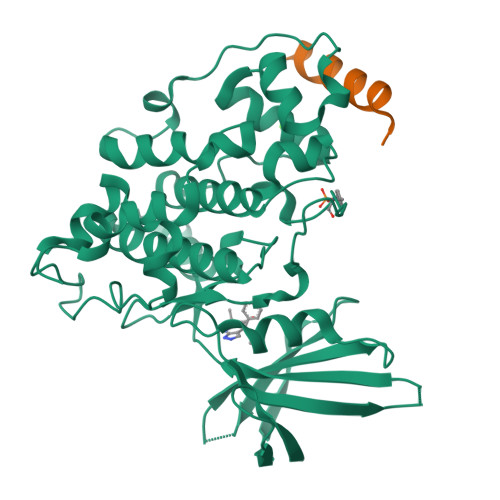 Click to view 3D structure | Glycogen synthase kinase-3 alpha | P49840 | Humans | Predicted (SEA) | - Prediction Confidence Score
- 0.28
- Applicability Domain
- 0.304
- Statistical Significance
- 0.1546
- Supporting Reference Compounds
- 754
- E-value
- 1203.47
|
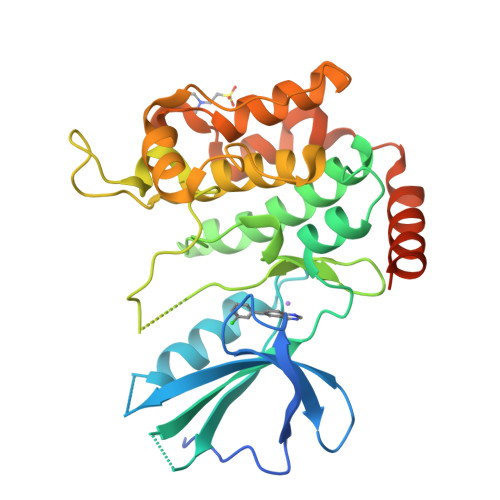 Click to view 3D structure | Mitogen-activated protein kinase kinase kinase kinase 4 | O95819 | Humans | Predicted (SEA) | - Prediction Confidence Score
- 0.28
- Applicability Domain
- 0.304
- Statistical Significance
- 0.1499
- Supporting Reference Compounds
- 714
- E-value
- 1166.73
|
| Click to view 3D structure | Serine/threonine-protein kinase TAO1 | Q7L7X3 | Humans | Predicted (SEA) | - Prediction Confidence Score
- 0.28
- Applicability Domain
- 0.304
- Statistical Significance
- 0.1334
- Supporting Reference Compounds
- 620
- E-value
- 1038.2
|
 Click to view 3D structure | Induced myeloid leukemia cell differentiation protein Mcl-1 | Q07820 | Humans | Predicted (SEA) | - Prediction Confidence Score
- 0.279
- Applicability Domain
- 0.305
- Statistical Significance
- 0.0366
- Supporting Reference Compounds
- 343
- E-value
- 285.317
|
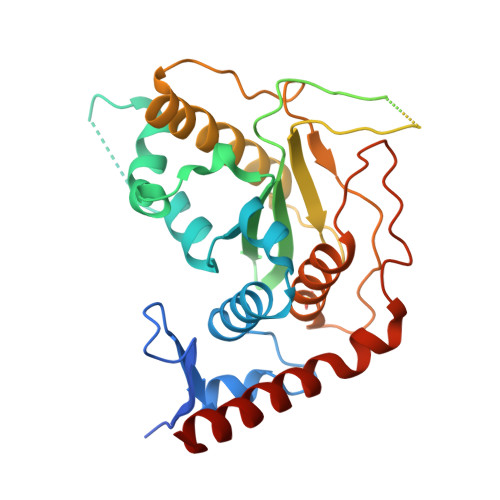 Click to view 3D structure | Sentrin-specific protease 7 | Q9BQF6 | Humans | Predicted (SEA) | - Prediction Confidence Score
- 0.279
- Applicability Domain
- 0.435
- Statistical Significance
- 0.0238
- Supporting Reference Compounds
- 118
- E-value
- 185.437
|
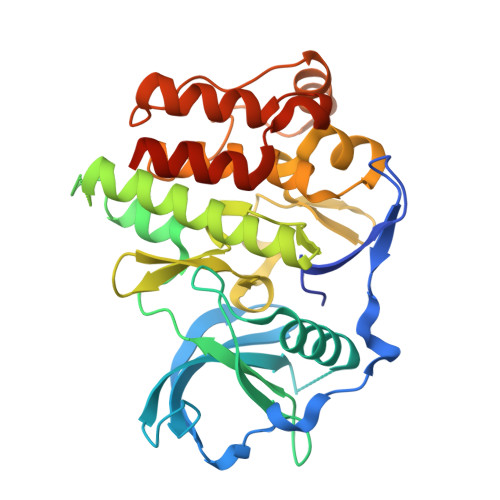 Click to view 3D structure | Receptor-type tyrosine-protein kinase FLT3 | P36888 | Humans | Predicted (SEA) | - Prediction Confidence Score
- 0.275
- Applicability Domain
- 0.316
- Statistical Significance
- 0.2297
- Supporting Reference Compounds
- 1274
- E-value
- 1788.04
|
 Click to view 3D structure | Glycogen synthase kinase-3 beta | P49841 | Humans | Predicted (SEA) | - Prediction Confidence Score
- 0.274
- Applicability Domain
- 0.304
- Statistical Significance
- 0.2325
- Supporting Reference Compounds
- 1157
- E-value
- 1810.15
|
 Click to view 3D structure | Endolysin | P00720 | Enterobacteria phage T4 | Predicted (SEA) | - Prediction Confidence Score
- 0.333
- Applicability Domain
- 0.333
- Statistical Significance
- 4.80e-04
- Supporting Reference Compounds
- 1
- E-value
- 3.73676
|
| Click to view 3D structure | ATP-dependent molecular chaperone HSP82 | C4YTQ8 | Candida albicans (strain WO-1) (Yeast) | Predicted (SEA) | - Prediction Confidence Score
- 0.325
- Applicability Domain
- 0.404
- Statistical Significance
- 0.0039
- Supporting Reference Compounds
- 205
- E-value
- 30.7504
|
 Click to view 3D structure | Serine/threonine-protein kinase Chk1 | O14757 | Humans | Predicted (SEA) | - Prediction Confidence Score
- 0.313
- Applicability Domain
- 0.417
- Statistical Significance
- 0.069
- Supporting Reference Compounds
- 807
- E-value
- 537.004
|
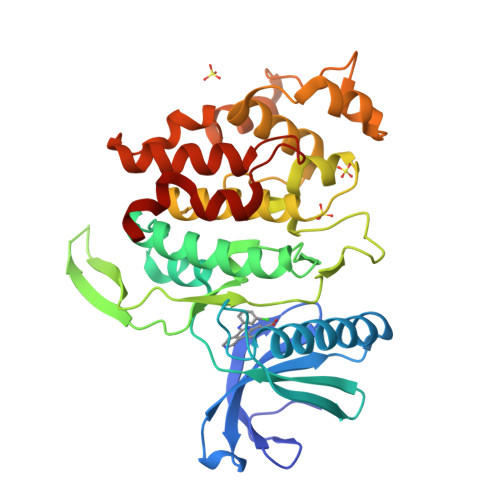 Click to view 3D structure | Dual specificity protein kinase CLK4 | Q9HAZ1 | Humans | Predicted (SEA) | - Prediction Confidence Score
- 0.313
- Applicability Domain
- 0.417
- Statistical Significance
- 0.0663
- Supporting Reference Compounds
- 742
- E-value
- 516.452
|
 Click to view 3D structure | LIM domain kinase 1 | P53667 | Humans | Predicted (SEA) | - Prediction Confidence Score
- 0.307
- Applicability Domain
- 0.417
- Statistical Significance
- 0.0589
- Supporting Reference Compounds
- 565
- E-value
- 458.61
|
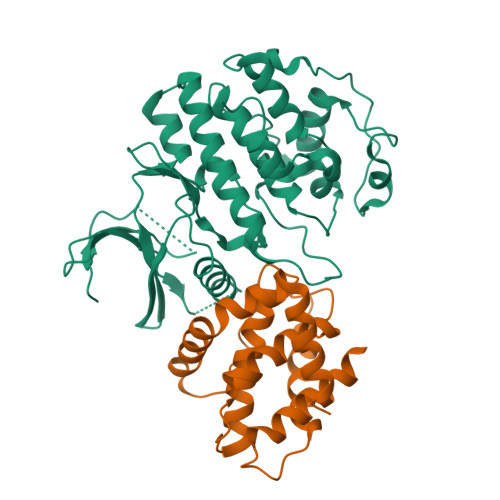 Click to view 3D structure | Cyclin-dependent kinase 5 | Q00535 | Humans | Predicted (SEA) | - Prediction Confidence Score
- 0.304
- Applicability Domain
- 0.417
- Statistical Significance
- 0.0814
- Supporting Reference Compounds
- 779
- E-value
- 633.381
|
 Click to view 3D structure | Serine/threonine-protein kinase pim-1 | P11309 | Humans | Predicted (SEA) | - Prediction Confidence Score
- 0.294
- Applicability Domain
- 0.321
- Statistical Significance
- 0.1225
- Supporting Reference Compounds
- 967
- E-value
- 953.887
|

