 Click to view 3D structure | Muscarinic acetylcholine receptor M2 | P08172 | Humans | Predicted (SEA) | - Prediction Confidence Score
- 0.224
- Applicability Domain
- 0.225 Low confidence
- Statistical Significance
- 0.3567
- Supporting Reference Compounds
- 373
- E-value
- 2777.12
|
 Click to view 3D structure | D(2) dopamine receptor | P61169 | Rat | Predicted (SEA) | - Prediction Confidence Score
- 0.224
- Applicability Domain
- 0.27 Low confidence
- Statistical Significance
- 0.3498
- Supporting Reference Compounds
- 528
- E-value
- 2723.48
|
 Click to view 3D structure | Voltage-gated inwardly rectifying potassium channel KCNH2 | Q12809 | Humans | Predicted (SEA) | - Prediction Confidence Score
- 0.223
- Applicability Domain
- 0.25 Low confidence
- Statistical Significance
- 0.8293
- Supporting Reference Compounds
- 1498
- E-value
- 6456.27
|
 Click to view 3D structure | Carbonic anhydrase 2 | P00918 | Humans | Predicted (SEA) | - Prediction Confidence Score
- 0.299
- Applicability Domain
- 0.346
- Statistical Significance
- 0.0469
- Supporting Reference Compounds
- 472
- E-value
- 365.113
|
 Click to view 3D structure | Carbonic anhydrase 1 | P00915 | Humans | Predicted (SEA) | - Prediction Confidence Score
- 0.299
- Applicability Domain
- 0.346
- Statistical Significance
- 0.0394
- Supporting Reference Compounds
- 407
- E-value
- 307.037
|
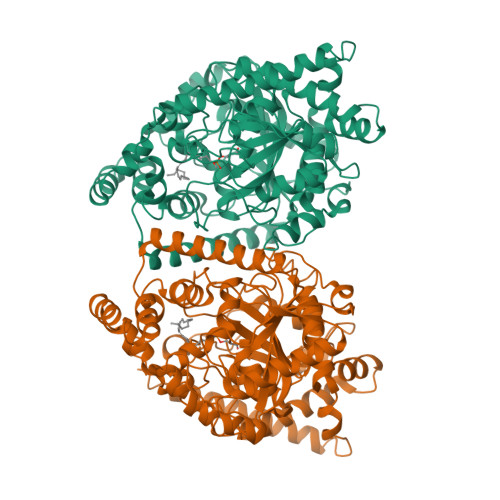 Click to view 3D structure | Fatty-acid amide hydrolase 1 | P97612 | Rattus norvegicus | Predicted (SEA) | - Prediction Confidence Score
- 0.286
- Applicability Domain
- 0.346
- Statistical Significance
- 0.0138
- Supporting Reference Compounds
- 102
- E-value
- 107.432
|
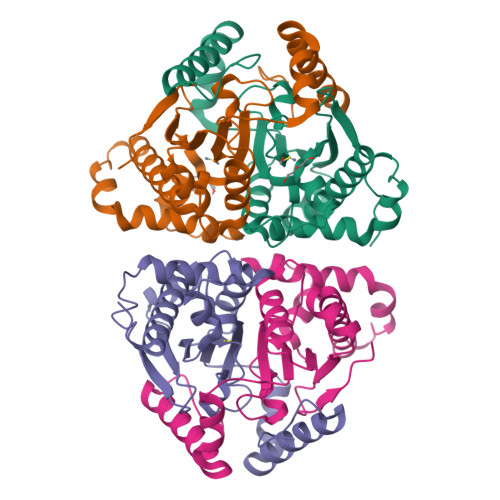 Click to view 3D structure | Carbonic anhydrase | Q5AJ71 | Candida albicans (strain SC5314 / ATCC MYA-2876) (Yeast) | Predicted (SEA) | - Prediction Confidence Score
- 0.285
- Applicability Domain
- 0.3
- Statistical Significance
- 0.01
- Supporting Reference Compounds
- 68
- E-value
- 78.0049
|
 Click to view 3D structure | Subtilisin BL | P29599 | Bacillus lentus | Predicted (SEA) | - Prediction Confidence Score
- 0.279
- Applicability Domain
- 0.281 Low confidence
- Statistical Significance
- 3.00e-05
- Supporting Reference Compounds
- 2
- E-value
- 0.233548
|
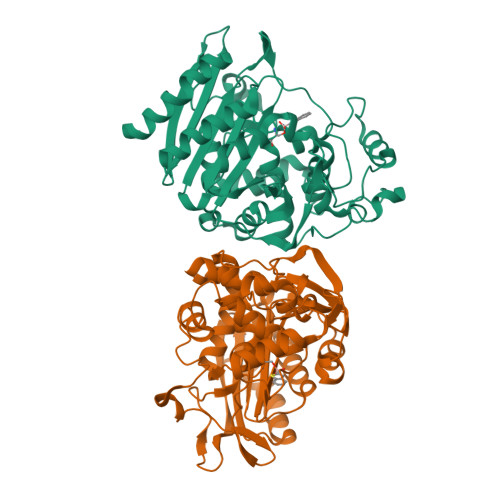 Click to view 3D structure | Beta-lactamase | P00811 | Escherichia coli (strain K12) | Predicted (SEA) | - Prediction Confidence Score
- 0.268
- Applicability Domain
- 0.281 Low confidence
- Statistical Significance
- 6.90e-04
- Supporting Reference Compounds
- 35
- E-value
- 5.3716
|
 Click to view 3D structure | Lipoprotein lipase | P06858 | Humans | Predicted (SEA) | - Prediction Confidence Score
- 0.26
- Applicability Domain
- 0.29 Low confidence
- Statistical Significance
- 3.60e-04
- Supporting Reference Compounds
- 9
- E-value
- 2.80257
|
 Click to view 3D structure | Chymotrypsinogen A | P00766 | Bos taurus | Predicted (SEA) | - Prediction Confidence Score
- 0.259
- Applicability Domain
- 0.346
- Statistical Significance
- 0.0124
- Supporting Reference Compounds
- 32
- E-value
- 96.2216
|
 Click to view 3D structure | Subtilisin Carlsberg | P00780 | Bacillus licheniformis | Predicted (SEA) | - Prediction Confidence Score
- 0.246
- Applicability Domain
- 0.281 Low confidence
- Statistical Significance
- 1.30e-04
- Supporting Reference Compounds
- 2
- E-value
- 1.01204
|
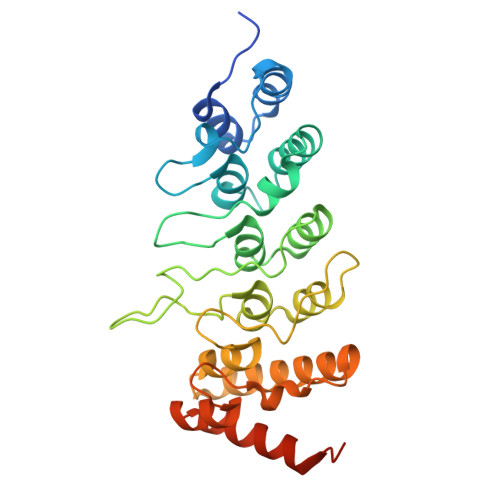 Click to view 3D structure | Transient receptor potential cation channel subfamily V member 1 | Q8NER1 | Humans | Predicted (SEA) | - Prediction Confidence Score
- 0.238
- Applicability Domain
- 0.3
- Statistical Significance
- 0.0836
- Supporting Reference Compounds
- 104
- E-value
- 650.742
|
| Click to view 3D structure | 1-deoxy-D-xylulose-5-phosphate synthase | Q4QKG6 | Haemophilus influenzae (strain 86-028NP) | Predicted (SEA) | - Prediction Confidence Score
- 0.236
- Applicability Domain
- 0.244 Low confidence
- Statistical Significance
- 0.002
- Supporting Reference Compounds
- 2
- E-value
- 15.492
|
| Click to view 3D structure | 5-hydroxytryptamine receptor 1A | P19327 | Rattus norvegicus | Predicted (SEA) | - Prediction Confidence Score
- 0.234
- Applicability Domain
- 0.27 Low confidence
- Statistical Significance
- 0.2938
- Supporting Reference Compounds
- 541
- E-value
- 2286.98
|
| Click to view 3D structure | Sodium-dependent dopamine transporter | P23977 | Rattus norvegicus | Predicted (SEA) | - Prediction Confidence Score
- 0.231
- Applicability Domain
- 0.25 Low confidence
- Statistical Significance
- 0.1191
- Supporting Reference Compounds
- 203
- E-value
- 926.873
|
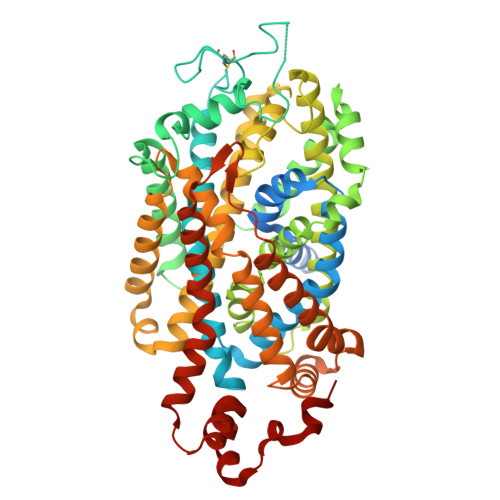 Click to view 3D structure | Sodium-dependent noradrenaline transporter | P23975 | Humans | Predicted (SEA) | - Prediction Confidence Score
- 0.229
- Applicability Domain
- 0.25 Low confidence
- Statistical Significance
- 0.32
- Supporting Reference Compounds
- 451
- E-value
- 2491.49
|
| Click to view 3D structure | Sodium-dependent serotonin transporter | P31652 | Rattus norvegicus | Predicted (SEA) | - Prediction Confidence Score
- 0.227
- Applicability Domain
- 0.25 Low confidence
- Statistical Significance
- 0.205
- Supporting Reference Compounds
- 297
- E-value
- 1596.14
|
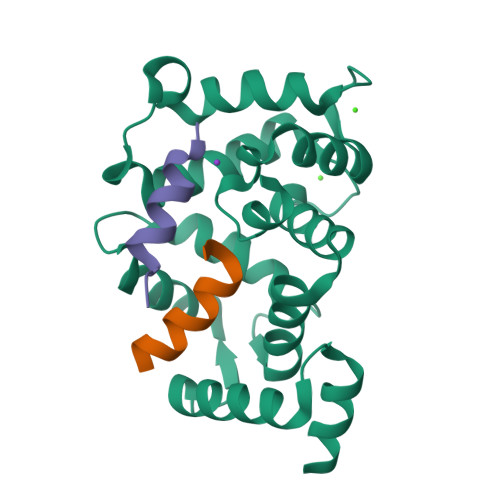 Click to view 3D structure | D(2) dopamine receptor | P14416 | Humans | Predicted (SEA) | - Prediction Confidence Score
- 0.227
- Applicability Domain
- 0.238 Low confidence
- Statistical Significance
- 0.5373
- Supporting Reference Compounds
- 1103
- E-value
- 4182.6
|
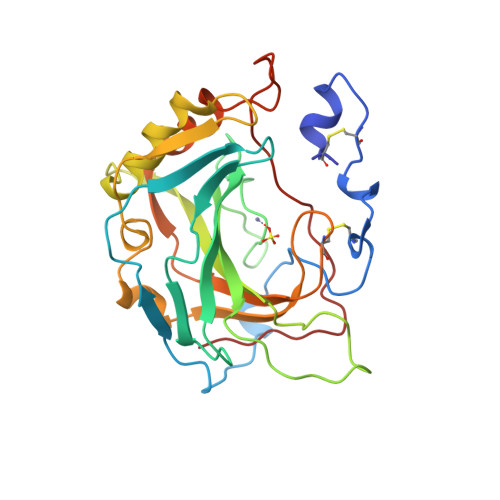 Click to view 3D structure | Carbonic anhydrase 4 | P22748 | Humans | Predicted (SEA) | - Prediction Confidence Score
- 0.226
- Applicability Domain
- 0.346
- Statistical Significance
- 0.1356
- Supporting Reference Compounds
- 193
- E-value
- 1055.87
|
 Click to view 3D structure | 5-hydroxytryptamine receptor 2B | P41595 | Humans | Predicted (SEA) | - Prediction Confidence Score
- 0.226
- Applicability Domain
- 0.25 Low confidence
- Statistical Significance
- 0.4897
- Supporting Reference Compounds
- 686
- E-value
- 3812.28
|
 Click to view 3D structure | Sodium-dependent serotonin transporter | P31645 | Humans | Predicted (SEA) | - Prediction Confidence Score
- 0.226
- Applicability Domain
- 0.25 Low confidence
- Statistical Significance
- 0.4151
- Supporting Reference Compounds
- 593
- E-value
- 3231.6
|
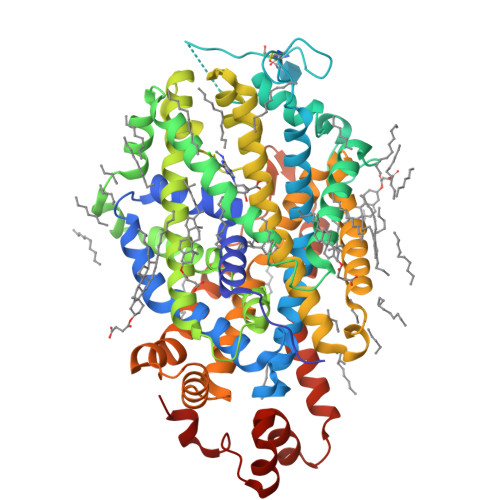 Click to view 3D structure | Sodium-dependent dopamine transporter | Q01959 | Humans | Predicted (SEA) | - Prediction Confidence Score
- 0.226
- Applicability Domain
- 0.25 Low confidence
- Statistical Significance
- 0.418
- Supporting Reference Compounds
- 506
- E-value
- 3254.25
|
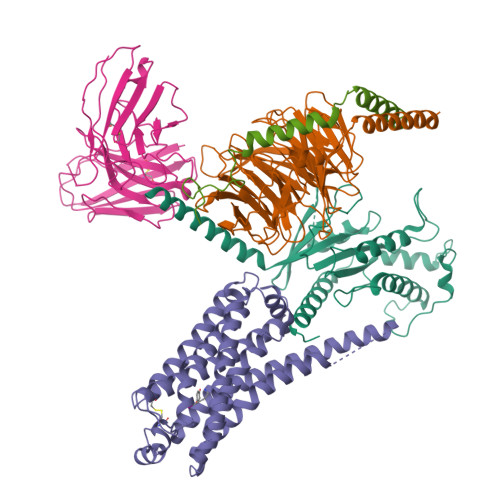 Click to view 3D structure | Trace amine-associated receptor 1 | Q96RJ0 | Humans | Predicted (SEA) | - Prediction Confidence Score
- 0.226
- Applicability Domain
- 0.25 Low confidence
- Statistical Significance
- 0.0735
- Supporting Reference Compounds
- 63
- E-value
- 572.114
|
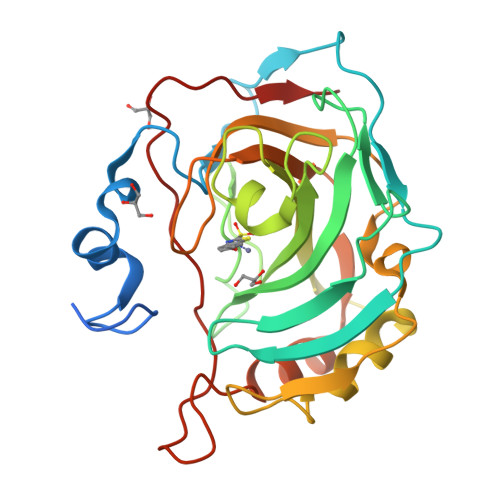 Click to view 3D structure | Carbonic anhydrase 7 | P43166 | Humans | Predicted (SEA) | - Prediction Confidence Score
- 0.225
- Applicability Domain
- 0.346
- Statistical Significance
- 0.1943
- Supporting Reference Compounds
- 242
- E-value
- 1512.45
|

