2-methyl-2-morpholin-4-ylpropanal (CED0212460)

Record Information
Version1.0
Creation Date2026-08-24 16:20:15 UTC
Update Date2026-08-24 16:20:15 UTC
SynCED IDCED0212460
Secondary Accession Numbers
  • CHEM251763
Identification
Common Name2-methyl-2-morpholin-4-ylpropanal
ClassSmall Molecule
Description
2-methyl-2-morpholin-4-ylpropanal (C8H15NO2) is an organic compound with an average molecular weight of 157.21 g/mol. 2-methyl-2-morpholin-4-ylpropanal belongs to the morpholines, a subclass of oxazinanes within the organic compounds. This organoheterocyclic compound has been found in or released from one recorded source: electrical and electronic equipment, specifically communication cables or conductors.
Contaminant TypeNot Available
Chemical Structure
SynonymsNot Available
Chemical FormulaC8H15NO2
Average Molecular Mass157.210 g/mol
Monoisotopic Mass157.110 g/mol
CAS Registry Number16042-91-4
IUPAC NameNot Available
Traditional NameNot Available
SMILESNot Available
InChI IdentifierInChI=1S/C8H15NO2/c1-8(2,7-10)9-3-5-11-6-4-9/h7H,3-6H2,1-2H3
InChI KeyWWILHZQYNPQALT-UHFFFAOYSA-N
Chemical Taxonomy
ClassificationNot classified
Biological Properties
StatusDetected and Not Quantified
OriginNot Available
Cellular LocationsNot Available
Biofluid LocationsNot Available
Tissue LocationsNot Available
ApplicationsNot Available
Biological RolesNot Available
Chemical RolesNot Available
Organoleptic EffectsNot Available
Physical Properties
StateNot Available
AppearanceNot Available
Experimental Properties
PropertyValue
Melting PointNot Available
Boiling PointNot Available
SolubilityNot Available
Predicted PropertiesNot Available
Spectra
SpectraNot Available
Toxicity Profile
Toxicity Values
Toxicity ValueOrganismDose DescriptorRoute of ExposurePredicted or ExperimentalToxicity RatingReference
2300.0 Log mg/kg [1300:4100]RatLD50oralpredictedNot AvailableNot Available
Toxicity / Toxin ClassNot Available
Mechanism of ToxicityNot Available
Carcinogenicity (IARC Classification)Not Available
Minimum Risk LevelNot Available
SymptomsNot Available
TreatmentNot Available
Health Effects
Health EffectRelationshipDirectionDescriptionReference
Exposure Sources
Source IDSourceSectorReference
CEDs000010Insecticides?Insecticides are synthetic chemicals designed to control or eliminate insect pests that threaten crops and other agricultural products.Agriculture & land managementPubChem
CEDs000233Brushes?Brushes used in personal care and cosmetics can be a source of synthetic chemical contamination due to the materials and coatings used in their manufacturing.Personal care & cosmeticsPubChem
CEDs000510Communication Cables Or Conductors?Communication cables or conductors are essential components in the transmission of data and signals in various applications, including telecommunications and networking.Electrical & Electronic EquipmentPubChem
CEDs000511Conductors Or Conductive Bodies Characterised By The Conductive Materials?Conductors, or conductive bodies, are materials that allow the flow of electrical current, typically made from metals such as copper, aluminum, or silver.Electrical & Electronic EquipmentPubChem
CEDs000519Electrodes?Electrodes, used in various electrical and electronic applications, can be a source of synthetic chemical contamination due to the materials from which they are constructed and the processes involved in their manufacturing.Electrical & Electronic EquipmentPubChem
CEDs000524Hybrid Capacitors?Hybrid capacitors are energy storage devices that combine the properties of electrolytic and supercapacitors, utilizing a combination of electrochemical principles to achieve higher energy density and power density.Electrical & Electronic EquipmentPubChem
CEDs000545Food Preservation?Food preservation often involves the use of synthetic chemicals, such as preservatives, flavor enhancers, and color additives, to extend shelf life and enhance the sensory qualities of food products.Food, food processing & cookwarePubChem
CEDs000556Cigar Cigarettes?Cigar cigarettes are a source of synthetic chemical contamination due to the combustion of various tobacco blends and additives.Household cleaning & consumer productsPubChem
CEDs000561Perfumes Within Detergents And Soaps?Perfumes within detergents and soaps are synthetic fragrance compounds added to enhance the sensory experience of cleaning products.Household cleaning & consumer productsPubChem
CEDs000580Manufacture Preparation Of Tobacco Products?The manufacture and preparation of tobacco products involve various processes that can result in the introduction of synthetic chemicals into the environment.Industrial manufacturing & chemical processingPubChem
CEDs000596Acaricides?Acaricides are synthetic chemicals specifically designed to target and control mite populations that can damage crops and plants.Agriculture & land managementPubChem
CEDs000602Molluscicides?Molluscicides are synthetic chemicals specifically designed to control and eliminate mollusks, such as snails and slugs, which can be detrimental to crops and agricultural productivity.Agriculture & land managementPubChem
CEDs000603Nematocides?Nematocides are synthetic chemicals specifically designed to control nematodes, which are microscopic roundworms that can cause significant damage to crops and plants.Agriculture & land managementPubChem
CEDs000604Pest Attractants?Pest attractants are synthetic chemicals designed to lure specific pests for monitoring or control purposes.Agriculture & land managementPubChem
CEDs000606Plant Growth Regulators?Plant Growth Regulators (PGRs) are synthetic chemicals designed to influence the growth and development of plants.Agriculture & land managementPubChem
CEDs000609Aftershave?Aftershave is a grooming product typically used to soothe and protect the skin following shaving.Personal care & cosmeticsPubChem
CEDs000611Anti Perspirants Or Body Deoderants?Antiperspirants and body deodorants commonly contain synthetic chemicals such as aluminum compounds, parabens, and synthetic fragrances.Personal care & cosmeticsPubChem
CEDs000615Eye Makeup Products?Eye makeup products, including mascaras, eyeliners, and eyeshadows, often contain a variety of synthetic chemicals such as pigments, preservatives, and film-forming agents.Personal care & cosmeticsPubChem
CEDs000618Lip Makeup Products?Lip makeup products, such as lipsticks, lip glosses, and lip liners, often contain a variety of synthetic chemicals, including pigments, preservatives, and emollients.Personal care & cosmeticsPubChem
CEDs000664Fire Fighting Gels?Fire fighting gels are synthetic chemical formulations designed to enhance fire suppression effectiveness by creating a protective barrier against heat and flames.Fire suppression systems & agentsPubChem
CEDs000670Solid Fire Fighting Substances?Solid fire fighting substances, such as certain types of dry chemical powders, are used in fire suppression applications to extinguish flames and prevent fire spread.Fire suppression systems & agentsPubChem
CEDs000678Nitrogenous Fertilisers?Nitrogenous fertilizers are synthetic chemical compounds primarily used to enhance plant growth by supplying essential nitrogen, a crucial nutrient for photosynthesis and protein synthesis.Agriculture & land managementPubChem
CEDs000679Phosphatic Fertilisers?Phosphatic fertilizers are synthetic chemical products primarily composed of phosphorus, which is essential for plant growth.Agriculture & land managementPubChem
CEDs000684Cements?Cements are a composite material primarily used as a binding agent in construction applications, formed by the calcination of limestone and clay minerals at high temperatures.Building & ConstructionPubChem
CEDs000685Ceramics?Ceramics can be a source of synthetic chemical contamination through various additives and processing agents used in their production.Building & ConstructionPubChem
CEDs000686Clay Wares?Clay wares are ceramic products made from natural clay, often utilized in various construction applications such as tiles, bricks, and sanitary ware.Building & ConstructionPubChem
CEDs000688Glass Coatings?Glass coatings are synthetic chemical formulations applied to glass surfaces to enhance properties such as durability, UV resistance, and aesthetic appeal.Building & ConstructionPubChem
CEDs000693Silica Glass?Silica glass, primarily composed of silicon dioxide (SiO2), is widely used in various applications, including windows, glass facades, and insulation materials.Building & ConstructionPubChem
CEDs000696Nanotechnology?Nanotechnology involves the manipulation of materials at the molecular or atomic level, typically within the range of 1 to 100 nanometers.Industrial manufacturing & chemical processingPubChem
CEDs000734Coating Compositions?Coating compositions, which include paints, sealants, and varnishes, are formulated with a variety of synthetic chemicals such as solvents, resins, pigments, and additives.Building & ConstructionPubChem
CEDs000735Explosives?Explosives are chemical compounds or mixtures designed to undergo rapid decomposition, releasing energy in the form of gas and heat.Defense & military infrastructurePubChem
CEDs000738Cooling Circuit Water?Cooling circuit water is utilized in various industrial processes to absorb and dissipate heat generated during operations.Industrial manufacturing & chemical processingPubChem
CEDs000739Inks?Inks are complex mixtures composed of pigments or dyes, solvents, resins, and additives used primarily for printing and writing applications.Paper, pulp & fiber productsPubChem
CEDs000740Paper?Paper production involves the processing of wood fibers and the use of various chemicals, which can lead to synthetic chemical contamination.Paper, pulp & fiber productsPubChem
CEDs000741Pigment Pastes?Pigment pastes are concentrated dispersions of pigments used to impart color and properties to materials.Paper, pulp & fiber productsPubChem
CEDs000742Leather Tanning?Leather tanning is a process that transforms raw animal hides into durable leather through the application of various chemicals, including chromium salts, aldehydes, and vegetable tannins.Textiles, leather & furnishingsPubChem
CEDs000743Sludge Treatment?Sludge treatment involves the processing of waste materials generated from wastewater treatment plants, which often contain a variety of organic and inorganic substances.Wastewater, sanitation & biosolidsPubChem
CEDs000744Water, Wastewater, & Sewage Treatment?Water, wastewater, and sewage treatment processes are critical for managing and mitigating pollutants in water systems.Wastewater, sanitation & biosolidsPubChem
Pathways
0 pathwaysPathway Source: PathBank

No pathways found

No metabolic pathways have been associated with this synthetic chemical

Targets
StructureProteinUniProt IDOrganismRelationshipDetails
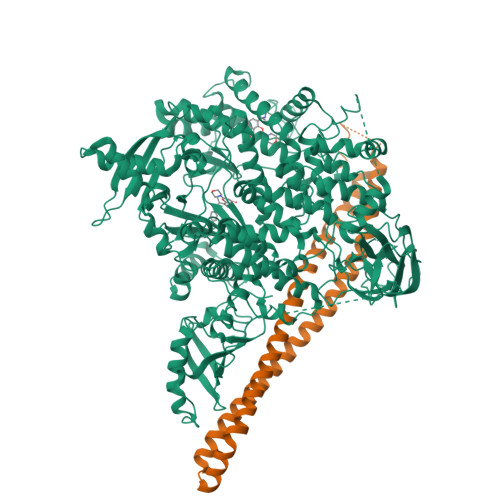
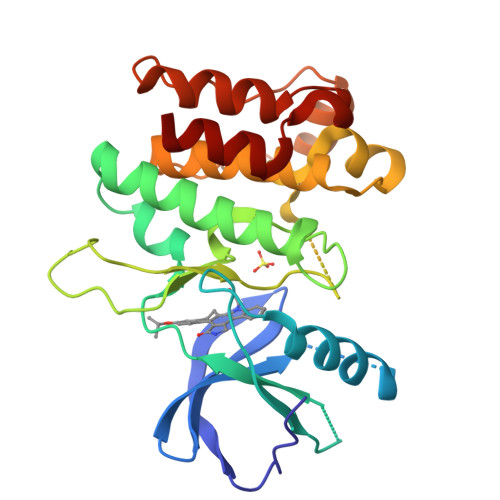
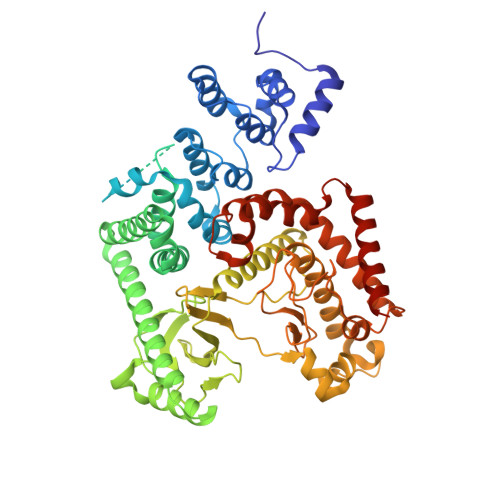
Phosphatidylinositol 4,5-bisphosphate 3-kinase catalytic subunit alpha isoform structureClick to view 3D structurePhosphatidylinositol 4,5-bisphosphate 3-kinase catalytic subunit alpha isoformP42336HumansPredicted (SEA)
Prediction Confidence Score
0.233
Applicability Domain
0.268 Low confidence
Statistical Significance
0.3395
Supporting Reference Compounds
536
E-value
2642.75
Phosphatidylinositol 4,5-bisphosphate 3-kinase catalytic subunit delta isoform structureClick to view 3D structurePhosphatidylinositol 4,5-bisphosphate 3-kinase catalytic subunit delta isoformO00329HumansPredicted (SEA)
Prediction Confidence Score
0.229
Applicability Domain
0.268 Low confidence
Statistical Significance
0.3139
Supporting Reference Compounds
459
E-value
2443.69
Click to view 3D structurePhosphatidylinositol 4,5-bisphosphate 3-kinase catalytic subunit beta isoformP42338HumansPredicted (SEA)
Prediction Confidence Score
0.229
Applicability Domain
0.268 Low confidence
Statistical Significance
0.2848
Supporting Reference Compounds
372
E-value
2216.99
Click to view 3D structureDual specificity protein phosphataseQ7T2L8Danio rerioPredicted (SEA)
Prediction Confidence Score
0.229
Applicability Domain
0.229 Low confidence
Statistical Significance
0.0019
Supporting Reference Compounds
1
E-value
14.48
DNA-dependent protein kinase catalytic subunit structureClick to view 3D structureDNA-dependent protein kinase catalytic subunitP78527HumansPredicted (SEA)
Prediction Confidence Score
0.229
Applicability Domain
0.268 Low confidence
Statistical Significance
0.1451
Supporting Reference Compounds
219
E-value
1129.67
Click to view 3D structureAcetyl-CoA carboxylaseQ3V4E6Zea maysPredicted (SEA)
Prediction Confidence Score
0.227
Applicability Domain
0.227 Low confidence
Statistical Significance
0.0011
Supporting Reference Compounds
1
E-value
8.87481
Phosphatidylinositol 4,5-bisphosphate 3-kinase catalytic subunit gamma isoform structureClick to view 3D structurePhosphatidylinositol 4,5-bisphosphate 3-kinase catalytic subunit gamma isoformP48736HumansPredicted (SEA)
Prediction Confidence Score
0.221
Applicability Domain
0.232 Low confidence
Statistical Significance
0.4084
Supporting Reference Compounds
450
E-value
3179.44
Serine/threonine-protein kinase mTOR structureClick to view 3D structureSerine/threonine-protein kinase mTORP42345HumansPredicted (SEA)
Prediction Confidence Score
0.217
Applicability Domain
0.232 Low confidence
Statistical Significance
0.4115
Supporting Reference Compounds
403
E-value
3203.73
Click to view 3D structureTumor necrosis factor receptor superfamily member 16Q9Z0W1Mus musculusPredicted (SEA)
Prediction Confidence Score
0.213
Applicability Domain
0.213 Low confidence
Statistical Significance
0.0064
Supporting Reference Compounds
1
E-value
49.9792
Lysosomal acid lipase/cholesteryl ester hydrolase structureClick to view 3D structureLysosomal acid lipase/cholesteryl ester hydrolaseP38571HumansPredicted (SEA)
Prediction Confidence Score
0.208
Applicability Domain
0.208 Low confidence
Statistical Significance
0.0031
Supporting Reference Compounds
1
E-value
24.3668
Click to view 3D structureDNA-dependent protein kinase catalytic subunitP97313Mus musculusPredicted (SEA)
Prediction Confidence Score
0.207
Applicability Domain
0.233 Low confidence
Statistical Significance
0.0146
Supporting Reference Compounds
2
E-value
113.504
Click to view 3D structurePhosphatidylinositol 4-phosphate 3-kinase C2 domain-containing subunit betaO00750HumansPredicted (SEA)
Prediction Confidence Score
0.205
Applicability Domain
0.218 Low confidence
Statistical Significance
0.3712
Supporting Reference Compounds
138
E-value
2890.07
Apoptotic protease-activating factor 1 structureClick to view 3D structureApoptotic protease-activating factor 1O14727HumansPredicted (SEA)
Prediction Confidence Score
0.203
Applicability Domain
0.233 Low confidence
Statistical Significance
0.2103
Supporting Reference Compounds
112
E-value
1637.48
Click to view 3D structureProcollagen-lysine,2-oxoglutarate 5-dioxygenase 1Q02809HumansPredicted (SEA)
Prediction Confidence Score
0.2
Applicability Domain
0.2 Low confidence
Statistical Significance
0.0639
Supporting Reference Compounds
1
E-value
497.69
Multifunctional procollagen lysine hydroxylase and glycosyltransferase LH3 structureClick to view 3D structureMultifunctional procollagen lysine hydroxylase and glycosyltransferase LH3O60568HumansPredicted (SEA)
Prediction Confidence Score
0.2
Applicability Domain
0.2 Low confidence
Statistical Significance
0.0639
Supporting Reference Compounds
1
E-value
497.69
Glycogen synthase kinase-3 beta structureClick to view 3D structureGlycogen synthase kinase-3 betaP49841HumansPredicted (SEA)
Prediction Confidence Score
0.2
Applicability Domain
0.206 Low confidence
Statistical Significance
0.8833
Supporting Reference Compounds
1157
E-value
6876.66
Phosphatidylinositol 4,5-bisphosphate 3-kinase catalytic subunit alpha isoform structureClick to view 3D structurePhosphatidylinositol 4,5-bisphosphate 3-kinase catalytic subunit alpha isoformP42337Mus musculusPredicted (SEA)
Prediction Confidence Score
0.199
Applicability Domain
0.208 Low confidence
Statistical Significance
0.0752
Supporting Reference Compounds
22
E-value
585.66
Tyrosine-protein kinase JAK2 structureClick to view 3D structureTyrosine-protein kinase JAK2O60674HumansPredicted (SEA)
Prediction Confidence Score
0.199
Applicability Domain
0.206 Low confidence
Statistical Significance
0.8678
Supporting Reference Compounds
1022
E-value
6755.52
Tyrosine-protein kinase JAK3 structureClick to view 3D structureTyrosine-protein kinase JAK3P52333HumansPredicted (SEA)
Prediction Confidence Score
0.199
Applicability Domain
0.206 Low confidence
Statistical Significance
0.8543
Supporting Reference Compounds
961
E-value
6650.43
Macrophage colony-stimulating factor 1 receptor structureClick to view 3D structureMacrophage colony-stimulating factor 1 receptorP07333HumansPredicted (SEA)
Prediction Confidence Score
0.199
Applicability Domain
0.206 Low confidence
Statistical Significance
0.8337
Supporting Reference Compounds
833
E-value
6490.37
Receptor-type tyrosine-protein kinase FLT3 structureClick to view 3D structureReceptor-type tyrosine-protein kinase FLT3P36888HumansPredicted (SEA)
Prediction Confidence Score
0.199
Applicability Domain
0.206 Low confidence
Statistical Significance
0.8797
Supporting Reference Compounds
1274
E-value
6848.63
Tyrosine-protein kinase SYK structureClick to view 3D structureTyrosine-protein kinase SYKP43405HumansPredicted (SEA)
Prediction Confidence Score
0.198
Applicability Domain
0.232 Low confidence
Statistical Significance
0.7958
Supporting Reference Compounds
625
E-value
6195.47
Mitogen-activated protein kinase kinase kinase 9 structureClick to view 3D structureMitogen-activated protein kinase kinase kinase 9P80192HumansPredicted (SEA)
Prediction Confidence Score
0.198
Applicability Domain
0.232 Low confidence
Statistical Significance
0.4464
Supporting Reference Compounds
134
E-value
3475.03
Protein kinase C alpha type structureClick to view 3D structureProtein kinase C alpha typeP17252HumansPredicted (SEA)
Prediction Confidence Score
0.198
Applicability Domain
0.206 Low confidence
Statistical Significance
0.5541
Supporting Reference Compounds
258
E-value
4313.47
Phosphatidylinositol 3-kinase catalytic subunit type 3 structureClick to view 3D structurePhosphatidylinositol 3-kinase catalytic subunit type 3Q8NEB9HumansPredicted (SEA)
Prediction Confidence Score
0.198
Applicability Domain
0.218 Low confidence
Statistical Significance
0.2965
Supporting Reference Compounds
95
E-value
2308.07
Concentrations
Not Available
External Links
IdentifiersNot Available
References
Synthesis ReferenceNot Available
MSDSNot Available
General ReferencesNot Available