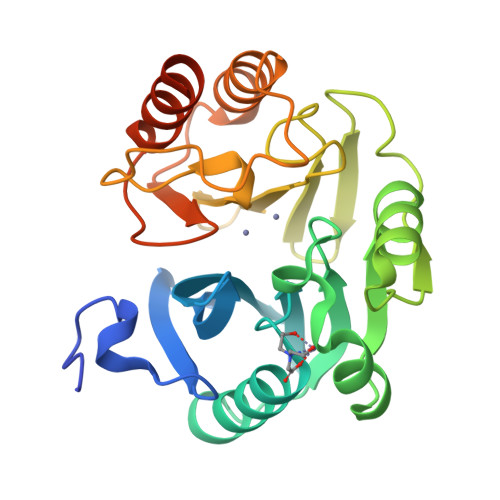
 Click to view 3D structure | Beta-lactamase VIM-1 | Q9XAY4 | Pseudomonas aeruginosa | Predicted (SEA) | - Prediction Confidence Score
- 0.214
- Applicability Domain
- 0.214 Low confidence
- Statistical Significance
- 3.70e-04
- Supporting Reference Compounds
- 1
- E-value
- 2.88042
|
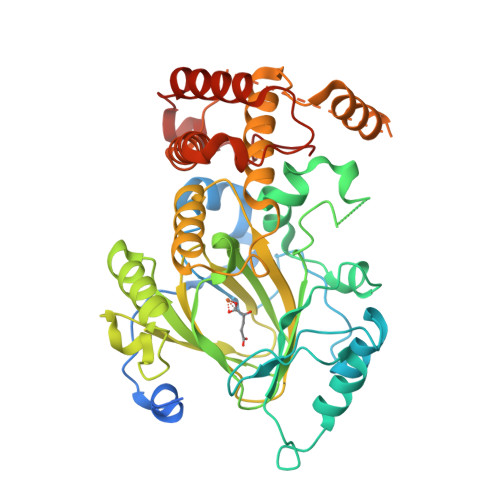 Click to view 3D structure | Lysine-specific demethylase 2A | Q9Y2K7 | Humans | Predicted (SEA) | - Prediction Confidence Score
- 0.179
- Applicability Domain
- 0.188 Low confidence
- Statistical Significance
- 0.2555
- Supporting Reference Compounds
- 35
- E-value
- 1989.28
|
 Click to view 3D structure | 3-ketoacyl-CoA synthase 20 | Q9FG87 | Arabidopsis thaliana | Predicted (SEA) | - Prediction Confidence Score
- 0.176
- Applicability Domain
- 0.176 Low confidence
- Statistical Significance
- 3.60e-04
- Supporting Reference Compounds
- 1
- E-value
- 2.80257
|
| Click to view 3D structure | Sodium- and chloride-dependent creatine transporter 1 | P48029 | Humans | Predicted (SEA) | - Prediction Confidence Score
- 0.176
- Applicability Domain
- 0.176 Low confidence
- Statistical Significance
- 0.0017
- Supporting Reference Compounds
- 1
- E-value
- 13.5458
|
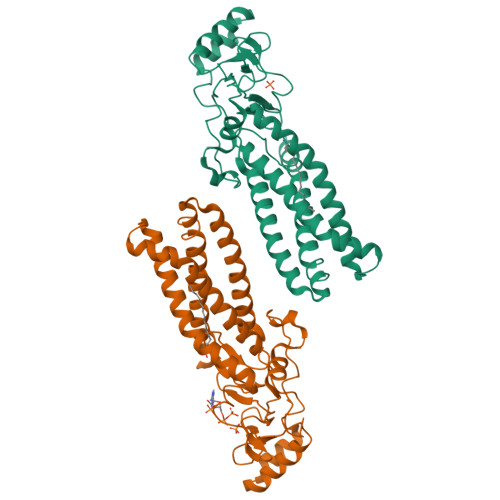 Click to view 3D structure | Palmitoyltransferase ZDHHC20 | Q5W0Z9 | Humans | Predicted (SEA) | - Prediction Confidence Score
- 0.176
- Applicability Domain
- 0.214 Low confidence
- Statistical Significance
- 0.0059
- Supporting Reference Compounds
- 3
- E-value
- 46.0089
|
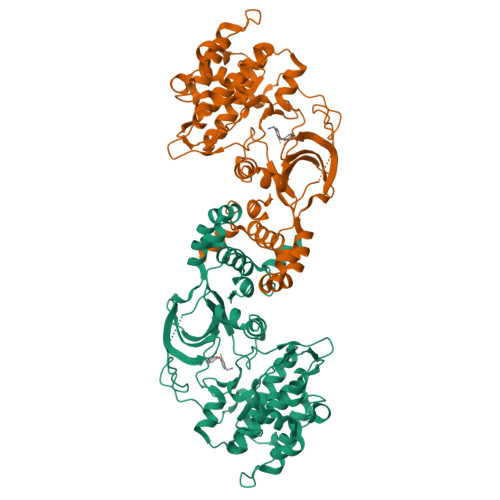 Click to view 3D structure | Rho-associated protein kinase 2 | O75116 | Humans | Predicted (SEA) | - Prediction Confidence Score
- 0.175
- Applicability Domain
- 0.18 Low confidence
- Statistical Significance
- 0.9587
- Supporting Reference Compounds
- 811
- E-value
- 7463.48
|
 Click to view 3D structure | LIM domain kinase 1 | P53667 | Humans | Predicted (SEA) | - Prediction Confidence Score
- 0.175
- Applicability Domain
- 0.18 Low confidence
- Statistical Significance
- 0.9402
- Supporting Reference Compounds
- 565
- E-value
- 7319.46
|
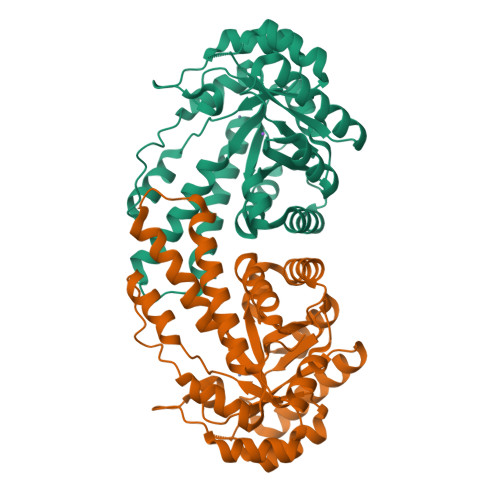 Click to view 3D structure | Fructose-bisphosphate aldolase | P56109 | Helicobacter pylori (strain ATCC 700392 / 26695) (Campylobacterpylori) | Predicted (SEA) | - Prediction Confidence Score
- 0.174
- Applicability Domain
- 0.205 Low confidence
- Statistical Significance
- 6.00e-04
- Supporting Reference Compounds
- 2
- E-value
- 4.67095
|
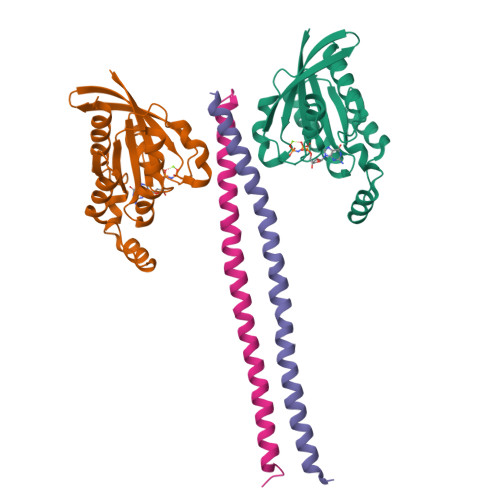 Click to view 3D structure | Rho-associated protein kinase 1 | Q13464 | Humans | Predicted (SEA) | - Prediction Confidence Score
- 0.173
- Applicability Domain
- 0.18 Low confidence
- Statistical Significance
- 0.9574
- Supporting Reference Compounds
- 834
- E-value
- 7453.67
|
| Click to view 3D structure | 1-deoxy-D-xylulose-5-phosphate synthase | B7UJP3 | Escherichia coli O127:H6 (strain E2348/69 / EPEC) | Predicted (SEA) | - Prediction Confidence Score
- 0.172
- Applicability Domain
- 0.182 Low confidence
- Statistical Significance
- 0.0031
- Supporting Reference Compounds
- 2
- E-value
- 23.8219
|
 Click to view 3D structure | Transient receptor potential cation channel subfamily V member 2 | Q9WUD2 | Rattus norvegicus | Predicted (SEA) | - Prediction Confidence Score
- 0.171
- Applicability Domain
- 0.189 Low confidence
- Statistical Significance
- 0.0403
- Supporting Reference Compounds
- 21
- E-value
- 313.577
|
| Click to view 3D structure | Beta-glucuronidase | P12265 | Mus musculus | Predicted (SEA) | - Prediction Confidence Score
- 0.169
- Applicability Domain
- 0.169 Low confidence
- Statistical Significance
- 0.0429
- Supporting Reference Compounds
- 1
- E-value
- 334.129
|
 Click to view 3D structure | Muscarinic acetylcholine receptor M1 | P11229 | Humans | Predicted (SEA) | - Prediction Confidence Score
- 0.168
- Applicability Domain
- 0.182 Low confidence
- Statistical Significance
- 0.948
- Supporting Reference Compounds
- 385
- E-value
- 7380.18
|
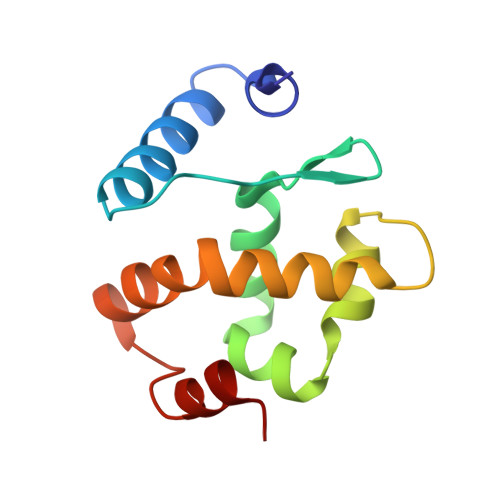 Click to view 3D structure | Lysine-specific demethylase 5C | P41229 | Humans | Predicted (SEA) | - Prediction Confidence Score
- 0.167
- Applicability Domain
- 0.188 Low confidence
- Statistical Significance
- 0.4832
- Supporting Reference Compounds
- 45
- E-value
- 3761.6
|
| Click to view 3D structure | Organic anion transporter 3 | O88909 | Mus musculus | Predicted (SEA) | - Prediction Confidence Score
- 0.167
- Applicability Domain
- 0.167 Low confidence
- Statistical Significance
- 0.0592
- Supporting Reference Compounds
- 1
- E-value
- 461.257
|
| Click to view 3D structure | Asc-type amino acid transporter 1 | P63116 | Rat | Predicted (SEA) | - Prediction Confidence Score
- 0.167
- Applicability Domain
- 0.167 Low confidence
- Statistical Significance
- 0.0035
- Supporting Reference Compounds
- 2
- E-value
- 27.0137
|
 Click to view 3D structure | Carbonic anhydrase 2 | P00918 | Humans | Predicted (SEA) | - Prediction Confidence Score
- 0.166
- Applicability Domain
- 0.182 Low confidence
- Statistical Significance
- 0.9022
- Supporting Reference Compounds
- 472
- E-value
- 7023.71
|
 Click to view 3D structure | Carbonic anhydrase 1 | P00915 | Humans | Predicted (SEA) | - Prediction Confidence Score
- 0.166
- Applicability Domain
- 0.182 Low confidence
- Statistical Significance
- 0.8706
- Supporting Reference Compounds
- 407
- E-value
- 6777.24
|
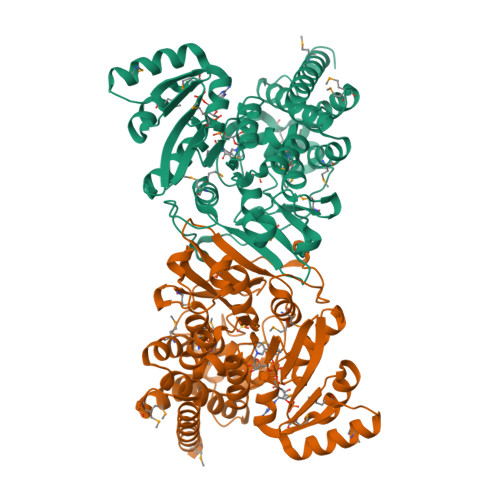 Click to view 3D structure | 1-deoxy-D-xylulose 5-phosphate reductoisomerase | P45568 | Escherichia coli (strain K12) | Predicted (SEA) | - Prediction Confidence Score
- 0.166
- Applicability Domain
- 0.229 Low confidence
- Statistical Significance
- 0.0281
- Supporting Reference Compounds
- 11
- E-value
- 218.756
|
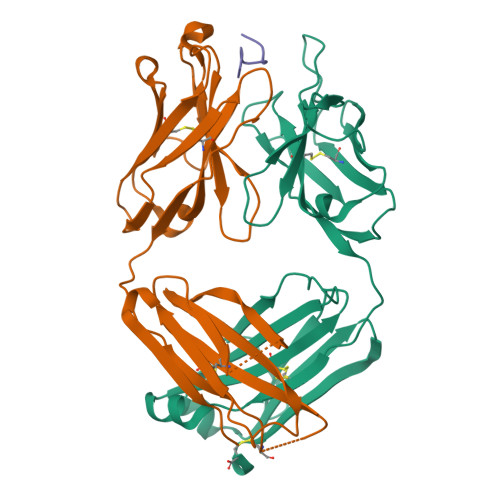 Click to view 3D structure | Carbonic anhydrase 9 | Q16790 | Humans | Predicted (SEA) | - Prediction Confidence Score
- 0.166
- Applicability Domain
- 0.182 Low confidence
- Statistical Significance
- 0.8682
- Supporting Reference Compounds
- 372
- E-value
- 6758.64
|
 Click to view 3D structure | Lysine-specific demethylase 4C | Q9H3R0 | Humans | Predicted (SEA) | - Prediction Confidence Score
- 0.165
- Applicability Domain
- 0.175 Low confidence
- Statistical Significance
- 0.7058
- Supporting Reference Compounds
- 72
- E-value
- 5494.6
|
| Click to view 3D structure | Cannabinoid receptor 1 | P20272 | Rattus norvegicus | Predicted (SEA) | - Prediction Confidence Score
- 0.165
- Applicability Domain
- 0.189 Low confidence
- Statistical Significance
- 0.6165
- Supporting Reference Compounds
- 83
- E-value
- 4799.64
|
 Click to view 3D structure | Gasdermin-D | P57764 | Humans | Predicted (SEA) | - Prediction Confidence Score
- 0.164
- Applicability Domain
- 0.167 Low confidence
- Statistical Significance
- 4.00e-04
- Supporting Reference Compounds
- 2
- E-value
- 3.11397
|
 Click to view 3D structure | Gasdermin-D | Q9D8T2 | Mus musculus | Predicted (SEA) | - Prediction Confidence Score
- 0.164
- Applicability Domain
- 0.167 Low confidence
- Statistical Significance
- 4.00e-04
- Supporting Reference Compounds
- 2
- E-value
- 3.11397
|
 Click to view 3D structure | Muscarinic acetylcholine receptor M3 | P20309 | Humans | Predicted (SEA) | - Prediction Confidence Score
- 0.163
- Applicability Domain
- 0.182 Low confidence
- Statistical Significance
- 0.9493
- Supporting Reference Compounds
- 310
- E-value
- 7390.46
|

