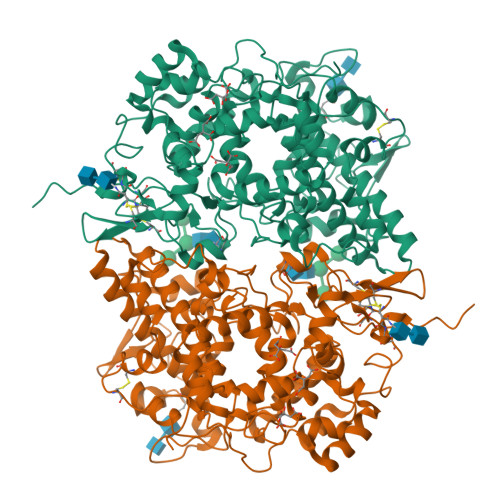
 Click to view 3D structure | Prostaglandin G/H synthase 1 | P23219 | Humans | Predicted (SEA) | - Prediction Confidence Score
- 0.135
- Applicability Domain
- 0.167 Low confidence
- Statistical Significance
- 0.972
- Supporting Reference Compounds
- 136
- E-value
- 7567.1
|
 Click to view 3D structure | Reverse transcriptase | Q06347 | Human immunodeficiency virus 2 | Predicted (SEA) | - Prediction Confidence Score
- 0.133
- Applicability Domain
- 0.133 Low confidence
- Statistical Significance
- 0.0886
- Supporting Reference Compounds
- 1
- E-value
- 689.511
|
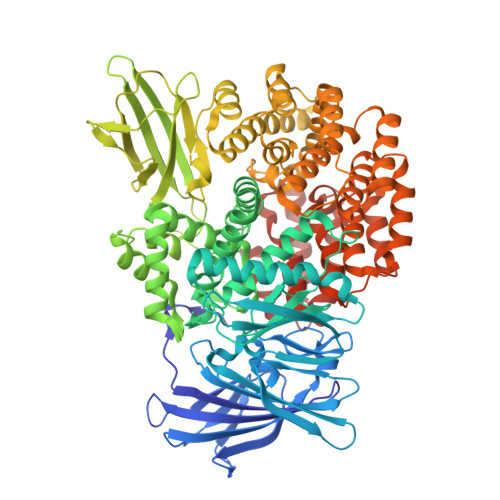 Click to view 3D structure | Aminopeptidase N | P04825 | Escherichia coli (strain K12) | Predicted (SEA) | - Prediction Confidence Score
- 0.133
- Applicability Domain
- 0.133 Low confidence
- Statistical Significance
- 0.0238
- Supporting Reference Compounds
- 1
- E-value
- 185.048
|
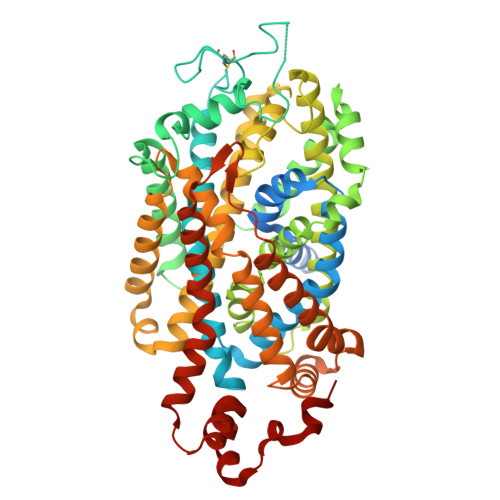 Click to view 3D structure | Sodium-dependent noradrenaline transporter | P23975 | Humans | Predicted (SEA) | - Prediction Confidence Score
- 0.129
- Applicability Domain
- 0.167 Low confidence
- Statistical Significance
- 0.9983
- Supporting Reference Compounds
- 451
- E-value
- 7772.0
|
 Click to view 3D structure | Aminopeptidase N | P15145 | Sus scrofa | Predicted (SEA) | - Prediction Confidence Score
- 0.129
- Applicability Domain
- 0.154 Low confidence
- Statistical Significance
- 0.7165
- Supporting Reference Compounds
- 40
- E-value
- 5578.05
|
 Click to view 3D structure | 5-hydroxytryptamine receptor 2C | P28335 | Humans | Predicted (SEA) | - Prediction Confidence Score
- 0.128
- Applicability Domain
- 0.167 Low confidence
- Statistical Significance
- 0.9988
- Supporting Reference Compounds
- 823
- E-value
- 7775.27
|
 Click to view 3D structure | 5-hydroxytryptamine receptor 2B | P41595 | Humans | Predicted (SEA) | - Prediction Confidence Score
- 0.128
- Applicability Domain
- 0.167 Low confidence
- Statistical Significance
- 0.9988
- Supporting Reference Compounds
- 686
- E-value
- 7775.35
|
| Click to view 3D structure | 5-hydroxytryptamine receptor 2B | P30994 | Rattus norvegicus | Predicted (SEA) | - Prediction Confidence Score
- 0.128
- Applicability Domain
- 0.143 Low confidence
- Statistical Significance
- 0.9149
- Supporting Reference Compounds
- 40
- E-value
- 7122.5
|
 Click to view 3D structure | Carbonic anhydrase 1 | P00915 | Humans | Predicted (SEA) | - Prediction Confidence Score
- 0.126
- Applicability Domain
- 0.16 Low confidence
- Statistical Significance
- 0.9966
- Supporting Reference Compounds
- 407
- E-value
- 7758.38
|
 Click to view 3D structure | Muscarinic acetylcholine receptor M2 | P08172 | Humans | Predicted (SEA) | - Prediction Confidence Score
- 0.125
- Applicability Domain
- 0.185 Low confidence
- Statistical Significance
- 0.9984
- Supporting Reference Compounds
- 373
- E-value
- 7772.39
|
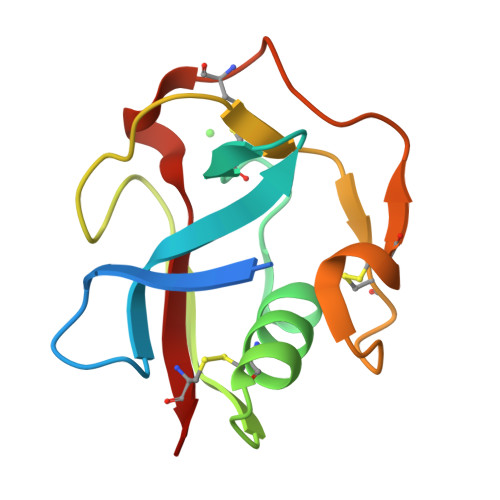 Click to view 3D structure | Macrophage scavenger receptor types I and II | P21757 | Humans | Predicted (SEA) | - Prediction Confidence Score
- 0.125
- Applicability Domain
- 0.125 Low confidence
- Statistical Significance
- 0.0386
- Supporting Reference Compounds
- 1
- E-value
- 300.342
|
| Click to view 3D structure | Leucine aminopeptidase | Q29571 | Sus scrofa | Predicted (SEA) | - Prediction Confidence Score
- 0.125
- Applicability Domain
- 0.125 Low confidence
- Statistical Significance
- 0.005
- Supporting Reference Compounds
- 1
- E-value
- 39.236
|
| Click to view 3D structure | Muscarinic acetylcholine receptor M1 | P08482 | Rattus norvegicus | Predicted (SEA) | - Prediction Confidence Score
- 0.123
- Applicability Domain
- 0.185 Low confidence
- Statistical Significance
- 0.9851
- Supporting Reference Compounds
- 109
- E-value
- 7669.24
|
 Click to view 3D structure | Muscarinic acetylcholine receptor M4 | P08173 | Humans | Predicted (SEA) | - Prediction Confidence Score
- 0.123
- Applicability Domain
- 0.185 Low confidence
- Statistical Significance
- 0.9982
- Supporting Reference Compounds
- 297
- E-value
- 7771.06
|
| Click to view 3D structure | Polyunsaturated fatty acid lipoxygenase ALOX15 | P16050 | Humans | Predicted (SEA) | - Prediction Confidence Score
- 0.122
- Applicability Domain
- 0.179 Low confidence
- Statistical Significance
- 0.93
- Supporting Reference Compounds
- 46
- E-value
- 7239.98
|
| Click to view 3D structure | Muscarinic acetylcholine receptor M2 | P10980 | Rattus norvegicus | Predicted (SEA) | - Prediction Confidence Score
- 0.122
- Applicability Domain
- 0.185 Low confidence
- Statistical Significance
- 0.9812
- Supporting Reference Compounds
- 98
- E-value
- 7638.96
|
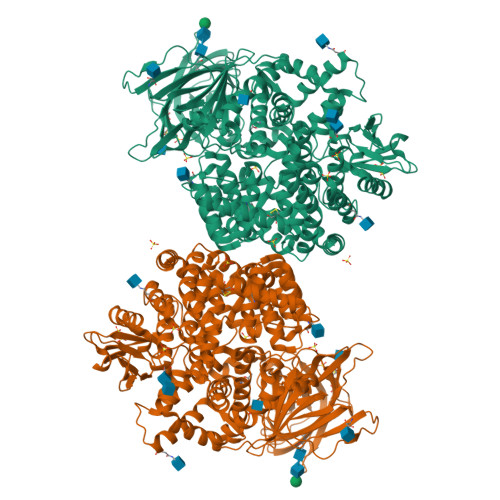 Click to view 3D structure | Aminopeptidase N | P15144 | Humans | Predicted (SEA) | - Prediction Confidence Score
- 0.121
- Applicability Domain
- 0.154 Low confidence
- Statistical Significance
- 0.8484
- Supporting Reference Compounds
- 42
- E-value
- 6604.57
|
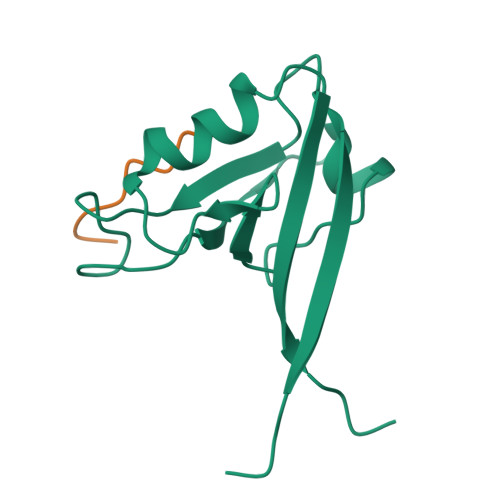 Click to view 3D structure | 5-hydroxytryptamine receptor 2C | P08909 | Rat | Predicted (SEA) | - Prediction Confidence Score
- 0.121
- Applicability Domain
- 0.132 Low confidence
- Statistical Significance
- 0.9893
- Supporting Reference Compounds
- 185
- E-value
- 7701.86
|
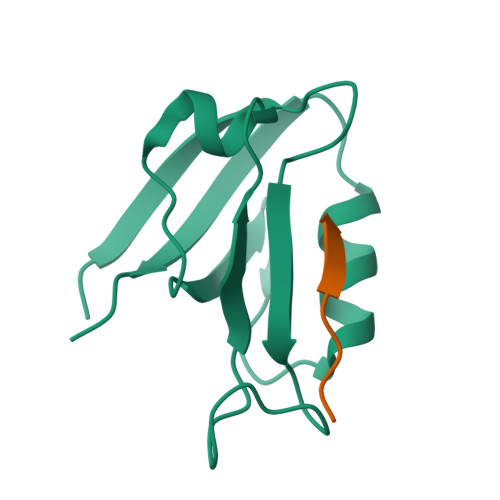 Click to view 3D structure | 5-hydroxytryptamine receptor 2A | P14842 | Rattus norvegicus | Predicted (SEA) | - Prediction Confidence Score
- 0.121
- Applicability Domain
- 0.132 Low confidence
- Statistical Significance
- 0.9956
- Supporting Reference Compounds
- 380
- E-value
- 7750.82
|
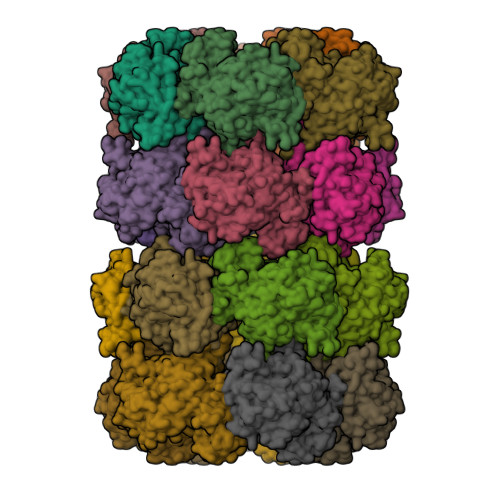 Click to view 3D structure | Glutamine synthetase | P0A9C5 | Escherichia coli K-12 | Predicted (SEA) | - Prediction Confidence Score
- 0.121
- Applicability Domain
- 0.121 Low confidence
- Statistical Significance
- 0.0478
- Supporting Reference Compounds
- 1
- E-value
- 372.119
|
| Click to view 3D structure | S-methylmethionine--homocysteine S-methyltransferase BHMT2 | Q9H2M3 | Humans | Predicted (SEA) | - Prediction Confidence Score
- 0.121
- Applicability Domain
- 0.121 Low confidence
- Statistical Significance
- 0.0349
- Supporting Reference Compounds
- 1
- E-value
- 271.927
|
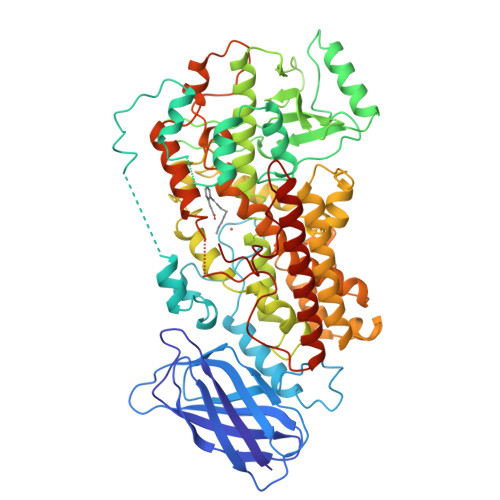 Click to view 3D structure | Polyunsaturated fatty acid lipoxygenase ALOX15 | P12530 | Oryctolagus cuniculus | Predicted (SEA) | - Prediction Confidence Score
- 0.121
- Applicability Domain
- 0.167 Low confidence
- Statistical Significance
- 0.9511
- Supporting Reference Compounds
- 47
- E-value
- 7404.16
|
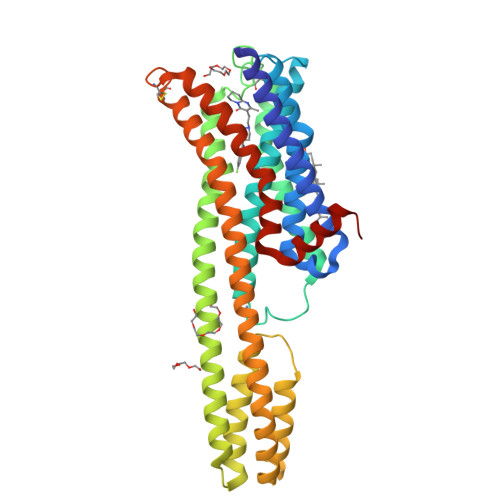 Click to view 3D structure | 5-hydroxytryptamine receptor 2A | P28223 | Humans | Predicted (SEA) | - Prediction Confidence Score
- 0.121
- Applicability Domain
- 0.132 Low confidence
- Statistical Significance
- 0.9994
- Supporting Reference Compounds
- 955
- E-value
- 7780.64
|
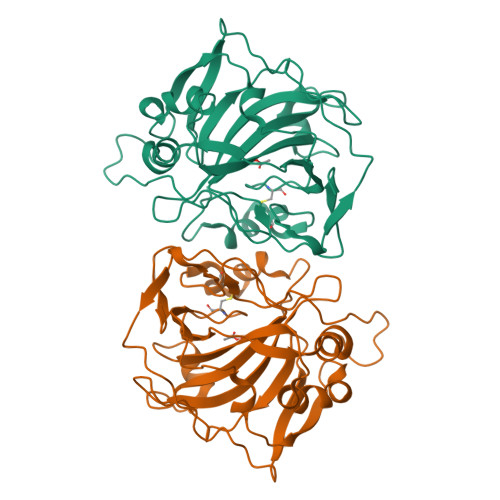 Click to view 3D structure | Carbonic anhydrase 12 | O43570 | Humans | Predicted (SEA) | - Prediction Confidence Score
- 0.121
- Applicability Domain
- 0.16 Low confidence
- Statistical Significance
- 0.9969
- Supporting Reference Compounds
- 332
- E-value
- 7760.79
|
| Click to view 3D structure | Trace amine-associated receptor 1 | Q8HZ64 | Macaca mulatta | Predicted (SEA) | - Prediction Confidence Score
- 0.12
- Applicability Domain
- 0.143 Low confidence
- Statistical Significance
- 0.3098
- Supporting Reference Compounds
- 8
- E-value
- 2411.85
|

