1-[(e)-(5-nitrofuran-2-yl)methylideneamino]imidazolidine-2,4-dione (CED0051904)

Record Information
Version1.0
Creation Date2026-08-24 23:22:37 UTC
Update Date2026-08-24 23:22:37 UTC
SynCED IDCED0051904
Secondary Accession Numbers
  • CHEM256576
Identification
Common Name1-[(e)-(5-nitrofuran-2-yl)methylideneamino]imidazolidine-2,4-dione
ClassSmall Molecule
Description
1-[(e)-(5-nitrofuran-2-yl)methylideneamino]imidazolidine-2,4-dione is an organoheterocyclic compound with the formula C8H6N4O5 and an average molecular weight of 238.16 g/mol. 1-[(e)-(5-nitrofuran-2-yl)methylideneamino]imidazolidine-2,4-dione belongs to the imidazolidines, a subclass of azolidines within the organic compounds. Biologically, the compound serves as an antibacterial agent (PMC5384842 ). This substance has been identified in three recorded sources. These include household cleaning and consumer products such as other smoking requisites, as well as food, food processing and cookware specifically regarding the preparation of vinegar. Additionally, it is found in electrical and electronic equipment, specifically video games.
Contaminant TypeNot Available
Chemical Structure
SynonymsNot Available
Chemical FormulaC8H6N4O5
Average Molecular Mass238.160 g/mol
Monoisotopic Mass238.034 g/mol
CAS Registry Number67-20-9
IUPAC NameNot Available
Traditional NameNot Available
SMILESNot Available
InChI IdentifierInChI=1S/C8H6N4O5/c13-6-4-11(8(14)10-6)9-3-5-1-2-7(17-5)12(15)16/h1-3H,4H2,(H,10,13,14)/b9-3+
InChI KeyNXFQHRVNIOXGAQ-YCRREMRBSA-N
Chemical Taxonomy
ClassificationNot classified
Biological Properties
StatusDetected and Not Quantified
OriginNot Available
Cellular LocationsNot Available
Biofluid LocationsNot Available
Tissue LocationsNot Available
ApplicationsNot Available
Biological Roles
Chemical RolesNot Available
Organoleptic Effects
  • orange colour ?
Physical Properties
StateNot Available
AppearanceNot Available
Experimental Properties
PropertyValue
Melting PointNot Available
Boiling PointNot Available
SolubilityNot Available
Predicted PropertiesNot Available
Spectra
Spectra
Spectrum TypeDescriptionSplash KeyDeposition DateView
Predicted GC-MSPredicted GC-MS Spectrumsplash10-03di-3910000000-aecdacf3f5de28cf8021Not AvailableView Spectrum
Predicted LC-MS/MSPredicted LC-MS/MS Spectrumsplash10-000i-0190000000-2f95bb616fd4cad3f729Not AvailableView Spectrum
Predicted LC-MS/MSPredicted LC-MS/MS Spectrumsplash10-000i-0390000000-c768fb1045d9566a1d4bNot AvailableView Spectrum
Predicted LC-MS/MSPredicted LC-MS/MS Spectrumsplash10-0002-9500000000-c45d8a5e217cd3045741Not AvailableView Spectrum
Predicted LC-MS/MSPredicted LC-MS/MS Spectrumsplash10-000i-1090000000-f108972dd03c2012672fNot AvailableView Spectrum
Predicted LC-MS/MSPredicted LC-MS/MS Spectrumsplash10-0006-9000000000-b1f3423dbacafe623fb2Not AvailableView Spectrum
Predicted LC-MS/MSPredicted LC-MS/MS Spectrumsplash10-0006-9000000000-7491a417b52b7d6d99d2Not AvailableView Spectrum
Toxicity Profile
Toxicity Values
Toxicity ValueOrganismDose DescriptorRoute of ExposurePredicted or ExperimentalToxicity RatingReference
1393.0 Log mg/kg [780:2500]RatLD50oralpredictedNot AvailableNot Available
Toxicity / Toxin ClassNot Available
Mechanism of ToxicityNot Available
Carcinogenicity (IARC Classification)Not Available
Minimum Risk LevelNot Available
SymptomsNot Available
TreatmentNot Available
Health Effects
Health EffectRelationshipDirectionDescriptionReference
liver cirrhosisAssociated With?Not AvailableNot AvailablePMC12403781
liver diseaseAssociated With?Not AvailableA disorder characterized by any variety of factors leading to damage to the liver.PMC9701571
cholestasisAssociated With?Not AvailableImpairment of the bile flow caused by obstruction within the liver, or outside the liver in the bile duct system.PMC13282457
hepatic fibrosisAssociated With?Not AvailableNot AvailablePMC12403781
cystitisNot AvailableNot AvailableNot AvailablePMC10816374 , PMC7817352
vasculitisAssociated With?Not AvailableNot AvailablePMC8261246
sensory peripheral neuropathyAssociated With?Not AvailableNot AvailablePMC2289805
urinary tract infectionNot AvailableNot AvailableA disorder characterized by an infectious process involving the urinary tract, most commonly the bladder and the urethra. (NCI CTCAE)PMC10535763 , PMC4713194
MortalityAssociated With?Not AvailableNot AvailablePMC12787173
drug-induced liver injuryAssociated With?Not AvailableNot AvailablePMC13282457
Congenital AbnormalitiesAssociated With?Not AvailableNot AvailablePMC8756738
MorbidityAssociated With?Not AvailableNot AvailablePMC12787173
infectious diseaseNot AvailableNot AvailableNot AvailablePMC11861074
atrial heart septal defectAssociated With?Not AvailableNot AvailablePMC8756738
subacute cutaneous lupus erythematosusAssociated With?Not AvailableNot AvailablePMC8261246
bacteriuriaNot AvailableNot AvailableNot AvailablePMC10238802
autoimmune hepatitisAssociated With?Not AvailableNot AvailablePMC13282457
microphthalmiaAssociated With?Not AvailableNot AvailablePMC8756738
hypoplastic left heart syndromeAssociated With?Not AvailableNot AvailablePMC8756738
granulomatous inflammationAssociated With?Not AvailableNot AvailablePMC13282457
Exposure Sources
Source IDSourceSectorReference
CEDs000010Insecticides?Insecticides are synthetic chemicals designed to control or eliminate insect pests that threaten crops and other agricultural products.Agriculture & land managementPubChem
CEDs000051Surface water?Surface water can serve as a significant vector for the introduction of synthetic chemical contaminants into aquatic ecosystems.Aquatic systems & sedimentsPMC13442399
CEDs000070Stormwater runoff?Stormwater runoff refers to the flow of rainwater or melted snow that does not soak into the ground and instead collects pollutants as it travels over impervious surfaces such as roads and parking lots.Automotive & urban infrastructurePubChem
CEDs000233Brushes?Brushes used in personal care and cosmetics can be a source of synthetic chemical contamination due to the materials and coatings used in their manufacturing.Personal care & cosmeticsPubChem
CEDs000518Electrically Stimulated Smoking Devices?Electrically stimulated smoking devices, commonly known as e-cigarettes or vape pens, utilize electrical components to heat a liquid solution, often containing nicotine, flavorings, and other additives, to produce an aerosol for inhalation.Electrical & Electronic EquipmentPubChem
CEDs000519Electrodes?Electrodes, used in various electrical and electronic applications, can be a source of synthetic chemical contamination due to the materials from which they are constructed and the processes involved in their manufacturing.Electrical & Electronic EquipmentPubChem
CEDs000521Fixed Capacitors And Their Manufacture?Fixed capacitors are passive electronic components used to store and release electrical energy, playing a critical role in various circuits.Electrical & Electronic EquipmentPubChem
CEDs000524Hybrid Capacitors?Hybrid capacitors are energy storage devices that combine the properties of electrolytic and supercapacitors, utilizing a combination of electrochemical principles to achieve higher energy density and power density.Electrical & Electronic EquipmentPubChem
CEDs000530Radio Transmission Systems?Radio transmission systems utilize a variety of synthetic chemicals in their manufacturing and maintenance processes.Electrical & Electronic EquipmentPubChem
CEDs000537Television Systems?Television systems can be a source of synthetic chemical contamination due to the various materials and components used in their manufacture and operation.Electrical & Electronic EquipmentPubChem
CEDs000539Video Games?Video games, through their production and disposal processes, can be a source of synthetic chemical contamination.Electrical & Electronic EquipmentPubChem
CEDs000545Food Preservation?Food preservation often involves the use of synthetic chemicals, such as preservatives, flavor enhancers, and color additives, to extend shelf life and enhance the sensory qualities of food products.Food, food processing & cookwarePubChem
CEDs000548Preparation Of Vinegar?Vinegar is produced through the fermentation of ethanol by acetic acid bacteria, resulting in a solution that typically contains 4-8% acetic acid.Food, food processing & cookwarePubChem
CEDs000552Processing Meats?Processing meats can lead to synthetic chemical contamination primarily through the use of additives and preservatives.Food, food processing & cookwarePubChem
CEDs000556Cigar Cigarettes?Cigar cigarettes are a source of synthetic chemical contamination due to the combustion of various tobacco blends and additives.Household cleaning & consumer productsPubChem
CEDs000559Non Electric Simulated Smoking Devices?Non-electric simulated smoking devices, often designed to mimic the experience of smoking without combustion, can be sources of synthetic chemical contamination due to the materials and chemicals used in their construction and operation.Household cleaning & consumer productsPubChem
CEDs000560Other Smoking Requisites?Other smoking requisites, including items such as lighters, matches, and rolling papers, can introduce synthetic chemical contamination through various components and additives.Household cleaning & consumer productsPubChem
CEDs000561Perfumes Within Detergents And Soaps?Perfumes within detergents and soaps are synthetic fragrance compounds added to enhance the sensory experience of cleaning products.Household cleaning & consumer productsPubChem
CEDs000563Soap Detergents?Soap detergents are synthetic surfactants designed to enhance the cleaning efficacy of water by reducing surface tension, allowing for better interaction with dirt and grease.Household cleaning & consumer productsPubChem
CEDs000569Tobacco Smoke Filters?Tobacco smoke filters are designed to reduce the inhalation of harmful substances in cigarette smoke, including tar and other particulate matter.Household cleaning & consumer productsPubChem
CEDs000580Manufacture Preparation Of Tobacco Products?The manufacture and preparation of tobacco products involve various processes that can result in the introduction of synthetic chemicals into the environment.Industrial manufacturing & chemical processingPubChem
CEDs000581Paper Making Machines?Paper making machines utilize various synthetic chemicals throughout the production process, including additives, coatings, and bleaching agents.Industrial manufacturing & chemical processingPubChem
CEDs000592Marine Propulsion Or Steering?Marine propulsion and steering systems often rely on various synthetic chemicals, including lubricants, fuels, and hydraulic fluids.Marine, shipping & aquaculturePubChem
CEDs000596Acaricides?Acaricides are synthetic chemicals specifically designed to target and control mite populations that can damage crops and plants.Agriculture & land managementPubChem
CEDs000600Herbicides And Algicides?Herbicides and algicides are synthetic chemicals primarily used to control unwanted plants and algae in various environments.Agriculture & land managementPubChem
CEDs000602Molluscicides?Molluscicides are synthetic chemicals specifically designed to control and eliminate mollusks, such as snails and slugs, which can be detrimental to crops and agricultural productivity.Agriculture & land managementPubChem
CEDs000603Nematocides?Nematocides are synthetic chemicals specifically designed to control nematodes, which are microscopic roundworms that can cause significant damage to crops and plants.Agriculture & land managementPubChem
CEDs000604Pest Attractants?Pest attractants are synthetic chemicals designed to lure specific pests for monitoring or control purposes.Agriculture & land managementPubChem
CEDs000605Pest Repellants?Pest repellents, often formulated from synthetic chemicals, are widely used to protect crops from insect infestations and other pests.Agriculture & land managementPubChem
CEDs000606Plant Growth Regulators?Plant Growth Regulators (PGRs) are synthetic chemicals designed to influence the growth and development of plants.Agriculture & land managementPubChem
CEDs000610Aftersun Products?Aftersun products are designed to soothe and hydrate the skin after sun exposure, often containing various synthetic chemicals such as emollients, preservatives, and fragrances.Personal care & cosmeticsPubChem
CEDs000611Anti Perspirants Or Body Deoderants?Antiperspirants and body deodorants commonly contain synthetic chemicals such as aluminum compounds, parabens, and synthetic fragrances.Personal care & cosmeticsPubChem
CEDs000614Essential Oils Or Perfumes?Essential oils and perfumes are complex mixtures of volatile compounds derived from natural or synthetic sources, commonly used for their aromatic properties.Personal care & cosmeticsPubChem
CEDs000615Eye Makeup Products?Eye makeup products, including mascaras, eyeliners, and eyeshadows, often contain a variety of synthetic chemicals such as pigments, preservatives, and film-forming agents.Personal care & cosmeticsPubChem
CEDs000617Lip Care Products?Lip care products, including lipsticks, balms, and glosses, often contain a variety of synthetic chemicals such as parabens, phthalates, and synthetic fragrances.Personal care & cosmeticsPubChem
CEDs000618Lip Makeup Products?Lip makeup products, such as lipsticks, lip glosses, and lip liners, often contain a variety of synthetic chemicals, including pigments, preservatives, and emollients.Personal care & cosmeticsPubChem
CEDs000632Apparel?Apparel production often involves the use of various synthetic chemicals, including dyes, finishing agents, and preservatives.Textiles, leather & furnishingsPubChem
CEDs000638Decorating Textiles?Decorating textiles often involves the use of synthetic chemicals such as dyes, finishes, and coatings.Textiles, leather & furnishingsPubChem
CEDs000640Embroidering And Tufting?Embroidering and tufting processes often involve the use of synthetic chemicals such as dyes, adhesives, and finishing agents.Textiles, leather & furnishingsPubChem
CEDs000642Footwear?Footwear production often involves the use of various synthetic chemicals, such as adhesives, dyes, and treatments, which can contribute to environmental contamination.Textiles, leather & furnishingsPubChem
CEDs000643Headwear?Headwear made from synthetic materials often incorporates chemicals used in the manufacturing and finishing processes, such as dyes, flame retardants, and water repellents.Textiles, leather & furnishingsPubChem
CEDs000647Multicolour Dyeing?Multicolour dyeing involves the application of multiple synthetic dyes to textiles and other materials to achieve vibrant, diverse color patterns.Textiles, leather & furnishingsPubChem
CEDs000650Purses Luggage Hand Bags?Purses, luggage, and handbags are often manufactured using synthetic materials such as polyvinyl chloride (PVC), polyurethane, and various types of nylon.Textiles, leather & furnishingsPubChem
CEDs000662Yarns Or Threads?Yarns or threads used in textiles can be a source of synthetic chemical contamination due to the production processes and treatments they undergo.Textiles, leather & furnishingsPubChem
CEDs000671Airplanes And Helicopters?Airplanes and helicopters are significant sources of synthetic chemical contamination primarily through the use of aviation fuels, lubricants, and de-icing agents.Aviation & AerospacePubChem
CEDs000673Unmanned Aerial Vehicles?Unmanned Aerial Vehicles (UAVs), commonly known as drones, utilize various synthetic chemicals in their manufacturing, operation, and maintenance processes.Aviation & AerospacePubChem
CEDs000678Nitrogenous Fertilisers?Nitrogenous fertilizers are synthetic chemical compounds primarily used to enhance plant growth by supplying essential nitrogen, a crucial nutrient for photosynthesis and protein synthesis.Agriculture & land managementPubChem
CEDs000679Phosphatic Fertilisers?Phosphatic fertilizers are synthetic chemical products primarily composed of phosphorus, which is essential for plant growth.Agriculture & land managementPubChem
CEDs000684Cements?Cements are a composite material primarily used as a binding agent in construction applications, formed by the calcination of limestone and clay minerals at high temperatures.Building & ConstructionPubChem
CEDs000685Ceramics?Ceramics can be a source of synthetic chemical contamination through various additives and processing agents used in their production.Building & ConstructionPubChem
CEDs000688Glass Coatings?Glass coatings are synthetic chemical formulations applied to glass surfaces to enhance properties such as durability, UV resistance, and aesthetic appeal.Building & ConstructionPubChem
CEDs000692Silica Free Oxide Glass?Silica Free Oxide Glass is a type of glass that is produced using alternative materials to traditional silica-based formulations.Building & ConstructionPubChem
CEDs000696Nanotechnology?Nanotechnology involves the manipulation of materials at the molecular or atomic level, typically within the range of 1 to 100 nanometers.Industrial manufacturing & chemical processingPubChem
CEDs000698Jewellery?Jewellery production often involves the use of various synthetic chemicals during the extraction and processing of metals.Mining & metal processingPubChem
CEDs000705Bookbinding?Bookbinding involves the use of various synthetic chemicals, including adhesives, inks, and coatings, which can contribute to environmental contamination.Paper, pulp & fiber productsPubChem
CEDs000707Books?Books can be a source of synthetic chemical contamination due to the use of various chemicals in their production and preservation processes.Paper, pulp & fiber productsPubChem
CEDs000714Embossing Machines?Embossing machines are industrial devices used to create raised patterns or designs on materials, including paper and fiber products.Paper, pulp & fiber productsPubChem
CEDs000727Printing Machines Or Presses?Printing machines or presses commonly utilize synthetic chemicals such as inks, solvents, and cleaning agents.Paper, pulp & fiber productsPubChem
CEDs000734Coating Compositions?Coating compositions, which include paints, sealants, and varnishes, are formulated with a variety of synthetic chemicals such as solvents, resins, pigments, and additives.Building & ConstructionPubChem
CEDs000738Cooling Circuit Water?Cooling circuit water is utilized in various industrial processes to absorb and dissipate heat generated during operations.Industrial manufacturing & chemical processingPubChem
CEDs000739Inks?Inks are complex mixtures composed of pigments or dyes, solvents, resins, and additives used primarily for printing and writing applications.Paper, pulp & fiber productsPubChem
CEDs000740Paper?Paper production involves the processing of wood fibers and the use of various chemicals, which can lead to synthetic chemical contamination.Paper, pulp & fiber productsPubChem
CEDs000741Pigment Pastes?Pigment pastes are concentrated dispersions of pigments used to impart color and properties to materials.Paper, pulp & fiber productsPubChem
CEDs000743Sludge Treatment?Sludge treatment involves the processing of waste materials generated from wastewater treatment plants, which often contain a variety of organic and inorganic substances.Wastewater, sanitation & biosolidsPubChem
CEDs000744Water, Wastewater, & Sewage Treatment?Water, wastewater, and sewage treatment processes are critical for managing and mitigating pollutants in water systems.Wastewater, sanitation & biosolidsPubChem
CEDs01148MilkFood, food processing & cookwarePMC10535763 , PMC4713194
CEDs02340Water BodyAquatic systems & sedimentsPMC10420944
Pathways
0 pathwaysPathway Source: PathBank

No pathways found

No metabolic pathways have been associated with this synthetic chemical

Targets
StructureProteinUniProt IDOrganismRelationshipDetails
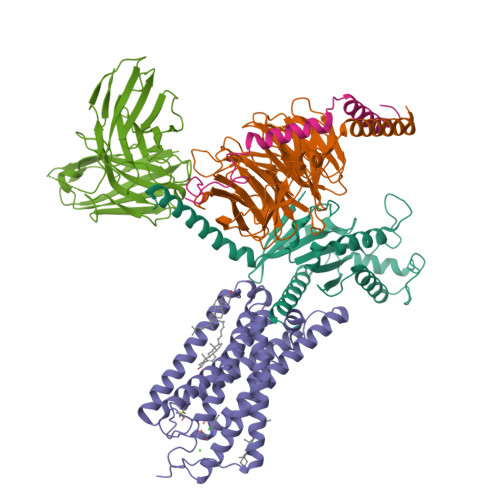
Click to view 3D structureStreptokinase AP10520Streptococcus pyogenes serotype M1Predicted (SEA)
Prediction Confidence Score
0.35
Applicability Domain
0.612
Statistical Significance
0.0051
Supporting Reference Compounds
425
E-value
39.6253
Click to view 3D structureATP-dependent molecular chaperone HSP82C4YTQ8Candida albicans (strain WO-1) (Yeast)Predicted (SEA)
Prediction Confidence Score
0.279
Applicability Domain
0.333
Statistical Significance
0.0184
Supporting Reference Compounds
205
E-value
143.632
Induced myeloid leukemia cell differentiation protein Mcl-1 structureClick to view 3D structureInduced myeloid leukemia cell differentiation protein Mcl-1Q07820HumansPredicted (SEA)
Prediction Confidence Score
0.267
Applicability Domain
0.323
Statistical Significance
0.0553
Supporting Reference Compounds
343
E-value
430.584
Photoreceptor-specific nuclear receptor structureClick to view 3D structurePhotoreceptor-specific nuclear receptorQ9Y5X4HumansPredicted (SEA)
Prediction Confidence Score
0.255
Applicability Domain
0.317
Statistical Significance
0.0244
Supporting Reference Compounds
90
E-value
189.719
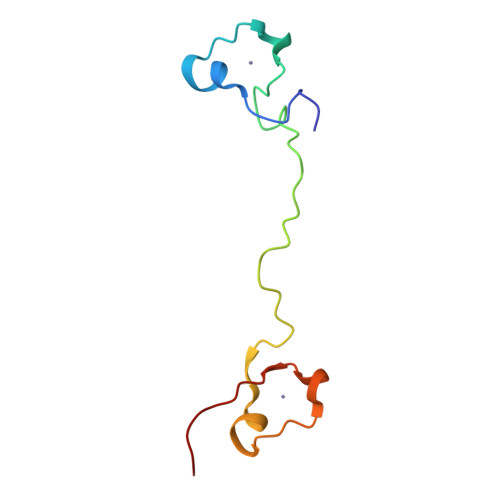
CDGSH iron-sulfur domain-containing protein 1 structureClick to view 3D structureCDGSH iron-sulfur domain-containing protein 1Q9NZ45HumansPredicted (SEA)
Prediction Confidence Score
0.243
Applicability Domain
0.612
Statistical Significance
0.0031
Supporting Reference Compounds
22
E-value
24.5225
Protein Tat structureClick to view 3D structureProtein TatP04608Human immunodeficiency virus type 1 group M subtype B (isolate HXB2)(HIV-1)Predicted (SEA)
Prediction Confidence Score
0.239
Applicability Domain
0.323
Statistical Significance
0.0317
Supporting Reference Compounds
108
E-value
246.86
Click to view 3D structureHeat shock factor protein 1P38532Mus musculusPredicted (SEA)
Prediction Confidence Score
0.238
Applicability Domain
0.294 Low confidence
Statistical Significance
0.1136
Supporting Reference Compounds
166
E-value
884.367
Click to view 3D structureGlucose-6-phosphate dehydrogenase-6-phosphogluconolactonaseQ9BHT9Plasmodium bergheiPredicted (SEA)
Prediction Confidence Score
0.236
Applicability Domain
0.288 Low confidence
Statistical Significance
0.0379
Supporting Reference Compounds
105
E-value
294.815
Click to view 3D structureNonstructural protein 1Q194T2Influenza A virusPredicted (SEA)
Prediction Confidence Score
0.235
Applicability Domain
0.246 Low confidence
Statistical Significance
0.0331
Supporting Reference Compounds
104
E-value
257.759
Large T antigen structureClick to view 3D structureLarge T antigenP03070Simian virus 40Predicted (SEA)
Prediction Confidence Score
0.232
Applicability Domain
0.288 Low confidence
Statistical Significance
0.0236
Supporting Reference Compounds
78
E-value
183.88
Click to view 3D structureCatechol O-methyltransferaseQ99028Sus scrofaPredicted (SEA)
Prediction Confidence Score
0.229
Applicability Domain
0.241 Low confidence
Statistical Significance
0.0012
Supporting Reference Compounds
2
E-value
9.18621
Endolysin structureClick to view 3D structureEndolysinP00720Enterobacteria phage T4Predicted (SEA)
Prediction Confidence Score
0.229
Applicability Domain
0.229 Low confidence
Statistical Significance
0.0053
Supporting Reference Compounds
1
E-value
41.0265
Fatty acid synthase structureClick to view 3D structureFatty acid synthaseP49327HumansPredicted (SEA)
Prediction Confidence Score
0.228
Applicability Domain
0.26 Low confidence
Statistical Significance
0.1078
Supporting Reference Compounds
117
E-value
838.903
Protein RecA structureClick to view 3D structureProtein RecAP9WHJ3Mycobacterium tuberculosisPredicted (SEA)
Prediction Confidence Score
0.228
Applicability Domain
0.3
Statistical Significance
0.2336
Supporting Reference Compounds
296
E-value
1818.25
Signal transducer and activator of transcription 3 structureClick to view 3D structureSignal transducer and activator of transcription 3P40763HumansPredicted (SEA)
Prediction Confidence Score
0.226
Applicability Domain
0.429
Statistical Significance
0.1042
Supporting Reference Compounds
93
E-value
811.578
Solute carrier family 2, facilitated glucose transporter member 1 structureClick to view 3D structureSolute carrier family 2, facilitated glucose transporter member 1P11166HumansPredicted (SEA)
Prediction Confidence Score
0.221
Applicability Domain
0.264 Low confidence
Statistical Significance
0.1365
Supporting Reference Compounds
62
E-value
1062.88
Click to view 3D structureDNA damage-inducible transcript 3 proteinP35639Mus musculusPredicted (SEA)
Prediction Confidence Score
0.22
Applicability Domain
0.323
Statistical Significance
0.2639
Supporting Reference Compounds
226
E-value
2054.67
X-box-binding protein 1 structureClick to view 3D structureX-box-binding protein 1P17861HumansPredicted (SEA)
Prediction Confidence Score
0.22
Applicability Domain
0.323
Statistical Significance
0.2644
Supporting Reference Compounds
227
E-value
2058.02
Myeloperoxidase structureClick to view 3D structureMyeloperoxidaseP05164HumansPredicted (SEA)
Prediction Confidence Score
0.219
Applicability Domain
0.429
Statistical Significance
0.039
Supporting Reference Compounds
43
E-value
304.001
Toll-like receptor 9 structureClick to view 3D structureToll-like receptor 9Q9NR96HumansPredicted (SEA)
Prediction Confidence Score
0.216
Applicability Domain
0.294 Low confidence
Statistical Significance
0.1378
Supporting Reference Compounds
111
E-value
1072.84
Click to view 3D structureIntestinal-type alkaline phosphataseP24822Mus musculusPredicted (SEA)
Prediction Confidence Score
0.215
Applicability Domain
0.238 Low confidence
Statistical Significance
0.0353
Supporting Reference Compounds
58
E-value
275.197
Dual specificity protein phosphatase 3 structureClick to view 3D structureDual specificity protein phosphatase 3P51452HumansPredicted (SEA)
Prediction Confidence Score
0.212
Applicability Domain
0.241 Low confidence
Statistical Significance
0.2058
Supporting Reference Compounds
147
E-value
1602.06
DNA (cytosine-5)-methyltransferase 1 structureClick to view 3D structureDNA (cytosine-5)-methyltransferase 1P26358HumansPredicted (SEA)
Prediction Confidence Score
0.211
Applicability Domain
0.268 Low confidence
Statistical Significance
0.2
Supporting Reference Compounds
116
E-value
1557.22
G-protein coupled receptor 35 structureClick to view 3D structureG-protein coupled receptor 35Q9HC97HumansPredicted (SEA)
Prediction Confidence Score
0.21
Applicability Domain
0.294 Low confidence
Statistical Significance
0.2327
Supporting Reference Compounds
115
E-value
1811.55
RNA-binding protein pos-1 structureClick to view 3D structureRNA-binding protein pos-1G5EF15Caenorhabditis elegansPredicted (SEA)
Prediction Confidence Score
0.21
Applicability Domain
0.333
Statistical Significance
0.034
Supporting Reference Compounds
52
E-value
264.532
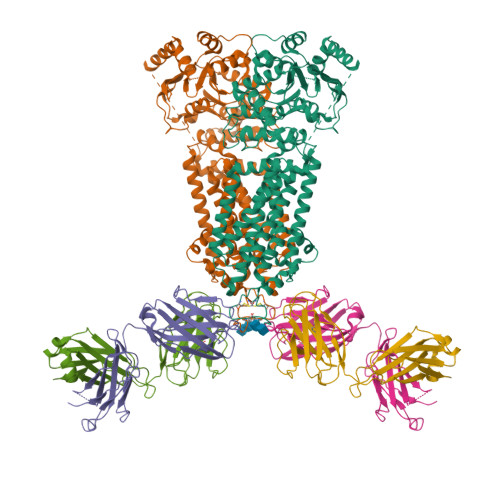
Broad substrate specificity ATP-binding cassette transporter ABCG2 structureClick to view 3D structureBroad substrate specificity ATP-binding cassette transporter ABCG2Q9UNQ0HumansKnownNot Available
Concentrations
Not Available
External Links
IdentifiersNot Available
References
Synthesis ReferenceNot Available
MSDSNot Available
General ReferencesNot Available