 Click to view 3D structure | Sodium- and chloride-dependent GABA transporter 2 | P31646 | Rattus norvegicus | Predicted (SEA) | - Prediction Confidence Score
- 0.357
- Applicability Domain
- 0.357
- Statistical Significance
- 7.00e-05
- Supporting Reference Compounds
- 1
- E-value
- 0.544945
|
 Click to view 3D structure | Monoglyceride lipase | Q99685 | Humans | Predicted (SEA) | - Prediction Confidence Score
- 0.339
- Applicability Domain
- 0.6
- Statistical Significance
- 0.0021
- Supporting Reference Compounds
- 76
- E-value
- 16.7376
|
 Click to view 3D structure | Peroxisome proliferator-activated receptor alpha | Q07869 | Humans | Predicted (SEA) | - Prediction Confidence Score
- 0.321
- Applicability Domain
- 0.333
- Statistical Significance
- 0.0084
- Supporting Reference Compounds
- 127
- E-value
- 65.3933
|
 Click to view 3D structure | Peroxisome proliferator-activated receptor delta | Q03181 | Humans | Predicted (SEA) | - Prediction Confidence Score
- 0.312
- Applicability Domain
- 0.333
- Statistical Significance
- 0.0072
- Supporting Reference Compounds
- 89
- E-value
- 56.1293
|
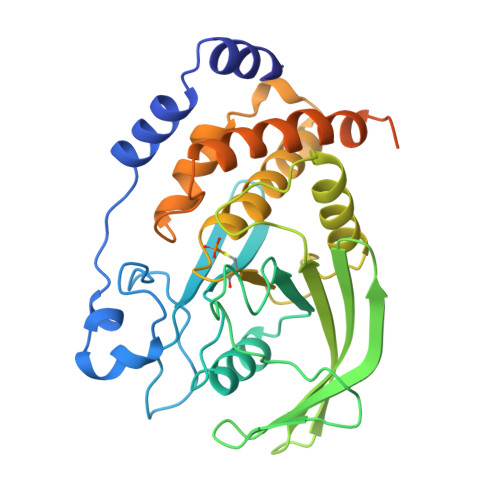 Click to view 3D structure | Tyrosine-protein phosphatase non-receptor type 1 | P18031 | Humans | Predicted (SEA) | - Prediction Confidence Score
- 0.311
- Applicability Domain
- 0.333
- Statistical Significance
- 0.0077
- Supporting Reference Compounds
- 197
- E-value
- 59.6325
|
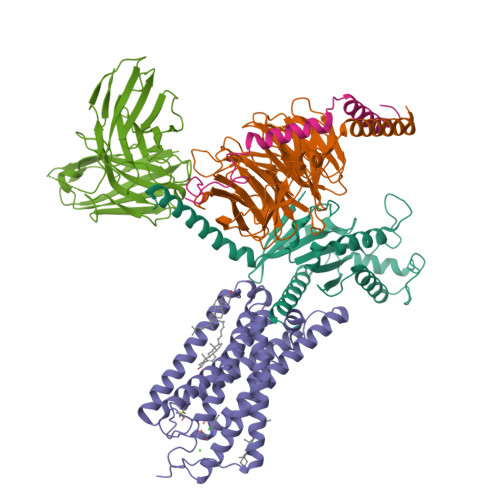 Click to view 3D structure | G-protein coupled receptor 35 | Q9HC97 | Humans | Predicted (SEA) | - Prediction Confidence Score
- 0.307
- Applicability Domain
- 0.6
- Statistical Significance
- 0.0027
- Supporting Reference Compounds
- 115
- E-value
- 20.7857
|
| Click to view 3D structure | Histone deacetylase 11 | Q96DB2 | Humans | Predicted (SEA) | - Prediction Confidence Score
- 0.307
- Applicability Domain
- 0.333
- Statistical Significance
- 0.015
- Supporting Reference Compounds
- 149
- E-value
- 116.774
|
 Click to view 3D structure | Peroxisome proliferator-activated receptor gamma | P37231 | Humans | Predicted (SEA) | - Prediction Confidence Score
- 0.303
- Applicability Domain
- 0.333
- Statistical Significance
- 0.0169
- Supporting Reference Compounds
- 192
- E-value
- 131.409
|
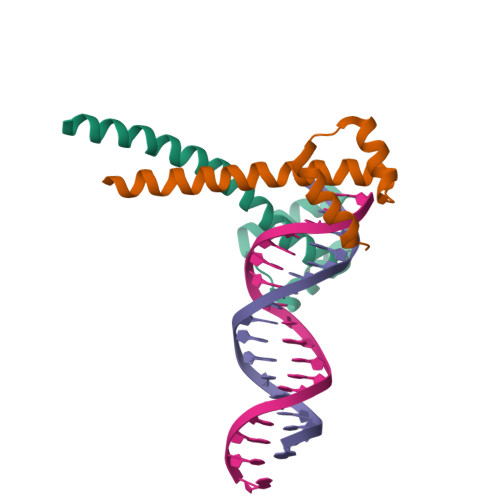 Click to view 3D structure | Homeobox-leucine zipper protein PROTODERMAL FACTOR 2 | Q93V99 | Arabidopsis thaliana | Predicted (SEA) | - Prediction Confidence Score
- 0.288
- Applicability Domain
- 0.288 Low confidence
- Statistical Significance
- 5.20e-04
- Supporting Reference Compounds
- 1
- E-value
- 4.04816
|
 Click to view 3D structure | Free fatty acid receptor 1 | O14842 | Humans | Predicted (SEA) | - Prediction Confidence Score
- 0.285
- Applicability Domain
- 0.333
- Statistical Significance
- 0.0113
- Supporting Reference Compounds
- 56
- E-value
- 87.9696
|
 Click to view 3D structure | Transient receptor potential cation channel subfamily V member 2 | Q9WUD2 | Rattus norvegicus | Predicted (SEA) | - Prediction Confidence Score
- 0.278
- Applicability Domain
- 0.333
- Statistical Significance
- 0.0032
- Supporting Reference Compounds
- 21
- E-value
- 24.7561
|
| Click to view 3D structure | DNA damage-inducible transcript 3 protein | P35639 | Mus musculus | Predicted (SEA) | - Prediction Confidence Score
- 0.278
- Applicability Domain
- 0.6
- Statistical Significance
- 0.0216
- Supporting Reference Compounds
- 226
- E-value
- 168.154
|
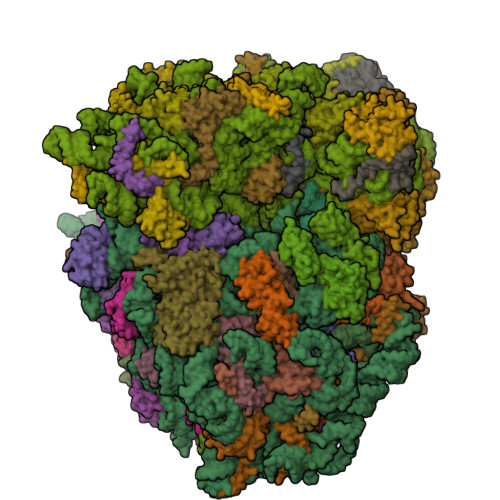 Click to view 3D structure | X-box-binding protein 1 | P17861 | Humans | Predicted (SEA) | - Prediction Confidence Score
- 0.278
- Applicability Domain
- 0.6
- Statistical Significance
- 0.0216
- Supporting Reference Compounds
- 227
- E-value
- 168.154
|
 Click to view 3D structure | G-protein coupled receptor 55 | Q9Y2T6 | Humans | Predicted (SEA) | - Prediction Confidence Score
- 0.277
- Applicability Domain
- 0.6
- Statistical Significance
- 0.0097
- Supporting Reference Compounds
- 125
- E-value
- 75.4359
|
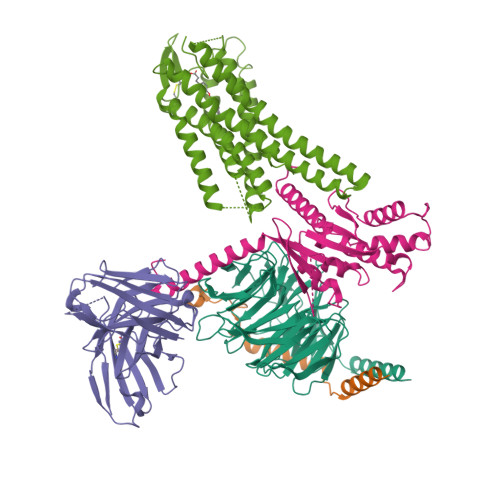 Click to view 3D structure | Free fatty acid receptor 4 | Q5NUL3 | Humans | Predicted (SEA) | - Prediction Confidence Score
- 0.274
- Applicability Domain
- 0.333
- Statistical Significance
- 0.0121
- Supporting Reference Compounds
- 63
- E-value
- 94.5868
|
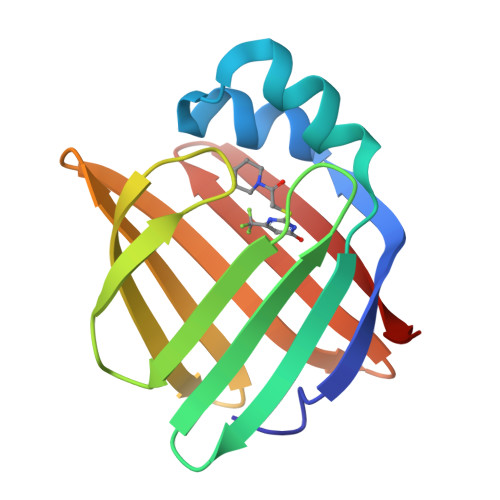 Click to view 3D structure | Fatty acid-binding protein, adipocyte | P15090 | Humans | Predicted (SEA) | - Prediction Confidence Score
- 0.27
- Applicability Domain
- 0.333
- Statistical Significance
- 0.0022
- Supporting Reference Compounds
- 19
- E-value
- 17.2825
|
| Click to view 3D structure | Cytosolic phospholipase A2 | A4IFJ5 | Bos taurus | Predicted (SEA) | - Prediction Confidence Score
- 0.269
- Applicability Domain
- 0.269 Low confidence
- Statistical Significance
- 0.0023
- Supporting Reference Compounds
- 1
- E-value
- 18.061
|
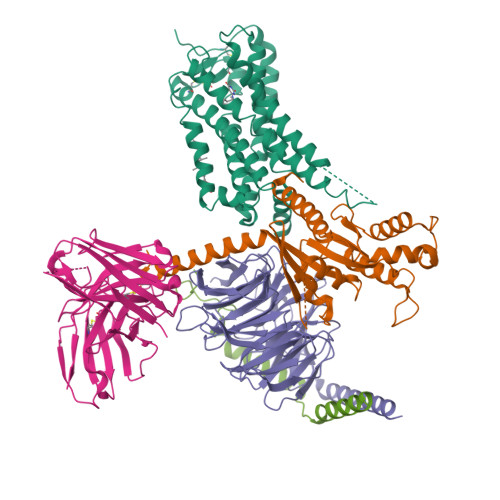 Click to view 3D structure | G-protein coupled receptor 84 | Q9NQS5 | Humans | Predicted (SEA) | - Prediction Confidence Score
- 0.262
- Applicability Domain
- 0.333
- Statistical Significance
- 0.0021
- Supporting Reference Compounds
- 15
- E-value
- 16.4262
|
 Click to view 3D structure | Induced myeloid leukemia cell differentiation protein Mcl-1 | Q07820 | Humans | Predicted (SEA) | - Prediction Confidence Score
- 0.26
- Applicability Domain
- 0.321
- Statistical Significance
- 0.0699
- Supporting Reference Compounds
- 343
- E-value
- 544.477
|
 Click to view 3D structure | Fatty acid-binding protein, heart | P05413 | Humans | Predicted (SEA) | - Prediction Confidence Score
- 0.257
- Applicability Domain
- 0.333
- Statistical Significance
- 0.0017
- Supporting Reference Compounds
- 13
- E-value
- 13.3122
|
| Click to view 3D structure | Oxoeicosanoid receptor 1 | Q8TDS5 | Humans | Predicted (SEA) | - Prediction Confidence Score
- 0.256
- Applicability Domain
- 0.306
- Statistical Significance
- 9.20e-04
- Supporting Reference Compounds
- 4
- E-value
- 7.16213
|
| Click to view 3D structure | Long-chain-fatty-acid--CoA ligase 6 | Q9UKU0 | Humans | Predicted (SEA) | - Prediction Confidence Score
- 0.255
- Applicability Domain
- 0.255 Low confidence
- Statistical Significance
- 0.0055
- Supporting Reference Compounds
- 1
- E-value
- 43.1285
|
 Click to view 3D structure | Protein deacetylase HDAC6 | Q9UBN7 | Humans | Predicted (SEA) | - Prediction Confidence Score
- 0.252
- Applicability Domain
- 0.277 Low confidence
- Statistical Significance
- 0.2501
- Supporting Reference Compounds
- 553
- E-value
- 1946.78
|
 Click to view 3D structure | Prostaglandin E2 receptor EP2 subtype | P43116 | Humans | Predicted (SEA) | - Prediction Confidence Score
- 0.252
- Applicability Domain
- 0.269 Low confidence
- Statistical Significance
- 0.0242
- Supporting Reference Compounds
- 95
- E-value
- 188.162
|
| Click to view 3D structure | Fatty-acid amide hydrolase 1 | O00519 | Humans | Predicted (SEA) | - Prediction Confidence Score
- 0.252
- Applicability Domain
- 0.405
- Statistical Significance
- 0.068
- Supporting Reference Compounds
- 106
- E-value
- 529.141
|

