 Click to view 3D structure | Asc-type amino acid transporter 1 | P63116 | Rat | Predicted (SEA) | - Prediction Confidence Score
- 0.429
- Applicability Domain
- 0.429
- Statistical Significance
- 6.00e-05
- Supporting Reference Compounds
- 2
- E-value
- 0.467095
|
| Click to view 3D structure | Aspartate-semialdehyde dehydrogenase | O25801 | Helicobacter pylori (strain ATCC 700392 / 26695) (Campylobacterpylori) | Predicted (SEA) | - Prediction Confidence Score
- 0.424
- Applicability Domain
- 0.424
- Statistical Significance
- 1.00e-05
- Supporting Reference Compounds
- 1
- E-value
- 0.0778492
|
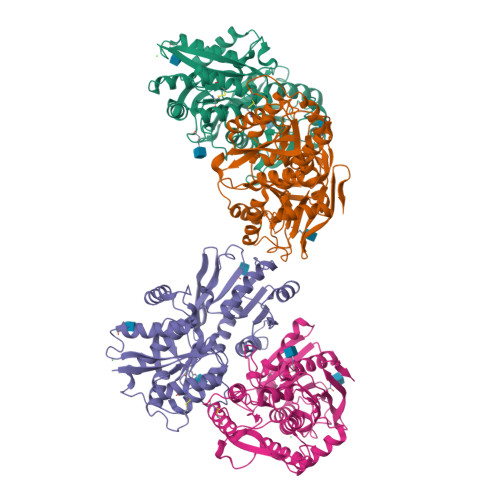 Click to view 3D structure | Glutamate receptor ionotropic, kainate 3 | P42264 | Rattus norvegicus | Predicted (SEA) | - Prediction Confidence Score
- 0.392
- Applicability Domain
- 0.444
- Statistical Significance
- 2.00e-04
- Supporting Reference Compounds
- 26
- E-value
- 1.55698
|
 Click to view 3D structure | Kynureninase | Q16719 | Humans | Predicted (SEA) | - Prediction Confidence Score
- 0.388
- Applicability Domain
- 0.41
- Statistical Significance
- 2.00e-05
- Supporting Reference Compounds
- 2
- E-value
- 0.155698
|
| Click to view 3D structure | Voltage-dependent calcium channel subunit alpha-2/delta-1 | O08532 | Mus musculus | Predicted (SEA) | - Prediction Confidence Score
- 0.374
- Applicability Domain
- 0.516
- Statistical Significance
- 6.00e-05
- Supporting Reference Compounds
- 3
- E-value
- 0.467095
|
| Click to view 3D structure | Glutamate racemase | Q03469 | Lactobacillus fermentum | Predicted (SEA) | - Prediction Confidence Score
- 0.372
- Applicability Domain
- 0.372
- Statistical Significance
- 1.90e-04
- Supporting Reference Compounds
- 1
- E-value
- 1.47914
|
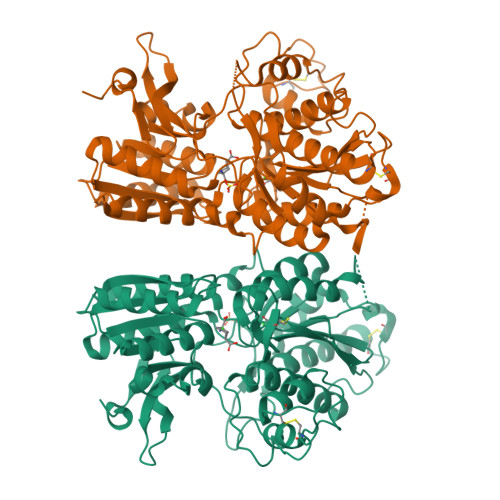 Click to view 3D structure | Metabotropic glutamate receptor 2 | Q14416 | Humans | Predicted (SEA) | - Prediction Confidence Score
- 0.369
- Applicability Domain
- 0.444
- Statistical Significance
- 0.001
- Supporting Reference Compounds
- 85
- E-value
- 8.09632
|
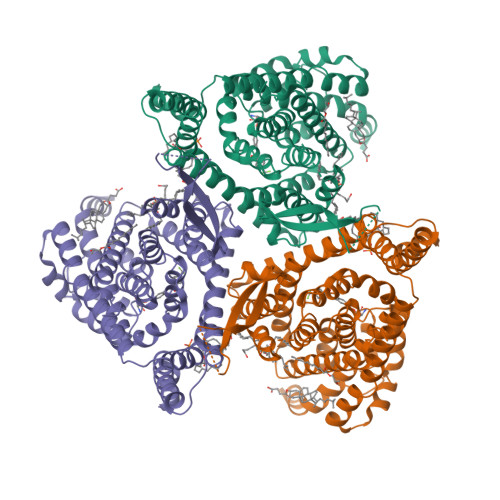 Click to view 3D structure | Excitatory amino acid transporter 3 | P43005 | Humans | Predicted (SEA) | - Prediction Confidence Score
- 0.367
- Applicability Domain
- 0.4
- Statistical Significance
- 2.80e-04
- Supporting Reference Compounds
- 13
- E-value
- 2.17978
|
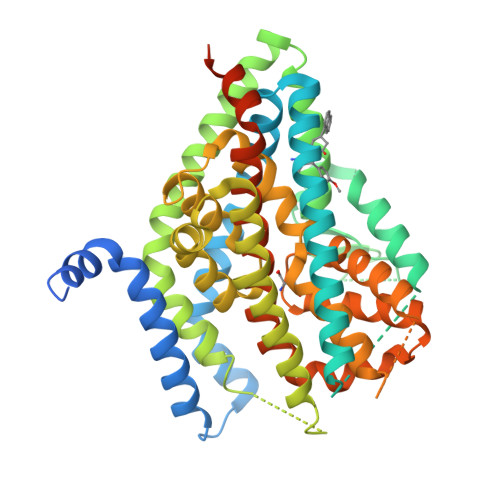 Click to view 3D structure | Excitatory amino acid transporter 1 | P43003 | Humans | Predicted (SEA) | - Prediction Confidence Score
- 0.366
- Applicability Domain
- 0.4
- Statistical Significance
- 7.00e-05
- Supporting Reference Compounds
- 11
- E-value
- 0.544945
|
| Click to view 3D structure | Kynureninase | P70712 | Rattus norvegicus | Predicted (SEA) | - Prediction Confidence Score
- 0.366
- Applicability Domain
- 0.366
- Statistical Significance
- 8.00e-05
- Supporting Reference Compounds
- 1
- E-value
- 0.622794
|
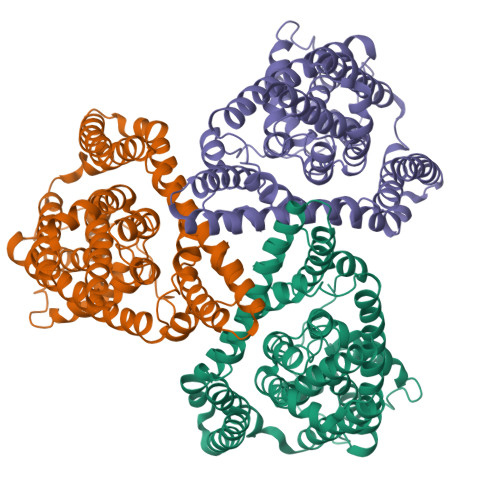 Click to view 3D structure | Glutamate transporter homolog | O59010 | Pyrococcus horikoshii (strain ATCC 700860 / DSM 12428 / JCM 9974 /NBRC 100139 / OT-3) | Predicted (SEA) | - Prediction Confidence Score
- 0.364
- Applicability Domain
- 0.367
- Statistical Significance
- 6.00e-05
- Supporting Reference Compounds
- 3
- E-value
- 0.467095
|
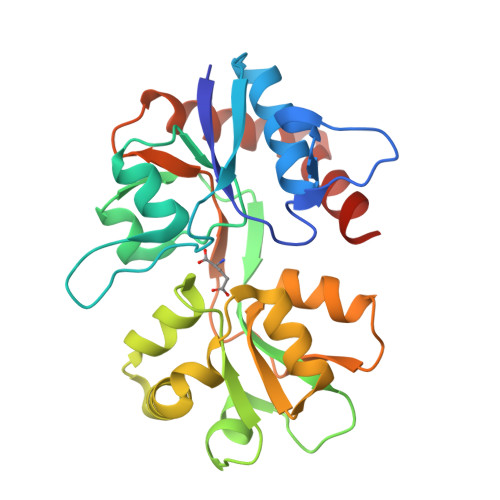 Click to view 3D structure | Glutamate receptor ionotropic, kainate 1 | P22756 | Rattus norvegicus | Predicted (SEA) | - Prediction Confidence Score
- 0.352
- Applicability Domain
- 0.372
- Statistical Significance
- 3.10e-04
- Supporting Reference Compounds
- 45
- E-value
- 2.41333
|
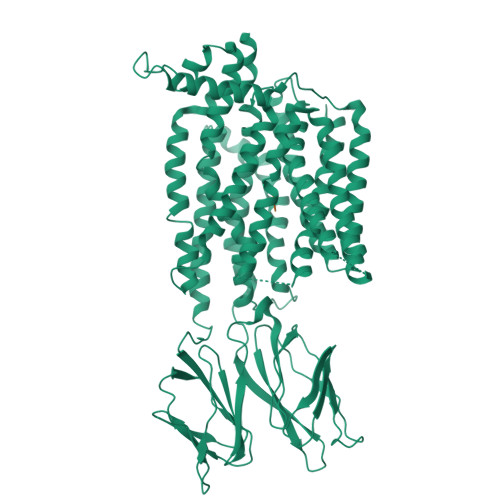 Click to view 3D structure | Solute carrier family 15 member 1 | P46059 | Humans | Predicted (SEA) | - Prediction Confidence Score
- 0.35
- Applicability Domain
- 0.366
- Statistical Significance
- 0.0015
- Supporting Reference Compounds
- 3
- E-value
- 11.7552
|
 Click to view 3D structure | Glutamate receptor ionotropic, kainate 1 | P39086 | Humans | Predicted (SEA) | - Prediction Confidence Score
- 0.345
- Applicability Domain
- 0.39
- Statistical Significance
- 2.80e-04
- Supporting Reference Compounds
- 31
- E-value
- 2.17978
|
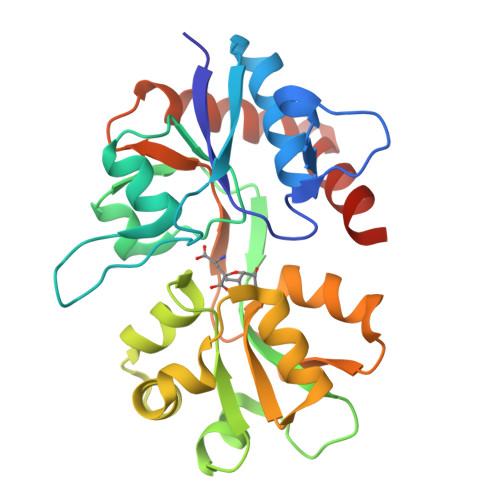 Click to view 3D structure | Glutamate receptor ionotropic, kainate 2 | Q13002 | Humans | Predicted (SEA) | - Prediction Confidence Score
- 0.345
- Applicability Domain
- 0.39
- Statistical Significance
- 1.60e-04
- Supporting Reference Compounds
- 16
- E-value
- 1.24559
|
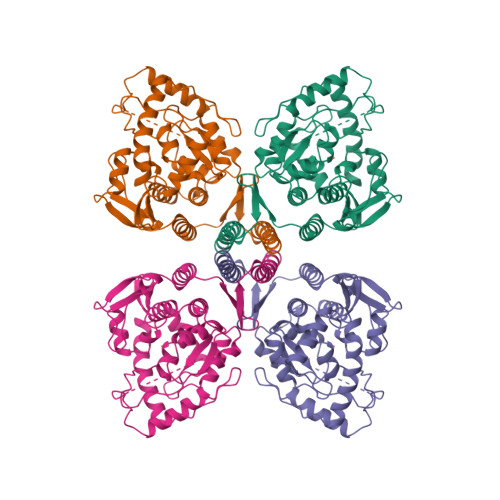 Click to view 3D structure | Tyrosine 3-monooxygenase | P04177 | Rattus norvegicus | Predicted (SEA) | - Prediction Confidence Score
- 0.341
- Applicability Domain
- 0.341
- Statistical Significance
- 1.50e-04
- Supporting Reference Compounds
- 1
- E-value
- 1.16774
|
 Click to view 3D structure | Alkaline phosphatase, tissue-nonspecific isozyme | P05186 | Humans | Predicted (SEA) | - Prediction Confidence Score
- 0.335
- Applicability Domain
- 0.516
- Statistical Significance
- 3.90e-04
- Supporting Reference Compounds
- 48
- E-value
- 3.03612
|
| Click to view 3D structure | Intestinal-type alkaline phosphatase | P09923 | Humans | Predicted (SEA) | - Prediction Confidence Score
- 0.333
- Applicability Domain
- 0.516
- Statistical Significance
- 3.90e-04
- Supporting Reference Compounds
- 37
- E-value
- 3.03612
|
 Click to view 3D structure | Glutamate receptor 1 | P19490 | Rattus norvegicus | Predicted (SEA) | - Prediction Confidence Score
- 0.331
- Applicability Domain
- 0.356
- Statistical Significance
- 0.0011
- Supporting Reference Compounds
- 37
- E-value
- 8.64126
|
| Click to view 3D structure | Metabotropic glutamate receptor 8 | P47743 | Mus musculus | Predicted (SEA) | - Prediction Confidence Score
- 0.329
- Applicability Domain
- 0.344
- Statistical Significance
- 2.70e-04
- Supporting Reference Compounds
- 2
- E-value
- 2.10193
|
| Click to view 3D structure | Glutamate receptor ionotropic, kainate 3 | Q13003 | Humans | Predicted (SEA) | - Prediction Confidence Score
- 0.326
- Applicability Domain
- 0.344
- Statistical Significance
- 1.60e-04
- Supporting Reference Compounds
- 15
- E-value
- 1.24559
|
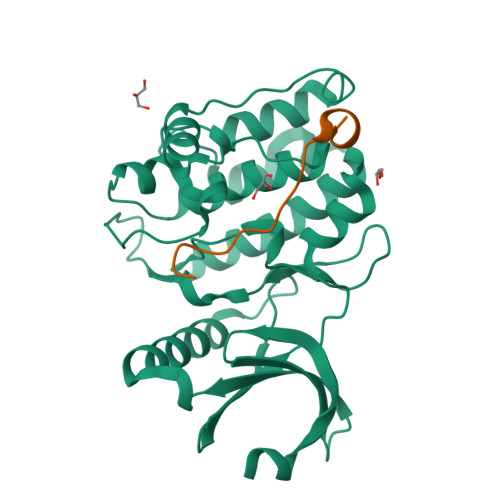 Click to view 3D structure | Glutamate receptor 1 | P42261 | Humans | Predicted (SEA) | - Prediction Confidence Score
- 0.324
- Applicability Domain
- 0.344
- Statistical Significance
- 5.60e-04
- Supporting Reference Compounds
- 37
- E-value
- 4.35956
|
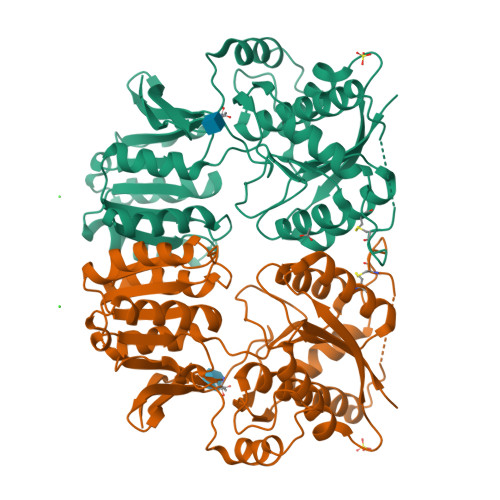 Click to view 3D structure | Glutamate receptor 2 | P42262 | Humans | Predicted (SEA) | - Prediction Confidence Score
- 0.324
- Applicability Domain
- 0.344
- Statistical Significance
- 3.10e-04
- Supporting Reference Compounds
- 41
- E-value
- 2.41333
|
| Click to view 3D structure | Glutamate receptor ionotropic, kainate 5 | Q16478 | Humans | Predicted (SEA) | - Prediction Confidence Score
- 0.324
- Applicability Domain
- 0.344
- Statistical Significance
- 2.10e-04
- Supporting Reference Compounds
- 17
- E-value
- 1.63483
|
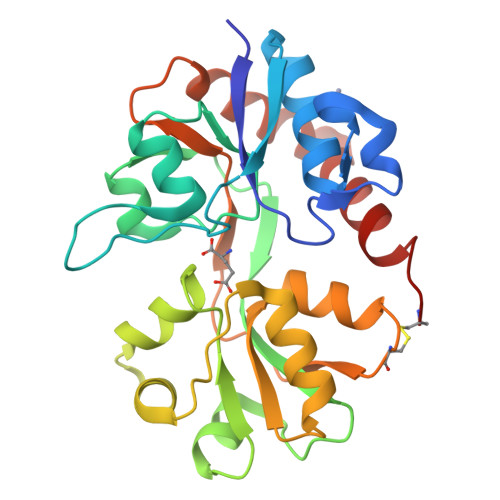 Click to view 3D structure | Glutamate receptor 2 | P19491 | Rattus norvegicus | Predicted (SEA) | - Prediction Confidence Score
- 0.324
- Applicability Domain
- 0.356
- Statistical Significance
- 1.40e-04
- Supporting Reference Compounds
- 34
- E-value
- 1.08989
|

