Dibutylcarbamodithioic acid (CED0000072)

Record Information
Version1.0
Creation Date2026-08-25 15:38:00 UTC
Update Date2026-08-25 15:38:00 UTC
SynCED IDCED0000072
Secondary Accession Numbers
  • CHEM266769
Identification
Common NameDibutylcarbamodithioic acid
ClassSmall Molecule
Description
Dibutylcarbamodithioic acid is an organic compound with the chemical formula C9H19NS2 and an average molecular weight of 205.40 g/mol. Dibutylcarbamodithioic acid belongs to the organosulfur compounds, a superclass within the organic compounds. This substance has been identified in or released from nine recorded sources across various sectors. Within electrical and electronic equipment, it is associated with conductors or conductive bodies characterized by the conductive materials, contacts, electric switches, electrodes, and emergency protective devices, among others. In the building and construction sector, it is found in ladders. Additionally, the compound is linked to food, food processing, and cookware, specifically regarding food preservation. It is also recorded in household cleaning and consumer products, specifically in soap detergents.
Contaminant TypeNot Available
Chemical Structure
SynonymsNot Available
Chemical FormulaC9H19NS2
Average Molecular Mass205.400 g/mol
Monoisotopic Mass205.096 g/mol
CAS Registry Number150-11-8
IUPAC NameNot Available
Traditional NameNot Available
SMILESNot Available
InChI IdentifierInChI=1S/C9H19NS2/c1-3-5-7-10(9(11)12)8-6-4-2/h3-8H2,1-2H3,(H,11,12)
InChI KeySZRLKIKBPASKQH-UHFFFAOYSA-N
Chemical Taxonomy
ClassificationNot classified
Biological Properties
StatusDetected and Not Quantified
OriginNot Available
Cellular LocationsNot Available
Biofluid LocationsNot Available
Tissue LocationsNot Available
ApplicationsNot Available
Biological RolesNot Available
Chemical RolesNot Available
Organoleptic EffectsNot Available
Physical Properties
StateNot Available
AppearanceNot Available
Experimental Properties
PropertyValue
Melting PointNot Available
Boiling PointNot Available
SolubilityNot Available
Predicted PropertiesNot Available
Spectra
SpectraNot Available
Toxicity Profile
Toxicity Values
Toxicity ValueOrganismDose DescriptorRoute of ExposurePredicted or ExperimentalToxicity RatingReference
834.0 Log mg/kg [470:1500]RatLD50oralpredictedNot AvailableNot Available
Toxicity / Toxin ClassNot Available
Mechanism of ToxicityNot Available
Carcinogenicity (IARC Classification)Not Available
Minimum Risk LevelNot Available
SymptomsNot Available
TreatmentNot Available
Health Effects
Health EffectRelationshipDirectionReference
Exposure Sources
Source IDSourceSectorReference
CEDs000233Brushes?Brushes used in personal care and cosmetics can be a source of synthetic chemical contamination due to the materials and coatings used in their manufacturing.Personal care & cosmeticsNot Available
CEDs000498Ladders?Ladders, commonly used in various construction and maintenance activities, can become a source of synthetic chemical contamination due to the materials and coatings applied during their manufacture and use.Building & ConstructionNot Available
CEDs000511Conductors Or Conductive Bodies Characterised By The Conductive Materials?Conductors, or conductive bodies, are materials that allow the flow of electrical current, typically made from metals such as copper, aluminum, or silver.Electrical & Electronic EquipmentNot Available
CEDs000512Contacts?Contacts in electrical and electronic equipment are components that facilitate the flow of electricity between circuits.Electrical & Electronic EquipmentNot Available
CEDs000517Electric Switches?Electric switches, integral components in numerous devices, can be a source of synthetic chemical contamination due to the materials and manufacturing processes involved in their production.Electrical & Electronic EquipmentNot Available
CEDs000519Electrodes?Electrodes, used in various electrical and electronic applications, can be a source of synthetic chemical contamination due to the materials from which they are constructed and the processes involved in their manufacturing.Electrical & Electronic EquipmentNot Available
CEDs000520Emergency Protective Devices?Emergency protective devices, such as circuit breakers and surge protectors, are essential components in electrical systems designed to prevent damage from overcurrent and surges.Electrical & Electronic EquipmentNot Available
CEDs000527Magnets?Magnets, commonly used in various electrical and electronic applications, can be a source of synthetic chemical contamination due to the materials used in their production.Electrical & Electronic EquipmentNot Available
CEDs000545Food Preservation?Food preservation often involves the use of synthetic chemicals, such as preservatives, flavor enhancers, and color additives, to extend shelf life and enhance the sensory qualities of food products.Food, food processing & cookwareNot Available
CEDs000563Soap Detergents?Soap detergents are synthetic surfactants designed to enhance the cleaning efficacy of water by reducing surface tension, allowing for better interaction with dirt and grease.Household cleaning & consumer productsNot Available
CEDs000581Paper Making Machines?Paper making machines utilize various synthetic chemicals throughout the production process, including additives, coatings, and bleaching agents.Industrial manufacturing & chemical processingNot Available
CEDs000583Anchoring Equipment?Anchoring equipment, commonly used in marine applications, can be a source of synthetic chemical contamination due to the materials and coatings utilized in their manufacturing.Marine, shipping & aquacultureNot Available
CEDs000611Anti Perspirants Or Body Deoderants?Antiperspirants and body deodorants commonly contain synthetic chemicals such as aluminum compounds, parabens, and synthetic fragrances.Personal care & cosmeticsNot Available
CEDs000632Apparel?Apparel production often involves the use of various synthetic chemicals, including dyes, finishing agents, and preservatives.Textiles, leather & furnishingsNot Available
CEDs000640Embroidering And Tufting?Embroidering and tufting processes often involve the use of synthetic chemicals such as dyes, adhesives, and finishing agents.Textiles, leather & furnishingsNot Available
CEDs000642Footwear?Footwear production often involves the use of various synthetic chemicals, such as adhesives, dyes, and treatments, which can contribute to environmental contamination.Textiles, leather & furnishingsNot Available
CEDs000647Multicolour Dyeing?Multicolour dyeing involves the application of multiple synthetic dyes to textiles and other materials to achieve vibrant, diverse color patterns.Textiles, leather & furnishingsNot Available
CEDs000650Purses Luggage Hand Bags?Purses, luggage, and handbags are often manufactured using synthetic materials such as polyvinyl chloride (PVC), polyurethane, and various types of nylon.Textiles, leather & furnishingsNot Available
CEDs000652Ropes?Ropes manufactured from synthetic fibers, such as polypropylene, nylon, and polyester, are widely used in various applications, including marine, construction, and outdoor activities.Textiles, leather & furnishingsNot Available
CEDs000653Sewing?Sewing processes often involve the use of various synthetic chemicals, which can become sources of contamination in the environment.Textiles, leather & furnishingsNot Available
CEDs000662Yarns Or Threads?Yarns or threads used in textiles can be a source of synthetic chemical contamination due to the production processes and treatments they undergo.Textiles, leather & furnishingsNot Available
CEDs000671Airplanes And Helicopters?Airplanes and helicopters are significant sources of synthetic chemical contamination primarily through the use of aviation fuels, lubricants, and de-icing agents.Aviation & AerospaceNot Available
CEDs000696Nanotechnology?Nanotechnology involves the manipulation of materials at the molecular or atomic level, typically within the range of 1 to 100 nanometers.Industrial manufacturing & chemical processingNot Available
CEDs000735Explosives?Explosives are chemical compounds or mixtures designed to undergo rapid decomposition, releasing energy in the form of gas and heat.Defense & military infrastructureNot Available
CEDs000739Inks?Inks are complex mixtures composed of pigments or dyes, solvents, resins, and additives used primarily for printing and writing applications.Paper, pulp & fiber productsNot Available
CEDs000740Paper?Paper production involves the processing of wood fibers and the use of various chemicals, which can lead to synthetic chemical contamination.Paper, pulp & fiber productsNot Available
CEDs000742Leather Tanning?Leather tanning is a process that transforms raw animal hides into durable leather through the application of various chemicals, including chromium salts, aldehydes, and vegetable tannins.Textiles, leather & furnishingsNot Available
CEDs000744Water, Wastewater, & Sewage Treatment?Water, wastewater, and sewage treatment processes are critical for managing and mitigating pollutants in water systems.Wastewater, sanitation & biosolidsNot Available
Pathways
0 pathwaysPathway Source: PathBank

No pathways found

No metabolic pathways have been associated with this synthetic chemical

Targets
StructureProteinUniProt IDOrganismRelationshipDetails
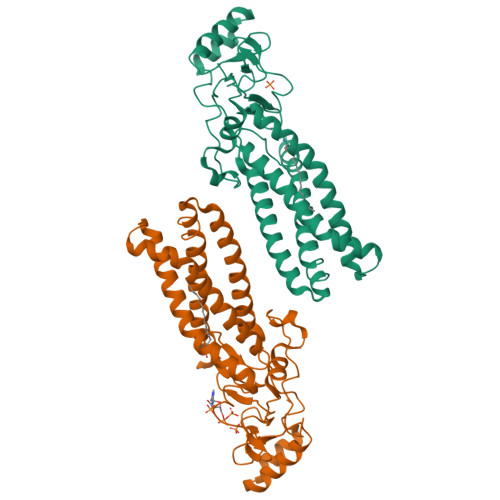
Gasdermin-D structureClick to view 3D structureGasdermin-DP57764HumansPredicted (SEA)
Prediction Confidence Score
0.421
Applicability Domain
0.545
Statistical Significance
3.00e-05
Supporting Reference Compounds
2
E-value
0.233548
Gasdermin-D structureClick to view 3D structureGasdermin-DQ9D8T2Mus musculusPredicted (SEA)
Prediction Confidence Score
0.421
Applicability Domain
0.545
Statistical Significance
3.00e-05
Supporting Reference Compounds
2
E-value
0.233548
Carbonic anhydrase 1 structureClick to view 3D structureCarbonic anhydrase 1P00915HumansPredicted (SEA)
Prediction Confidence Score
0.299
Applicability Domain
0.583
Statistical Significance
0.0396
Supporting Reference Compounds
407
E-value
308.205
Click to view 3D structureCarbamate kinaseO97438Giardia intestinalisPredicted (SEA)
Prediction Confidence Score
0.296
Applicability Domain
0.296 Low confidence
Statistical Significance
2.00e-05
Supporting Reference Compounds
1
E-value
0.155698
Carbonic anhydrase 2 structureClick to view 3D structureCarbonic anhydrase 2P00918HumansPredicted (SEA)
Prediction Confidence Score
0.294
Applicability Domain
0.583
Statistical Significance
0.0534
Supporting Reference Compounds
472
E-value
415.948
Carbonic anhydrase 12 structureClick to view 3D structureCarbonic anhydrase 12O43570HumansPredicted (SEA)
Prediction Confidence Score
0.287
Applicability Domain
0.583
Statistical Significance
0.0431
Supporting Reference Compounds
332
E-value
335.842
Click to view 3D structureCarbonic anhydrase 1Q9V396Drosophila melanogasterPredicted (SEA)
Prediction Confidence Score
0.286
Applicability Domain
0.583
Statistical Significance
2.00e-05
Supporting Reference Compounds
4
E-value
0.155698
Click to view 3D structureCarbonic anhydrase 2, isoform AQ9VTU8Drosophila melanogasterPredicted (SEA)
Prediction Confidence Score
0.286
Applicability Domain
0.583
Statistical Significance
2.00e-05
Supporting Reference Compounds
4
E-value
0.155698
Carbonic anhydrase 9 structureClick to view 3D structureCarbonic anhydrase 9Q16790HumansPredicted (SEA)
Prediction Confidence Score
0.274
Applicability Domain
0.583
Statistical Significance
0.0677
Supporting Reference Compounds
372
E-value
526.806
Palmitoyltransferase ZDHHC20 structureClick to view 3D structurePalmitoyltransferase ZDHHC20Q5W0Z9HumansPredicted (SEA)
Prediction Confidence Score
0.252
Applicability Domain
0.282 Low confidence
Statistical Significance
3.90e-04
Supporting Reference Compounds
3
E-value
3.03612
Click to view 3D structureSarcoplasmic/endoplasmic reticulum calcium ATPase 3Q64518Mus musculusPredicted (SEA)
Prediction Confidence Score
0.242
Applicability Domain
0.242 Low confidence
Statistical Significance
0.0055
Supporting Reference Compounds
1
E-value
42.5057
Monoglyceride lipase structureClick to view 3D structureMonoglyceride lipaseQ99685HumansPredicted (SEA)
Prediction Confidence Score
0.228
Applicability Domain
0.296 Low confidence
Statistical Significance
0.0846
Supporting Reference Compounds
76
E-value
658.527
Alpha-2A adrenergic receptor structureClick to view 3D structureAlpha-2A adrenergic receptorP08913HumansPredicted (SEA)
Prediction Confidence Score
0.226
Applicability Domain
0.296 Low confidence
Statistical Significance
0.367
Supporting Reference Compounds
487
E-value
2857.46
Adenosine receptor A3 structureClick to view 3D structureAdenosine receptor A3P0DMS8HumansPredicted (SEA)
Prediction Confidence Score
0.226
Applicability Domain
0.296 Low confidence
Statistical Significance
0.2833
Supporting Reference Compounds
391
E-value
2205.86
Sodium-dependent dopamine transporter structureClick to view 3D structureSodium-dependent dopamine transporterQ01959HumansPredicted (SEA)
Prediction Confidence Score
0.226
Applicability Domain
0.296 Low confidence
Statistical Significance
0.4197
Supporting Reference Compounds
506
E-value
3267.18
Tyrosine-protein phosphatase non-receptor type 1 structureClick to view 3D structureTyrosine-protein phosphatase non-receptor type 1P18031HumansPredicted (SEA)
Prediction Confidence Score
0.225
Applicability Domain
0.241 Low confidence
Statistical Significance
0.1367
Supporting Reference Compounds
197
E-value
1064.35
Peroxisome proliferator-activated receptor alpha structureClick to view 3D structurePeroxisome proliferator-activated receptor alphaQ07869HumansPredicted (SEA)
Prediction Confidence Score
0.225
Applicability Domain
0.241 Low confidence
Statistical Significance
0.1863
Supporting Reference Compounds
127
E-value
1450.18
Click to view 3D structurePhospholipase BQ9P8P2Cryptococcus neoformansPredicted (SEA)
Prediction Confidence Score
0.222
Applicability Domain
0.222 Low confidence
Statistical Significance
8.70e-04
Supporting Reference Compounds
1
E-value
6.77288
Click to view 3D structureSodium- and chloride-dependent creatine transporter 1P28570Rattus norvegicusPredicted (SEA)
Prediction Confidence Score
0.219
Applicability Domain
0.219 Low confidence
Statistical Significance
9.90e-04
Supporting Reference Compounds
1
E-value
7.70707
Peroxisome proliferator-activated receptor delta structureClick to view 3D structurePeroxisome proliferator-activated receptor deltaQ03181HumansPredicted (SEA)
Prediction Confidence Score
0.218
Applicability Domain
0.241 Low confidence
Statistical Significance
0.1763
Supporting Reference Compounds
89
E-value
1372.56
Transient receptor potential cation channel subfamily V member 2 structureClick to view 3D structureTransient receptor potential cation channel subfamily V member 2Q9WUD2Rattus norvegicusPredicted (SEA)
Prediction Confidence Score
0.215
Applicability Domain
0.241 Low confidence
Statistical Significance
0.0112
Supporting Reference Compounds
21
E-value
87.5025
G-protein coupled receptor 84 structureClick to view 3D structureG-protein coupled receptor 84Q9NQS5HumansPredicted (SEA)
Prediction Confidence Score
0.215
Applicability Domain
0.241 Low confidence
Statistical Significance
0.0087
Supporting Reference Compounds
15
E-value
67.8067
Farnesyl pyrophosphate synthase structureClick to view 3D structureFarnesyl pyrophosphate synthaseP14324HumansPredicted (SEA)
Prediction Confidence Score
0.212
Applicability Domain
0.237 Low confidence
Statistical Significance
0.0131
Supporting Reference Compounds
22
E-value
101.671
Click to view 3D structurePalmitoyltransferase ZDHHC2Q9UIJ5HumansPredicted (SEA)
Prediction Confidence Score
0.211
Applicability Domain
0.282 Low confidence
Statistical Significance
0.0039
Supporting Reference Compounds
3
E-value
30.0498
D(3) dopamine receptor structureClick to view 3D structureD(3) dopamine receptorP35462HumansPredicted (SEA)
Prediction Confidence Score
0.208
Applicability Domain
0.296 Low confidence
Statistical Significance
0.7022
Supporting Reference Compounds
861
E-value
5466.57
Concentrations
Not Available
External Links
IdentifiersNot Available
References
Synthesis ReferenceNot Available
MSDSNot Available
General ReferencesNot Available