 Click to view 3D structure | Palmitoyltransferase ZDHHC7 | Q9NXF8 | Humans | Predicted (SEA) | - Prediction Confidence Score
- 0.146
- Applicability Domain
- 0.146 Low confidence
- Statistical Significance
- 0.0198
- Supporting Reference Compounds
- 1
- E-value
- 153.83
|
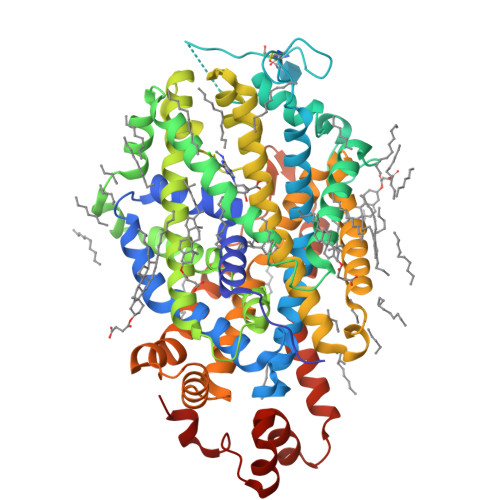 Click to view 3D structure | Sodium-dependent dopamine transporter | Q01959 | Humans | Predicted (SEA) | - Prediction Confidence Score
- 0.146
- Applicability Domain
- 0.179 Low confidence
- Statistical Significance
- 0.9922
- Supporting Reference Compounds
- 506
- E-value
- 7724.04
|
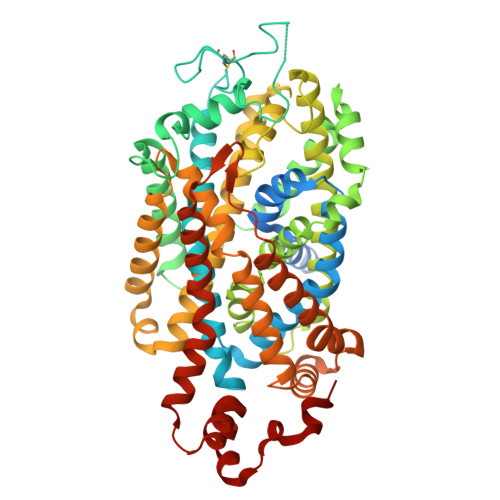 Click to view 3D structure | Sodium-dependent noradrenaline transporter | P23975 | Humans | Predicted (SEA) | - Prediction Confidence Score
- 0.146
- Applicability Domain
- 0.179 Low confidence
- Statistical Significance
- 0.9924
- Supporting Reference Compounds
- 451
- E-value
- 7725.99
|
 Click to view 3D structure | Peroxisome proliferator-activated receptor alpha | Q07869 | Humans | Predicted (SEA) | - Prediction Confidence Score
- 0.146
- Applicability Domain
- 0.154 Low confidence
- Statistical Significance
- 0.9275
- Supporting Reference Compounds
- 127
- E-value
- 7220.83
|
| Click to view 3D structure | Peptide deformylase | Q9JN24 | Escherichia coli | Predicted (SEA) | - Prediction Confidence Score
- 0.145
- Applicability Domain
- 0.152 Low confidence
- Statistical Significance
- 0.2572
- Supporting Reference Compounds
- 10
- E-value
- 2002.05
|
| Click to view 3D structure | Aminopeptidase B | O09175 | Rattus norvegicus | Predicted (SEA) | - Prediction Confidence Score
- 0.145
- Applicability Domain
- 0.208 Low confidence
- Statistical Significance
- 0.1733
- Supporting Reference Compounds
- 8
- E-value
- 1348.97
|
 Click to view 3D structure | Amine oxidase [flavin-containing] A | P21396 | Rattus norvegicus | Predicted (SEA) | - Prediction Confidence Score
- 0.144
- Applicability Domain
- 0.188 Low confidence
- Statistical Significance
- 0.857
- Supporting Reference Compounds
- 66
- E-value
- 6671.37
|
| Click to view 3D structure | UDP-N-acetylmuramoyl-tripeptide--D-alanyl-D-alanine ligase | Q5HMD9 | Staphylococcus epidermidis (strain ATCC 35984 / RP62A) | Predicted (SEA) | - Prediction Confidence Score
- 0.184
- Applicability Domain
- 0.184 Low confidence
- Statistical Significance
- 0.0074
- Supporting Reference Compounds
- 1
- E-value
- 57.7641
|
| Click to view 3D structure | Phospholipase B | Q9P8P2 | Cryptococcus neoformans | Predicted (SEA) | - Prediction Confidence Score
- 0.174
- Applicability Domain
- 0.174 Low confidence
- Statistical Significance
- 0.003
- Supporting Reference Compounds
- 1
- E-value
- 23.744
|
| Click to view 3D structure | CAI-1 autoinducer sensor kinase/phosphatase CqsS | Q9KM66 | Vibrio cholerae serotype O1 (strain ATCC 39315 / El Tor Inaba N16961) | Predicted (SEA) | - Prediction Confidence Score
- 0.167
- Applicability Domain
- 0.167 Low confidence
- Statistical Significance
- 0.0098
- Supporting Reference Compounds
- 1
- E-value
- 76.3701
|
 Click to view 3D structure | Aminopeptidase N | P15145 | Sus scrofa | Predicted (SEA) | - Prediction Confidence Score
- 0.165
- Applicability Domain
- 0.208 Low confidence
- Statistical Significance
- 0.2751
- Supporting Reference Compounds
- 40
- E-value
- 2141.87
|
| Click to view 3D structure | Leucine aminopeptidase | Q29571 | Sus scrofa | Predicted (SEA) | - Prediction Confidence Score
- 0.16
- Applicability Domain
- 0.16 Low confidence
- Statistical Significance
- 9.70e-04
- Supporting Reference Compounds
- 1
- E-value
- 7.55137
|
| Click to view 3D structure | Cannabinoid receptor 1 | P47746 | Mus musculus | Predicted (SEA) | - Prediction Confidence Score
- 0.159
- Applicability Domain
- 0.188 Low confidence
- Statistical Significance
- 0.4626
- Supporting Reference Compounds
- 42
- E-value
- 3601.54
|
| Click to view 3D structure | Cannabinoid receptor 1 | P20272 | Rattus norvegicus | Predicted (SEA) | - Prediction Confidence Score
- 0.158
- Applicability Domain
- 0.188 Low confidence
- Statistical Significance
- 0.7107
- Supporting Reference Compounds
- 83
- E-value
- 5532.67
|
| Click to view 3D structure | Toll-like receptor 7 | B3Y652 | Macaca fascicularis | Predicted (SEA) | - Prediction Confidence Score
- 0.158
- Applicability Domain
- 0.158 Low confidence
- Statistical Significance
- 0.0314
- Supporting Reference Compounds
- 1
- E-value
- 244.213
|
 Click to view 3D structure | Sodium-dependent serotonin transporter | P31645 | Humans | Predicted (SEA) | - Prediction Confidence Score
- 0.157
- Applicability Domain
- 0.188 Low confidence
- Statistical Significance
- 0.9849
- Supporting Reference Compounds
- 593
- E-value
- 7667.06
|
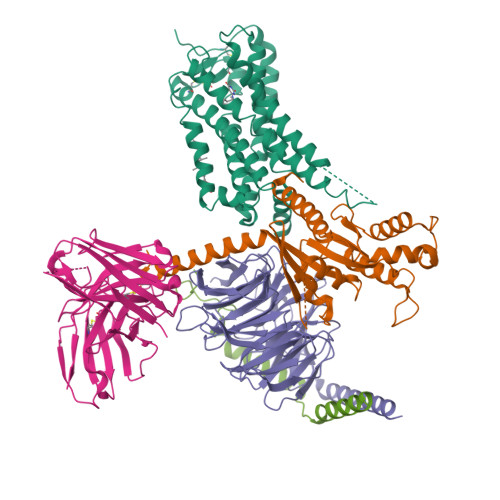 Click to view 3D structure | G-protein coupled receptor 84 | Q9NQS5 | Humans | Predicted (SEA) | - Prediction Confidence Score
- 0.156
- Applicability Domain
- 0.206 Low confidence
- Statistical Significance
- 0.1872
- Supporting Reference Compounds
- 15
- E-value
- 1457.1
|
| Click to view 3D structure | Fatty-acid amide hydrolase 1 | O08914 | Mus musculus | Predicted (SEA) | - Prediction Confidence Score
- 0.154
- Applicability Domain
- 0.188 Low confidence
- Statistical Significance
- 0.6538
- Supporting Reference Compounds
- 46
- E-value
- 5090.09
|
 Click to view 3D structure | Peroxisome proliferator-activated receptor delta | Q03181 | Humans | Predicted (SEA) | - Prediction Confidence Score
- 0.153
- Applicability Domain
- 0.207 Low confidence
- Statistical Significance
- 0.8633
- Supporting Reference Compounds
- 89
- E-value
- 6720.65
|
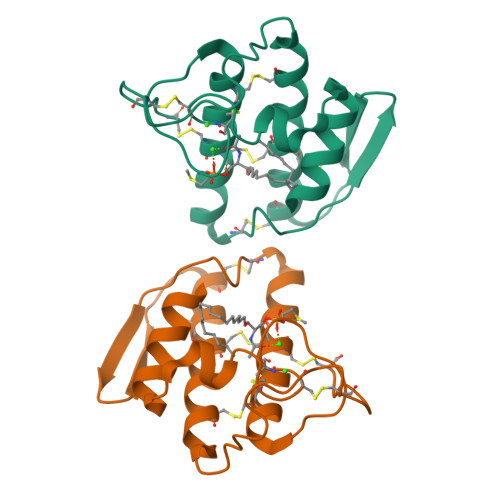 Click to view 3D structure | Phospholipase A2, membrane associated | P14555 | Humans | Predicted (SEA) | - Prediction Confidence Score
- 0.152
- Applicability Domain
- 0.2 Low confidence
- Statistical Significance
- 0.7119
- Supporting Reference Compounds
- 49
- E-value
- 5542.32
|
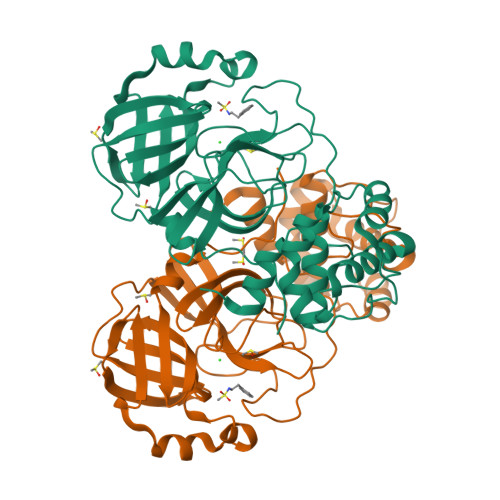 Click to view 3D structure | Replicase polyprotein 1ab | P0DTD1 | SARS-CoV-2 | Predicted (SEA) | - Prediction Confidence Score
- 0.151
- Applicability Domain
- 0.167 Low confidence
- Statistical Significance
- 0.9699
- Supporting Reference Compounds
- 215
- E-value
- 7550.36
|
 Click to view 3D structure | Cathepsin B | P07858 | Humans | Predicted (SEA) | - Prediction Confidence Score
- 0.15
- Applicability Domain
- 0.171 Low confidence
- Statistical Significance
- 0.9371
- Supporting Reference Compounds
- 173
- E-value
- 7295.17
|
 Click to view 3D structure | All-trans-retinol dehydrogenase [NAD(+)] ADH7 | P40394 | Humans | Predicted (SEA) | - Prediction Confidence Score
- 0.148
- Applicability Domain
- 0.148 Low confidence
- Statistical Significance
- 0.0121
- Supporting Reference Compounds
- 1
- E-value
- 94.3533
|
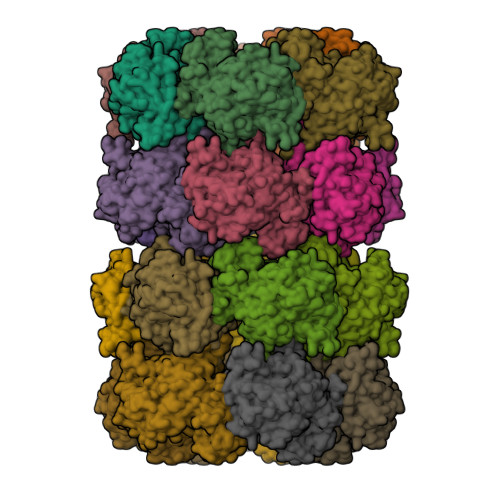 Click to view 3D structure | Glutamine synthetase | P0A9C5 | Escherichia coli K-12 | Predicted (SEA) | - Prediction Confidence Score
- 0.147
- Applicability Domain
- 0.147 Low confidence
- Statistical Significance
- 0.0118
- Supporting Reference Compounds
- 1
- E-value
- 91.7842
|
| Click to view 3D structure | S-methylmethionine--homocysteine S-methyltransferase BHMT2 | Q9H2M3 | Humans | Predicted (SEA) | - Prediction Confidence Score
- 0.147
- Applicability Domain
- 0.147 Low confidence
- Statistical Significance
- 0.0093
- Supporting Reference Compounds
- 1
- E-value
- 72.0884
|

