 Click to view 3D structure | Chaperone protein dnaK | C3TRK2 | Escherichia coli | Predicted (SEA) | - Prediction Confidence Score
- 0.26
- Applicability Domain
- 0.26 Low confidence
- Statistical Significance
- 0.0038
- Supporting Reference Compounds
- 1
- E-value
- 29.2713
|
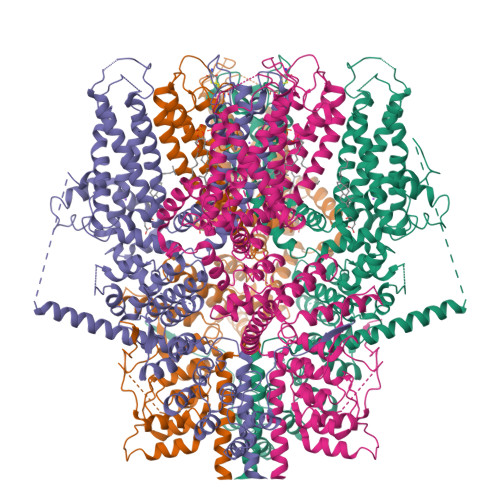 Click to view 3D structure | Short transient receptor potential channel 4 | Q9QUQ5 | Mus musculus | Predicted (SEA) | - Prediction Confidence Score
- 0.256
- Applicability Domain
- 0.288 Low confidence
- Statistical Significance
- 0.0489
- Supporting Reference Compounds
- 128
- E-value
- 380.916
|
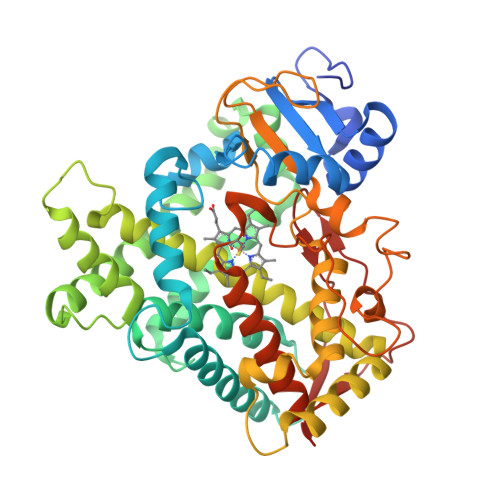 Click to view 3D structure | Cytochrome P450 2C9 | P11712 | Humans | Predicted (SEA) | - Prediction Confidence Score
- 0.245
- Applicability Domain
- 0.364
- Statistical Significance
- 0.5698
- Supporting Reference Compounds
- 1245
- E-value
- 4435.62
|
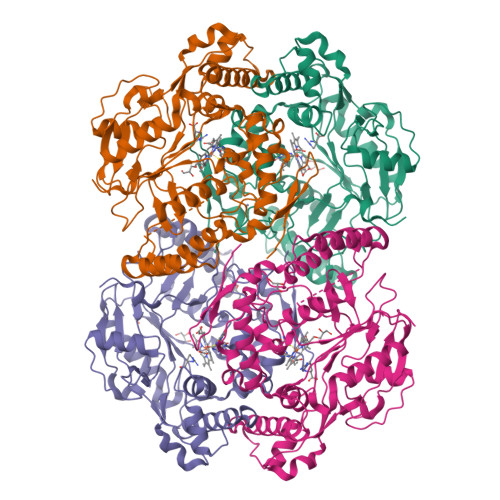 Click to view 3D structure | Nitric oxide synthase 1 | P29475 | Humans | Predicted (SEA) | - Prediction Confidence Score
- 0.242
- Applicability Domain
- 0.258 Low confidence
- Statistical Significance
- 0.0098
- Supporting Reference Compounds
- 65
- E-value
- 76.3701
|
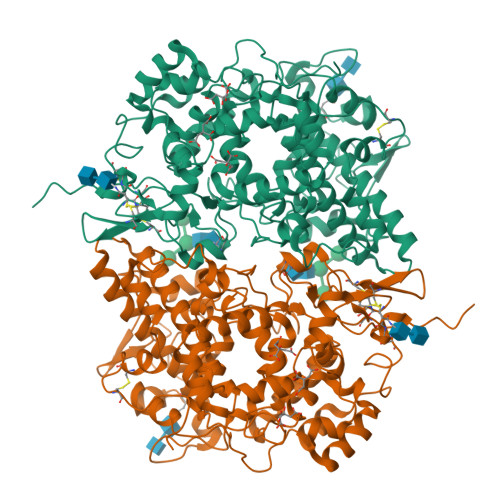 Click to view 3D structure | Prostaglandin G/H synthase 1 | P23219 | Humans | Predicted (SEA) | - Prediction Confidence Score
- 0.236
- Applicability Domain
- 0.364
- Statistical Significance
- 0.0942
- Supporting Reference Compounds
- 136
- E-value
- 733.028
|
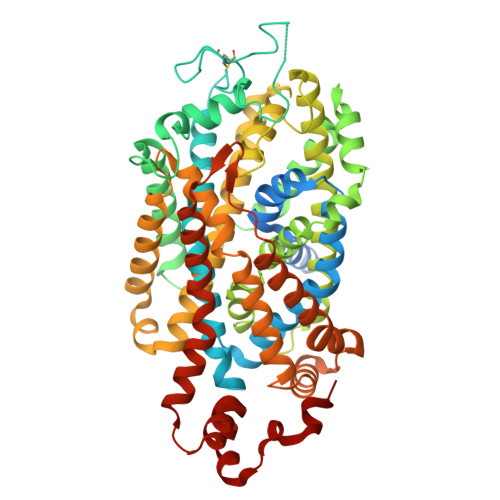 Click to view 3D structure | Sodium-dependent noradrenaline transporter | P23975 | Humans | Predicted (SEA) | - Prediction Confidence Score
- 0.233
- Applicability Domain
- 0.239 Low confidence
- Statistical Significance
- 0.2796
- Supporting Reference Compounds
- 451
- E-value
- 2176.98
|
 Click to view 3D structure | Cytochrome P450 2D6 | P10635 | Humans | Predicted (SEA) | - Prediction Confidence Score
- 0.228
- Applicability Domain
- 0.239 Low confidence
- Statistical Significance
- 0.7093
- Supporting Reference Compounds
- 1130
- E-value
- 5522.23
|
 Click to view 3D structure | Prostaglandin G/H synthase 2 | P35354 | Humans | Predicted (SEA) | - Prediction Confidence Score
- 0.228
- Applicability Domain
- 0.364
- Statistical Significance
- 0.1927
- Supporting Reference Compounds
- 201
- E-value
- 1500.47
|
 Click to view 3D structure | Luciferin 4-monooxygenase | P08659 | Photinus pyralis | Predicted (SEA) | - Prediction Confidence Score
- 0.228
- Applicability Domain
- 0.319
- Statistical Significance
- 0.1433
- Supporting Reference Compounds
- 114
- E-value
- 1115.5
|
 Click to view 3D structure | Sodium-dependent serotonin transporter | P31645 | Humans | Predicted (SEA) | - Prediction Confidence Score
- 0.228
- Applicability Domain
- 0.239 Low confidence
- Statistical Significance
- 0.3921
- Supporting Reference Compounds
- 593
- E-value
- 3052.55
|
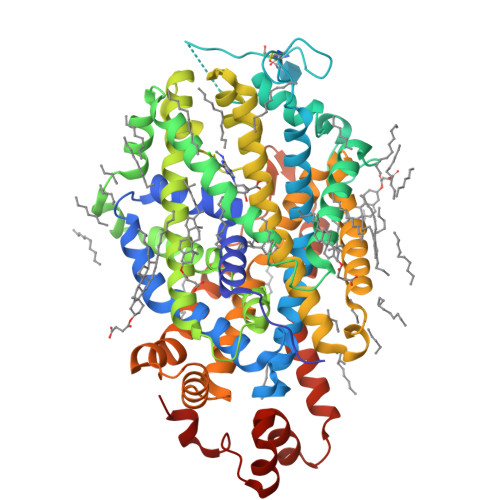 Click to view 3D structure | Sodium-dependent dopamine transporter | Q01959 | Humans | Predicted (SEA) | - Prediction Confidence Score
- 0.227
- Applicability Domain
- 0.237 Low confidence
- Statistical Significance
- 0.398
- Supporting Reference Compounds
- 506
- E-value
- 3098.09
|
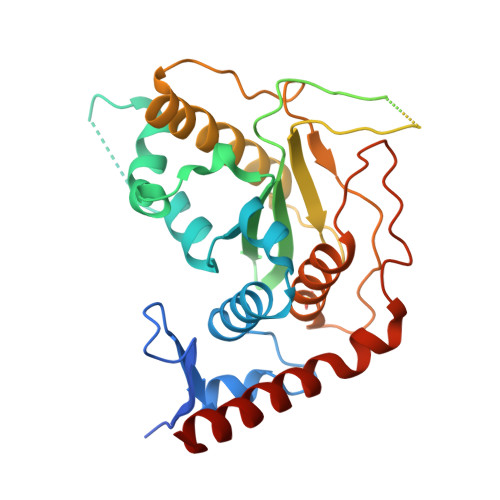 Click to view 3D structure | Sentrin-specific protease 7 | Q9BQF6 | Humans | Predicted (SEA) | - Prediction Confidence Score
- 0.223
- Applicability Domain
- 0.269 Low confidence
- Statistical Significance
- 0.1636
- Supporting Reference Compounds
- 118
- E-value
- 1273.85
|
 Click to view 3D structure | 5-hydroxytryptamine receptor 2C | P28335 | Humans | Predicted (SEA) | - Prediction Confidence Score
- 0.221
- Applicability Domain
- 0.239 Low confidence
- Statistical Significance
- 0.5736
- Supporting Reference Compounds
- 823
- E-value
- 4465.35
|
 Click to view 3D structure | 5-hydroxytryptamine receptor 2B | P41595 | Humans | Predicted (SEA) | - Prediction Confidence Score
- 0.221
- Applicability Domain
- 0.239 Low confidence
- Statistical Significance
- 0.553
- Supporting Reference Compounds
- 686
- E-value
- 4304.83
|
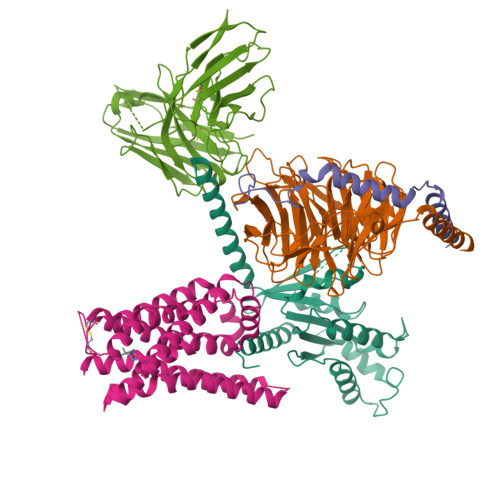 Click to view 3D structure | Alpha-2B adrenergic receptor | P18089 | Humans | Predicted (SEA) | - Prediction Confidence Score
- 0.219
- Applicability Domain
- 0.244 Low confidence
- Statistical Significance
- 0.3373
- Supporting Reference Compounds
- 340
- E-value
- 2626.24
|
 Click to view 3D structure | Nitric oxide synthase 1 | P29476 | Rattus norvegicus | Predicted (SEA) | - Prediction Confidence Score
- 0.219
- Applicability Domain
- 0.238 Low confidence
- Statistical Significance
- 0.0201
- Supporting Reference Compounds
- 49
- E-value
- 156.399
|
 Click to view 3D structure | Procathepsin L | P07711 | Humans | Predicted (SEA) | - Prediction Confidence Score
- 0.218
- Applicability Domain
- 0.318
- Statistical Significance
- 0.2048
- Supporting Reference Compounds
- 167
- E-value
- 1594.43
|
 Click to view 3D structure | Voltage-gated inwardly rectifying potassium channel KCNH2 | Q12809 | Humans | Predicted (SEA) | - Prediction Confidence Score
- 0.218
- Applicability Domain
- 0.242 Low confidence
- Statistical Significance
- 0.8641
- Supporting Reference Compounds
- 1498
- E-value
- 6726.64
|
| Click to view 3D structure | Polyunsaturated fatty acid 5-lipoxygenase | P48999 | Mus musculus | Predicted (SEA) | - Prediction Confidence Score
- 0.216
- Applicability Domain
- 0.341
- Statistical Significance
- 9.10e-04
- Supporting Reference Compounds
- 11
- E-value
- 7.08428
|
| Click to view 3D structure | ATP-dependent molecular chaperone HSP82 | C4YTQ8 | Candida albicans (strain WO-1) (Yeast) | Predicted (SEA) | - Prediction Confidence Score
- 0.215
- Applicability Domain
- 0.263 Low confidence
- Statistical Significance
- 0.26
- Supporting Reference Compounds
- 205
- E-value
- 2024.31
|
 Click to view 3D structure | Heat shock protein HSP 90-alpha | P07900 | Humans | Predicted (SEA) | - Prediction Confidence Score
- 0.215
- Applicability Domain
- 0.263 Low confidence
- Statistical Significance
- 0.1417
- Supporting Reference Compounds
- 109
- E-value
- 1102.89
|
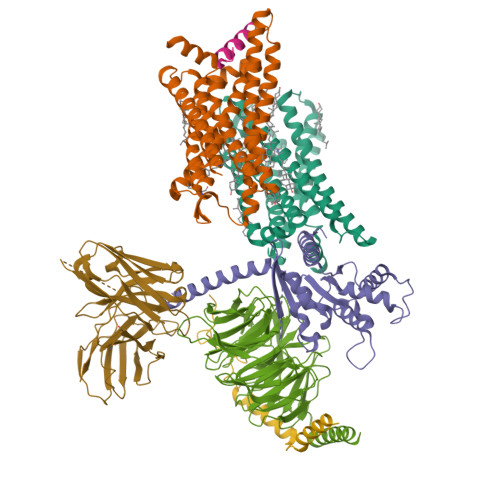 Click to view 3D structure | Mu-type opioid receptor | P35372 | Humans | Predicted (SEA) | - Prediction Confidence Score
- 0.215
- Applicability Domain
- 0.242 Low confidence
- Statistical Significance
- 0.5244
- Supporting Reference Compounds
- 527
- E-value
- 4082.41
|
 Click to view 3D structure | Alpha-2A adrenergic receptor | P08913 | Humans | Predicted (SEA) | - Prediction Confidence Score
- 0.214
- Applicability Domain
- 0.244 Low confidence
- Statistical Significance
- 0.5163
- Supporting Reference Compounds
- 487
- E-value
- 4019.43
|
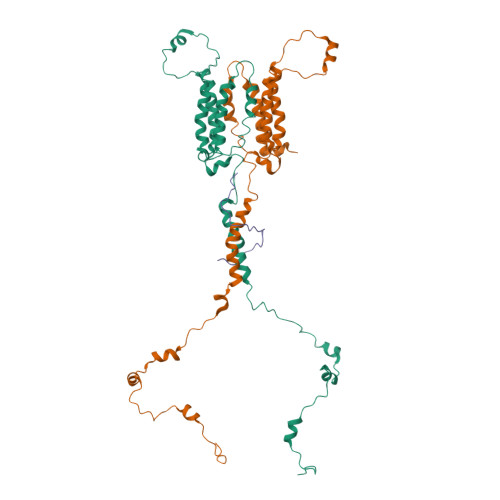 Click to view 3D structure | Mitochondrial import inner membrane translocase subunit TIM23 | P32897 | Saccharomyces cerevisiae S288c | Predicted (SEA) | - Prediction Confidence Score
- 0.214
- Applicability Domain
- 0.269 Low confidence
- Statistical Significance
- 0.1535
- Supporting Reference Compounds
- 75
- E-value
- 1195.06
|
 Click to view 3D structure | 5-hydroxytryptamine receptor 6 | P50406 | Humans | Predicted (SEA) | - Prediction Confidence Score
- 0.213
- Applicability Domain
- 0.239 Low confidence
- Statistical Significance
- 0.5173
- Supporting Reference Compounds
- 536
- E-value
- 4027.53
|

