[(2r)-2-[(2r,3r,4s)-3,4-dihydroxyoxolan-2-yl]-2-hydroxyethyl] octanoate (CED0245828)

Record Information
Version1.0
Creation Date2026-08-28 09:57:45 UTC
Update Date2026-08-28 09:57:45 UTC
SynCED IDCED0245828
Secondary Accession Numbers
  • CHEM290241
Identification
Common Name[(2r)-2-[(2r,3r,4s)-3,4-dihydroxyoxolan-2-yl]-2-hydroxyethyl] octanoate
ClassSmall Molecule
Description
[(2r)-2-[(2r,3r,4s)-3,4-dihydroxyoxolan-2-yl]-2-hydroxyethyl] octanoate belongs to the fatty acid esters, a subclass of fatty acyls within the organic compounds. This lipid-like molecule has the chemical formula C14H26O6 and an average molecular weight of 290.35 g/mol.
Contaminant TypeNot Available
Chemical Structure
SynonymsNot Available
Chemical FormulaC14H26O6
Average Molecular MassNot Available
Monoisotopic Mass290.173 g/mol
CAS Registry Number60177-36-8
IUPAC NameNot Available
Traditional NameNot Available
SMILESCCCCCCCC(=O)OCC(C1C(C(CO1)O)O)O
InChI IdentifierInChI=1S/C14H26O6/c1-2-3-4-5-6-7-12(17)19-9-11(16)14-13(18)10(15)8-20-14/h10-11,13-16,18H,2-9H2,1H3/t10-,11+,13+,14+/m0/s1
InChI KeyNENOAJSZZPODGJ-OIMNJJJWSA-N
Chemical Taxonomy
ClassificationNot classified
Biological Properties
StatusDetected and Not Quantified
OriginNot Available
Cellular LocationsNot Available
Biofluid LocationsNot Available
Tissue LocationsNot Available
ApplicationsNot Available
Biological RolesNot Available
Chemical RolesNot Available
Organoleptic EffectsNot Available
Physical Properties
StateNot Available
AppearanceNot Available
Experimental Properties
PropertyValue
Melting PointNot Available
Boiling PointNot Available
SolubilityNot Available
Predicted PropertiesNot Available
Spectra
SpectraNot Available
Toxicity Profile
Toxicity Values
Toxicity ValueOrganismDose DescriptorRoute of ExposurePredicted or ExperimentalToxicity RatingReference
5763.0 Log mg/kg [3200:10000]RatLD50oralpredictedNot AvailableNot Available
Toxicity / Toxin ClassNot Available
Mechanism of ToxicityNot Available
Carcinogenicity (IARC Classification)Not Available
Minimum Risk LevelNot Available
SymptomsNot Available
TreatmentNot Available
Health Effects
Health EffectRelationshipDirectionReference
Exposure Sources
Source IDSourceSectorReference
CEDs000010Insecticides?Insecticides are synthetic chemicals designed to control or eliminate insect pests that threaten crops and other agricultural products.Agriculture & land managementNot Available
CEDs000233Brushes?Brushes used in personal care and cosmetics can be a source of synthetic chemical contamination due to the materials and coatings used in their manufacturing.Personal care & cosmeticsNot Available
CEDs000545Food Preservation?Food preservation often involves the use of synthetic chemicals, such as preservatives, flavor enhancers, and color additives, to extend shelf life and enhance the sensory qualities of food products.Food, food processing & cookwareNot Available
CEDs000561Perfumes Within Detergents And Soaps?Perfumes within detergents and soaps are synthetic fragrance compounds added to enhance the sensory experience of cleaning products.Household cleaning & consumer productsNot Available
CEDs000563Soap Detergents?Soap detergents are synthetic surfactants designed to enhance the cleaning efficacy of water by reducing surface tension, allowing for better interaction with dirt and grease.Household cleaning & consumer productsNot Available
CEDs000596Acaricides?Acaricides are synthetic chemicals specifically designed to target and control mite populations that can damage crops and plants.Agriculture & land managementNot Available
CEDs000597Chemosterilants?Chemosterilants are synthetic chemicals designed to induce sterility in target pest populations, thereby controlling their reproduction and mitigating damage to crops.Agriculture & land managementNot Available
CEDs000600Herbicides And Algicides?Herbicides and algicides are synthetic chemicals primarily used to control unwanted plants and algae in various environments.Agriculture & land managementNot Available
CEDs000602Molluscicides?Molluscicides are synthetic chemicals specifically designed to control and eliminate mollusks, such as snails and slugs, which can be detrimental to crops and agricultural productivity.Agriculture & land managementNot Available
CEDs000603Nematocides?Nematocides are synthetic chemicals specifically designed to control nematodes, which are microscopic roundworms that can cause significant damage to crops and plants.Agriculture & land managementNot Available
CEDs000604Pest Attractants?Pest attractants are synthetic chemicals designed to lure specific pests for monitoring or control purposes.Agriculture & land managementNot Available
CEDs000605Pest Repellants?Pest repellents, often formulated from synthetic chemicals, are widely used to protect crops from insect infestations and other pests.Agriculture & land managementNot Available
CEDs000606Plant Growth Regulators?Plant Growth Regulators (PGRs) are synthetic chemicals designed to influence the growth and development of plants.Agriculture & land managementNot Available
CEDs000607Rodenticides(1)?Rodenticides are synthetic chemicals specifically formulated to control rodent populations, serving as a crucial tool in managing pests that can damage crops and spread diseases.Agriculture & land managementNot Available
CEDs000608Rodenticides?Rodenticides are chemical substances specifically designed to control rodent populations by causing death through various mechanisms, including anticoagulation or neurotoxicity.Agriculture & land managementNot Available
CEDs000609Aftershave?Aftershave is a grooming product typically used to soothe and protect the skin following shaving.Personal care & cosmeticsNot Available
CEDs000610Aftersun Products?Aftersun products are designed to soothe and hydrate the skin after sun exposure, often containing various synthetic chemicals such as emollients, preservatives, and fragrances.Personal care & cosmeticsNot Available
CEDs000611Anti Perspirants Or Body Deoderants?Antiperspirants and body deodorants commonly contain synthetic chemicals such as aluminum compounds, parabens, and synthetic fragrances.Personal care & cosmeticsNot Available
CEDs000612Body Washing Or Cleaning Implements?Body washing or cleaning implements, such as synthetic sponges, loofahs, and washcloths, can be sources of synthetic chemical contamination due to the materials used in their production.Personal care & cosmeticsNot Available
CEDs000613Depilatories?Depilatories are products designed to remove unwanted hair through the application of synthetic chemicals that break down the protein structure of hair, facilitating its removal.Personal care & cosmeticsNot Available
CEDs000614Essential Oils Or Perfumes?Essential oils and perfumes are complex mixtures of volatile compounds derived from natural or synthetic sources, commonly used for their aromatic properties.Personal care & cosmeticsNot Available
CEDs000615Eye Makeup Products?Eye makeup products, including mascaras, eyeliners, and eyeshadows, often contain a variety of synthetic chemicals such as pigments, preservatives, and film-forming agents.Personal care & cosmeticsNot Available
CEDs000617Lip Care Products?Lip care products, including lipsticks, balms, and glosses, often contain a variety of synthetic chemicals such as parabens, phthalates, and synthetic fragrances.Personal care & cosmeticsNot Available
CEDs000618Lip Makeup Products?Lip makeup products, such as lipsticks, lip glosses, and lip liners, often contain a variety of synthetic chemicals, including pigments, preservatives, and emollients.Personal care & cosmeticsNot Available
CEDs000630Toys?Toys, particularly those made from synthetic materials such as plastics, can be a source of chemical contamination due to the presence of various additives and compounds used in their production.Recreation & sports surfacesNot Available
CEDs000632Apparel?Apparel production often involves the use of various synthetic chemicals, including dyes, finishing agents, and preservatives.Textiles, leather & furnishingsNot Available
CEDs000643Headwear?Headwear made from synthetic materials often incorporates chemicals used in the manufacturing and finishing processes, such as dyes, flame retardants, and water repellents.Textiles, leather & furnishingsNot Available
CEDs000739Inks?Inks are complex mixtures composed of pigments or dyes, solvents, resins, and additives used primarily for printing and writing applications.Paper, pulp & fiber productsNot Available
CEDs000740Paper?Paper production involves the processing of wood fibers and the use of various chemicals, which can lead to synthetic chemical contamination.Paper, pulp & fiber productsNot Available
Pathways
0 pathwaysPathway Source: PathBank

No pathways found

No metabolic pathways have been associated with this synthetic chemical

Targets
StructureProteinUniProt IDOrganismRelationshipDetails
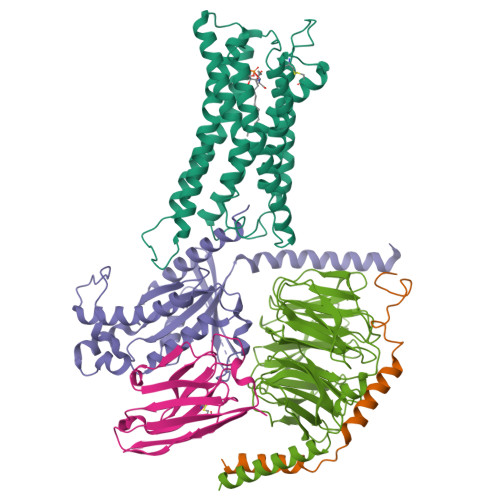
Click to view 3D structureLysophosphatidic acid receptor 4Q8BLG2Mus musculusPredicted (SEA)
Prediction Confidence Score
0.393
Applicability Domain
0.393
Statistical Significance
2.90e-04
Supporting Reference Compounds
1
E-value
2.25763
Lysophosphatidic acid receptor 1 structureClick to view 3D structureLysophosphatidic acid receptor 1Q92633HumansPredicted (SEA)
Prediction Confidence Score
0.392
Applicability Domain
0.396
Statistical Significance
3.70e-04
Supporting Reference Compounds
31
E-value
2.88042
Autotaxin structureClick to view 3D structureAutotaxinQ13822HumansPredicted (SEA)
Prediction Confidence Score
0.392
Applicability Domain
0.396
Statistical Significance
7.50e-04
Supporting Reference Compounds
40
E-value
5.83869
Click to view 3D structureLysophosphatidic acid receptor 3Q9UBY5HumansPredicted (SEA)
Prediction Confidence Score
0.392
Applicability Domain
0.396
Statistical Significance
3.40e-04
Supporting Reference Compounds
21
E-value
2.64687
Lysophosphatidic acid receptor 2 structureClick to view 3D structureLysophosphatidic acid receptor 2Q9HBW0HumansPredicted (SEA)
Prediction Confidence Score
0.39
Applicability Domain
0.393
Statistical Significance
3.50e-04
Supporting Reference Compounds
30
E-value
2.72472
Click to view 3D structureLysophosphatidic acid receptor 4Q99677HumansPredicted (SEA)
Prediction Confidence Score
0.348
Applicability Domain
0.393
Statistical Significance
2.20e-04
Supporting Reference Compounds
9
E-value
1.71268
Putative P2Y purinoceptor 10 structureClick to view 3D structurePutative P2Y purinoceptor 10O00398HumansPredicted (SEA)
Prediction Confidence Score
0.345
Applicability Domain
0.379
Statistical Significance
3.90e-04
Supporting Reference Compounds
10
E-value
3.03612
Lysophosphatidic acid receptor 6 structureClick to view 3D structureLysophosphatidic acid receptor 6P43657HumansPredicted (SEA)
Prediction Confidence Score
0.331
Applicability Domain
0.393
Statistical Significance
1.90e-04
Supporting Reference Compounds
3
E-value
1.47914
Click to view 3D structureCAI-1 autoinducer sensor kinase/phosphatase CqsSQ9KM66Vibrio cholerae serotype O1 (strain ATCC 39315 / El Tor Inaba N16961)Predicted (SEA)
Prediction Confidence Score
0.326
Applicability Domain
0.326
Statistical Significance
2.90e-04
Supporting Reference Compounds
1
E-value
2.25763
Protein kinase C alpha type structureClick to view 3D structureProtein kinase C alpha typeP17252HumansPredicted (SEA)
Prediction Confidence Score
0.32
Applicability Domain
0.438
Statistical Significance
0.0118
Supporting Reference Compounds
258
E-value
91.7842
Probable G-protein coupled receptor 34 structureClick to view 3D structureProbable G-protein coupled receptor 34Q9UPC5HumansPredicted (SEA)
Prediction Confidence Score
0.313
Applicability Domain
0.379
Statistical Significance
5.30e-04
Supporting Reference Compounds
11
E-value
4.12601
Probable G-protein coupled receptor 174 structureClick to view 3D structureProbable G-protein coupled receptor 174Q9BXC1HumansPredicted (SEA)
Prediction Confidence Score
0.306
Applicability Domain
0.379
Statistical Significance
3.50e-04
Supporting Reference Compounds
8
E-value
2.72472
Interleukin-6 receptor subunit beta structureClick to view 3D structureInterleukin-6 receptor subunit betaP40189HumansPredicted (SEA)
Prediction Confidence Score
0.305
Applicability Domain
0.313
Statistical Significance
4.00e-05
Supporting Reference Compounds
2
E-value
0.311397
Click to view 3D structureMitochondrial carnitine/acylcarnitine carrier proteinO43772HumansPredicted (SEA)
Prediction Confidence Score
0.304
Applicability Domain
0.304
Statistical Significance
3.10e-04
Supporting Reference Compounds
1
E-value
2.41333
Fatty-acid amide hydrolase 1 structureClick to view 3D structureFatty-acid amide hydrolase 1P97612Rattus norvegicusPredicted (SEA)
Prediction Confidence Score
0.302
Applicability Domain
0.382
Statistical Significance
0.0088
Supporting Reference Compounds
102
E-value
68.8187
Click to view 3D structureLysophosphatidic acid receptor 5Q9H1C0HumansPredicted (SEA)
Prediction Confidence Score
0.302
Applicability Domain
0.393
Statistical Significance
2.20e-04
Supporting Reference Compounds
12
E-value
1.71268
Click to view 3D structureNon-lysosomal glucosylceramidaseQ9HCG7HumansPredicted (SEA)
Prediction Confidence Score
0.302
Applicability Domain
0.302
Statistical Significance
4.10e-04
Supporting Reference Compounds
21
E-value
3.19182
Transient receptor potential cation channel subfamily V member 1 structureClick to view 3D structureTransient receptor potential cation channel subfamily V member 1Q8NER1HumansPredicted (SEA)
Prediction Confidence Score
0.29
Applicability Domain
0.393
Statistical Significance
0.0123
Supporting Reference Compounds
104
E-value
95.4431
Click to view 3D structureSolute carrier organic anion transporter family member 2B1Q9JHI3Rattus norvegicusPredicted (SEA)
Prediction Confidence Score
0.288
Applicability Domain
0.308
Statistical Significance
3.60e-04
Supporting Reference Compounds
2
E-value
2.80257
Tyrosine-protein phosphatase non-receptor type 1 structureClick to view 3D structureTyrosine-protein phosphatase non-receptor type 1P18031HumansPredicted (SEA)
Prediction Confidence Score
0.288
Applicability Domain
0.302
Statistical Significance
0.0156
Supporting Reference Compounds
197
E-value
121.678
Peroxisome proliferator-activated receptor alpha structureClick to view 3D structurePeroxisome proliferator-activated receptor alphaQ07869HumansPredicted (SEA)
Prediction Confidence Score
0.288
Applicability Domain
0.302
Statistical Significance
0.0202
Supporting Reference Compounds
127
E-value
157.255
Click to view 3D structureG protein-coupled receptor 34aQ6XCC7Danio rerioPredicted (SEA)
Prediction Confidence Score
0.287
Applicability Domain
0.344
Statistical Significance
3.40e-04
Supporting Reference Compounds
2
E-value
2.64687
Click to view 3D structureG protein-coupled receptor 34bB0S6P9Danio rerioPredicted (SEA)
Prediction Confidence Score
0.287
Applicability Domain
0.344
Statistical Significance
3.40e-04
Supporting Reference Compounds
2
E-value
2.64687
Click to view 3D structureSucrase-isomaltaseB5THE3Mus musculusPredicted (SEA)
Prediction Confidence Score
0.286
Applicability Domain
0.302
Statistical Significance
3.20e-04
Supporting Reference Compounds
7
E-value
2.49118
Lysosomal acid glucosylceramidase structureClick to view 3D structureLysosomal acid glucosylceramidaseP04062HumansPredicted (SEA)
Prediction Confidence Score
0.285
Applicability Domain
0.302
Statistical Significance
7.10e-04
Supporting Reference Compounds
35
E-value
5.52729
Concentrations
Not Available
External Links
IdentifiersNot Available
References
Synthesis ReferenceNot Available
MSDSNot Available
General ReferencesNot Available