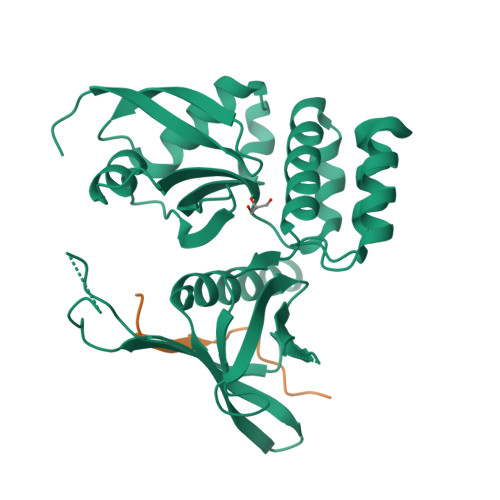
 Click to view 3D structure | P-selectin | Q01102 | Mus musculus | Predicted (SEA) | - Prediction Confidence Score
- 0.324
- Applicability Domain
- 0.324
- Statistical Significance
- 8.00e-05
- Supporting Reference Compounds
- 3
- E-value
- 0.622794
|
 Click to view 3D structure | E-selectin | Q00690 | Mus musculus | Predicted (SEA) | - Prediction Confidence Score
- 0.324
- Applicability Domain
- 0.324
- Statistical Significance
- 8.00e-05
- Supporting Reference Compounds
- 1
- E-value
- 0.622794
|
| Click to view 3D structure | L-selectin | P18337 | Mus musculus | Predicted (SEA) | - Prediction Confidence Score
- 0.324
- Applicability Domain
- 0.324
- Statistical Significance
- 8.00e-05
- Supporting Reference Compounds
- 2
- E-value
- 0.622794
|
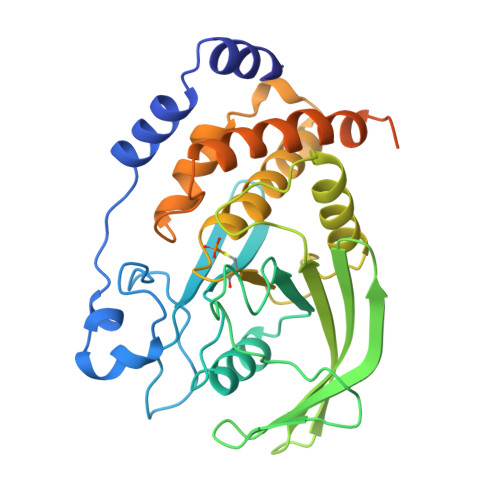 Click to view 3D structure | Tyrosine-protein phosphatase non-receptor type 1 | P18031 | Humans | Predicted (SEA) | - Prediction Confidence Score
- 0.316
- Applicability Domain
- 0.333
- Statistical Significance
- 0.0069
- Supporting Reference Compounds
- 197
- E-value
- 53.716
|
 Click to view 3D structure | Peroxisome proliferator-activated receptor alpha | Q07869 | Humans | Predicted (SEA) | - Prediction Confidence Score
- 0.316
- Applicability Domain
- 0.333
- Statistical Significance
- 0.0094
- Supporting Reference Compounds
- 127
- E-value
- 73.5675
|
 Click to view 3D structure | Peroxisome proliferator-activated receptor delta | Q03181 | Humans | Predicted (SEA) | - Prediction Confidence Score
- 0.304
- Applicability Domain
- 0.333
- Statistical Significance
- 0.0087
- Supporting Reference Compounds
- 89
- E-value
- 68.0402
|
 Click to view 3D structure | Isoleucine--tRNA ligase | P56690 | Thermus thermophilus (strain HB8 / ATCC 27634 / DSM 579) | Predicted (SEA) | - Prediction Confidence Score
- 0.292
- Applicability Domain
- 0.292 Low confidence
- Statistical Significance
- 1.00e-05
- Supporting Reference Compounds
- 1
- E-value
- 0.0778492
|
 Click to view 3D structure | Peroxisome proliferator-activated receptor gamma | P37231 | Humans | Predicted (SEA) | - Prediction Confidence Score
- 0.291
- Applicability Domain
- 0.333
- Statistical Significance
- 0.0237
- Supporting Reference Compounds
- 192
- E-value
- 184.269
|
| Click to view 3D structure | Solute carrier organic anion transporter family member 2B1 | Q9JHI3 | Rattus norvegicus | Predicted (SEA) | - Prediction Confidence Score
- 0.286
- Applicability Domain
- 0.286 Low confidence
- Statistical Significance
- 3.60e-04
- Supporting Reference Compounds
- 2
- E-value
- 2.80257
|
| Click to view 3D structure | Prostaglandin E2 receptor EP1 subtype | P34995 | Humans | Predicted (SEA) | - Prediction Confidence Score
- 0.285
- Applicability Domain
- 0.295 Low confidence
- Statistical Significance
- 0.0066
- Supporting Reference Compounds
- 78
- E-value
- 51.6919
|
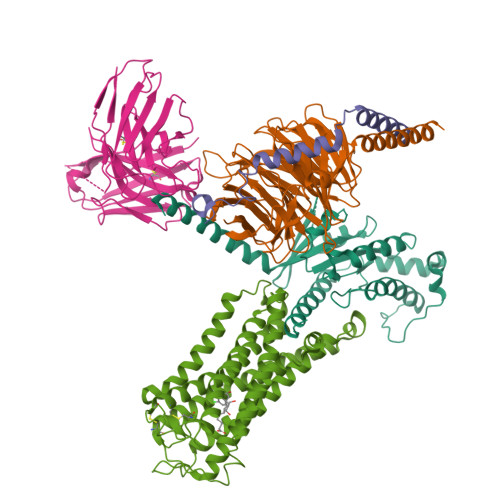 Click to view 3D structure | Thromboxane A2 receptor | P21731 | Humans | Predicted (SEA) | - Prediction Confidence Score
- 0.285
- Applicability Domain
- 0.295 Low confidence
- Statistical Significance
- 0.0067
- Supporting Reference Compounds
- 96
- E-value
- 52.5482
|
 Click to view 3D structure | Prostaglandin E2 receptor EP2 subtype | P43116 | Humans | Predicted (SEA) | - Prediction Confidence Score
- 0.285
- Applicability Domain
- 0.295 Low confidence
- Statistical Significance
- 0.0056
- Supporting Reference Compounds
- 95
- E-value
- 43.8291
|
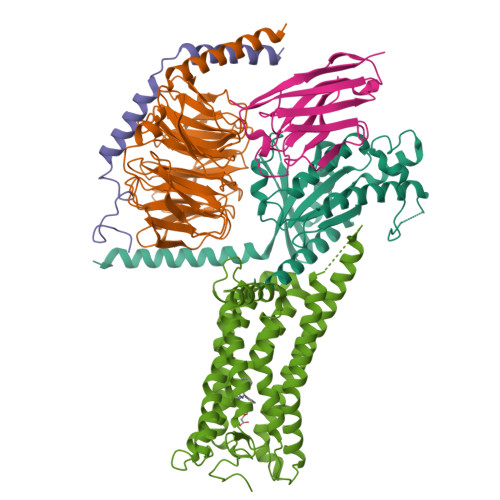 Click to view 3D structure | Prostacyclin receptor | P43119 | Humans | Predicted (SEA) | - Prediction Confidence Score
- 0.283
- Applicability Domain
- 0.295 Low confidence
- Statistical Significance
- 0.0034
- Supporting Reference Compounds
- 63
- E-value
- 26.6244
|
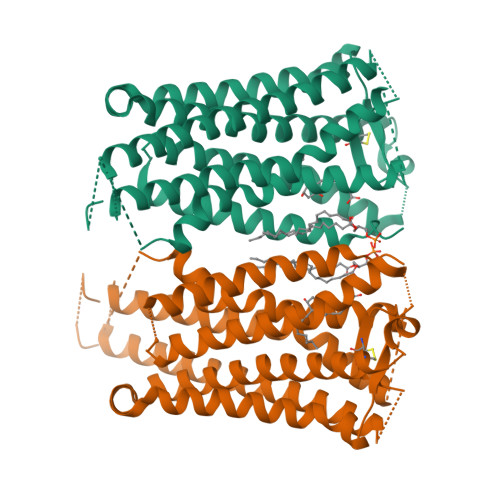 Click to view 3D structure | Prostaglandin E2 receptor EP3 subtype | P43115 | Humans | Predicted (SEA) | - Prediction Confidence Score
- 0.281
- Applicability Domain
- 0.295 Low confidence
- Statistical Significance
- 0.0086
- Supporting Reference Compounds
- 102
- E-value
- 67.0282
|
| Click to view 3D structure | Histone deacetylase 11 | Q96DB2 | Humans | Predicted (SEA) | - Prediction Confidence Score
- 0.276
- Applicability Domain
- 0.333
- Statistical Significance
- 0.0358
- Supporting Reference Compounds
- 149
- E-value
- 278.389
|
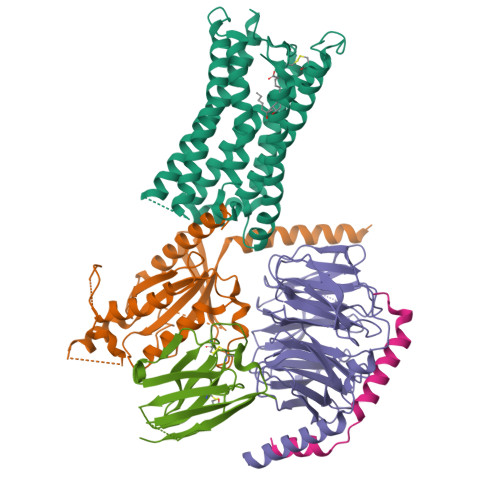 Click to view 3D structure | Prostaglandin F2-alpha receptor | P43088 | Humans | Predicted (SEA) | - Prediction Confidence Score
- 0.273
- Applicability Domain
- 0.295 Low confidence
- Statistical Significance
- 0.0046
- Supporting Reference Compounds
- 50
- E-value
- 35.5771
|
 Click to view 3D structure | Transient receptor potential cation channel subfamily V member 2 | Q9WUD2 | Rattus norvegicus | Predicted (SEA) | - Prediction Confidence Score
- 0.273
- Applicability Domain
- 0.333
- Statistical Significance
- 0.0034
- Supporting Reference Compounds
- 21
- E-value
- 26.7801
|
 Click to view 3D structure | Free fatty acid receptor 1 | O14842 | Humans | Predicted (SEA) | - Prediction Confidence Score
- 0.272
- Applicability Domain
- 0.333
- Statistical Significance
- 0.0159
- Supporting Reference Compounds
- 56
- E-value
- 123.936
|
| Click to view 3D structure | Solute carrier organic anion transporter family member 2A1 | Q9EPT5 | Mus musculus | Predicted (SEA) | - Prediction Confidence Score
- 0.27
- Applicability Domain
- 0.286 Low confidence
- Statistical Significance
- 5.70e-04
- Supporting Reference Compounds
- 2
- E-value
- 4.43741
|
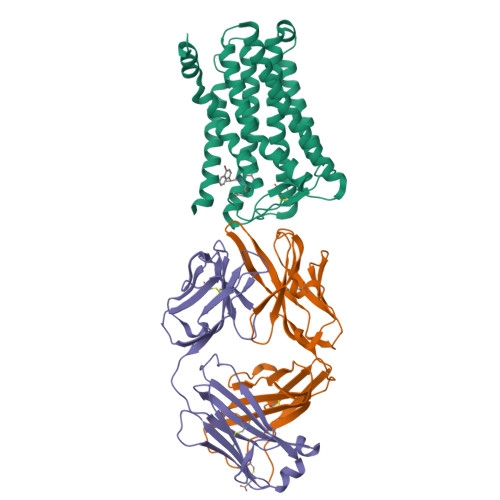 Click to view 3D structure | Prostaglandin E2 receptor EP4 subtype | P35408 | Humans | Predicted (SEA) | - Prediction Confidence Score
- 0.267
- Applicability Domain
- 0.295 Low confidence
- Statistical Significance
- 0.0138
- Supporting Reference Compounds
- 92
- E-value
- 107.276
|
| Click to view 3D structure | Long-chain-fatty-acid--CoA ligase 6 | Q9UKU0 | Humans | Predicted (SEA) | - Prediction Confidence Score
- 0.267
- Applicability Domain
- 0.267 Low confidence
- Statistical Significance
- 0.0038
- Supporting Reference Compounds
- 1
- E-value
- 29.7384
|
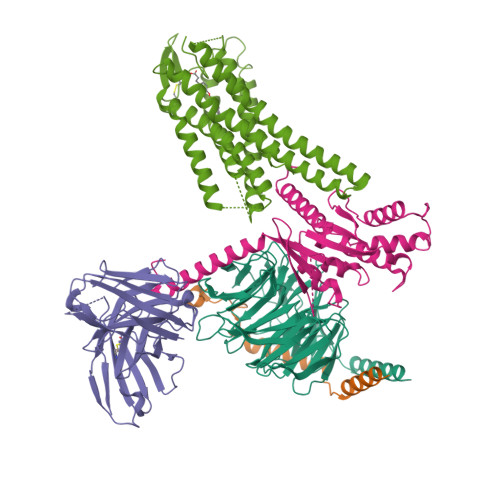 Click to view 3D structure | Free fatty acid receptor 4 | Q5NUL3 | Humans | Predicted (SEA) | - Prediction Confidence Score
- 0.256
- Applicability Domain
- 0.333
- Statistical Significance
- 0.0238
- Supporting Reference Compounds
- 63
- E-value
- 185.515
|
| Click to view 3D structure | Prostaglandin D2 receptor | Q13258 | Humans | Predicted (SEA) | - Prediction Confidence Score
- 0.255
- Applicability Domain
- 0.295 Low confidence
- Statistical Significance
- 0.0216
- Supporting Reference Compounds
- 81
- E-value
- 168.466
|
| Click to view 3D structure | Putative inactive group IIC secretory phospholipase A2 | Q5R387 | Humans | Predicted (SEA) | - Prediction Confidence Score
- 0.25
- Applicability Domain
- 0.25 Low confidence
- Statistical Significance
- 0.0019
- Supporting Reference Compounds
- 1
- E-value
- 14.8692
|
| Click to view 3D structure | Sodium- and chloride-dependent GABA transporter 2 | P31646 | Rattus norvegicus | Predicted (SEA) | - Prediction Confidence Score
- 0.25
- Applicability Domain
- 0.25 Low confidence
- Statistical Significance
- 5.20e-04
- Supporting Reference Compounds
- 1
- E-value
- 4.04816
|

