 Click to view 3D structure | Sodium-dependent serotonin transporter | P31645 | Humans | Predicted (SEA) | - Prediction Confidence Score
- 0.359
- Applicability Domain
- 0.4
- Statistical Significance
- 0.0181
- Supporting Reference Compounds
- 593
- E-value
- 140.596
|
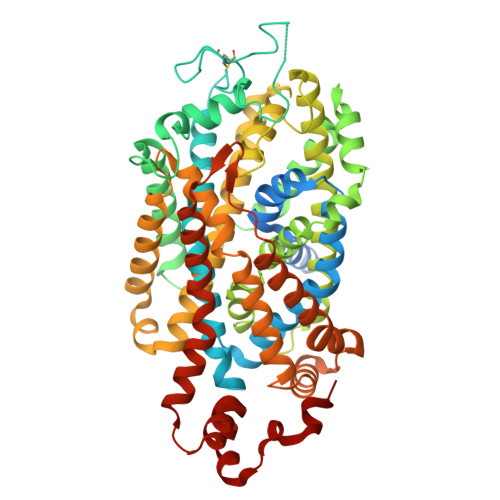 Click to view 3D structure | Sodium-dependent noradrenaline transporter | P23975 | Humans | Predicted (SEA) | - Prediction Confidence Score
- 0.346
- Applicability Domain
- 0.4
- Statistical Significance
- 0.0134
- Supporting Reference Compounds
- 451
- E-value
- 104.24
|
 Click to view 3D structure | Voltage-gated inwardly rectifying potassium channel KCNH2 | Q12809 | Humans | Predicted (SEA) | - Prediction Confidence Score
- 0.333
- Applicability Domain
- 0.385
- Statistical Significance
- 0.0872
- Supporting Reference Compounds
- 1498
- E-value
- 679.157
|
 Click to view 3D structure | Muscarinic acetylcholine receptor M2 | P08172 | Humans | Predicted (SEA) | - Prediction Confidence Score
- 0.331
- Applicability Domain
- 0.343
- Statistical Significance
- 0.0113
- Supporting Reference Compounds
- 373
- E-value
- 87.7361
|
 Click to view 3D structure | Acetylcholinesterase | P22303 | Humans | Predicted (SEA) | - Prediction Confidence Score
- 0.324
- Applicability Domain
- 0.343
- Statistical Significance
- 0.0241
- Supporting Reference Compounds
- 406
- E-value
- 187.383
|
 Click to view 3D structure | Muscarinic acetylcholine receptor M3 | Q8VH26 | Cavia porcellus | Predicted (SEA) | - Prediction Confidence Score
- 0.323
- Applicability Domain
- 0.343
- Statistical Significance
- 0.0013
- Supporting Reference Compounds
- 52
- E-value
- 10.2761
|
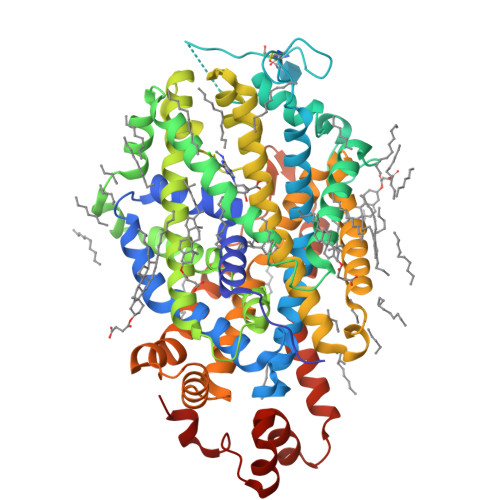 Click to view 3D structure | Sodium-dependent dopamine transporter | Q01959 | Humans | Predicted (SEA) | - Prediction Confidence Score
- 0.322
- Applicability Domain
- 0.4
- Statistical Significance
- 0.0245
- Supporting Reference Compounds
- 506
- E-value
- 191.042
|
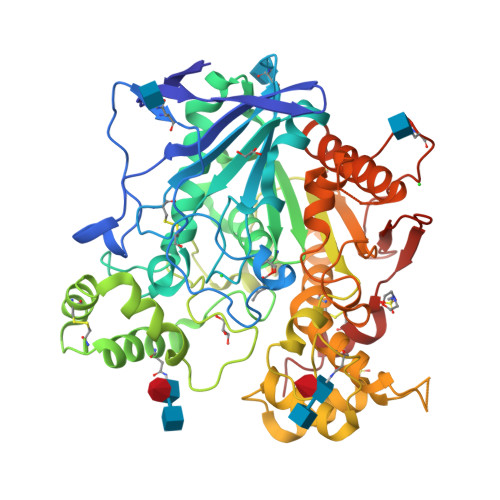 Click to view 3D structure | Cholinesterase | P06276 | Humans | Predicted (SEA) | - Prediction Confidence Score
- 0.321
- Applicability Domain
- 0.343
- Statistical Significance
- 0.0151
- Supporting Reference Compounds
- 234
- E-value
- 117.63
|
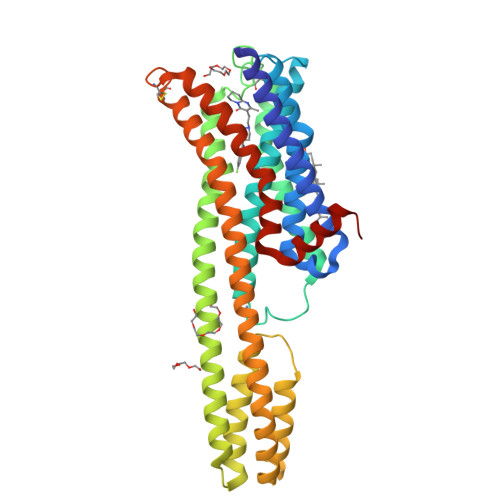 Click to view 3D structure | 5-hydroxytryptamine receptor 2A | P28223 | Humans | Predicted (SEA) | - Prediction Confidence Score
- 0.32
- Applicability Domain
- 0.4
- Statistical Significance
- 0.0549
- Supporting Reference Compounds
- 955
- E-value
- 427.314
|
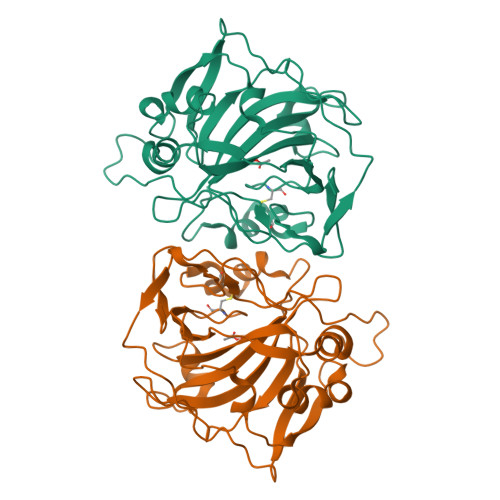 Click to view 3D structure | Carbonic anhydrase 12 | O43570 | Humans | Predicted (SEA) | - Prediction Confidence Score
- 0.319
- Applicability Domain
- 0.391
- Statistical Significance
- 0.0205
- Supporting Reference Compounds
- 332
- E-value
- 159.98
|
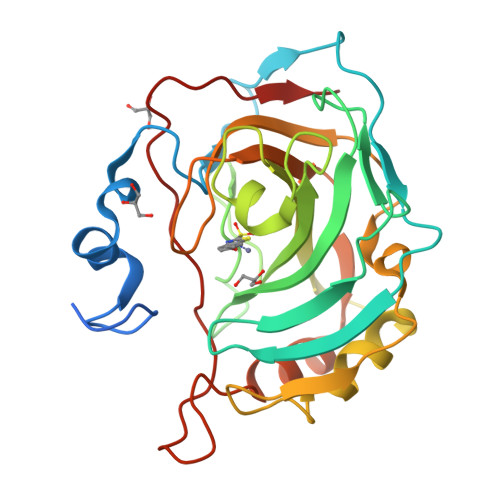 Click to view 3D structure | Carbonic anhydrase 7 | P43166 | Humans | Predicted (SEA) | - Prediction Confidence Score
- 0.309
- Applicability Domain
- 0.391
- Statistical Significance
- 0.0172
- Supporting Reference Compounds
- 242
- E-value
- 133.745
|
 Click to view 3D structure | Carbonic anhydrase 2 | P00918 | Humans | Predicted (SEA) | - Prediction Confidence Score
- 0.296
- Applicability Domain
- 0.391
- Statistical Significance
- 0.051
- Supporting Reference Compounds
- 472
- E-value
- 397.42
|
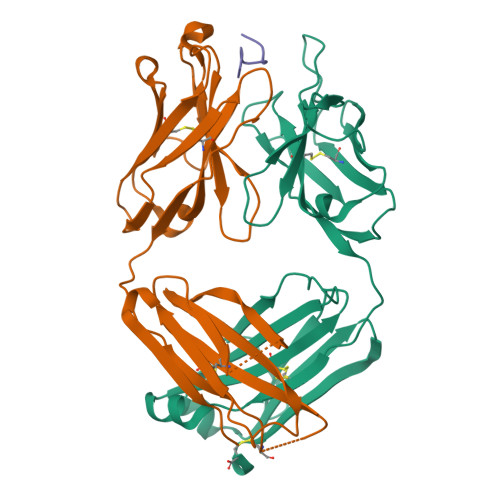 Click to view 3D structure | Carbonic anhydrase 9 | Q16790 | Humans | Predicted (SEA) | - Prediction Confidence Score
- 0.295
- Applicability Domain
- 0.391
- Statistical Significance
- 0.0393
- Supporting Reference Compounds
- 372
- E-value
- 305.792
|
| Click to view 3D structure | Acetylcholinesterase | O42275 | Electrophorus electricus | Predicted (SEA) | - Prediction Confidence Score
- 0.292
- Applicability Domain
- 0.304
- Statistical Significance
- 0.0293
- Supporting Reference Compounds
- 206
- E-value
- 227.943
|
| Click to view 3D structure | Acetylcholinesterase | P37136 | Rattus norvegicus | Predicted (SEA) | - Prediction Confidence Score
- 0.292
- Applicability Domain
- 0.304
- Statistical Significance
- 0.0148
- Supporting Reference Compounds
- 95
- E-value
- 115.061
|
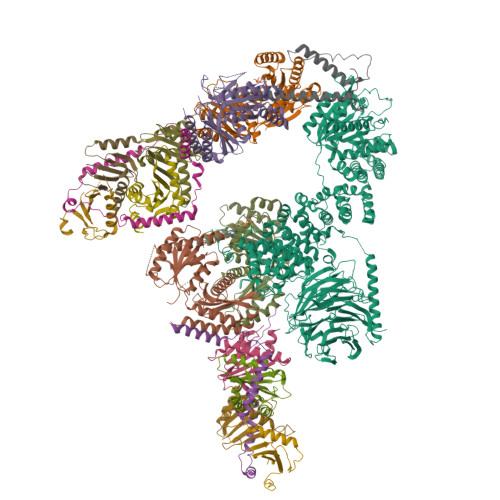 Click to view 3D structure | Transcription factor EB | P19484 | Humans | Predicted (SEA) | - Prediction Confidence Score
- 0.286
- Applicability Domain
- 0.286 Low confidence
- Statistical Significance
- 0.0019
- Supporting Reference Compounds
- 1
- E-value
- 14.8692
|
| Click to view 3D structure | 5-hydroxytryptamine receptor 1A | P19327 | Rattus norvegicus | Predicted (SEA) | - Prediction Confidence Score
- 0.285
- Applicability Domain
- 0.364
- Statistical Significance
- 0.0733
- Supporting Reference Compounds
- 541
- E-value
- 570.713
|
| Click to view 3D structure | Amino acid transporter | Q9Z1J7 | Rattus norvegicus | Predicted (SEA) | - Prediction Confidence Score
- 0.28
- Applicability Domain
- 0.319
- Statistical Significance
- 8.80e-04
- Supporting Reference Compounds
- 2
- E-value
- 6.85073
|
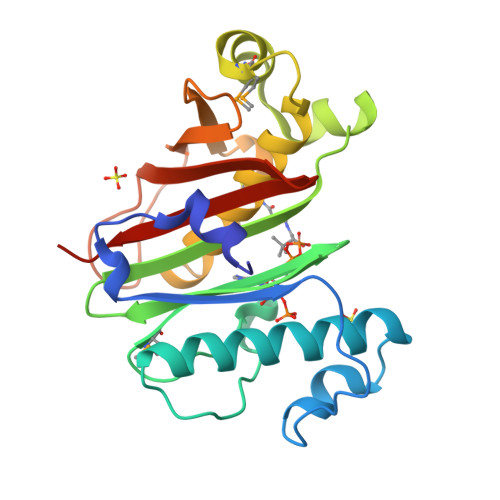 Click to view 3D structure | 4'-phosphopantetheinyl transferase PptT | O33336 | Mycobacterium tuberculosis | Predicted (SEA) | - Prediction Confidence Score
- 0.274
- Applicability Domain
- 0.279 Low confidence
- Statistical Significance
- 1.00e-04
- Supporting Reference Compounds
- 3
- E-value
- 0.778492
|
 Click to view 3D structure | Muscarinic acetylcholine receptor M1 | P11229 | Humans | Predicted (SEA) | - Prediction Confidence Score
- 0.273
- Applicability Domain
- 0.343
- Statistical Significance
- 0.0671
- Supporting Reference Compounds
- 385
- E-value
- 522.135
|
| Click to view 3D structure | 5-hydroxytryptamine receptor 1B | P28564 | Rattus norvegicus | Predicted (SEA) | - Prediction Confidence Score
- 0.273
- Applicability Domain
- 0.364
- Statistical Significance
- 0.0331
- Supporting Reference Compounds
- 154
- E-value
- 257.447
|
 Click to view 3D structure | Amine oxidase [flavin-containing] B | P27338 | Humans | Predicted (SEA) | - Prediction Confidence Score
- 0.27
- Applicability Domain
- 0.304
- Statistical Significance
- 0.0733
- Supporting Reference Compounds
- 315
- E-value
- 570.713
|
| Click to view 3D structure | D(2) dopamine receptor | P61169 | Rat | Predicted (SEA) | - Prediction Confidence Score
- 0.269
- Applicability Domain
- 0.364
- Statistical Significance
- 0.105
- Supporting Reference Compounds
- 528
- E-value
- 817.495
|
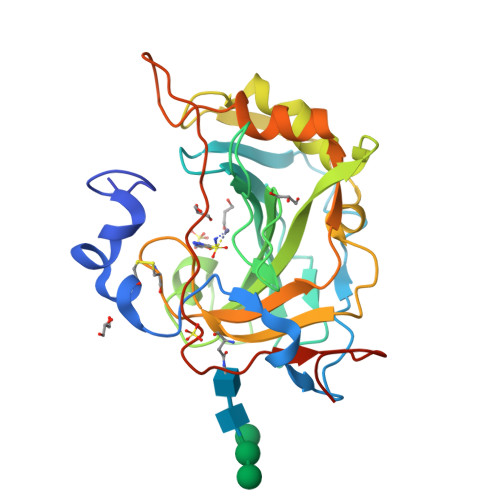 Click to view 3D structure | Carbonic anhydrase 14 | Q9ULX7 | Humans | Predicted (SEA) | - Prediction Confidence Score
- 0.269
- Applicability Domain
- 0.391
- Statistical Significance
- 0.035
- Supporting Reference Compounds
- 172
- E-value
- 272.628
|
 Click to view 3D structure | 5-hydroxytryptamine receptor 1A | P08908 | Humans | Predicted (SEA) | - Prediction Confidence Score
- 0.267
- Applicability Domain
- 0.297 Low confidence
- Statistical Significance
- 0.1644
- Supporting Reference Compounds
- 953
- E-value
- 1280.23
|

