 Click to view 3D structure | Multidrug and toxin extrusion protein 1 | Q8K0H1 | Mus musculus | Predicted (SEA) | - Prediction Confidence Score
- 0.282
- Applicability Domain
- 0.282 Low confidence
- Statistical Significance
- 7.00e-04
- Supporting Reference Compounds
- 1
- E-value
- 5.44945
|
 Click to view 3D structure | Dihydrofolate reductase | P00374 | Humans | Predicted (SEA) | - Prediction Confidence Score
- 0.269
- Applicability Domain
- 0.282 Low confidence
- Statistical Significance
- 0.0106
- Supporting Reference Compounds
- 156
- E-value
- 82.8316
|
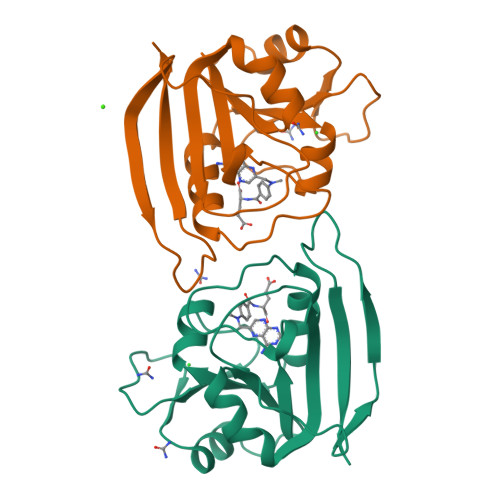 Click to view 3D structure | Dihydrofolate reductase | P0ABQ4 | Escherichia coli (strain K12) | Predicted (SEA) | - Prediction Confidence Score
- 0.265
- Applicability Domain
- 0.282 Low confidence
- Statistical Significance
- 0.0078
- Supporting Reference Compounds
- 92
- E-value
- 60.5667
|
 Click to view 3D structure | Cytochrome P450 3A4 | P08684 | Humans | Predicted (SEA) | - Prediction Confidence Score
- 0.265
- Applicability Domain
- 0.354
- Statistical Significance
- 0.4086
- Supporting Reference Compounds
- 1538
- E-value
- 3180.92
|
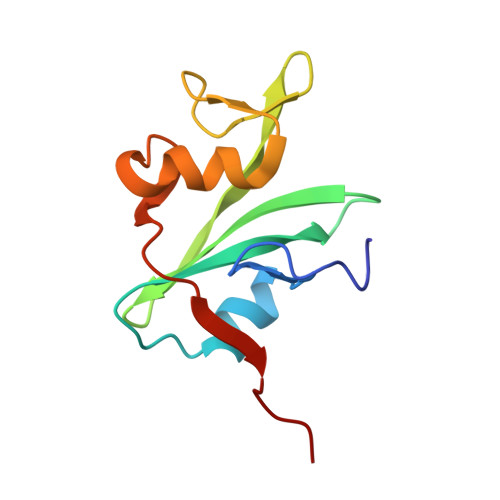 Click to view 3D structure | Tyrosine-protein kinase ABL1 | P00519 | Humans | Predicted (SEA) | - Prediction Confidence Score
- 0.264
- Applicability Domain
- 0.354
- Statistical Significance
- 0.2473
- Supporting Reference Compounds
- 927
- E-value
- 1925.37
|
 Click to view 3D structure | Carbonic anhydrase 9 | Q16790 | Humans | Predicted (SEA) | - Prediction Confidence Score
- 0.258
- Applicability Domain
- 0.273 Low confidence
- Statistical Significance
- 0.1064
- Supporting Reference Compounds
- 372
- E-value
- 828.16
|
 Click to view 3D structure | Carbonic anhydrase 2 | P00918 | Humans | Predicted (SEA) | - Prediction Confidence Score
- 0.258
- Applicability Domain
- 0.273 Low confidence
- Statistical Significance
- 0.1353
- Supporting Reference Compounds
- 472
- E-value
- 1053.38
|
 Click to view 3D structure | Carbonic anhydrase 1 | P00915 | Humans | Predicted (SEA) | - Prediction Confidence Score
- 0.258
- Applicability Domain
- 0.273 Low confidence
- Statistical Significance
- 0.1113
- Supporting Reference Compounds
- 407
- E-value
- 866.54
|
| Click to view 3D structure | Carbonic anhydrase 4 | Q95323 | Bos taurus | Predicted (SEA) | - Prediction Confidence Score
- 0.257
- Applicability Domain
- 0.273 Low confidence
- Statistical Significance
- 0.0219
- Supporting Reference Compounds
- 64
- E-value
- 170.178
|
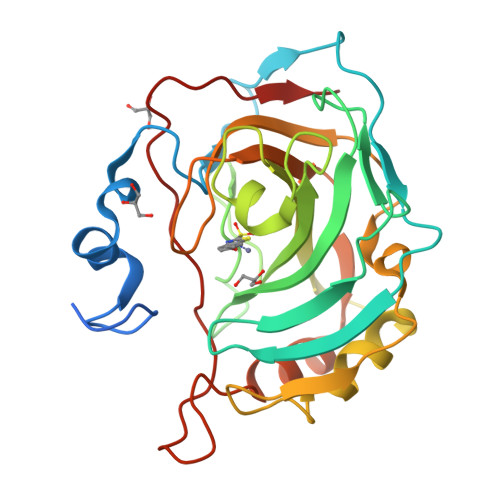 Click to view 3D structure | Carbonic anhydrase 7 | P43166 | Humans | Predicted (SEA) | - Prediction Confidence Score
- 0.257
- Applicability Domain
- 0.273 Low confidence
- Statistical Significance
- 0.0665
- Supporting Reference Compounds
- 242
- E-value
- 517.542
|
| Click to view 3D structure | Carbonate dehydratase | B2V8E3 | Sulfurihydrogenibium sp. (strain YO3AOP1) | Predicted (SEA) | - Prediction Confidence Score
- 0.257
- Applicability Domain
- 0.273 Low confidence
- Statistical Significance
- 0.0082
- Supporting Reference Compounds
- 40
- E-value
- 64.2256
|
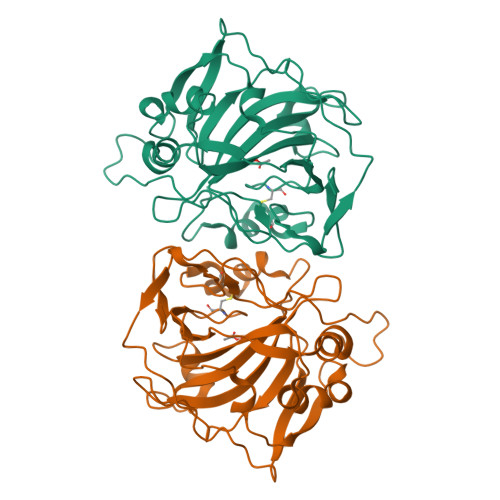 Click to view 3D structure | Carbonic anhydrase 12 | O43570 | Humans | Predicted (SEA) | - Prediction Confidence Score
- 0.257
- Applicability Domain
- 0.273 Low confidence
- Statistical Significance
- 0.0959
- Supporting Reference Compounds
- 332
- E-value
- 746.73
|
| Click to view 3D structure | Carbonic anhydrase | O24855 | Helicobacter pylori (strain ATCC 700392 / 26695) (Campylobacterpylori) | Predicted (SEA) | - Prediction Confidence Score
- 0.257
- Applicability Domain
- 0.273 Low confidence
- Statistical Significance
- 0.0092
- Supporting Reference Compounds
- 38
- E-value
- 71.3099
|
| Click to view 3D structure | Carbonic anhydrase | Q6FTL6 | Candida glabrata CBS 138 | Predicted (SEA) | - Prediction Confidence Score
- 0.257
- Applicability Domain
- 0.273 Low confidence
- Statistical Significance
- 0.0157
- Supporting Reference Compounds
- 46
- E-value
- 121.912
|
| Click to view 3D structure | Alpha carbonic anhydrase | B5SU02 | Stylophora pistillata | Predicted (SEA) | - Prediction Confidence Score
- 0.257
- Applicability Domain
- 0.273 Low confidence
- Statistical Significance
- 0.0083
- Supporting Reference Compounds
- 43
- E-value
- 64.537
|
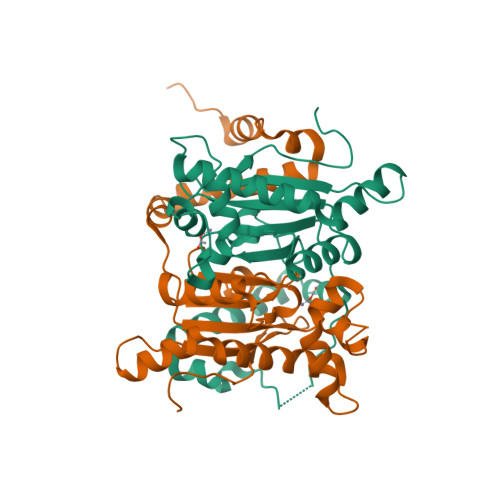 Click to view 3D structure | Carbonic anhydrase 2 | Q3I4V7 | Cryptococcus neoformans | Predicted (SEA) | - Prediction Confidence Score
- 0.257
- Applicability Domain
- 0.273 Low confidence
- Statistical Significance
- 0.0165
- Supporting Reference Compounds
- 60
- E-value
- 128.607
|
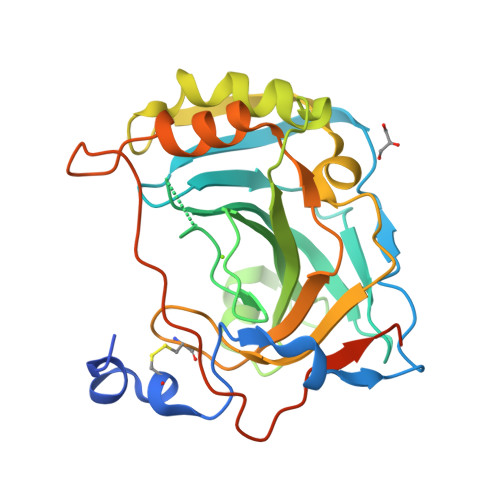 Click to view 3D structure | Carbonic anhydrase 6 | P23280 | Humans | Predicted (SEA) | - Prediction Confidence Score
- 0.257
- Applicability Domain
- 0.273 Low confidence
- Statistical Significance
- 0.0345
- Supporting Reference Compounds
- 151
- E-value
- 268.969
|
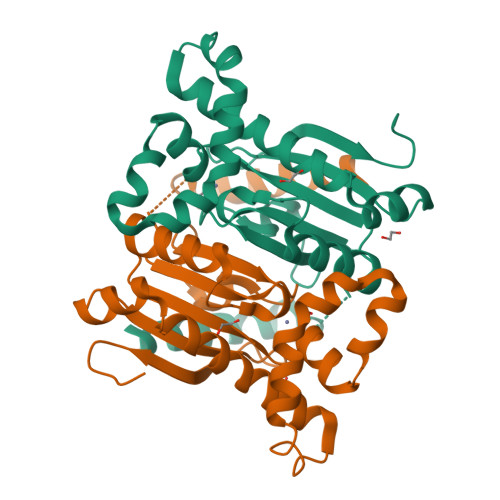 Click to view 3D structure | Carbonic anhydrase | P53615 | Saccharomyces cerevisiae S288c | Predicted (SEA) | - Prediction Confidence Score
- 0.257
- Applicability Domain
- 0.273 Low confidence
- Statistical Significance
- 0.0076
- Supporting Reference Compounds
- 34
- E-value
- 59.0097
|
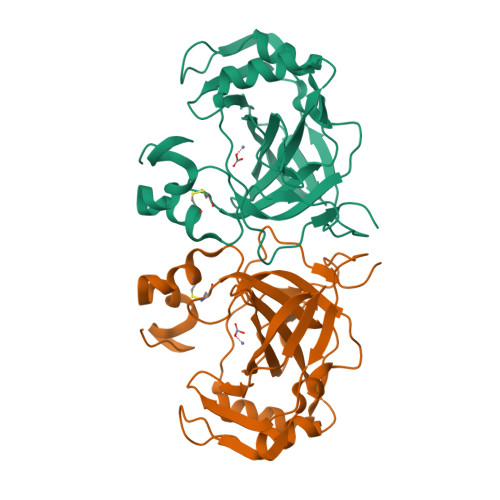 Click to view 3D structure | Carbonic anhydrase, alpha family | Q31FD6 | Thiomicrospira crunogena | Predicted (SEA) | - Prediction Confidence Score
- 0.257
- Applicability Domain
- 0.273 Low confidence
- Statistical Significance
- 0.0082
- Supporting Reference Compounds
- 41
- E-value
- 64.2256
|
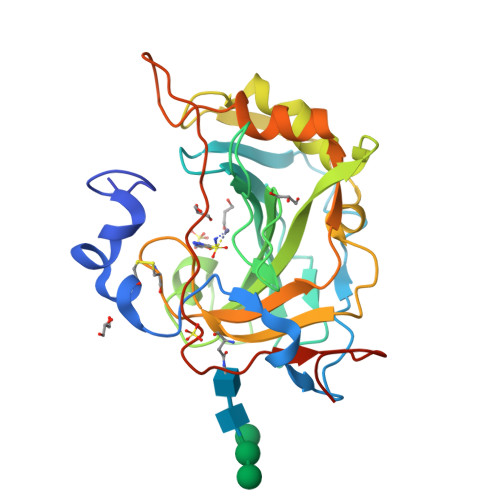 Click to view 3D structure | Carbonic anhydrase 14 | Q9ULX7 | Humans | Predicted (SEA) | - Prediction Confidence Score
- 0.257
- Applicability Domain
- 0.273 Low confidence
- Statistical Significance
- 0.0503
- Supporting Reference Compounds
- 172
- E-value
- 391.426
|
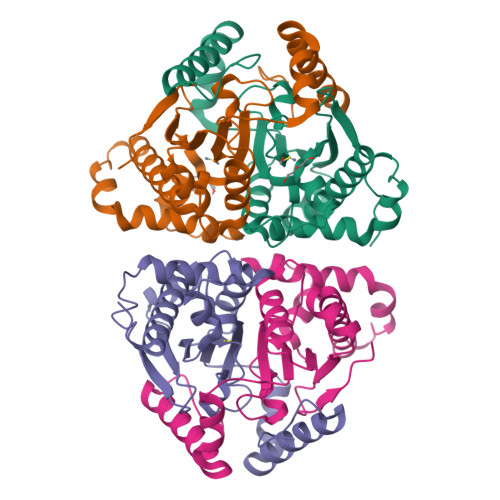 Click to view 3D structure | Carbonic anhydrase | Q5AJ71 | Candida albicans (strain SC5314 / ATCC MYA-2876) (Yeast) | Predicted (SEA) | - Prediction Confidence Score
- 0.257
- Applicability Domain
- 0.273 Low confidence
- Statistical Significance
- 0.02
- Supporting Reference Compounds
- 68
- E-value
- 155.932
|
| Click to view 3D structure | Carbonic anhydrase | C0IX24 | Stylophora pistillata | Predicted (SEA) | - Prediction Confidence Score
- 0.257
- Applicability Domain
- 0.273 Low confidence
- Statistical Significance
- 0.0083
- Supporting Reference Compounds
- 41
- E-value
- 64.537
|
| Click to view 3D structure | Carbonic anhydrase 15 | Q99N23 | Mus musculus | Predicted (SEA) | - Prediction Confidence Score
- 0.257
- Applicability Domain
- 0.273 Low confidence
- Statistical Significance
- 0.0206
- Supporting Reference Compounds
- 78
- E-value
- 160.058
|
 Click to view 3D structure | Beta-carbonic anhydrase 1 | P9WPJ7 | Mycobacterium tuberculosis | Predicted (SEA) | - Prediction Confidence Score
- 0.257
- Applicability Domain
- 0.273 Low confidence
- Statistical Significance
- 0.0164
- Supporting Reference Compounds
- 55
- E-value
- 128.062
|
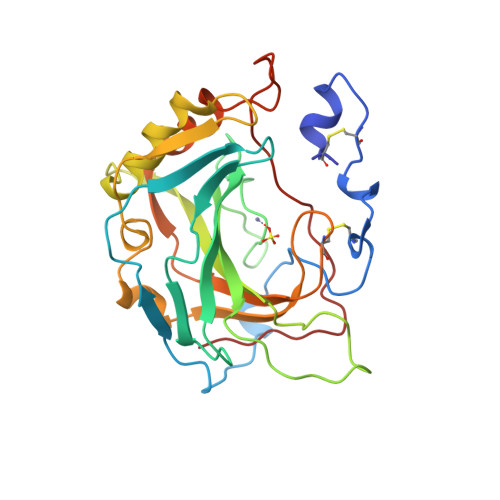 Click to view 3D structure | Carbonic anhydrase 4 | P22748 | Humans | Predicted (SEA) | - Prediction Confidence Score
- 0.257
- Applicability Domain
- 0.273 Low confidence
- Statistical Significance
- 0.043
- Supporting Reference Compounds
- 193
- E-value
- 334.518
|

