 Click to view 3D structure | Progesterone receptor | Q690N0 | Bos taurus | Predicted (SEA) | - Prediction Confidence Score
- 0.194
- Applicability Domain
- 0.2 Low confidence
- Statistical Significance
- 0.015
- Supporting Reference Compounds
- 40
- E-value
- 117.085
|
 Click to view 3D structure | Tubulin--tyrosine ligase | Q8NG68 | Humans | Predicted (SEA) | - Prediction Confidence Score
- 0.194
- Applicability Domain
- 0.194 Low confidence
- Statistical Significance
- 3.90e-04
- Supporting Reference Compounds
- 1
- E-value
- 3.03612
|
 Click to view 3D structure | Solute carrier organic anion transporter family member 1B1 | Q9Y6L6 | Humans | Predicted (SEA) | - Prediction Confidence Score
- 0.193
- Applicability Domain
- 0.27 Low confidence
- Statistical Significance
- 0.2504
- Supporting Reference Compounds
- 82
- E-value
- 1949.5
|
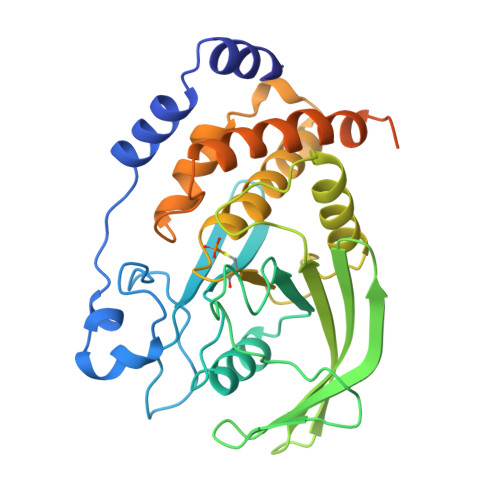 Click to view 3D structure | Tyrosine-protein phosphatase non-receptor type 1 | P18031 | Humans | Predicted (SEA) | - Prediction Confidence Score
- 0.192
- Applicability Domain
- 0.2 Low confidence
- Statistical Significance
- 0.3842
- Supporting Reference Compounds
- 197
- E-value
- 2990.81
|
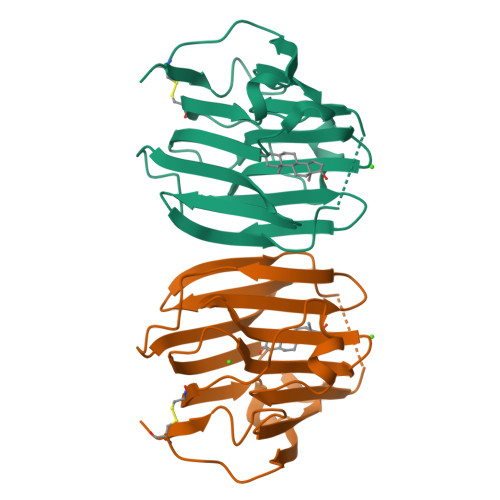 Click to view 3D structure | Sex hormone-binding globulin | P04278 | Humans | Predicted (SEA) | - Prediction Confidence Score
- 0.192
- Applicability Domain
- 0.2 Low confidence
- Statistical Significance
- 0.0111
- Supporting Reference Compounds
- 33
- E-value
- 86.8019
|
 Click to view 3D structure | Mu-type opioid receptor | P42866 | Mus musculus | Predicted (SEA) | - Prediction Confidence Score
- 0.191
- Applicability Domain
- 0.2 Low confidence
- Statistical Significance
- 0.2257
- Supporting Reference Compounds
- 107
- E-value
- 1756.9
|
 Click to view 3D structure | Orexin/Hypocretin receptor type 1 | O43613 | Humans | Predicted (SEA) | - Prediction Confidence Score
- 0.19
- Applicability Domain
- 0.198 Low confidence
- Statistical Significance
- 0.4002
- Supporting Reference Compounds
- 70
- E-value
- 3115.29
|
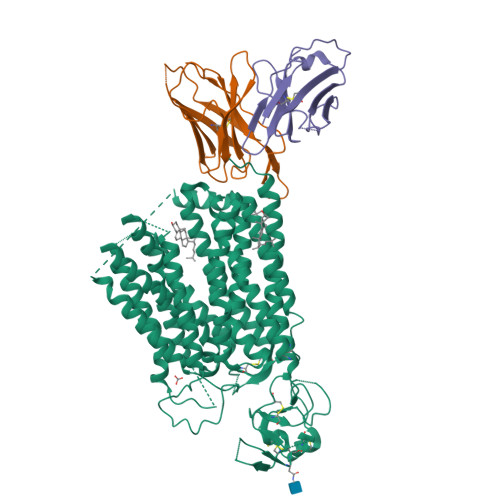 Click to view 3D structure | Solute carrier organic anion transporter family member 1B3 | Q9NPD5 | Humans | Predicted (SEA) | - Prediction Confidence Score
- 0.189
- Applicability Domain
- 0.27 Low confidence
- Statistical Significance
- 0.1544
- Supporting Reference Compounds
- 51
- E-value
- 1202.07
|
 Click to view 3D structure | Muscarinic acetylcholine receptor M3 | P20309 | Humans | Predicted (SEA) | - Prediction Confidence Score
- 0.189
- Applicability Domain
- 0.296 Low confidence
- Statistical Significance
- 0.7513
- Supporting Reference Compounds
- 310
- E-value
- 5848.89
|
 Click to view 3D structure | FUN14 domain-containing protein 1 | Q8IVP5 | Humans | Predicted (SEA) | - Prediction Confidence Score
- 0.188
- Applicability Domain
- 0.188 Low confidence
- Statistical Significance
- 0.0015
- Supporting Reference Compounds
- 1
- E-value
- 11.4438
|
 Click to view 3D structure | Kappa-type opioid receptor | P41145 | Humans | Predicted (SEA) | - Prediction Confidence Score
- 0.455
- Applicability Domain
- 0.473
- Statistical Significance
- 0.0136
- Supporting Reference Compounds
- 532
- E-value
- 105.797
|
 Click to view 3D structure | Delta-type opioid receptor | P32300 | Mus musculus | Predicted (SEA) | - Prediction Confidence Score
- 0.352
- Applicability Domain
- 0.455
- Statistical Significance
- 0.0262
- Supporting Reference Compounds
- 166
- E-value
- 203.965
|
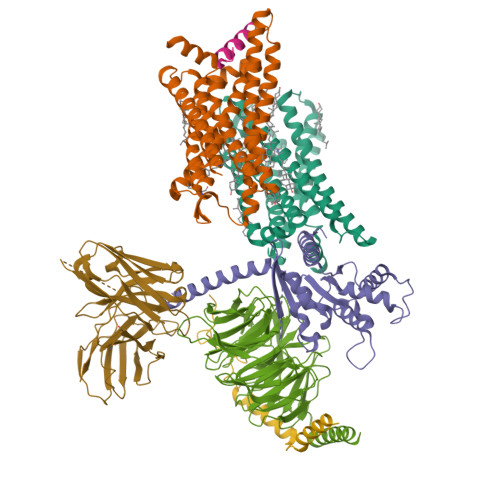 Click to view 3D structure | Mu-type opioid receptor | P35372 | Humans | Predicted (SEA) | - Prediction Confidence Score
- 0.348
- Applicability Domain
- 0.455
- Statistical Significance
- 0.0377
- Supporting Reference Compounds
- 527
- E-value
- 293.725
|
 Click to view 3D structure | Delta-type opioid receptor | P41143 | Humans | Predicted (SEA) | - Prediction Confidence Score
- 0.348
- Applicability Domain
- 0.455
- Statistical Significance
- 0.035
- Supporting Reference Compounds
- 427
- E-value
- 272.317
|
| Click to view 3D structure | Mu-type opioid receptor | P33535 | Rattus norvegicus | Predicted (SEA) | - Prediction Confidence Score
- 0.337
- Applicability Domain
- 0.455
- Statistical Significance
- 0.0323
- Supporting Reference Compounds
- 229
- E-value
- 251.219
|
| Click to view 3D structure | Kappa-type opioid receptor | P33534 | Mus musculus | Predicted (SEA) | - Prediction Confidence Score
- 0.293
- Applicability Domain
- 0.455
- Statistical Significance
- 0.0217
- Supporting Reference Compounds
- 61
- E-value
- 168.621
|
| Click to view 3D structure | Kappa-type opioid receptor | P34975 | Rattus norvegicus | Predicted (SEA) | - Prediction Confidence Score
- 0.288
- Applicability Domain
- 0.473
- Statistical Significance
- 0.033
- Supporting Reference Compounds
- 66
- E-value
- 256.902
|
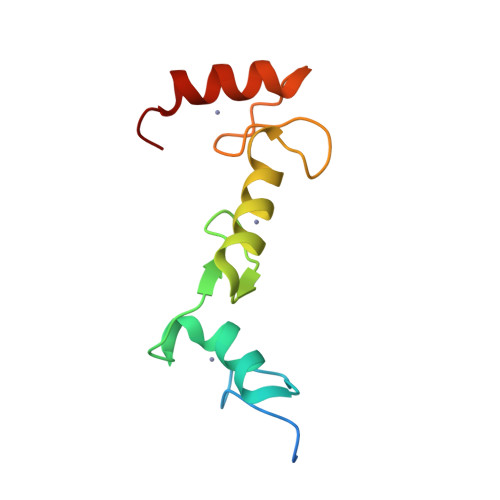 Click to view 3D structure | E3 ubiquitin-protein ligase ZFP91 | Q96JP5 | Humans | Predicted (SEA) | - Prediction Confidence Score
- 0.272
- Applicability Domain
- 0.272 Low confidence
- Statistical Significance
- 2.40e-04
- Supporting Reference Compounds
- 1
- E-value
- 1.86838
|
| Click to view 3D structure | Kappa-type opioid receptor | P41144 | Cavia porcellus | Predicted (SEA) | - Prediction Confidence Score
- 0.246
- Applicability Domain
- 0.455
- Statistical Significance
- 0.0867
- Supporting Reference Compounds
- 199
- E-value
- 675.031
|
 Click to view 3D structure | Androgen receptor | P10275 | Humans | Predicted (SEA) | - Prediction Confidence Score
- 0.206
- Applicability Domain
- 0.272 Low confidence
- Statistical Significance
- 0.2507
- Supporting Reference Compounds
- 146
- E-value
- 1951.84
|
 Click to view 3D structure | Cytochrome P450 3A4 | P08684 | Humans | Predicted (SEA) | - Prediction Confidence Score
- 0.204
- Applicability Domain
- 0.272 Low confidence
- Statistical Significance
- 0.9365
- Supporting Reference Compounds
- 1538
- E-value
- 7290.74
|
 Click to view 3D structure | Glucocorticoid receptor | P04150 | Humans | Predicted (SEA) | - Prediction Confidence Score
- 0.197
- Applicability Domain
- 0.2 Low confidence
- Statistical Significance
- 0.325
- Supporting Reference Compounds
- 154
- E-value
- 2530.1
|
 Click to view 3D structure | Ecdysone receptor | P34021 | Drosophila melanogaster | Predicted (SEA) | - Prediction Confidence Score
- 0.197
- Applicability Domain
- 0.213 Low confidence
- Statistical Significance
- 0.0013
- Supporting Reference Compounds
- 2
- E-value
- 9.809
|
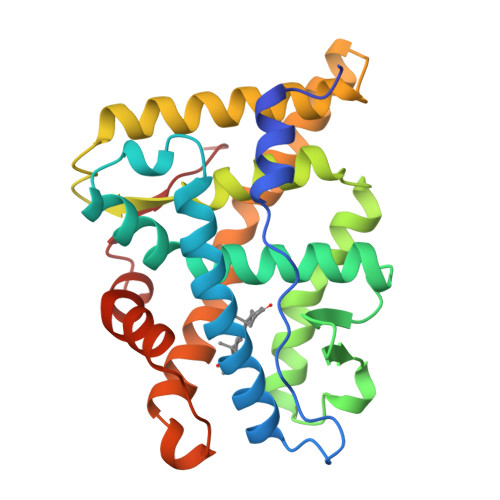 Click to view 3D structure | Progesterone receptor | P06401 | Humans | Predicted (SEA) | - Prediction Confidence Score
- 0.195
- Applicability Domain
- 0.2 Low confidence
- Statistical Significance
- 0.363
- Supporting Reference Compounds
- 119
- E-value
- 2826.08
|
 Click to view 3D structure | Androgen receptor | P15207 | Rattus norvegicus | Predicted (SEA) | - Prediction Confidence Score
- 0.194
- Applicability Domain
- 0.2 Low confidence
- Statistical Significance
- 0.0837
- Supporting Reference Compounds
- 73
- E-value
- 651.676
|

